Steel Stamping Tool - Precision Metal Forming

All Categories

steel stamping tool

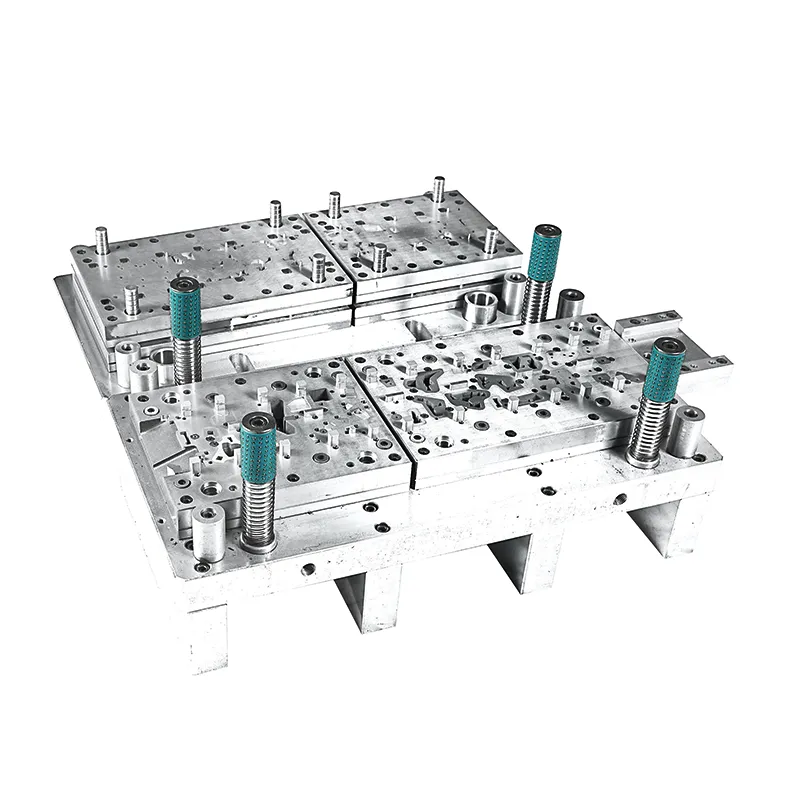
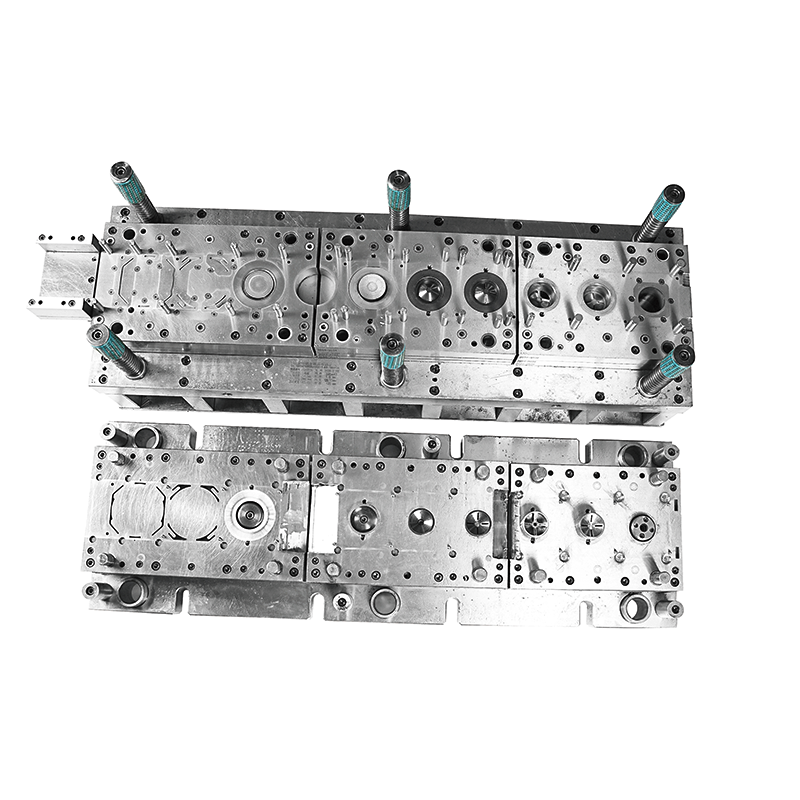
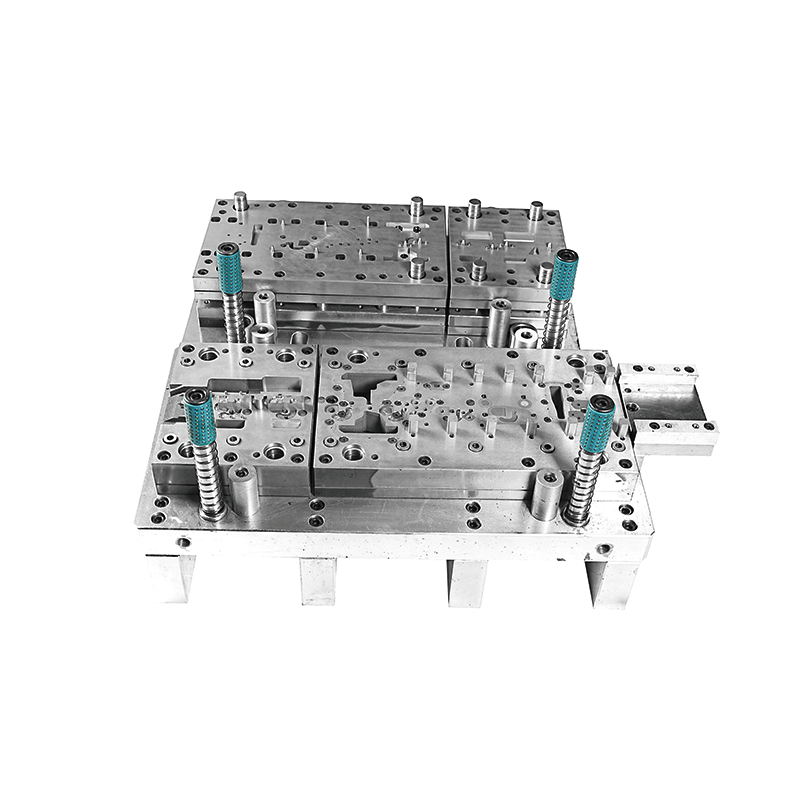
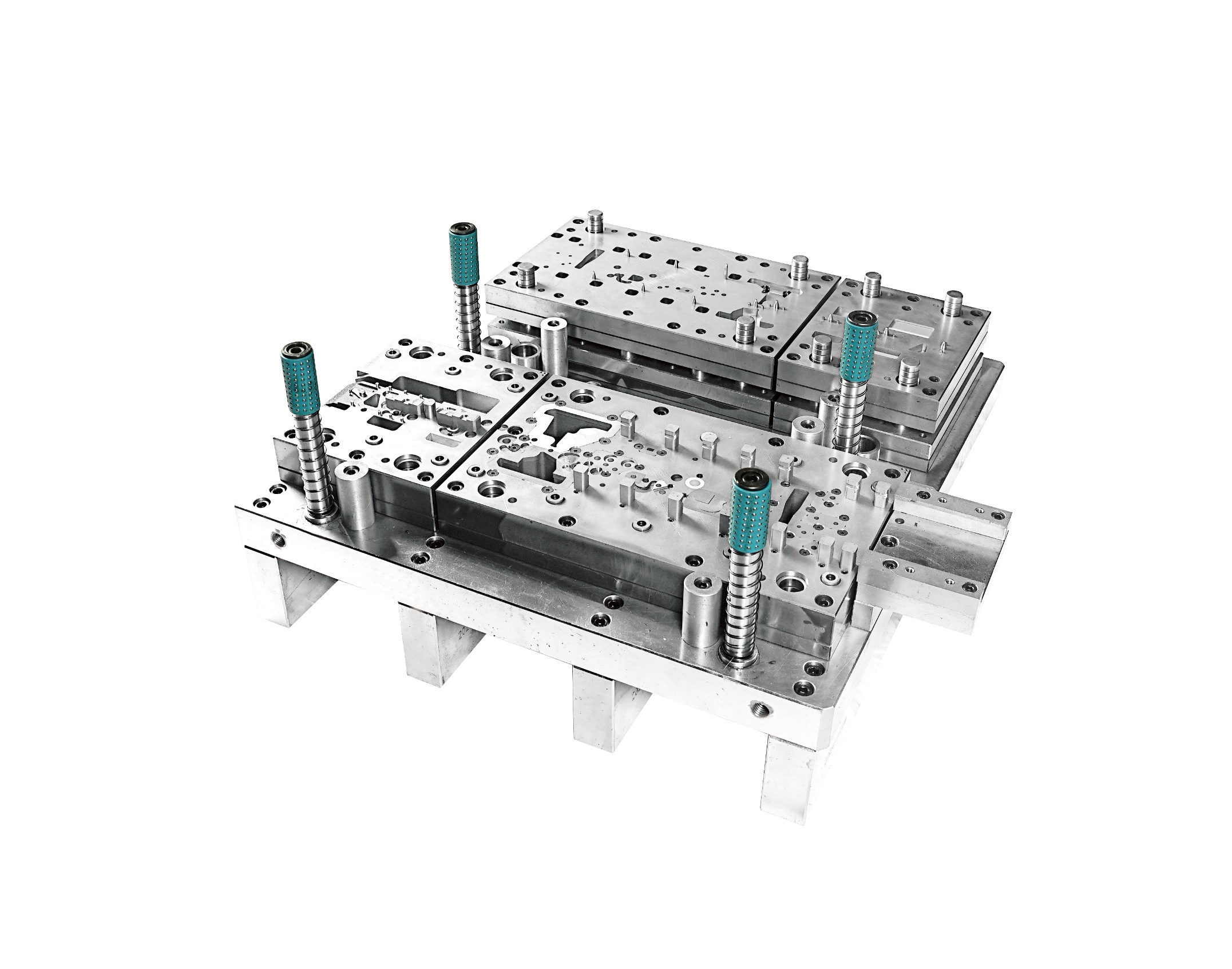
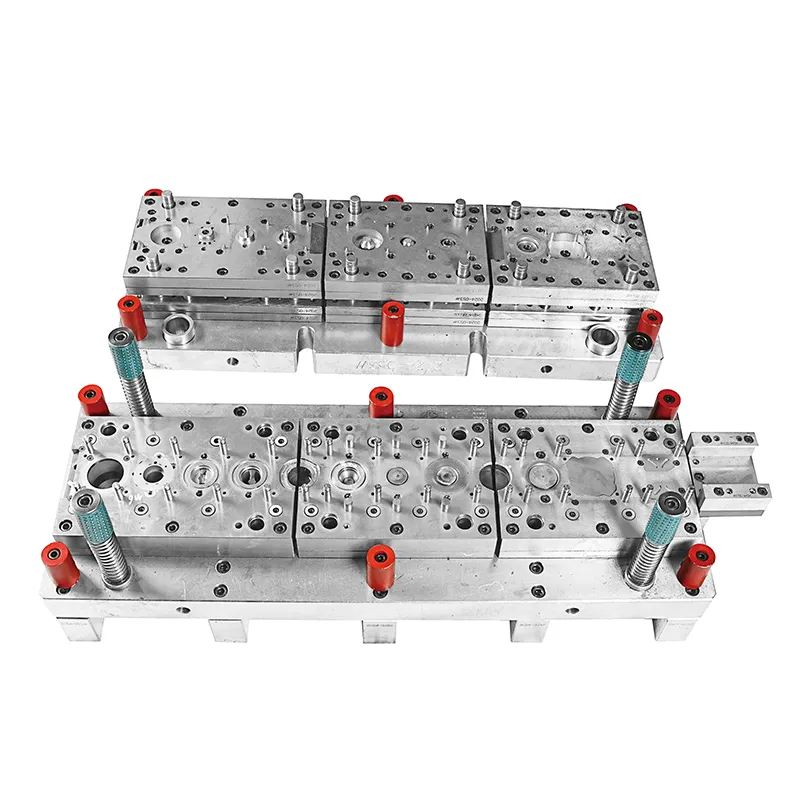
A steel stamping tool is a precision-engineered device designed to shape, cut, and form steel materials through controlled force application. This essential manufacturing equipment transforms flat steel sheets into specific three-dimensional shapes using dies and punches in a stamping press. The steel stamping tool operates by placing steel material between matching dies, then applying tremendous pressure to permanently deform the metal into the desired configuration. Modern steel stamping tools incorporate advanced engineering principles to ensure consistent results across high-volume production runs. These tools feature hardened steel construction to withstand repeated impact forces while maintaining dimensional accuracy. The technological sophistication of a steel stamping tool includes precise alignment systems, wear-resistant coatings, and optimized geometry that reduces material waste. Applications span numerous industries including automotive manufacturing, electronics production, appliance fabrication, and construction hardware. In automotive sectors, the steel stamping tool creates body panels, brackets, and structural components. Electronics manufacturers rely on these tools to produce enclosures, connectors, and shielding components. The versatility of a steel stamping tool allows manufacturers to produce parts ranging from simple washers to complex geometric shapes with tight tolerances. Progressive dies enable multiple operations in a single stroke, dramatically improving production efficiency. The steel stamping tool represents a cornerstone technology in modern metalworking, enabling cost-effective mass production while maintaining quality standards that meet stringent industry requirements across diverse manufacturing environments.

New Product Releases

Investing in a quality steel stamping tool delivers substantial economic benefits through reduced per-unit production costs when manufacturing large quantities. The rapid cycle times achievable with a steel stamping tool translate to higher output volumes compared to alternative fabrication methods, directly improving your bottom line. You gain exceptional repeatability, ensuring every stamped part matches specifications without variation, which minimizes quality control rejections and associated waste costs. The steel stamping tool operates with minimal material waste because engineers can optimize blank layouts to maximize yield from each steel sheet. Your operation benefits from reduced labor requirements since automated stamping processes require fewer operators than manual fabrication techniques. Maintenance demands remain manageable when you select properly designed tools, as hardened steel construction provides extended service life even under demanding production schedules. The versatility of a steel stamping tool allows quick changeovers between different part designs, giving you flexibility to respond to market demands without investing in entirely new equipment. Energy efficiency stands out as another practical advantage, with modern stamping operations consuming less power per part than machining or casting alternatives. You can achieve complex geometries in single operations that would require multiple steps using other methods, streamlining your production workflow. The steel stamping tool creates parts with excellent surface finish directly from the die, often eliminating secondary finishing operations. This manufacturing approach suits both prototype development and full-scale production, providing scalability as your business grows. Risk reduction occurs through proven technology with predictable outcomes, helping you meet delivery commitments reliably. Your quality assurance processes simplify because dimensional consistency comes built into the steel stamping tool operation itself.

Tips And Tricks

Metal stamping parts

17

Jul

Metal stamping parts

View More
Wide application of hardware products

17

Jul

Wide application of hardware products

View More
Progressive Dies: The Key Force Promoting Efficient and Precise Production in Modern Manufacturing

14

Aug

Progressive Dies: The Key Force Promoting Efficient and Precise Production in Modern Manufacturing

View More
Industry Trends Analysis: Precision Stamping & Mold Manufacturing 2026

22

Apr

Industry Trends Analysis: Precision Stamping & Mold Manufacturing 2026

View More

Get a Free Quote

Our representative will contact you soon.
Email
WhatsApp
Name
Company Name
Message
0/1000

steel stamping tool

Exceptional Durability and Longevity

Exceptional Durability and Longevity

The steel stamping tool construction utilizes premium-grade hardened steel alloys specifically selected for their superior wear resistance and structural integrity under extreme operating conditions. Manufacturers apply advanced heat treatment processes that optimize the molecular structure of the tool steel, creating surfaces capable of withstanding millions of stamping cycles without significant degradation. Protective coatings such as titanium nitride or chromium carbide further enhance surface hardness, reducing friction and preventing premature wear at critical contact points. This robust construction directly translates to lower replacement costs and reduced production downtime for maintenance activities. The precision-ground surfaces maintain their dimensional accuracy throughout the tool's service life, ensuring consistent part quality from the first stamping to the millionth. Your investment in a quality steel stamping tool delivers years of reliable performance, making the initial capital expenditure highly economical when calculated across the tool's lifetime production output. The engineering expertise embedded in professional tool design considers stress distribution, thermal expansion, and material flow to prevent common failure modes. This thoughtful approach to durability means you can commit to long-term production contracts with confidence in your equipment's ability to perform consistently.
Precision Engineering for Tight Tolerances

Precision Engineering for Tight Tolerances

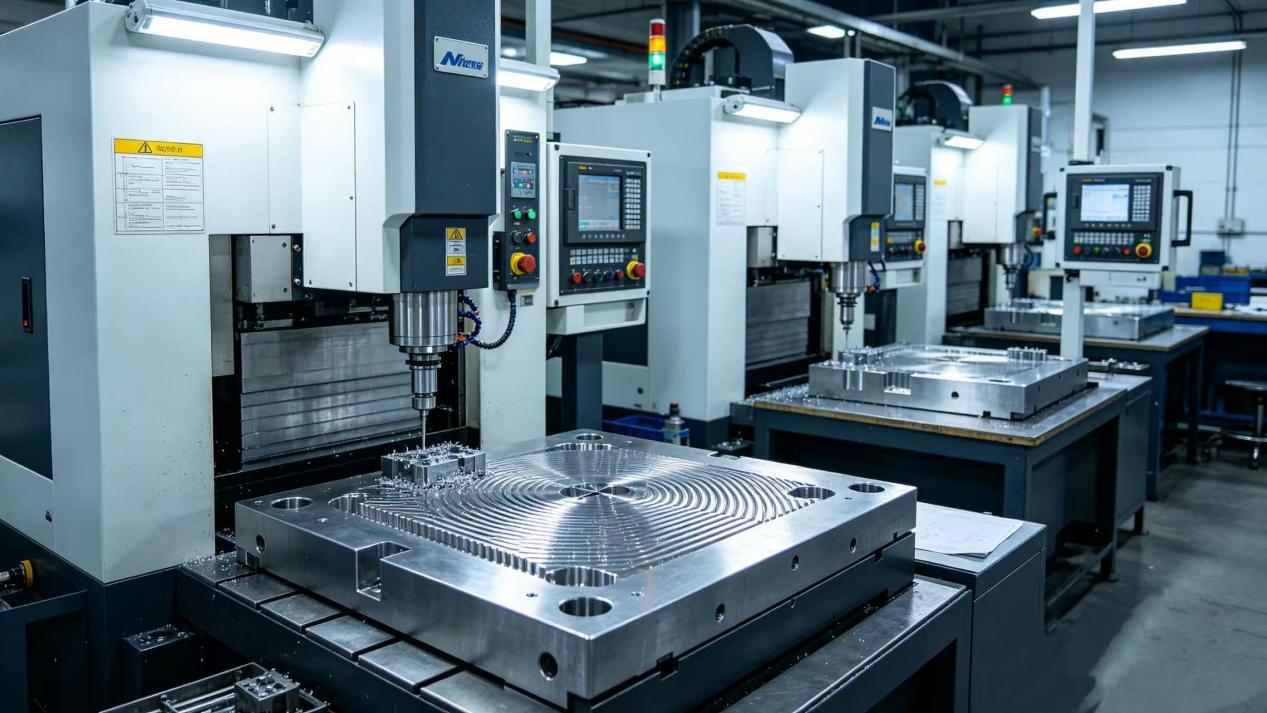
Modern steel stamping tool design incorporates sophisticated engineering analysis including finite element modeling to predict material behavior and optimize die geometry for precise results. The manufacturing process for creating these tools employs CNC machining centers and wire EDM equipment capable of achieving tolerances measured in thousandths of an inch. This precision engineering ensures that the steel stamping tool produces parts meeting demanding specifications required in aerospace, medical device, and automotive safety applications. Alignment systems built into the tool design guarantee proper registration between upper and lower dies throughout each stamping cycle, preventing the dimensional drift that compromises part quality. The controlled clearances between punch and die components determine how cleanly the steel material shears, directly affecting edge quality and burr formation. Engineers calculate these clearances based on material thickness, steel grade, and desired edge characteristics to optimize results for your specific application. Temperature stability features prevent thermal expansion from affecting dimensional accuracy during extended production runs. Your manufacturing operation benefits from reduced scrap rates because parts consistently fall within specification limits. The steel stamping tool delivers this precision repeatably across thousands or millions of cycles, providing the consistency that automated assembly processes require for efficient downstream operations.
Versatile Application Across Industries

Versatile Application Across Industries

The adaptability of a steel stamping tool makes it invaluable across diverse manufacturing sectors, from heavy industrial applications to delicate electronic components. Automotive manufacturers depend on these tools to create everything from massive floor pan assemblies to intricate bracket designs, demonstrating the scalability of stamping technology. In electronics production, the steel stamping tool forms precision contacts, shielding cans, and connector housings where dimensional accuracy directly affects product functionality. Appliance manufacturers utilize stamping to create cabinet components, hinges, and decorative trim pieces that combine aesthetic appeal with structural requirements. The construction hardware industry relies on stamped steel components for brackets, fasteners, and reinforcement plates that meet stringent load-bearing specifications. Medical device manufacturers appreciate how the steel stamping tool can produce sterile, biocompatible components with the cleanliness and precision their applications demand. Agricultural equipment, HVAC systems, and furniture industries all benefit from the economic advantages stamping provides for metal component production. This cross-industry applicability means your investment in steel stamping tool technology opens opportunities in multiple market segments, diversifying your customer base and revenue streams. The fundamental principles remain consistent while the specific designs adapt to each unique application requirement.

Get a Free Quote

Our representative will contact you soon.
Email
WhatsApp
Name
Company Name
Message
0/1000