Automotive Metal Stamping Parts | Precision

All Categories

automotive metal stamping parts

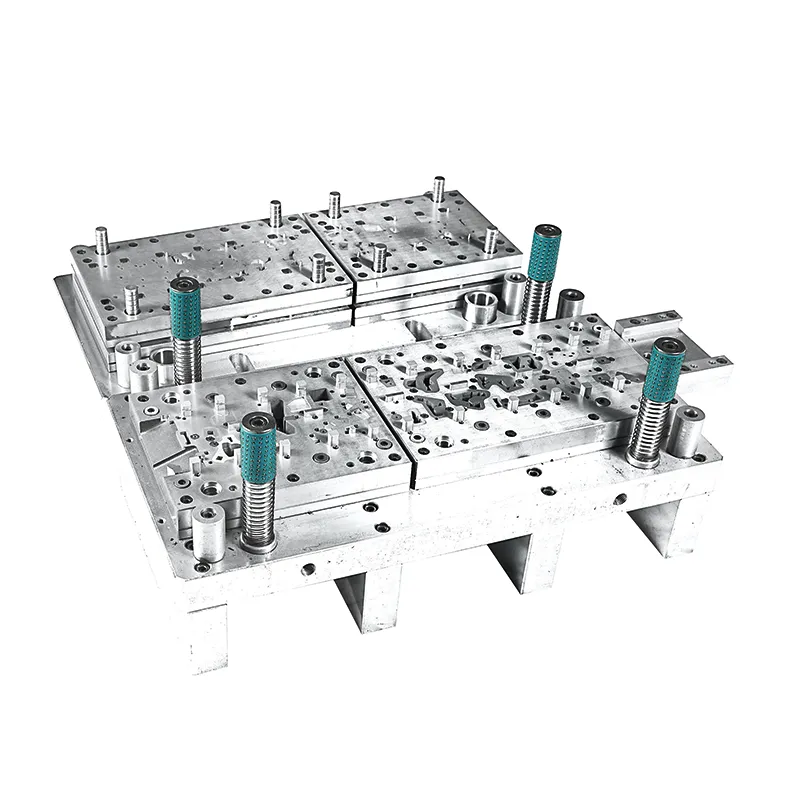
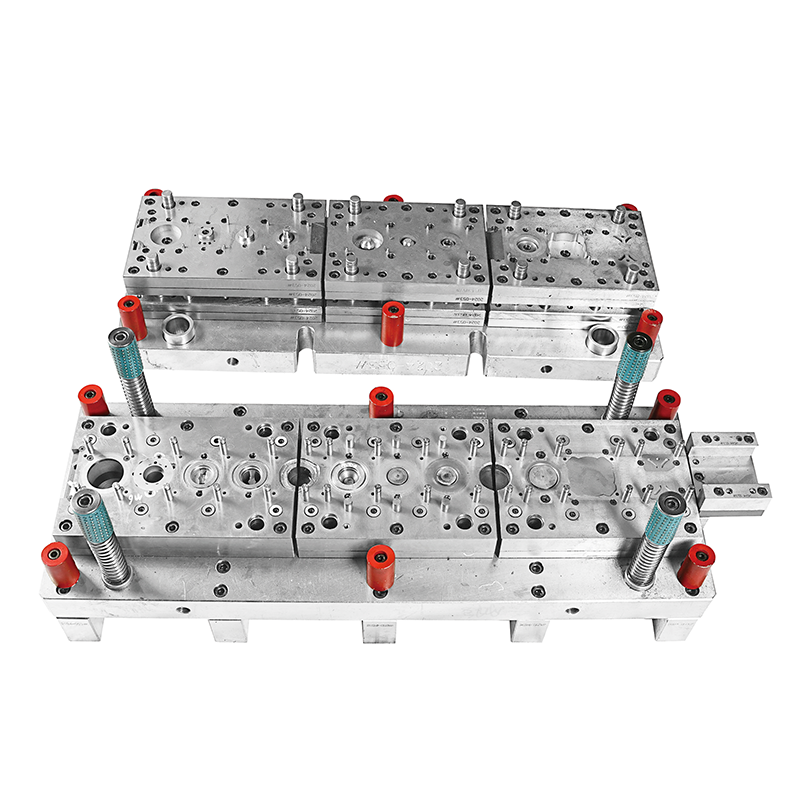
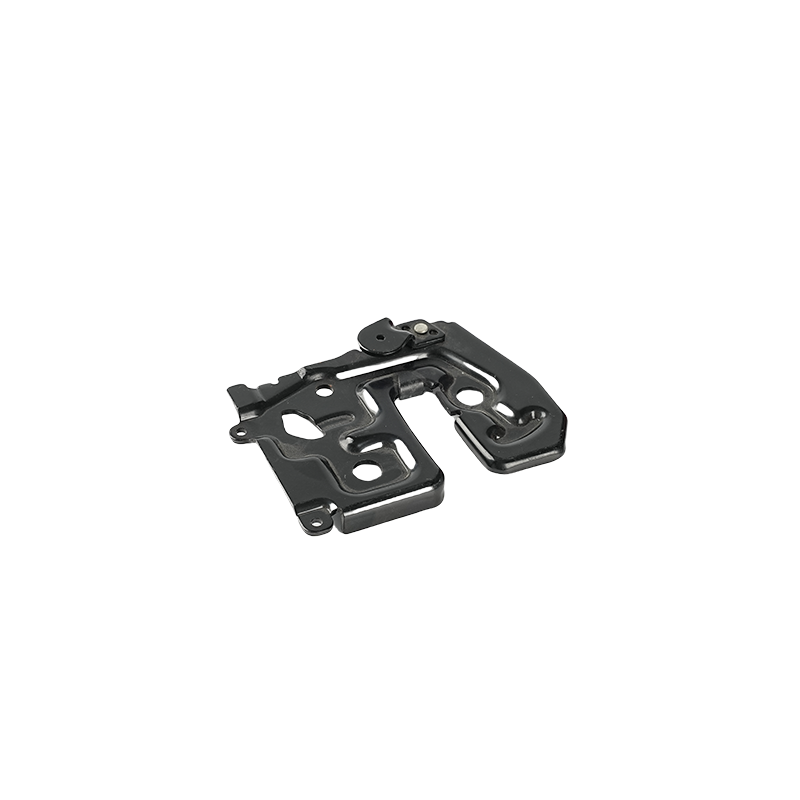
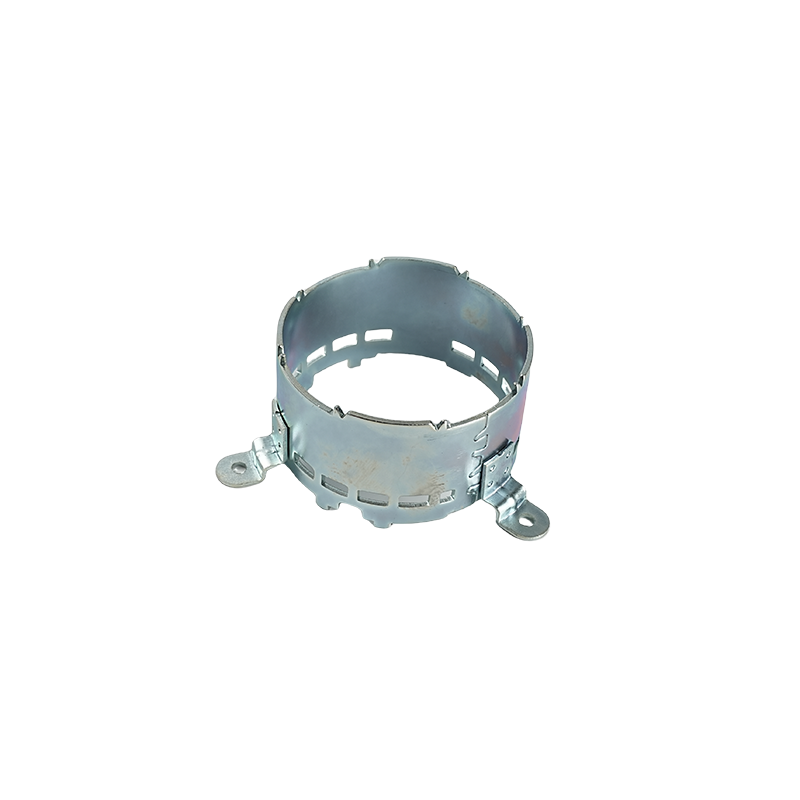
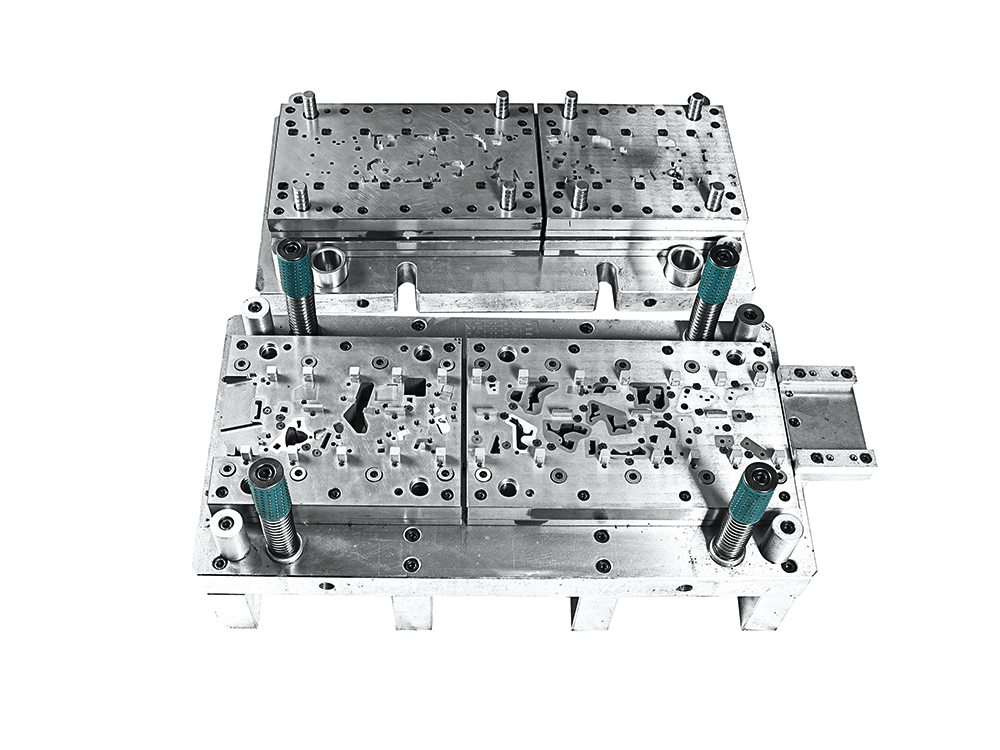
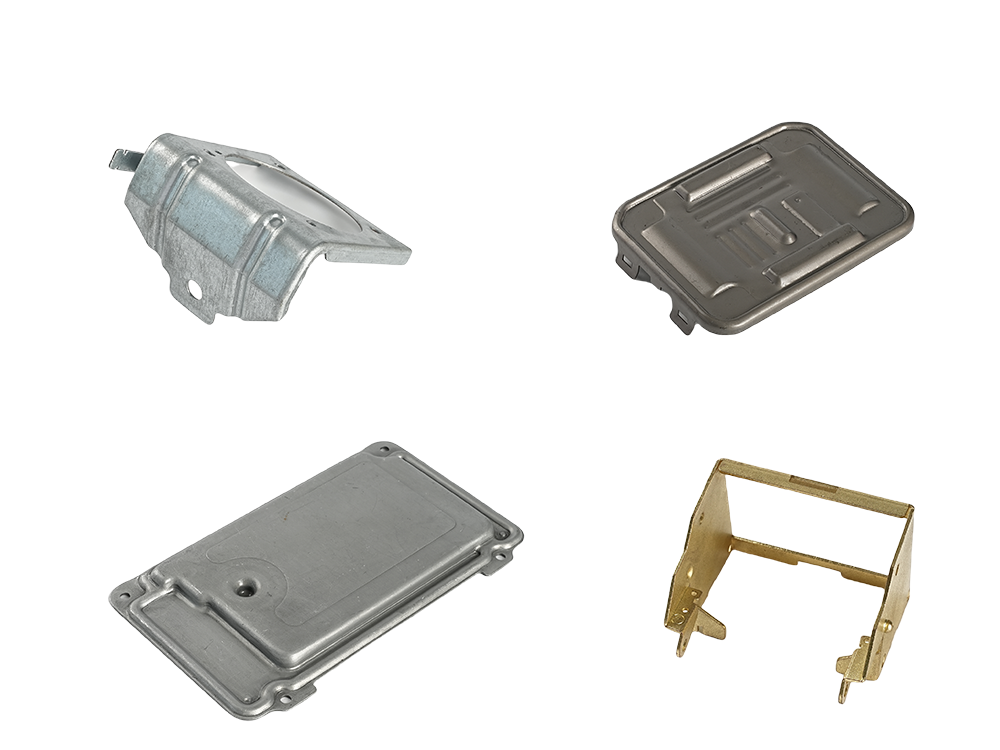
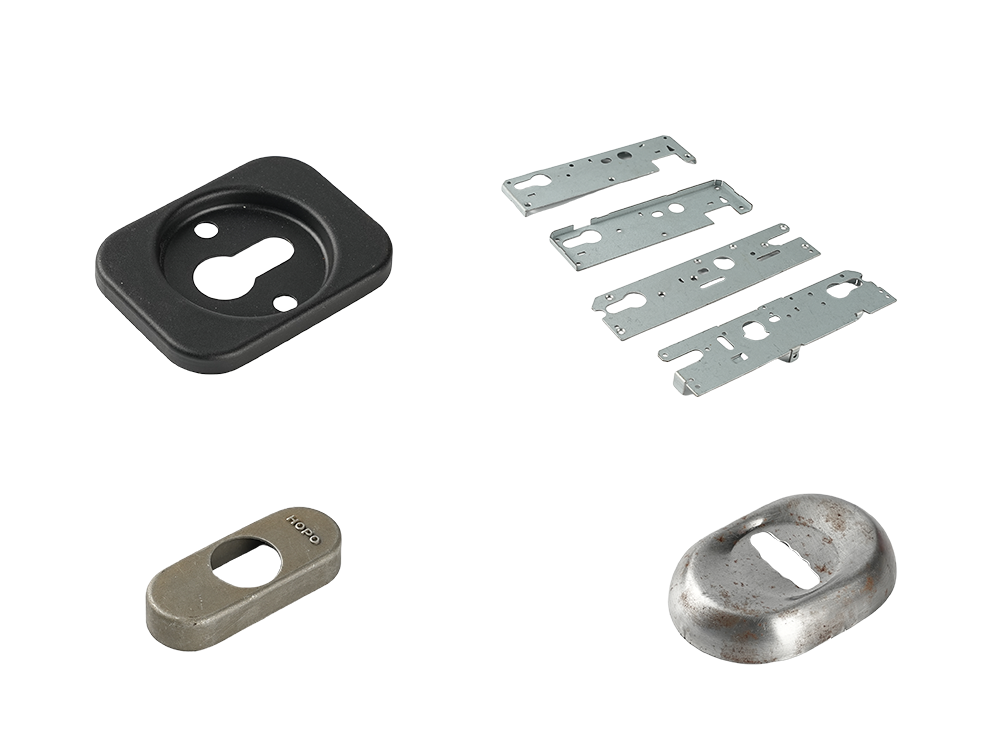
Automotive metal stamping parts are precision-engineered components manufactured through advanced stamping processes to meet the demanding requirements of modern vehicle production. These essential parts are created by pressing sheet metal into specific shapes using specialized dies and high-tonnage presses, resulting in durable components that form the backbone of vehicle construction. The main functions of automotive metal stamping parts include providing structural integrity, supporting safety systems, and enabling proper vehicle assembly. These components range from small brackets and clips to large body panels and chassis reinforcements. The technological features of automotive metal stamping parts include high dimensional accuracy, consistent quality across large production runs, and the ability to incorporate complex geometries in a single operation. Progressive die stamping, transfer stamping, and deep drawing are common manufacturing methods that ensure precision and repeatability. Applications of automotive metal stamping parts span across all vehicle systems, including body-in-white structures, engine compartments, transmission housings, suspension components, door panels, hood assemblies, and interior mounting brackets. The versatility of metal stamping allows manufacturers to work with various materials such as steel, aluminum, stainless steel, and specialized alloys, each selected based on specific performance requirements. Modern automotive metal stamping parts incorporate advanced features like integrated mounting points, embossed strengthening ribs, and pre-formed holes that facilitate efficient assembly processes and reduce overall manufacturing costs while maintaining the highest quality standards required by the automotive industry.

New Product Releases

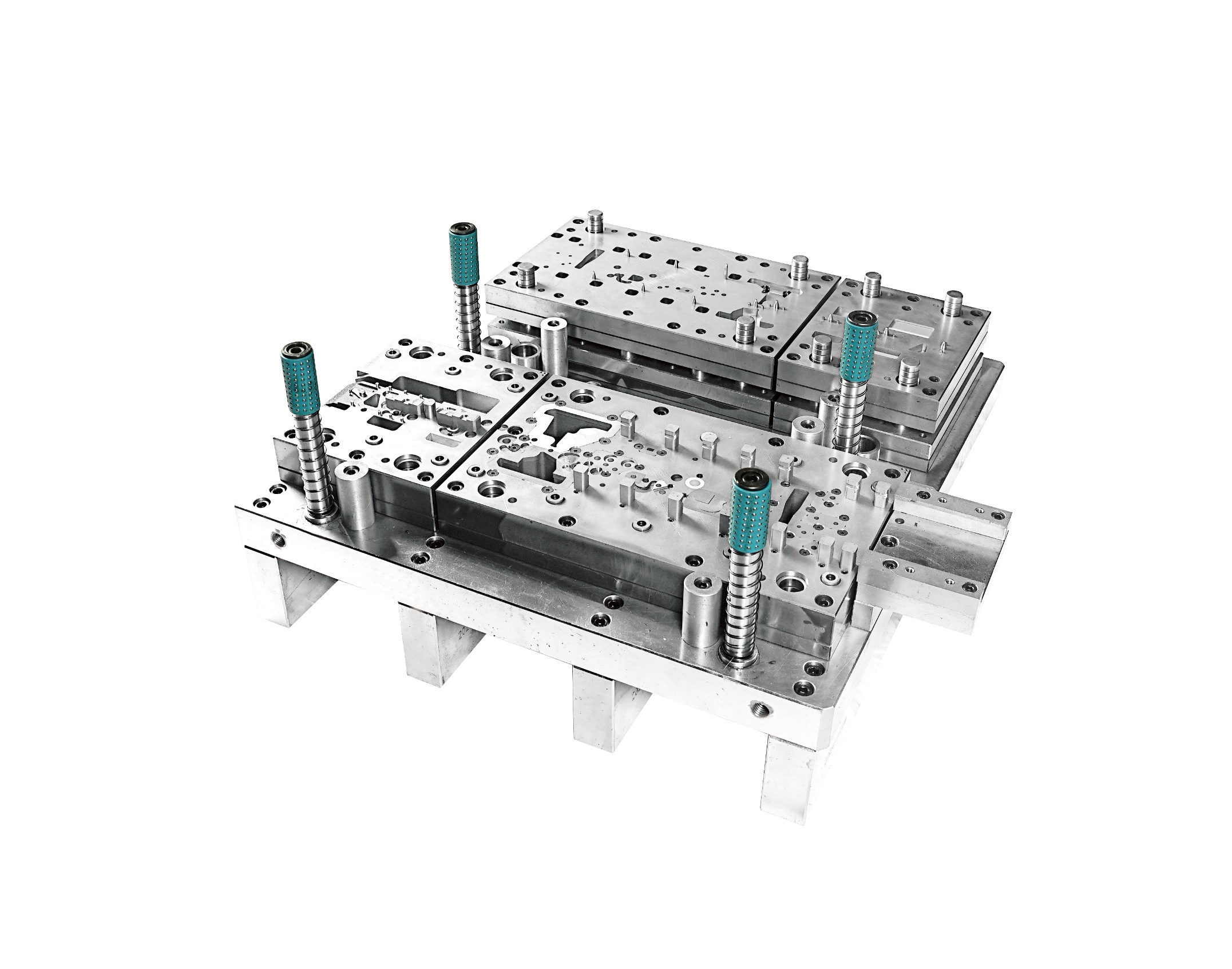
Choosing automotive metal stamping parts delivers significant cost advantages for manufacturers through efficient high-volume production capabilities that dramatically reduce per-unit costs compared to alternative manufacturing methods. The stamping process enables rapid production cycles, with some operations producing hundreds of parts per hour, directly translating to lower labor costs and faster time-to-market for vehicle programs. Material utilization reaches optimal levels as stamping dies are designed to minimize waste, and scrap metal can be recycled, contributing to both economic and environmental benefits. The consistency and precision inherent in automotive metal stamping parts eliminate costly quality issues downstream, reducing warranty claims and enhancing brand reputation. Operational benefits include exceptional repeatability, ensuring every component meets exact specifications without variation, which is critical for automated assembly lines where dimensional consistency determines production efficiency. The durability of stamped metal components provides long service life with minimal maintenance requirements, directly benefiting end users through reliable vehicle performance. Automotive metal stamping parts suit diverse applications across passenger vehicles, commercial trucks, electric vehicles, and specialty automotive segments, offering design flexibility that accommodates both simple and complex geometries. Engineers can integrate multiple functions into single stamped parts, reducing assembly steps and overall component counts. The decision to use automotive metal stamping parts becomes compelling when considering their proven track record in meeting stringent automotive safety standards, crash performance requirements, and environmental regulations. These components undergo rigorous testing protocols and quality inspections, providing manufacturers and customers with confidence in product reliability. The established supply chain infrastructure supporting automotive metal stamping parts ensures availability, technical support, and continuous improvement opportunities that drive ongoing value creation throughout the product lifecycle.

Practical Tips

Precision stamping die

17

Jul

Precision stamping die

View More
Sheet Metal Stamping Manufacturers

17

Jul

Sheet Metal Stamping Manufacturers

View More
Wide application of hardware products

17

Jul

Wide application of hardware products

View More
Progressive Dies: The Key Force Promoting Efficient and Precise Production in Modern Manufacturing

14

Aug

Progressive Dies: The Key Force Promoting Efficient and Precise Production in Modern Manufacturing

View More

Get a Free Quote

Our representative will contact you soon.
Email
WhatsApp
Name
Company Name
Message
0/1000

automotive metal stamping parts

Superior Strength-to-Weight Performance

Superior Strength-to-Weight Performance

Automotive metal stamping parts deliver exceptional strength-to-weight ratios that directly impact vehicle performance, fuel efficiency, and safety outcomes. Through precise control of material thickness, strategic placement of reinforcement features, and selection of high-strength steel grades, stamped components achieve structural integrity while minimizing mass. This characteristic proves particularly valuable as automotive manufacturers pursue aggressive weight reduction targets to meet fuel economy standards and extend electric vehicle range. The stamping process work-hardens the metal during forming, enhancing mechanical properties beyond the original material specifications. Engineers leverage this phenomenon to create components that withstand significant operational stresses, including crash loads, vibration, and thermal cycling, without premature failure. Advanced simulation tools allow optimization of automotive metal stamping parts designs before tooling investment, ensuring ideal material distribution and stress patterns. The resulting components support lightweighting initiatives without compromising occupant protection or structural durability, providing measurable value through reduced fuel consumption and lower emissions over the vehicle lifecycle while maintaining the robust performance characteristics demanded by consumers and regulatory agencies.
Design Flexibility and Integration Capabilities

Design Flexibility and Integration Capabilities

The versatility of automotive metal stamping parts enables manufacturers to consolidate multiple components into integrated assemblies, reducing complexity and assembly time while improving overall product quality. Stamping technology accommodates intricate geometries, tight tolerances, and complex three-dimensional shapes that would be difficult or impossible to achieve through other manufacturing methods. Designers can incorporate flanges, brackets, mounting tabs, and reinforcement ribs directly into stamped components, eliminating separate fasteners and reducing part counts. This integration capability extends to combining operations such as piercing, embossing, coining, and forming within a single progressive die, maximizing production efficiency. Automotive metal stamping parts support rapid design iterations and customization for different vehicle platforms while maintaining manufacturing efficiency through modular tooling approaches. The process accommodates various surface finishes, from standard mill finish to pre-coated materials, enabling direct assembly without additional finishing operations. Material gauge can be tailored to specific load requirements in different areas of the same component through blank optimization techniques. This design freedom empowers engineering teams to optimize automotive metal stamping parts for specific performance criteria, aesthetic requirements, and cost targets simultaneously, delivering competitive advantages in increasingly demanding automotive markets.
Consistent Quality and High-Volume Scalability

Consistent Quality and High-Volume Scalability

Manufacturing automotive metal stamping parts through automated stamping processes ensures remarkable consistency across millions of components, meeting the zero-defect expectations of modern automotive production systems. Precision-ground dies, servo-controlled presses, and integrated quality monitoring systems work together to maintain dimensional accuracy within microns, part after part, shift after shift. This reliability eliminates costly sorting, rework, and line disruptions that compromise production schedules and profitability. Statistical process control methods continuously monitor critical dimensions, surface quality, and material properties, triggering immediate corrective actions when variations approach specification limits. The scalability of automotive metal stamping parts production allows manufacturers to ramp volumes efficiently as demand increases, without proportional increases in labor or facility requirements. Automated material handling, progressive die technology, and high-speed press lines enable production rates that match the demands of major vehicle assembly plants. Quick die change systems minimize downtime during product transitions, maintaining high overall equipment effectiveness. The proven capability of automotive metal stamping parts to deliver consistent quality at high volumes reduces total cost of ownership for vehicle manufacturers while ensuring end customers receive reliable, precisely manufactured components that contribute to overall vehicle quality and customer satisfaction throughout the ownership experience.

Get a Free Quote

Our representative will contact you soon.
Email
WhatsApp
Name
Company Name
Message
0/1000