Custom Stamped Metal Parts - Precision Components

All Categories

custom stamped metal parts

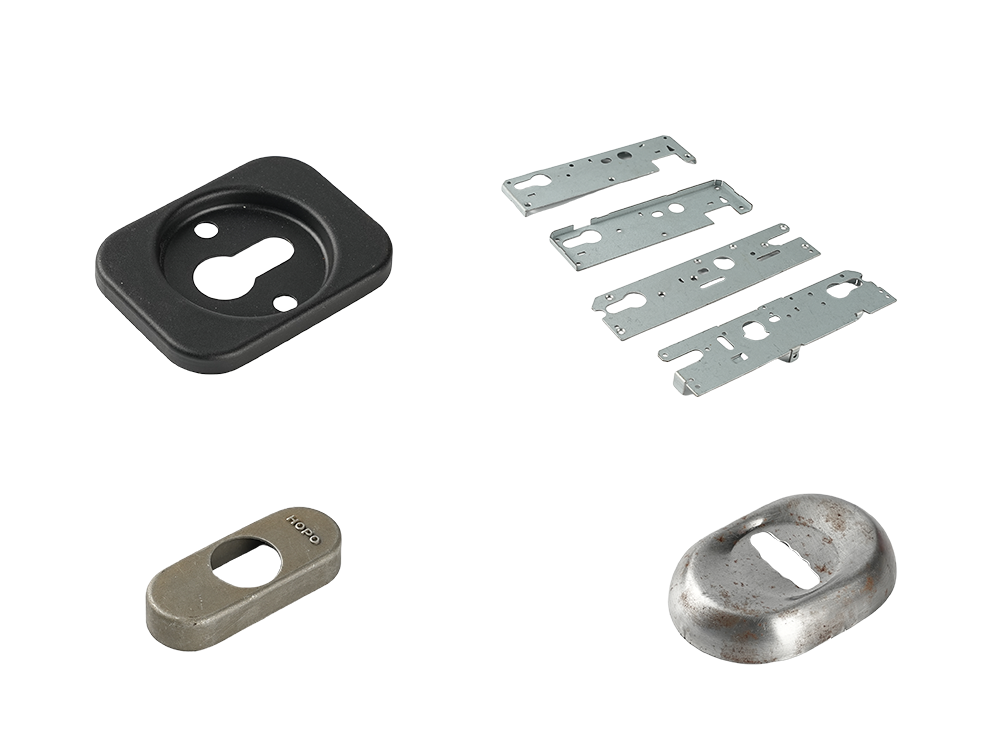
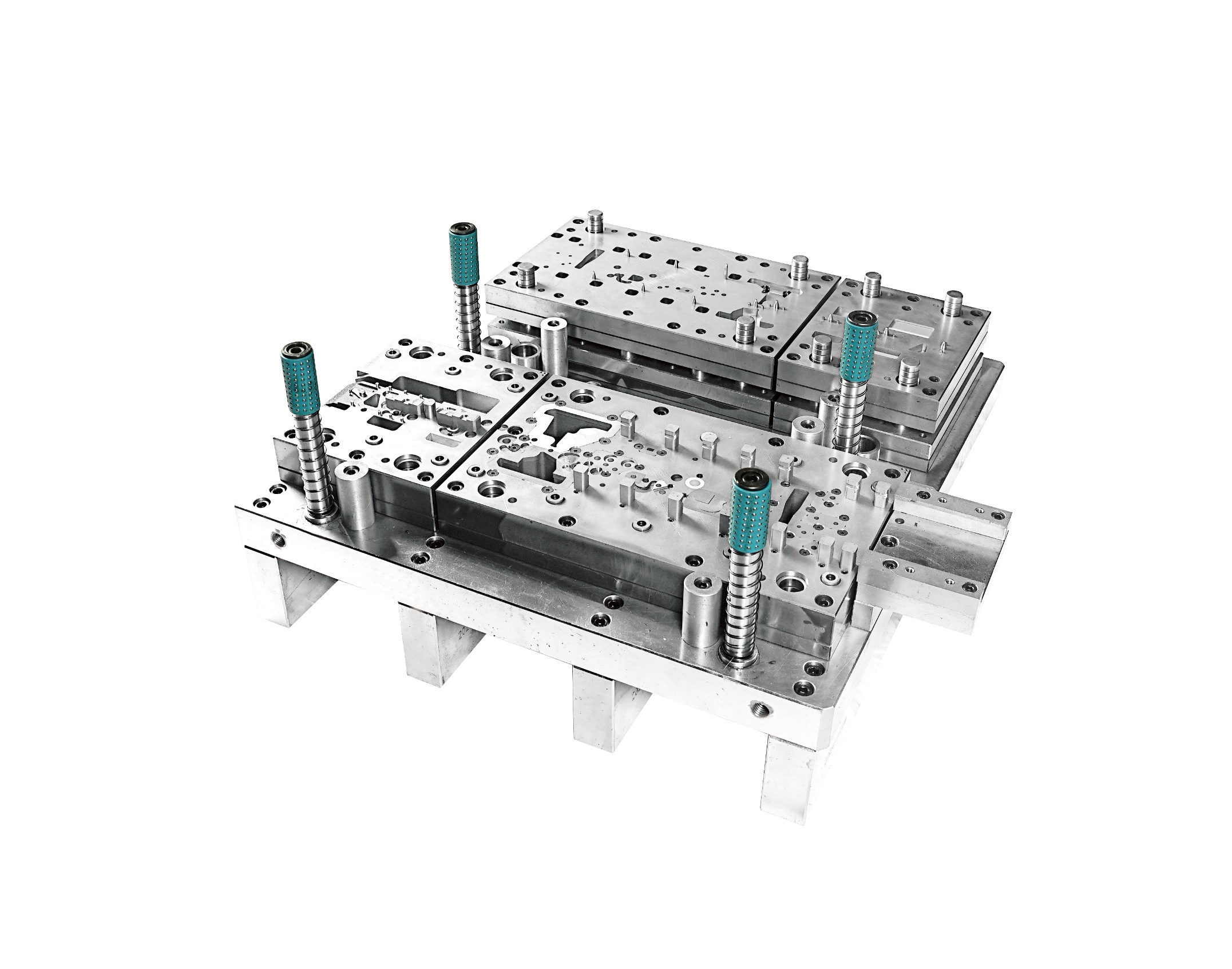
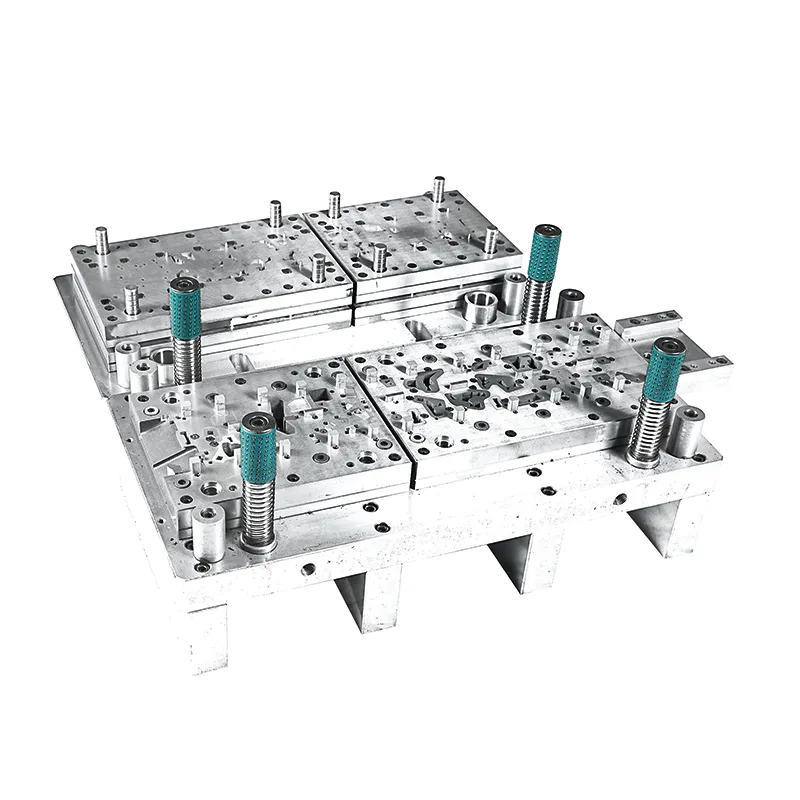
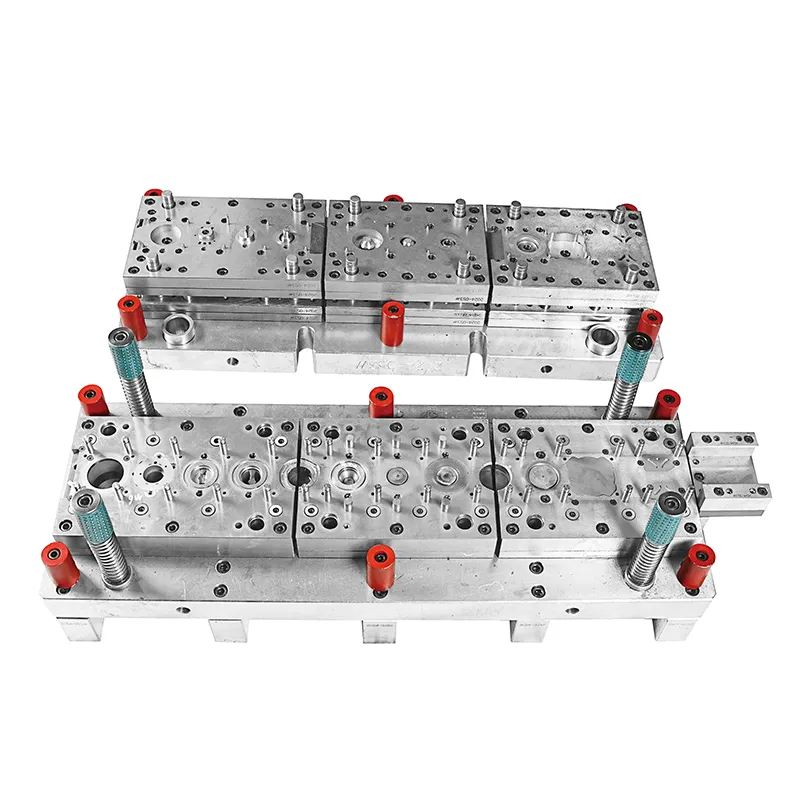
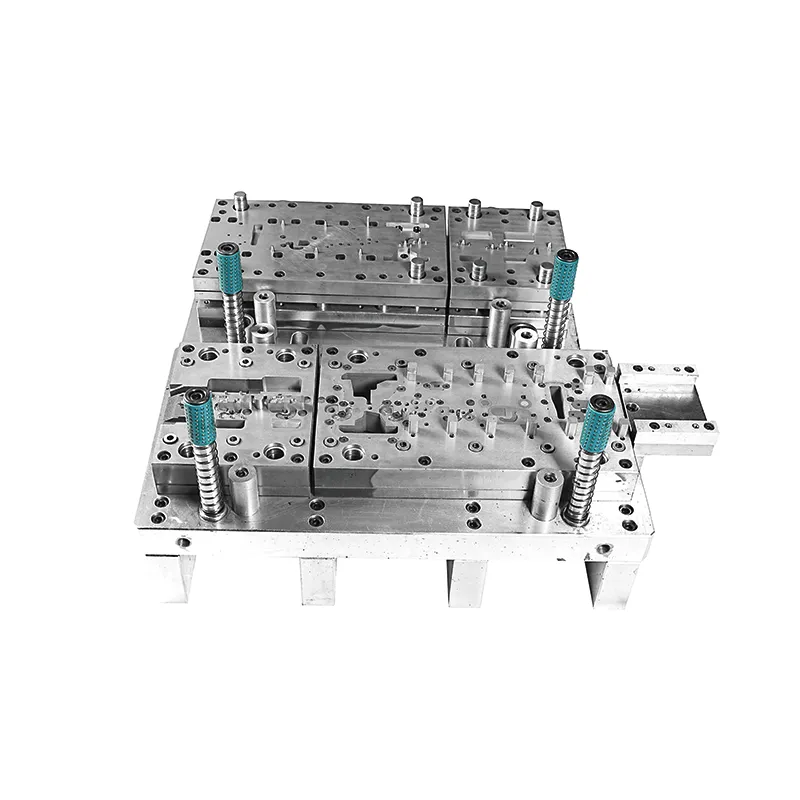
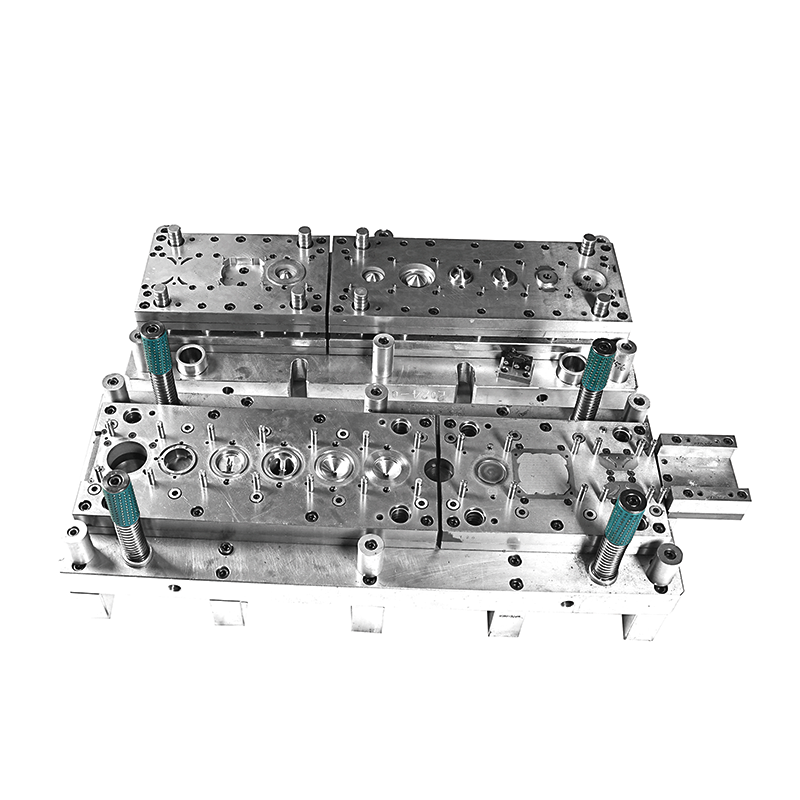
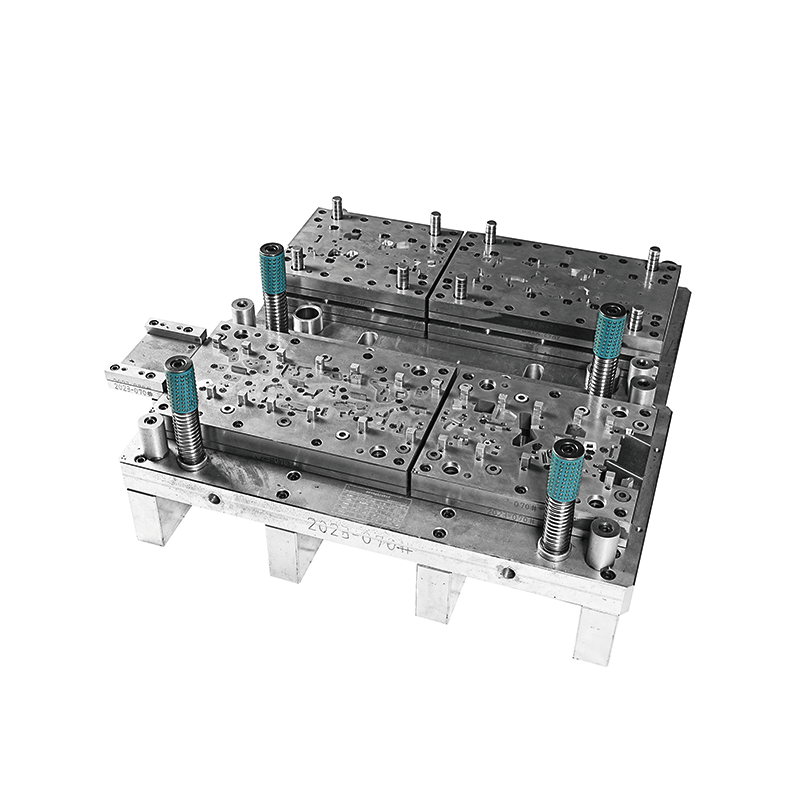
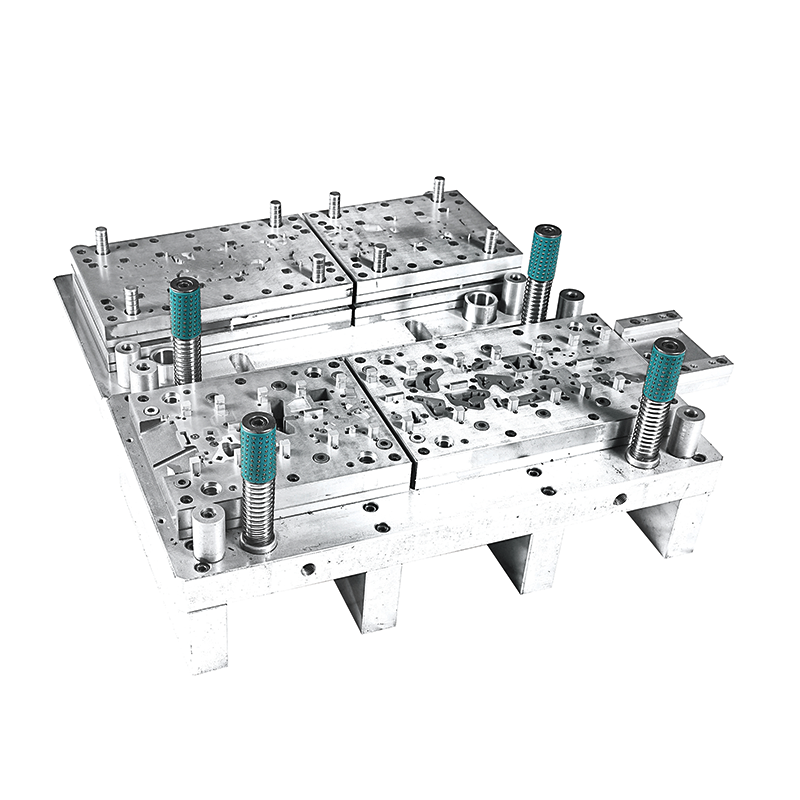
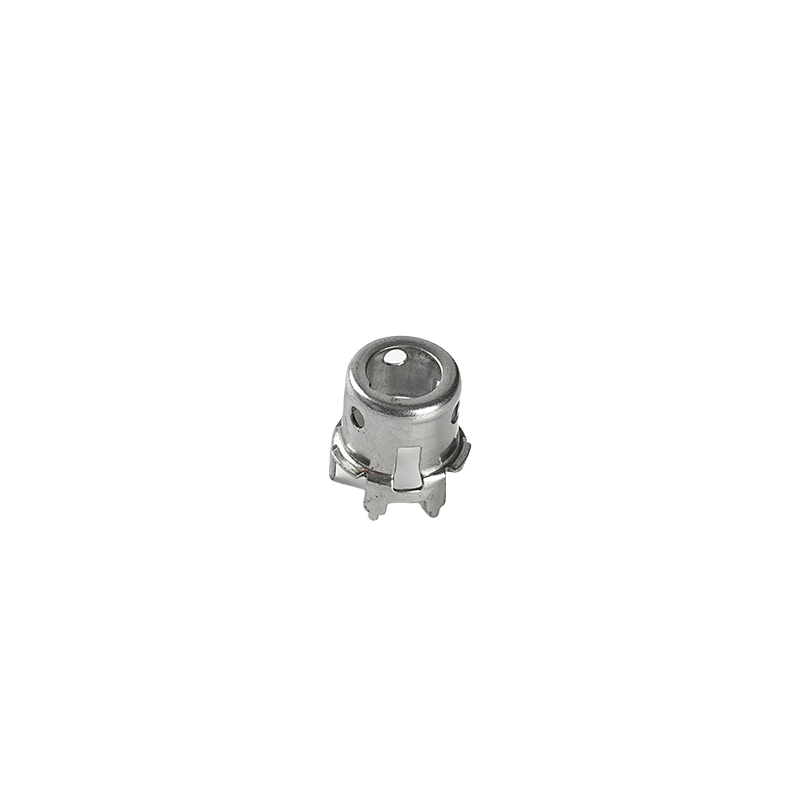
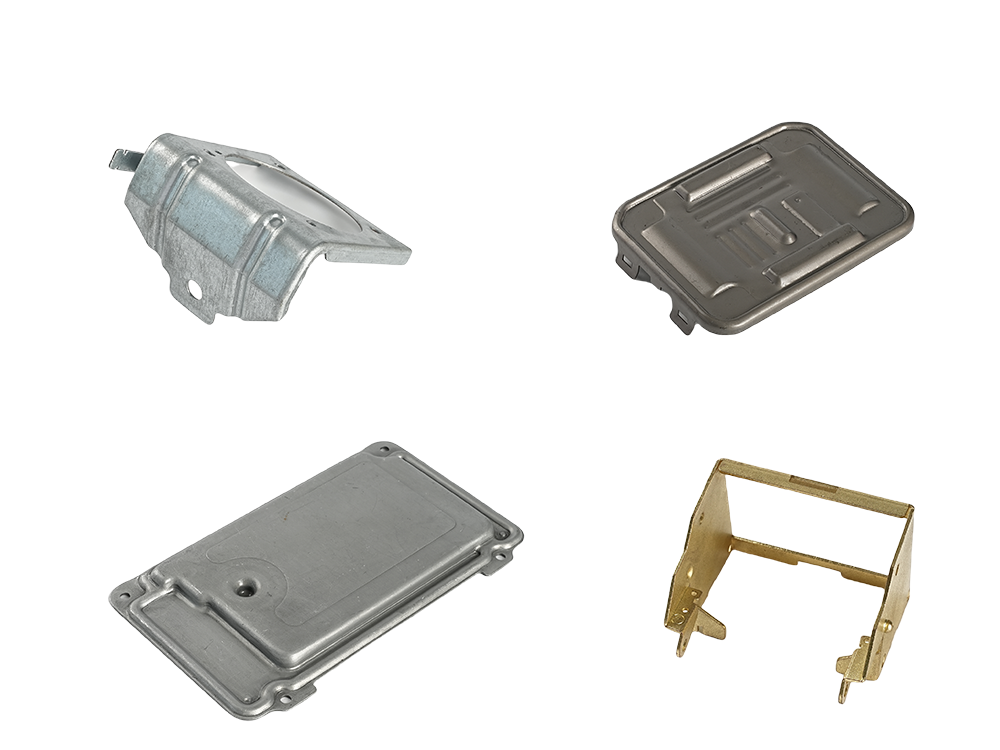
Custom stamped metal parts are precision-engineered components manufactured through a specialized metal stamping process that transforms flat metal sheets into specific shapes and configurations. This manufacturing method utilizes high-tonnage presses and custom-designed dies to cut, bend, emboss, and form metal materials into exact specifications required by clients across diverse industries. The core function of custom stamped metal parts lies in their ability to deliver consistent, high-volume production of metal components with exceptional dimensional accuracy and repeatability. These parts serve critical roles in automotive assemblies, electronic enclosures, aerospace structures, medical devices, appliance manufacturing, and telecommunications equipment. The technological features of custom stamped metal parts include tight tolerance capabilities ranging from standard to micro-precision levels, material versatility spanning steel, aluminum, copper, brass, and specialty alloys, and surface finish options including plating, powder coating, and anodizing. Advanced stamping technologies enable complex geometries, integrated fastening features, and multi-stage progressive die operations that reduce assembly requirements. Custom stamped metal parts applications extend from structural brackets and mounting plates to intricate electrical contacts and decorative trim pieces. The customization aspect allows engineers to specify exact dimensions, material properties, hole patterns, and finishing requirements tailored to their unique application demands, ensuring optimal fit, function, and performance within the final product assembly.

Popular Products

Choosing custom stamped metal parts delivers significant cost advantages through efficient material utilization and high-speed production capabilities that dramatically reduce per-unit costs in medium to high-volume manufacturing runs. The stamping process minimizes material waste compared to machining operations, translating directly into lower raw material expenses and environmental benefits for your operation. Production speed represents another substantial benefit, as stamping presses can produce hundreds or thousands of custom stamped metal parts per hour once tooling is established, accelerating your time-to-market and meeting aggressive production schedules. Quality consistency stands as a fundamental advantage, with each stamped component replicating the die specifications with remarkable precision, eliminating the variation often encountered in manual fabrication methods and ensuring every part meets your exact requirements. The structural integrity of custom stamped metal parts exceeds many alternative manufacturing methods because the stamping process work-hardens the metal, enhancing strength and durability without additional heat treatment steps. Design flexibility allows you to incorporate features like embossed ribs, formed louvers, integrated mounting tabs, and complex contours directly into the stamping operation, reducing secondary operations and assembly time. Custom stamped metal parts accommodate rapid design iterations through tooling modifications, enabling you to refine products based on testing feedback without completely restarting the manufacturing setup. The broad material selection available for stamping operations means you can optimize component performance by selecting metals with specific properties like corrosion resistance, electrical conductivity, magnetic characteristics, or weight reduction, matching the material precisely to your application environment and functional requirements while maintaining cost effectiveness across your production lifecycle.

Tips And Tricks

Sheet Metal Stamping Manufacturers

17

Jul

Sheet Metal Stamping Manufacturers

View More
Wide application of hardware products

17

Jul

Wide application of hardware products

View More
Progressive Dies: The Key Force Promoting Efficient and Precise Production in Modern Manufacturing

14

Aug

Progressive Dies: The Key Force Promoting Efficient and Precise Production in Modern Manufacturing

View More
Industry Trends Analysis: Precision Stamping & Mold Manufacturing 2026

22

Apr

Industry Trends Analysis: Precision Stamping & Mold Manufacturing 2026

View More

Get a Free Quote

Our representative will contact you soon.
Email
WhatsApp
Name
Company Name
Message
0/1000

custom stamped metal parts

Exceptional Precision and Repeatability

Exceptional Precision and Repeatability

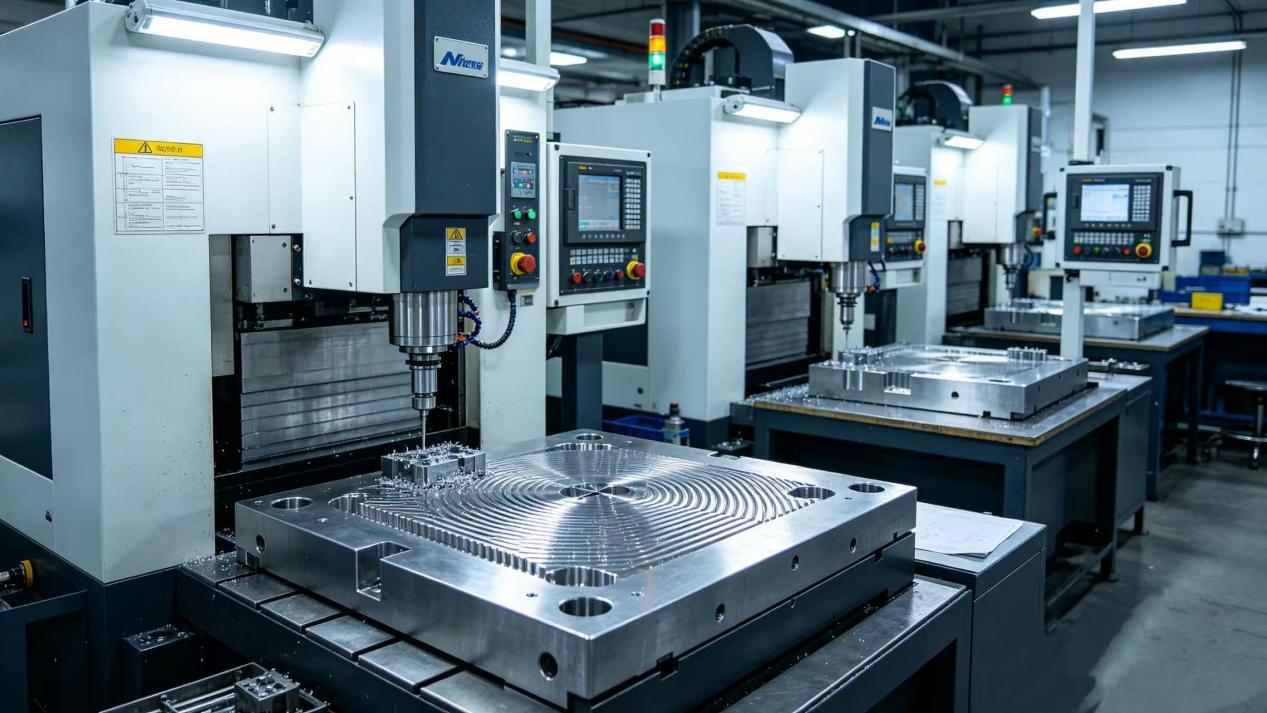
Custom stamped metal parts deliver unmatched dimensional accuracy that ensures perfect fit and function across thousands or millions of production units. The stamping process relies on precision-ground dies manufactured to exacting tolerances, typically within 0.001 to 0.005 inches depending on part complexity and material thickness. This precision tooling creates components with consistent hole spacing, bend angles, edge conditions, and overall dimensions that remain stable throughout extended production runs. Unlike manual fabrication or less controlled processes, custom stamped metal parts maintain their specifications without drift or variation, eliminating costly sorting, rework, or rejection of out-of-specification components. This repeatability proves especially valuable in assemblies requiring interchangeable parts, automated assembly operations, or strict quality certifications. Manufacturing engineers benefit from predictable component dimensions that simplify fixture design, reduce assembly adjustment time, and improve overall product quality. The inherent accuracy of custom stamped metal parts reduces the need for secondary machining operations, lowering total production costs while maintaining the tight tolerances demanded by modern engineering applications across automotive, electronics, medical device, and industrial equipment sectors.
Rapid Production with Scalable Volume Flexibility

Rapid Production with Scalable Volume Flexibility

Custom stamped metal parts excel in delivering fast production cycles that compress lead times and respond quickly to changing market demands. Modern stamping operations achieve cycle times measured in seconds per part, with progressive dies producing complete components in a single press stroke, dramatically outpacing alternative manufacturing methods like machining, casting, or additive manufacturing. This speed advantage becomes increasingly significant as production volumes scale from prototype quantities through full-scale manufacturing runs. The tooling investment for custom stamped metal parts provides long-term value by supporting production volumes ranging from several thousand to millions of parts without tooling replacement, offering excellent return on investment for established product lines. Manufacturers gain operational flexibility to adjust production quantities based on demand forecasts, seasonal variations, or just-in-time inventory strategies without sacrificing unit economics. The quick changeover capabilities of modern stamping equipment allow efficient transitions between different custom stamped metal parts designs, supporting diverse product portfolios within the same manufacturing facility. This production agility helps companies respond to customer requirements, launch new products rapidly, and maintain competitive advantage in dynamic market conditions.
Superior Strength-to-Weight Performance

Superior Strength-to-Weight Performance

Custom stamped metal parts achieve exceptional structural performance through the inherent characteristics of the stamping process that enhances material properties while maintaining minimal component weight. The cold-working action of stamping operations work-hardens the metal grain structure, increasing yield strength and tensile properties beyond the original material specifications without requiring additional heat treatment or processing steps. This strength enhancement occurs naturally during the forming process as metal flows through the die cavities, creating components that resist deformation, fatigue, and stress concentrations better than annealed or soft-state materials. Engineers can design custom stamped metal parts with strategic reinforcement features like embossed ribs, formed channels, and geometrically optimized cross-sections that maximize stiffness while minimizing material thickness and overall weight. This strength-to-weight optimization proves critical in automotive applications seeking fuel efficiency improvements, aerospace components with strict weight budgets, and portable electronics requiring durability without bulk. The stamping process allows precise material placement only where structural demands require it, eliminating unnecessary mass and reducing component costs. Custom stamped metal parts provide design engineers with powerful tools to balance strength requirements, weight constraints, and cost targets within a single manufacturing operation.

Get a Free Quote

Our representative will contact you soon.
Email
WhatsApp
Name
Company Name
Message
0/1000