Custom Stamping Parts - Precision Metal Components

All Categories

custom stamping parts

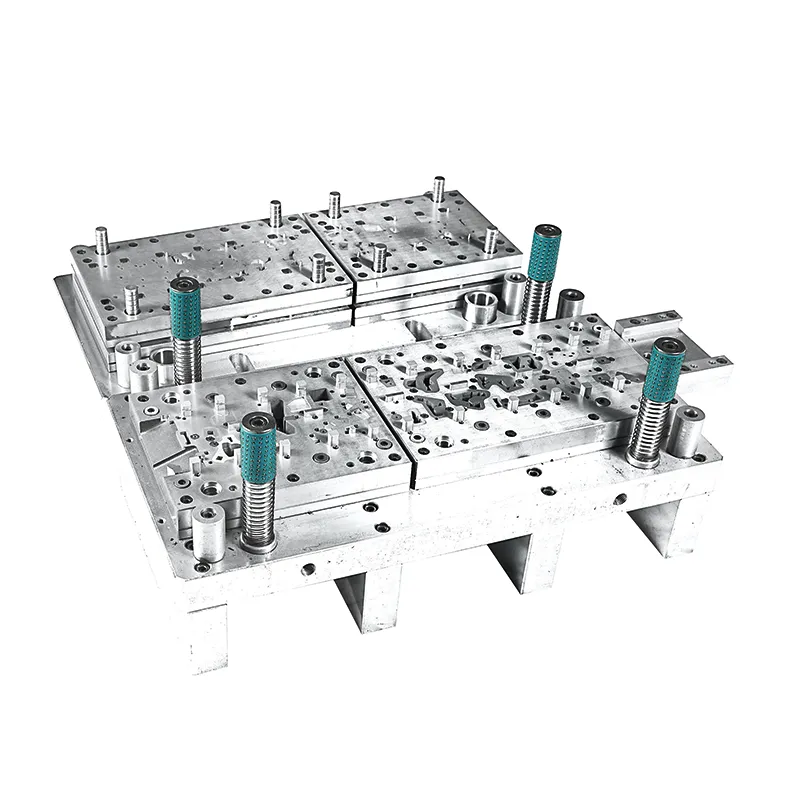
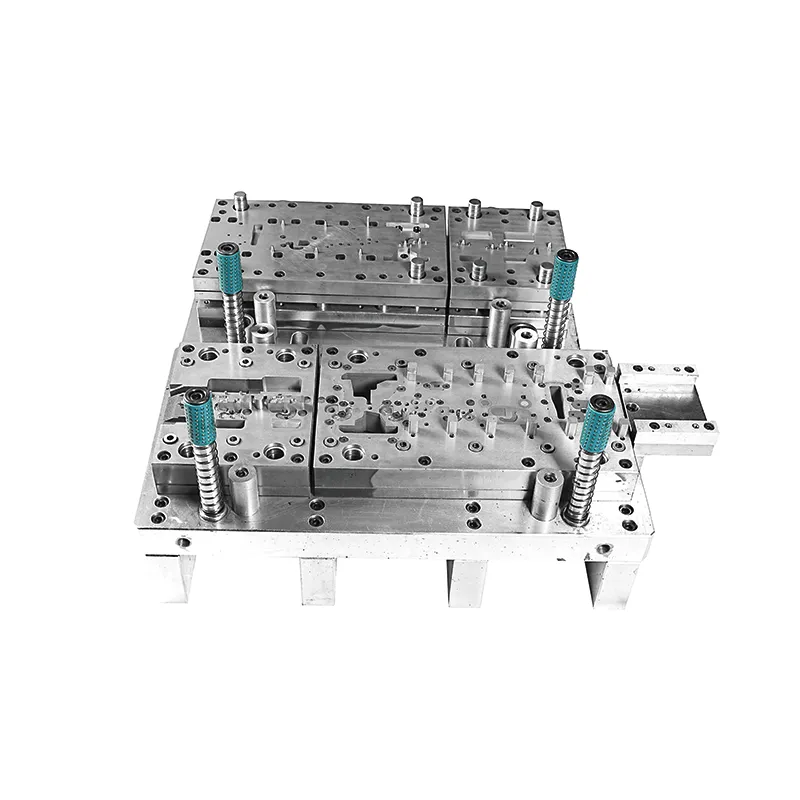
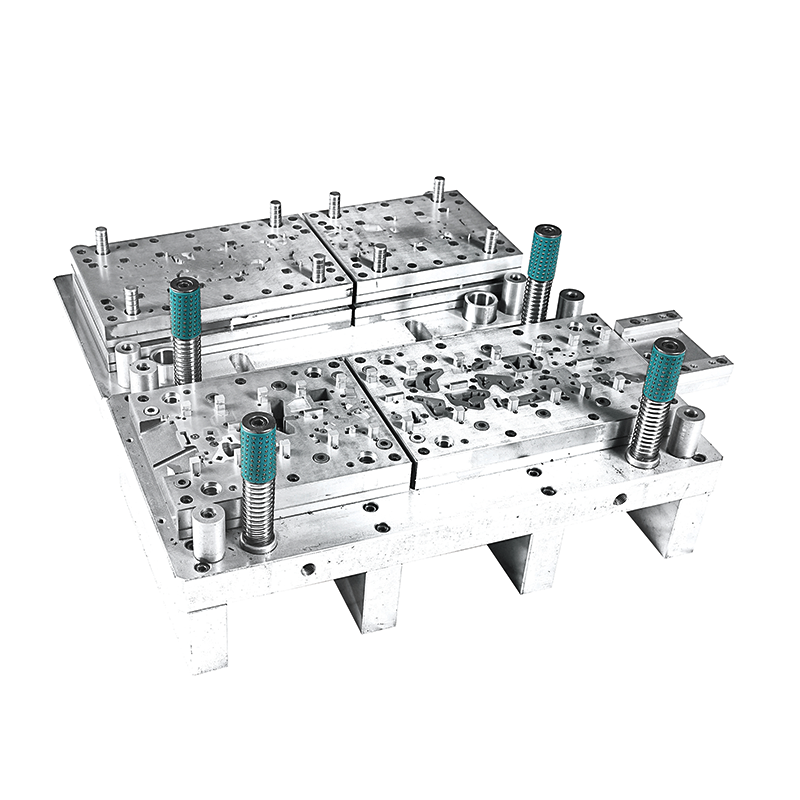
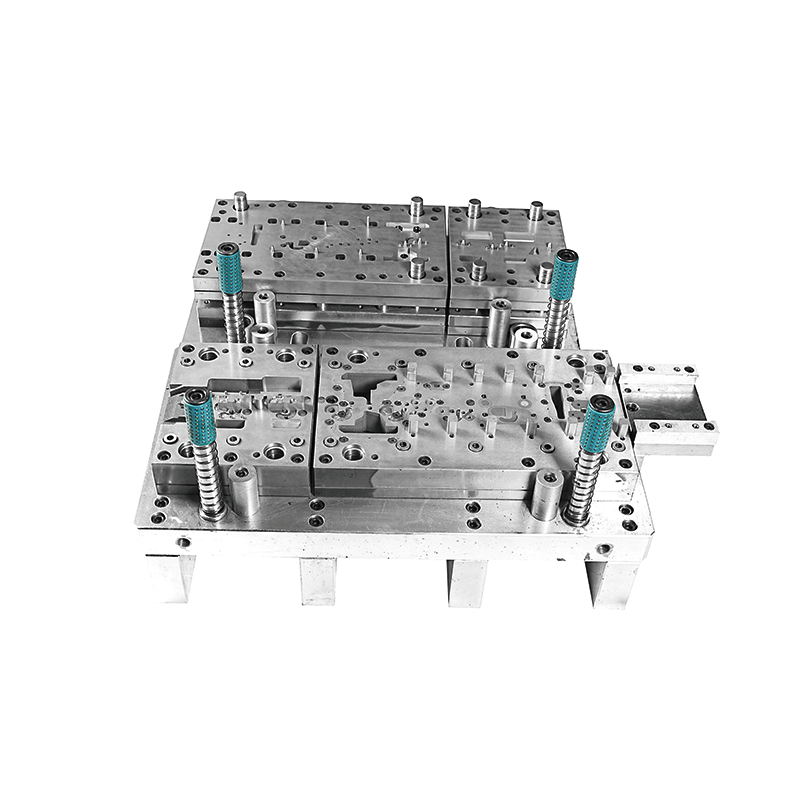
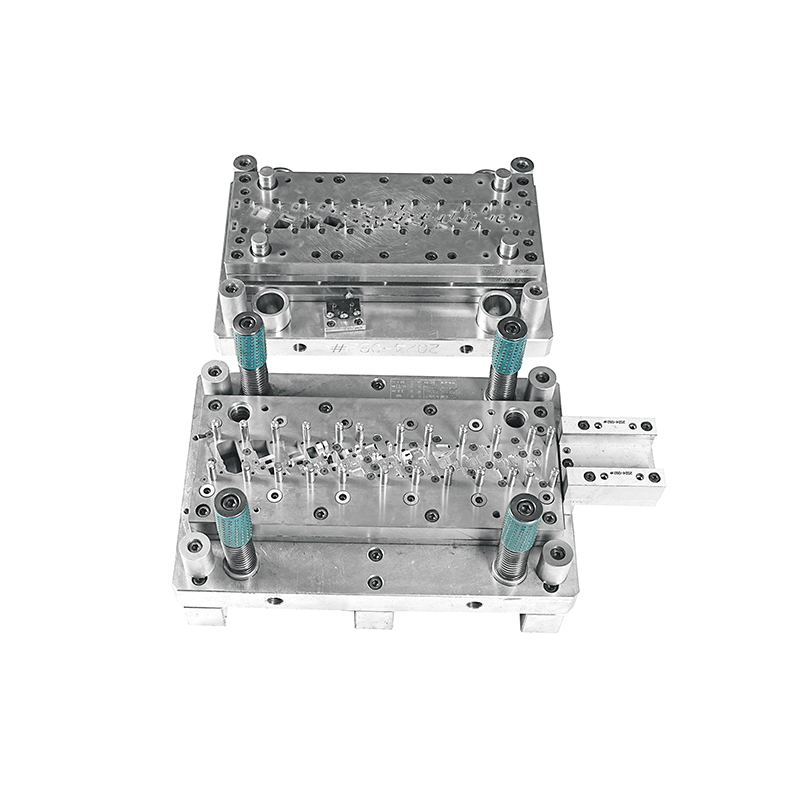
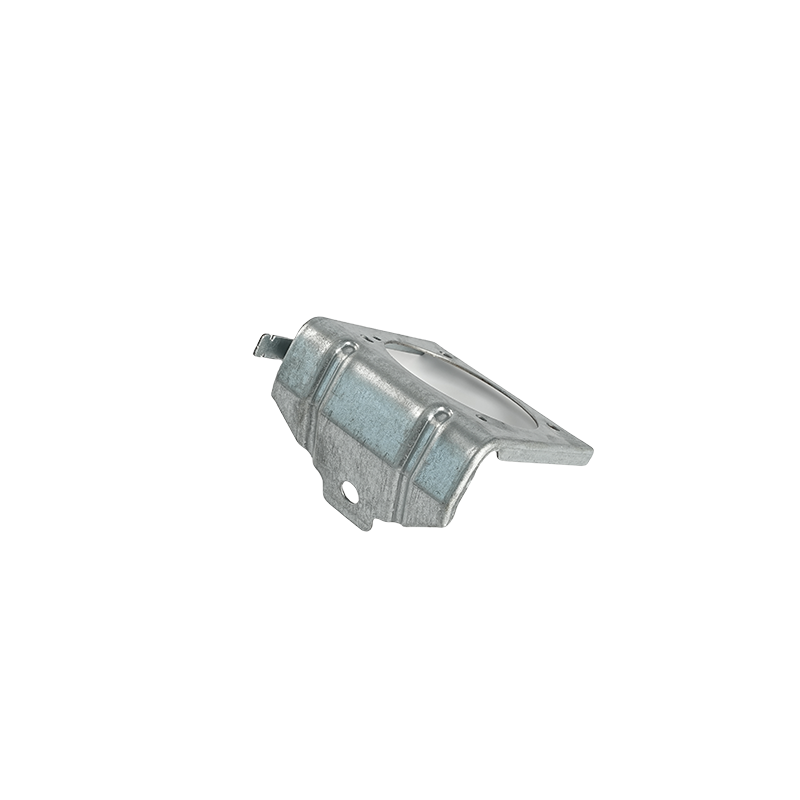
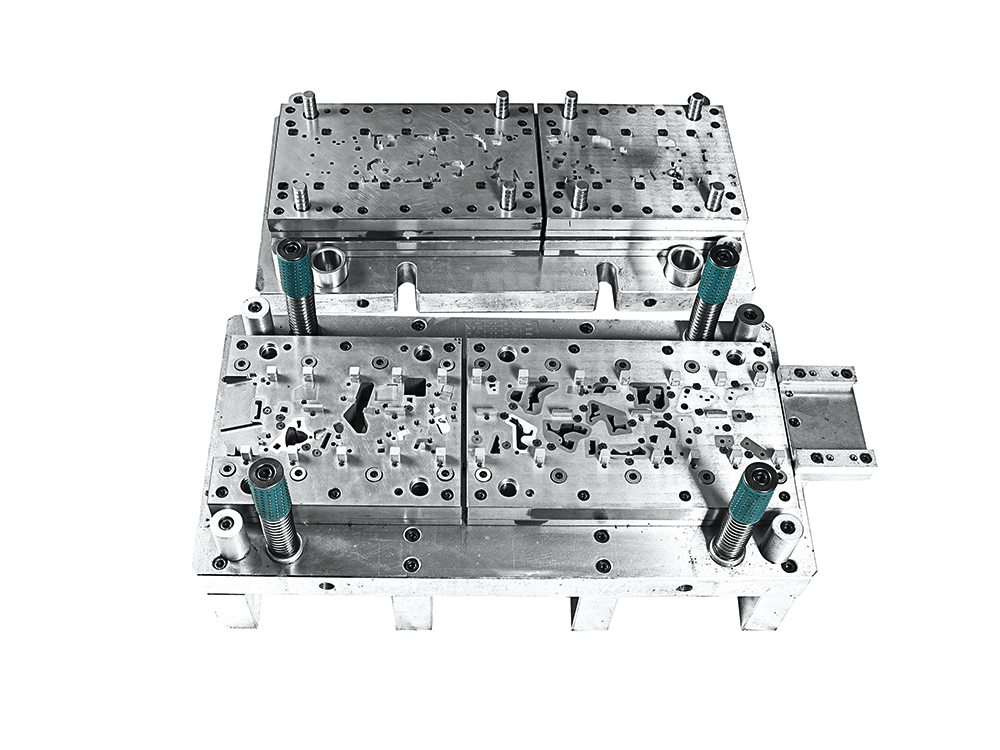
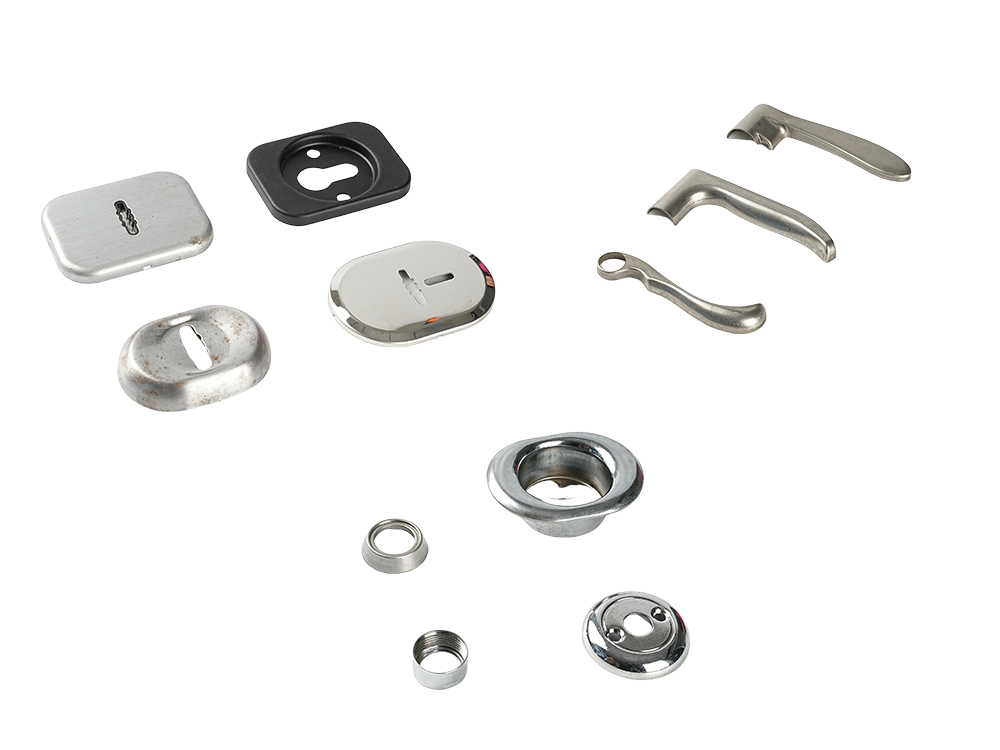
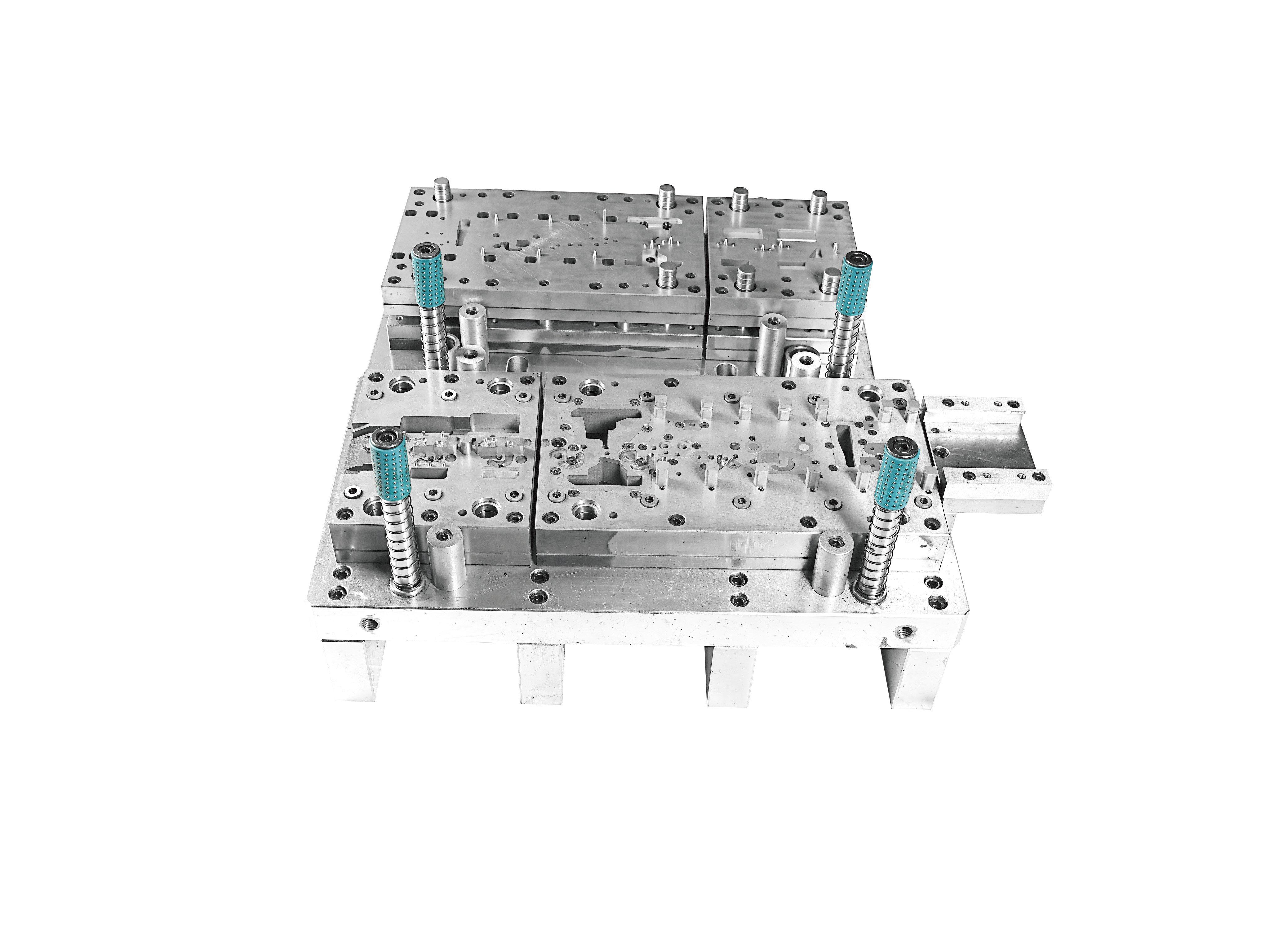
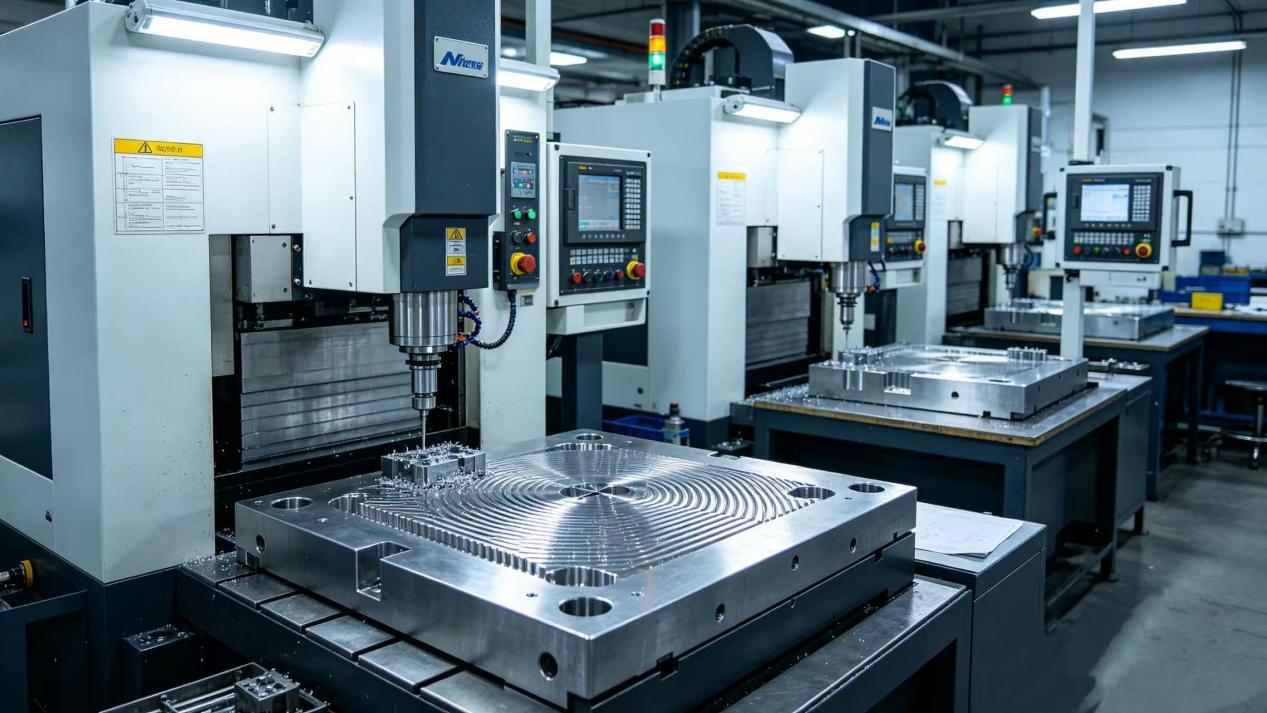
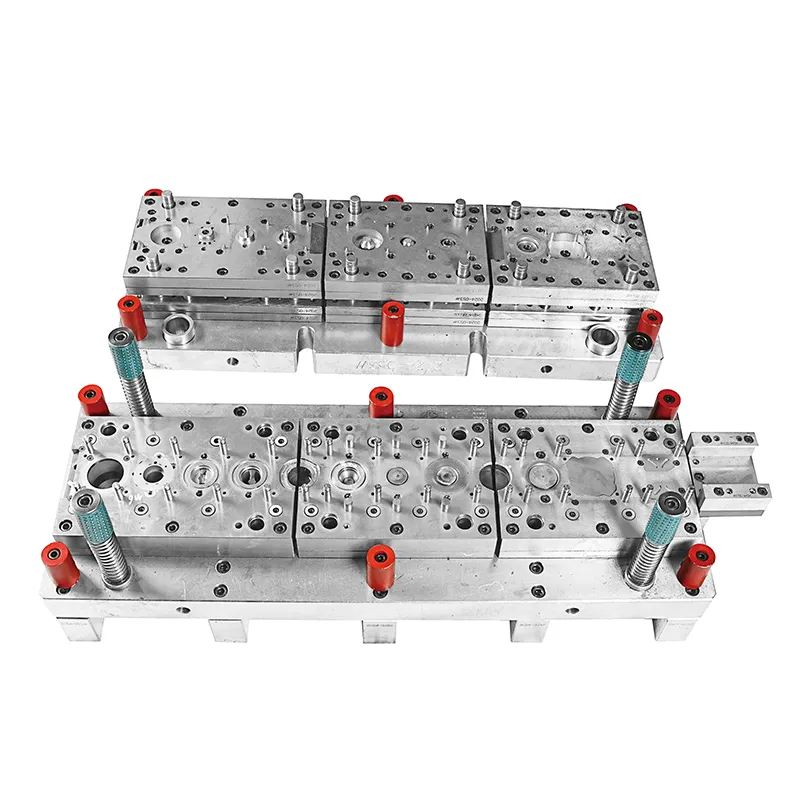
Custom stamping parts are precision-engineered metal components manufactured through a specialized process that transforms flat metal sheets into specific shapes and configurations. This manufacturing method utilizes high-pressure dies and presses to cut, bend, punch, and form metal materials according to exact specifications. Custom stamping parts serve as critical components across countless industries, delivering the precise dimensions and consistent quality required for modern manufacturing operations. The process accommodates various metals including steel, aluminum, copper, brass, and stainless steel, each selected based on the application requirements. These components range from simple brackets and clips to complex automotive parts and electronic enclosures. The technology behind custom stamping parts combines advanced CAD design, precision tooling, and automated production systems to ensure repeatability and accuracy. Manufacturers can produce custom stamping parts in volumes ranging from prototype quantities to millions of units, making this solution suitable for businesses of all sizes. The versatility of this manufacturing approach allows for incorporating multiple features such as holes, threads, embossing, and complex geometries in a single operation. Custom stamping parts find applications in automotive manufacturing, electronics assembly, appliances, aerospace components, medical devices, telecommunications equipment, and construction hardware. The ability to customize dimensions, materials, finishes, and tolerances makes these parts indispensable for companies seeking reliable, cost-effective solutions for their specific component needs while maintaining strict quality standards throughout production.
New Products

Investing in custom stamping parts delivers significant cost savings compared to alternative manufacturing methods, particularly when producing medium to high volumes. The process eliminates extensive machining time and reduces material waste, translating directly into lower per-unit costs for your business. You gain exceptional consistency across production runs, ensuring every part meets identical specifications without variation, which reduces assembly problems and quality control expenses. Custom stamping parts offer remarkable design flexibility, allowing you to incorporate multiple features and functions into a single component, thereby reducing assembly steps and labor costs in your manufacturing process. The rapid production capabilities mean you receive components faster, helping you meet tight deadlines and respond quickly to market demands. Durability stands as another major advantage, as the stamping process often strengthens the metal through work hardening, resulting in components that withstand demanding operational conditions. You benefit from working with experienced manufacturers who provide design assistance, helping optimize your parts for manufacturability and performance before production begins. The scalability of custom stamping parts means you can start with smaller quantities for testing and market introduction, then seamlessly transition to higher volumes without retooling or redesigning. Material versatility allows you to select the optimal metal for your specific application requirements, balancing factors like strength, weight, corrosion resistance, and conductivity. Surface finishing options including plating, coating, and painting enhance functionality and appearance while protecting against environmental factors. The precision achievable with custom stamping parts ensures proper fit and function in assemblies, reducing rejection rates and warranty claims. Long tool life means your initial investment in custom dies delivers value across extended production runs, further improving your overall cost efficiency and return on investment.

Latest News

Precision stamping die

17

Jul

Precision stamping die

View More
Metal stamping parts

17

Jul

Metal stamping parts

View More
Various applications of precision molds

17

Jul

Various applications of precision molds

View More
Industry Trends Analysis: Precision Stamping & Mold Manufacturing 2026

22

Apr

Industry Trends Analysis: Precision Stamping & Mold Manufacturing 2026

View More

Get a Free Quote

Our representative will contact you soon.
Email
WhatsApp
Name
Company Name
Message
0/1000

custom stamping parts

Precision Engineering and Dimensional Accuracy

Precision Engineering and Dimensional Accuracy

Custom stamping parts deliver unmatched precision and dimensional accuracy that critical applications demand. Modern stamping facilities utilize computer-controlled presses and precision-ground dies that maintain tolerances as tight as plus or minus 0.001 inches, ensuring each component matches your exact specifications. This level of accuracy proves essential for parts that must interface with other components in complex assemblies, where even minor variations can cause fit problems or functional failures. The precision inherent in custom stamping parts eliminates the need for secondary operations like grinding or machining in many applications, reducing your total production costs and lead times. Advanced measurement systems verify dimensions throughout production, catching any deviations immediately and maintaining consistent quality. The combination of rigid tooling, calibrated equipment, and quality control protocols ensures that the first part and the millionth part maintain identical specifications. This reliability becomes particularly valuable in industries like automotive and aerospace where safety and performance depend on component precision. You gain confidence knowing that custom stamping parts will function correctly in your application without requiring extensive inspection or sorting operations before use.
Rapid Production and Volume Scalability

Rapid Production and Volume Scalability

Custom stamping parts excel in delivering fast production cycles and seamless scalability from prototype to mass production. High-speed stamping presses can produce hundreds or thousands of parts per hour, dramatically reducing your time-to-market compared to alternative manufacturing methods. This speed advantage becomes crucial when you face tight production schedules or need to respond quickly to customer demands. The progressive die stamping approach allows multiple operations to occur simultaneously, creating complex parts in seconds rather than minutes or hours required by machining processes. Custom stamping parts production scales efficiently as your volume requirements grow, with minimal setup changes needed to increase output. You avoid the common problem of finding different suppliers or switching manufacturing methods as your business expands, maintaining consistency in quality and specifications throughout your growth. The economic advantages multiply with volume, as the per-part cost decreases significantly when producing larger quantities. Even with lower volumes, custom stamping parts often prove cost-competitive while offering superior consistency. Manufacturers can accommodate rush orders and expedited timelines thanks to the inherent speed of the stamping process, providing flexibility when unexpected demand spikes occur or production schedules accelerate.
Material Efficiency and Environmental Benefits

Material Efficiency and Environmental Benefits

Custom stamping parts manufacturing demonstrates exceptional material efficiency that benefits both your bottom line and environmental sustainability goals. The process optimizes material usage through careful nesting of part layouts on metal coils or sheets, minimizing scrap and waste compared to machining operations that remove significant material. Progressive dies can achieve material utilization rates exceeding 80 percent, meaning the majority of purchased metal becomes finished components rather than waste. The metal scrap generated during custom stamping parts production remains fully recyclable, returning to the supply chain rather than ending up in landfills. This closed-loop approach reduces environmental impact while recovering material value. Stamping requires less energy per part than casting or machining processes, contributing to lower carbon emissions and operating costs. The elimination of cutting fluids and coolants in many stamping operations further reduces environmental concerns and disposal costs associated with contaminated liquids. You benefit from reduced material costs through efficient usage while simultaneously supporting corporate sustainability initiatives. Lightweight designs achievable through stamping contribute to energy efficiency in end products, particularly important in automotive and aerospace applications where weight reduction directly improves fuel economy and performance.

Get a Free Quote

Our representative will contact you soon.
Email
WhatsApp
Name
Company Name
Message
0/1000