Metal Stamping Tooling - Precision Dies & Tools

All Categories

metal stamping tooling

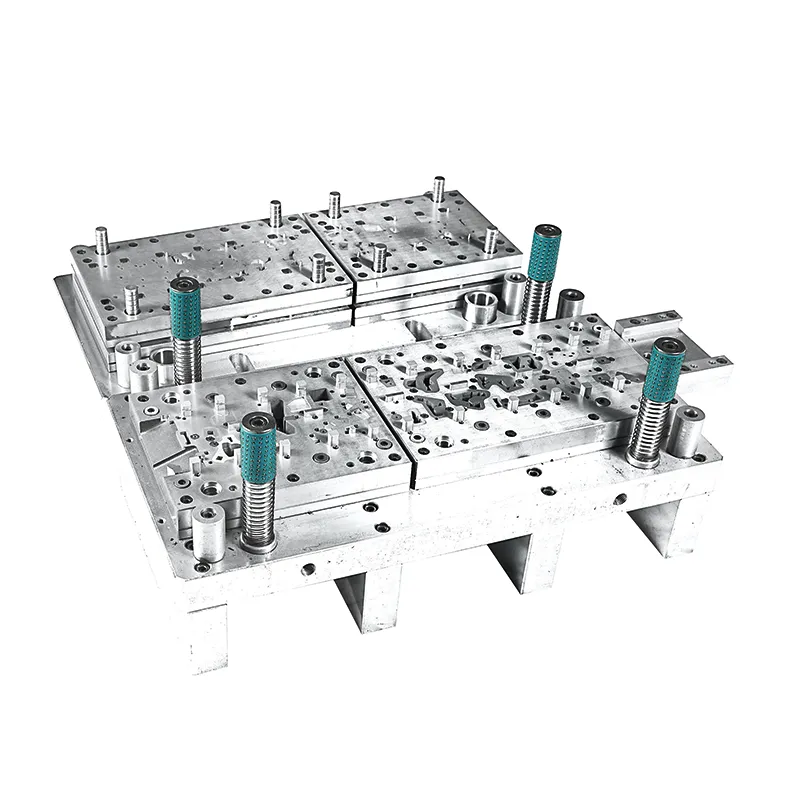
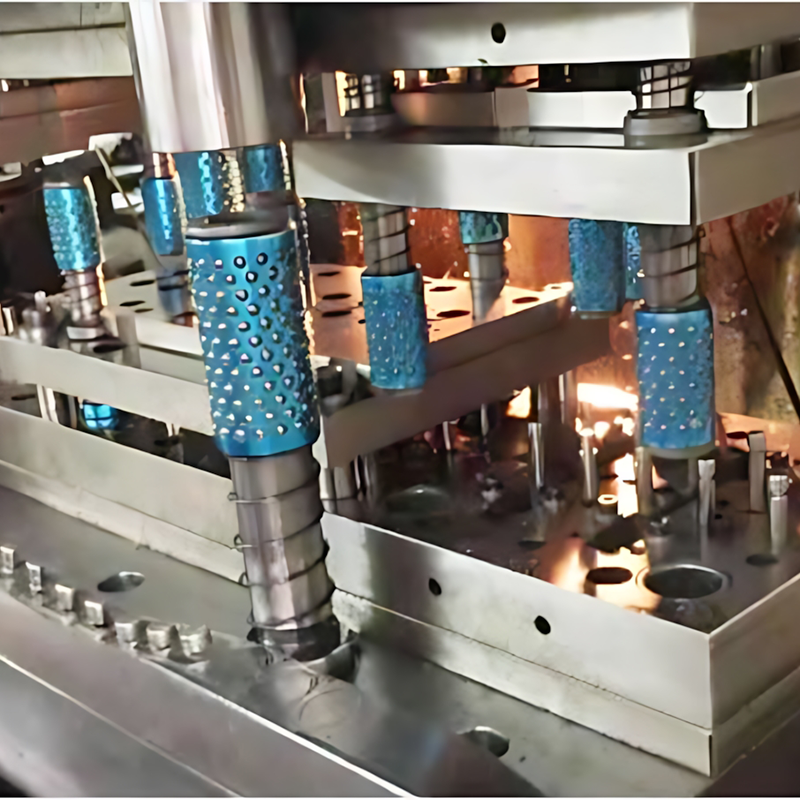
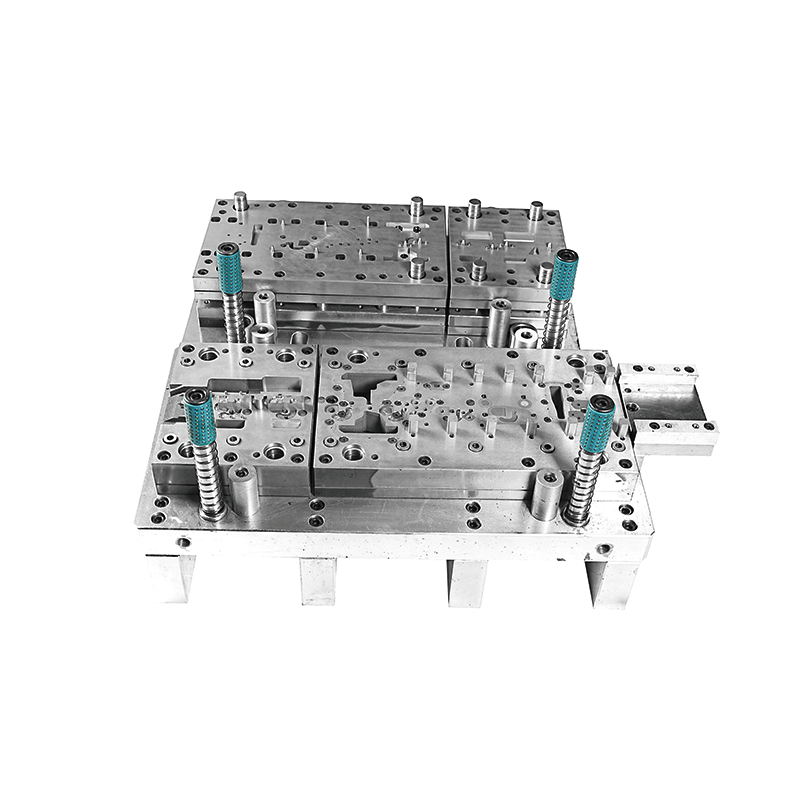
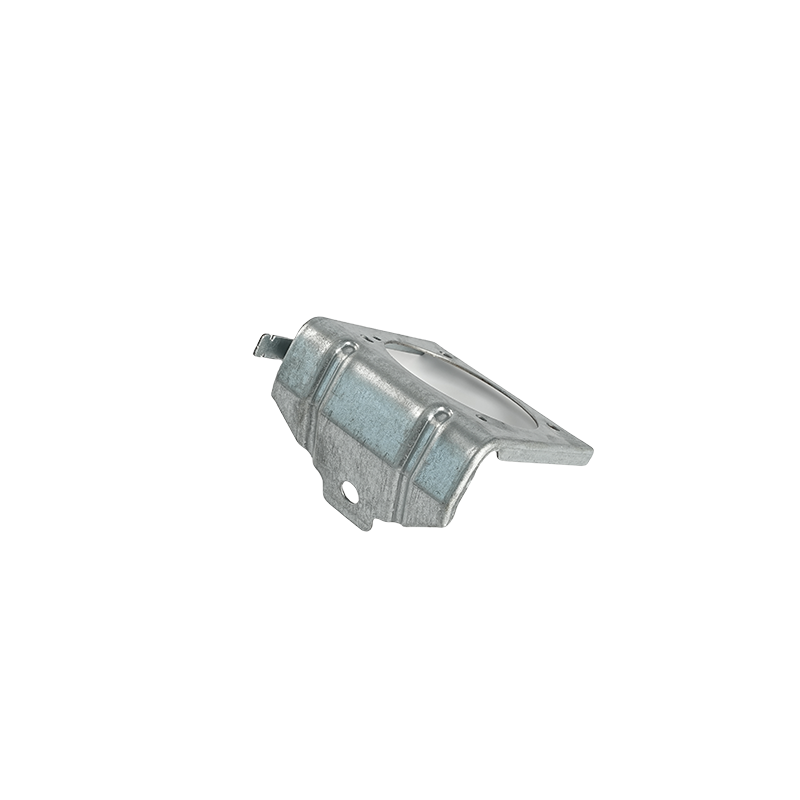
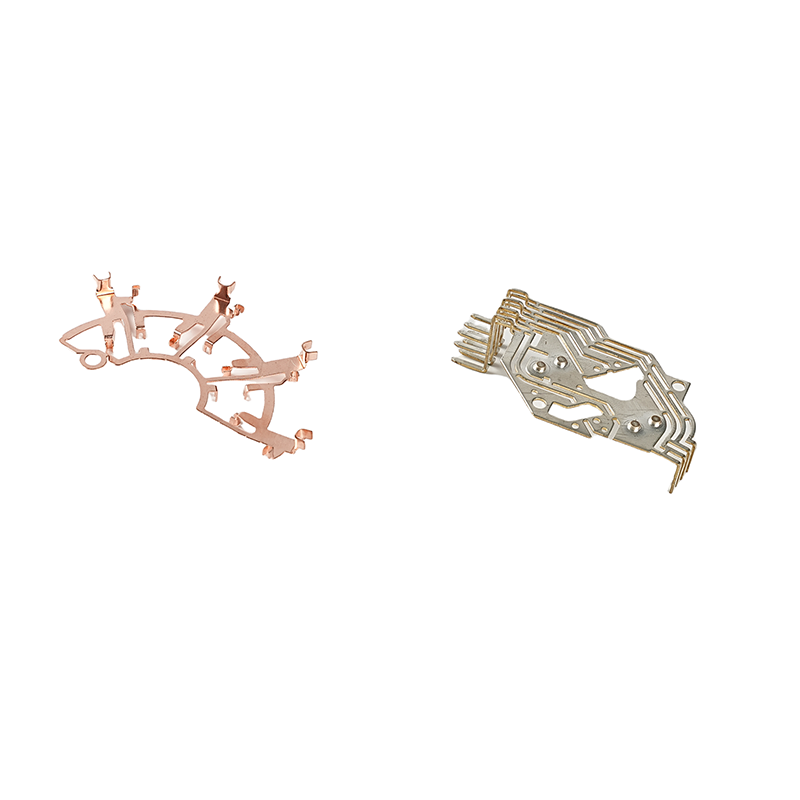
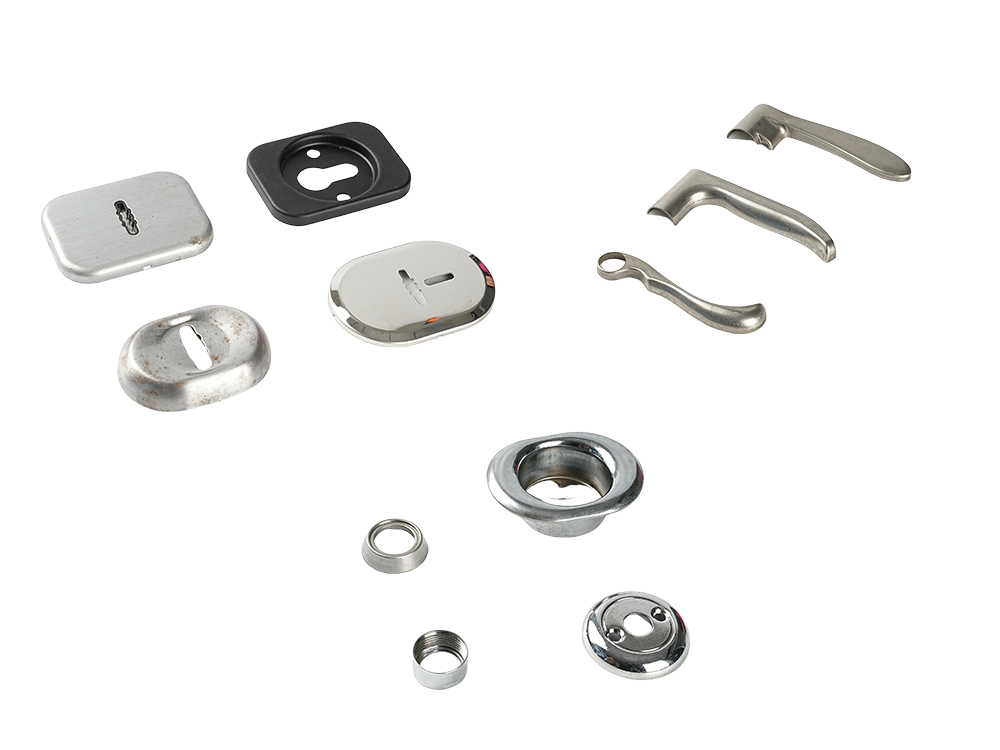
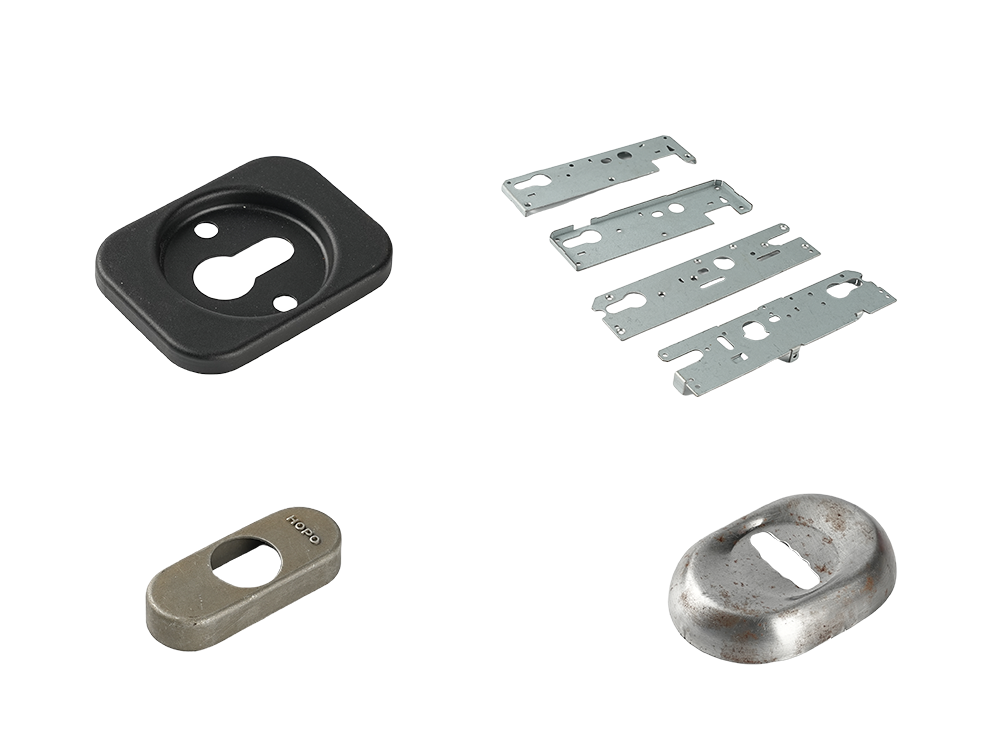
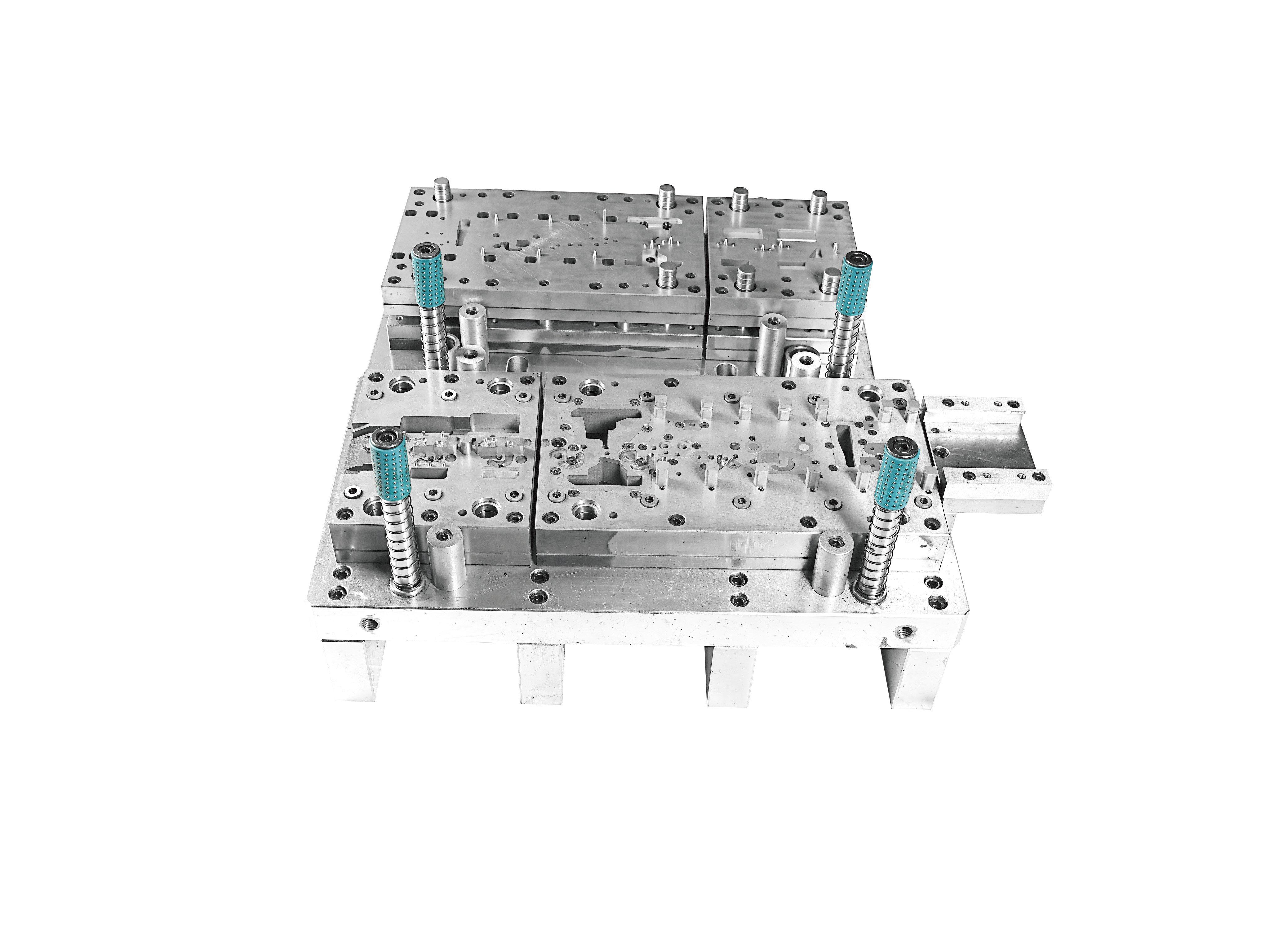
Metal stamping tooling represents a critical manufacturing solution designed to transform flat metal sheets into precisely shaped components through mechanical force and specialized dies. This advanced tooling system consists of custom-engineered dies, punches, and cutting implements mounted within stamping presses to perform operations including blanking, piercing, bending, embossing, and forming. Metal stamping tooling enables manufacturers to produce high-volume parts with exceptional consistency, tight tolerances, and repeatable accuracy across production runs. The technology accommodates various materials including steel, aluminum, copper, brass, and specialty alloys, making it versatile for diverse industrial applications. Modern metal stamping tooling incorporates progressive dies that execute multiple operations sequentially as material advances through the press, significantly improving production efficiency. Transfer dies represent another configuration where mechanical fingers move workpieces between stations for complex geometries. The tooling design phase involves detailed engineering analysis, CAD modeling, and simulation to optimize performance before fabrication. Precision machining, heat treatment, and surface finishing ensure durability and dimensional accuracy. Metal stamping tooling serves automotive, aerospace, electronics, appliances, medical devices, and construction sectors where high-volume precision components are essential. Investment in quality tooling delivers long-term production capability, reduced per-part costs, and consistent quality that meets demanding specifications across thousands or millions of cycles.

New Product Recommendations

Choosing metal stamping tooling delivers substantial cost savings for manufacturers producing medium to high volumes, as the per-part expense decreases dramatically compared to alternative fabrication methods once initial tooling investment is amortized. Production speed represents a significant operational advantage, with modern stamping presses cycling at rates from dozens to hundreds of parts per minute, enabling rapid fulfillment of large orders and shortened lead times. The consistency and repeatability inherent in metal stamping tooling ensures every component matches specifications within microns, eliminating quality variations common in manual processes and reducing rejection rates. Material utilization improves through optimized nesting patterns and precise cutting, minimizing scrap and lowering raw material costs while supporting sustainability initiatives. Metal stamping tooling accommodates diverse part geometries from simple brackets to complex three-dimensional forms, providing design flexibility that supports product innovation and customization. The process strengthens metal through work hardening during forming operations, enhancing structural integrity without additional treatments. Minimal secondary operations are typically required since stamping produces finished or near-finished parts, reducing handling, labor, and production time. Scalability allows manufacturers to adjust production volumes efficiently by controlling press cycling rates without proportional cost increases. Metal stamping tooling integrates seamlessly with automated feeding systems, robotic handling, and quality inspection equipment, creating streamlined production cells that maximize efficiency. The technology supports just-in-time manufacturing strategies by enabling quick changeovers and responsive production scheduling. Long tool life, often exceeding millions of cycles with proper maintenance, ensures stable production capability and predictable replacement planning. These combined advantages make metal stamping tooling the preferred choice for manufacturers prioritizing quality, efficiency, and competitive pricing.

Latest News

Metal stamping parts

17

Jul

Metal stamping parts

View More
Wide application of hardware products

17

Jul

Wide application of hardware products

View More
Various applications of precision molds

17

Jul

Various applications of precision molds

View More
Industry Trends Analysis: Precision Stamping & Mold Manufacturing 2026

22

Apr

Industry Trends Analysis: Precision Stamping & Mold Manufacturing 2026

View More

Get a Free Quote

Our representative will contact you soon.
Email
WhatsApp
Name
Company Name
Message
0/1000

metal stamping tooling

Exceptional Precision and Consistency

Exceptional Precision and Consistency

Metal stamping tooling delivers unmatched dimensional accuracy and part-to-part consistency that modern manufacturing demands. Through precision-ground dies and scientifically controlled press parameters, tolerances within plus or minus 0.0005 inches become achievable across production runs. This precision stems from rigid tool construction, proper press alignment, and sophisticated process controls that eliminate variables affecting quality. Manufacturers benefit from reduced inspection requirements since statistical process control confirms consistency, allowing sampling rather than 100 percent checks. The reliability of metal stamping tooling means components fit perfectly in assemblies without adjustment, reducing assembly time and warranty claims. Industries like automotive electronics and medical devices particularly value this consistency because component variations can compromise product performance or safety. Advanced tooling materials and coatings extend die life while maintaining dimensional stability through millions of cycles. Temperature-controlled production environments and calibrated equipment ensure the metal stamping tooling performs identically shift after shift. Quality documentation becomes straightforward as process capability studies demonstrate reliable production meeting Six Sigma standards, satisfying customer requirements and certification audits with objective data.
Cost-Effective High-Volume Production

Cost-Effective High-Volume Production

Metal stamping tooling transforms economics for manufacturers requiring thousands or millions of identical parts by dramatically reducing per-unit costs. While initial tooling investment requires capital commitment, the expense distributes across production volume, making each additional part progressively less expensive. High-speed press operation means labor costs per part drop substantially compared to manual fabrication or low-volume processes. Material efficiency inherent in metal stamping tooling further reduces costs through optimized blank layouts that minimize scrap percentages. Automated production reduces labor requirements, with single operators often managing multiple presses simultaneously through programmable controls and safety systems. Energy efficiency of modern mechanical and servo presses lowers operational expenses compared to alternative manufacturing technologies. Minimal secondary operations eliminate additional processing costs since stamped parts often require no further work beyond deburring or simple finishing. Predictable tool maintenance schedules allow accurate cost forecasting without unexpected downtime expenses disrupting production. The combination of speed, automation, material efficiency, and long tool life makes metal stamping tooling the most economical choice for volume production, delivering competitive advantages through lower manufacturing costs that improve profit margins or enable competitive pricing strategies.
Versatile Material and Design Capabilities

Versatile Material and Design Capabilities

Metal stamping tooling accommodates an impressive range of materials and design complexities, providing manufacturers flexibility to innovate and optimize products. From soft aluminum and copper to high-strength steel and exotic alloys, appropriate die materials and press tonnages handle diverse specifications. Thickness capabilities span thin foils under 0.010 inches to heavy plate exceeding 0.250 inches depending on press capacity and tooling design. Complex geometries including curves, channels, embossments, louvers, and integrated fastening features are producible in single or progressive operations. Metal stamping tooling enables designers to consolidate multiple components into single stampings, reducing assembly requirements and potential failure points. Surface finishes from the stamping process often meet appearance requirements without additional treatment, though compatibility with plating, painting, and coating processes expands finishing options. Prototype tooling and soft dies allow design validation before committing to production tooling investment. Engineering support during design phases optimizes parts for manufacturability, identifying opportunities to reduce costs or improve performance through stamping-friendly design modifications. This versatility means metal stamping tooling serves applications from intricate electronic contacts to robust structural automotive components, supporting diverse industries with a single core technology platform adaptable to specific requirements.

Get a Free Quote

Our representative will contact you soon.
Email
WhatsApp
Name
Company Name
Message
0/1000