Progressive Die Stamping Solutions & Services

All Categories

progressive die stamping

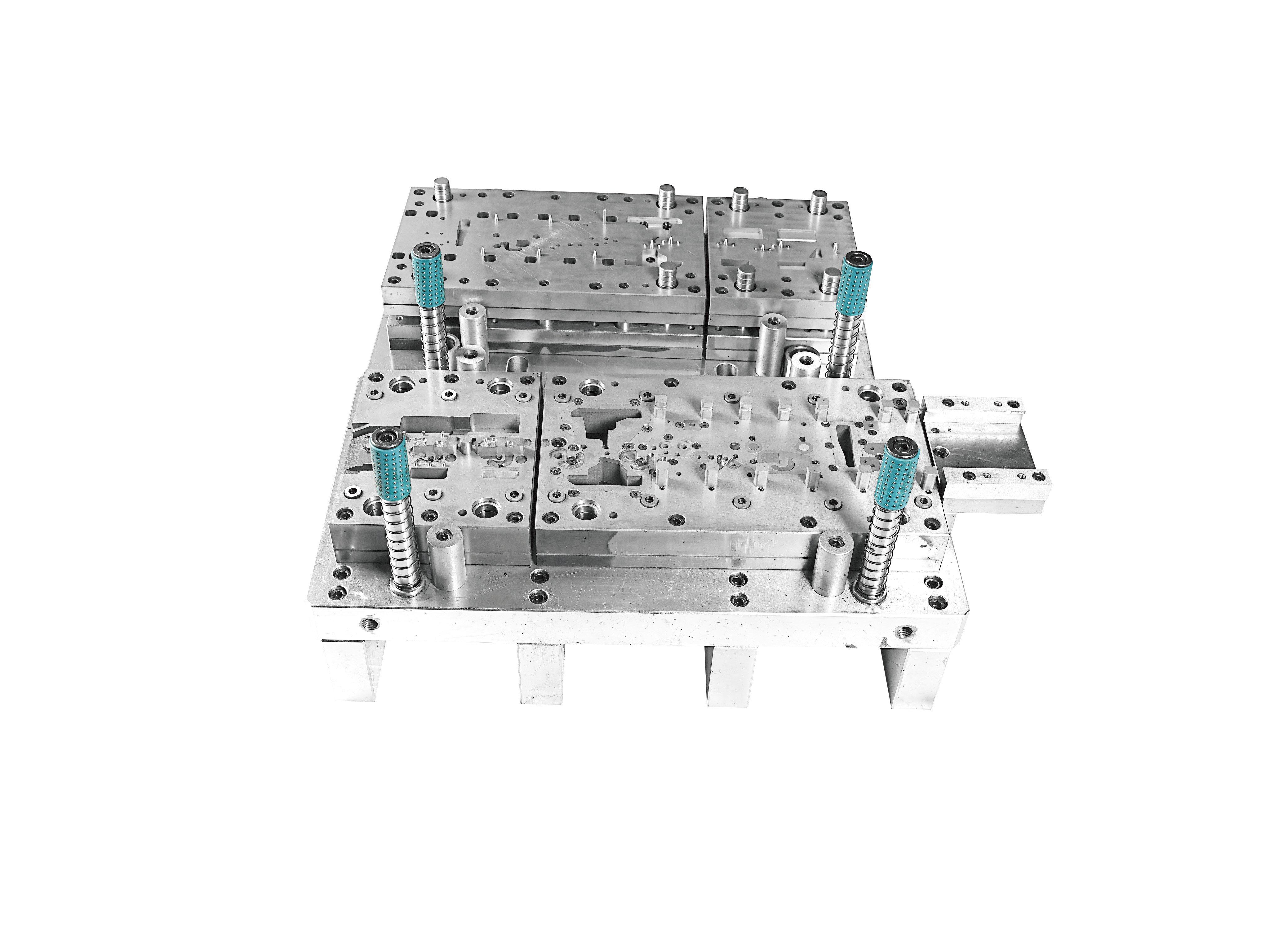
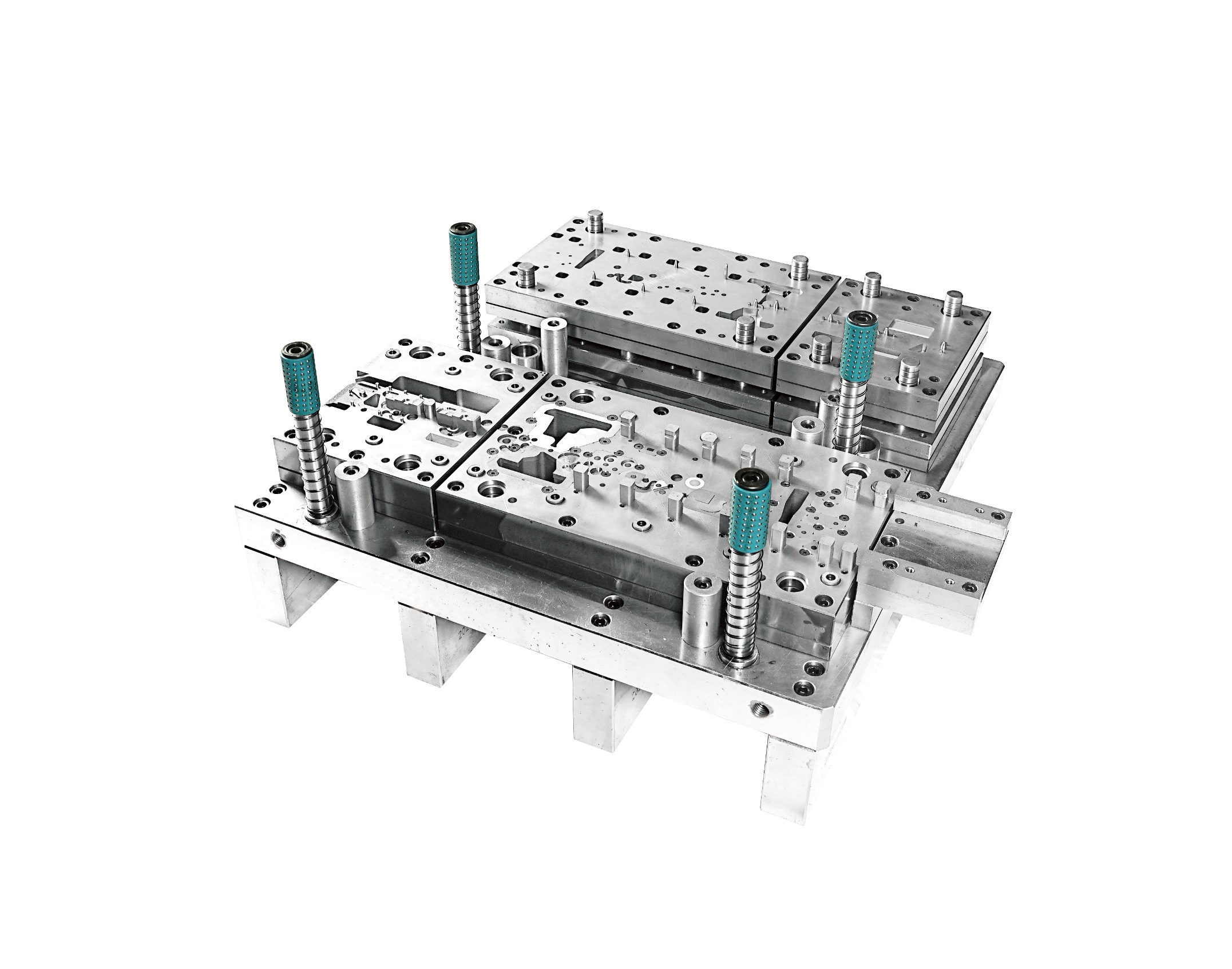
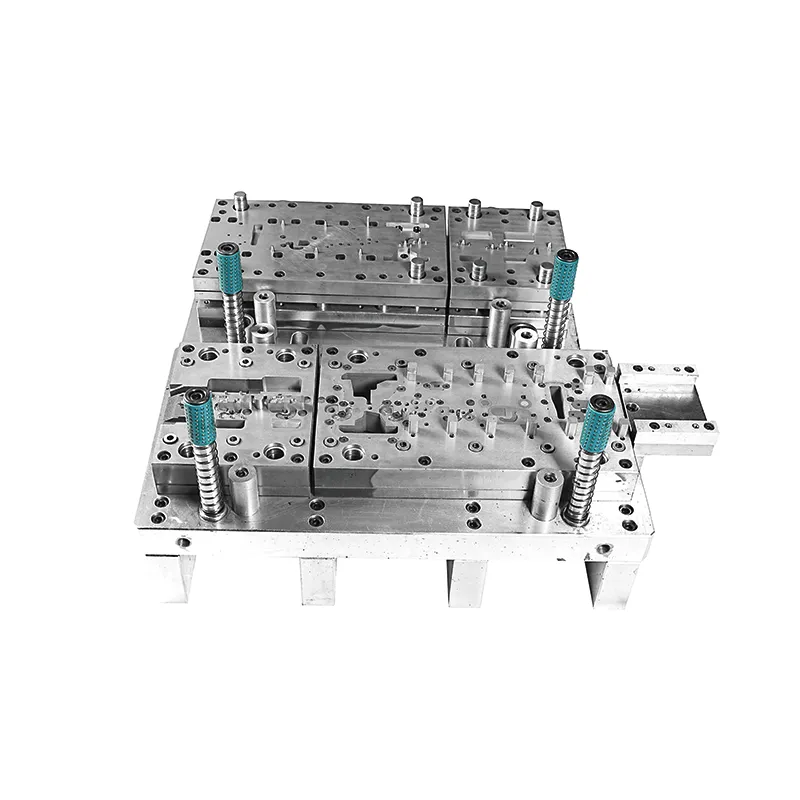
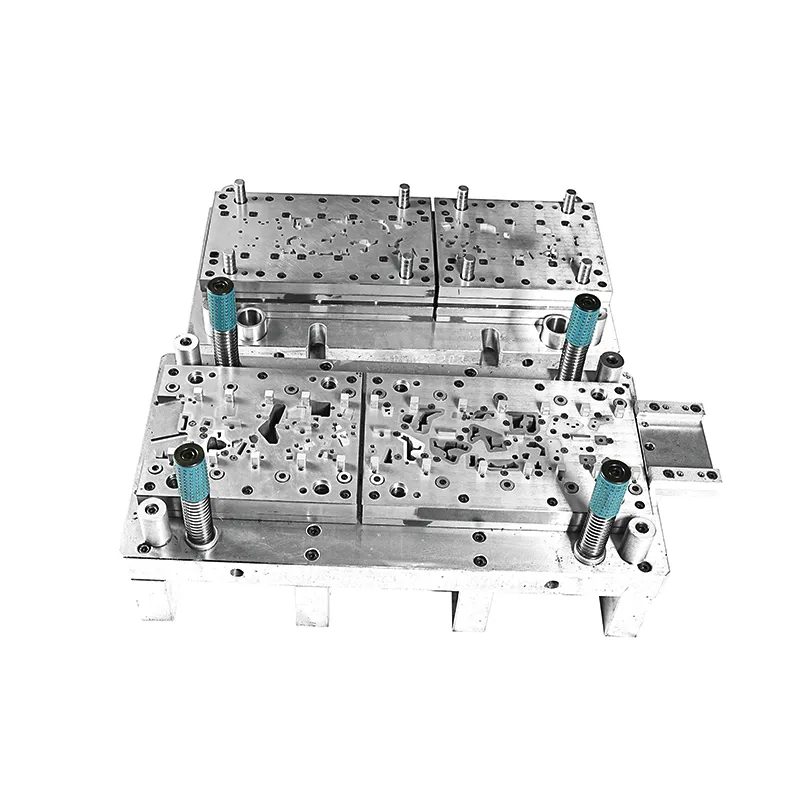
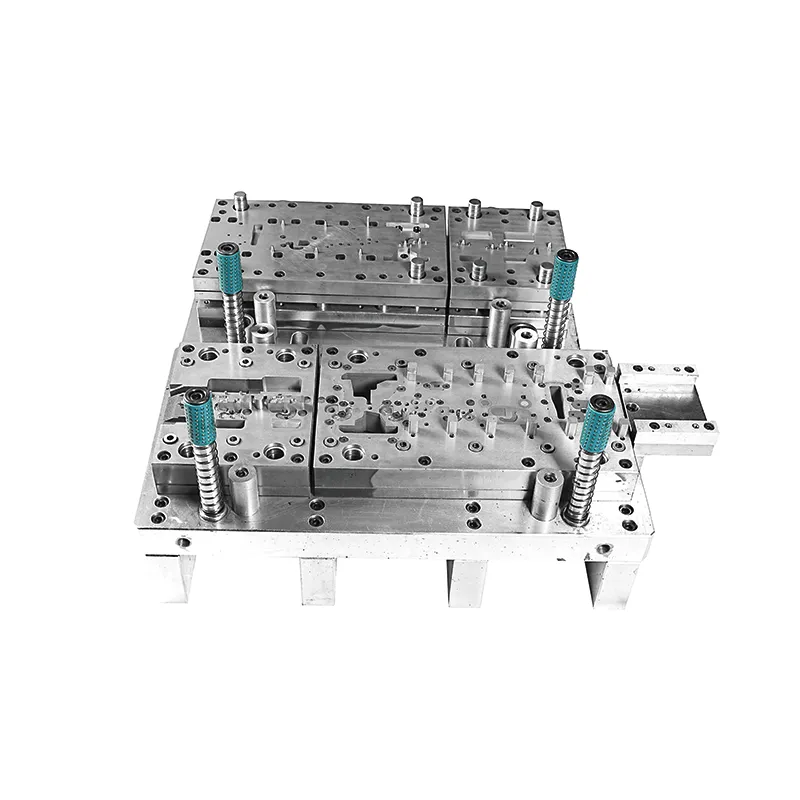
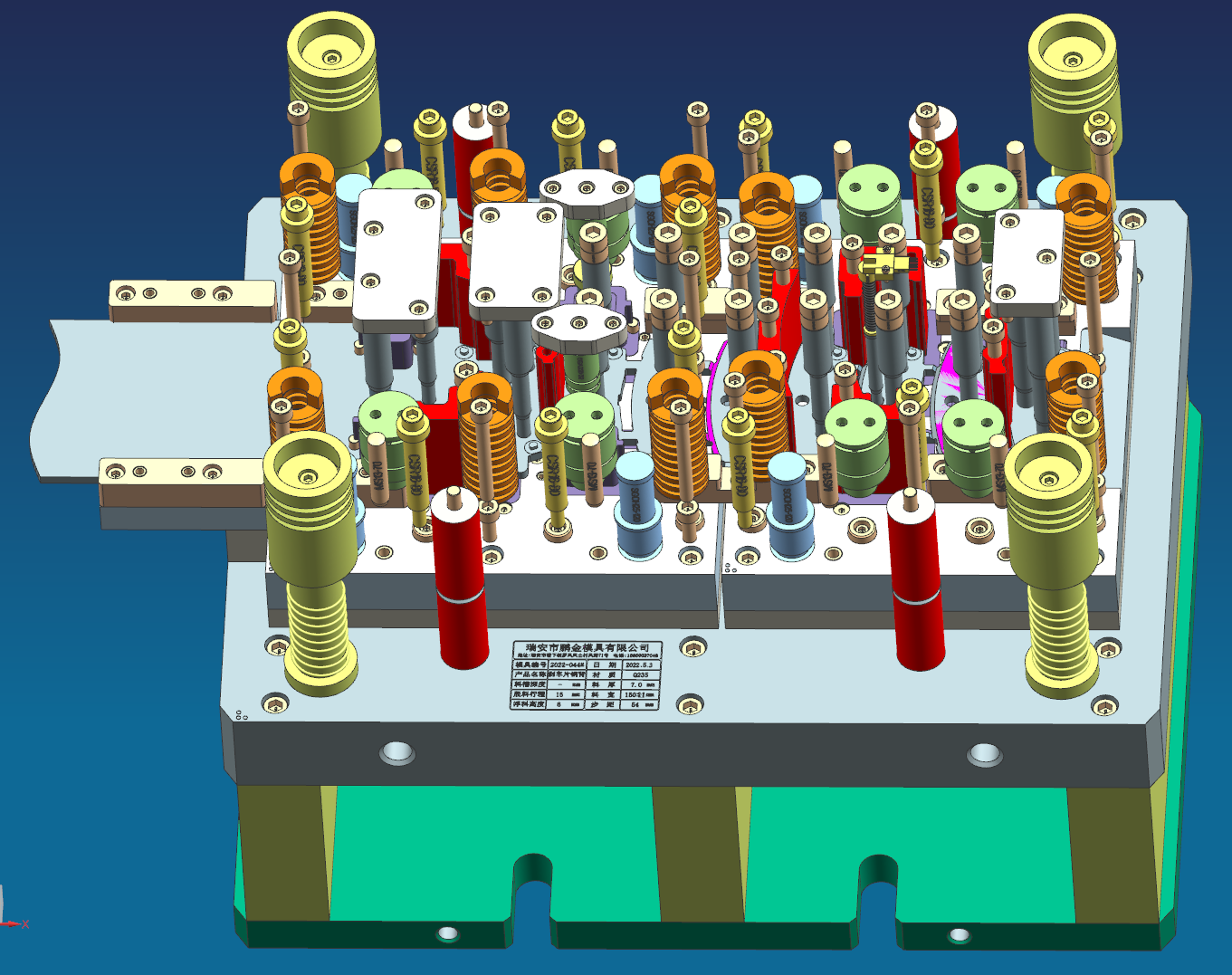
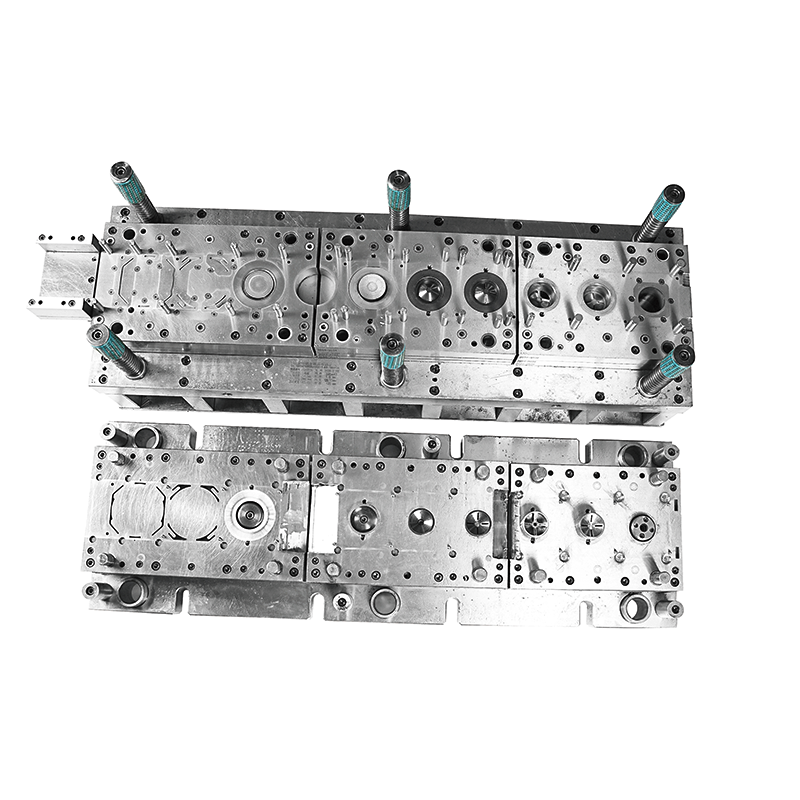
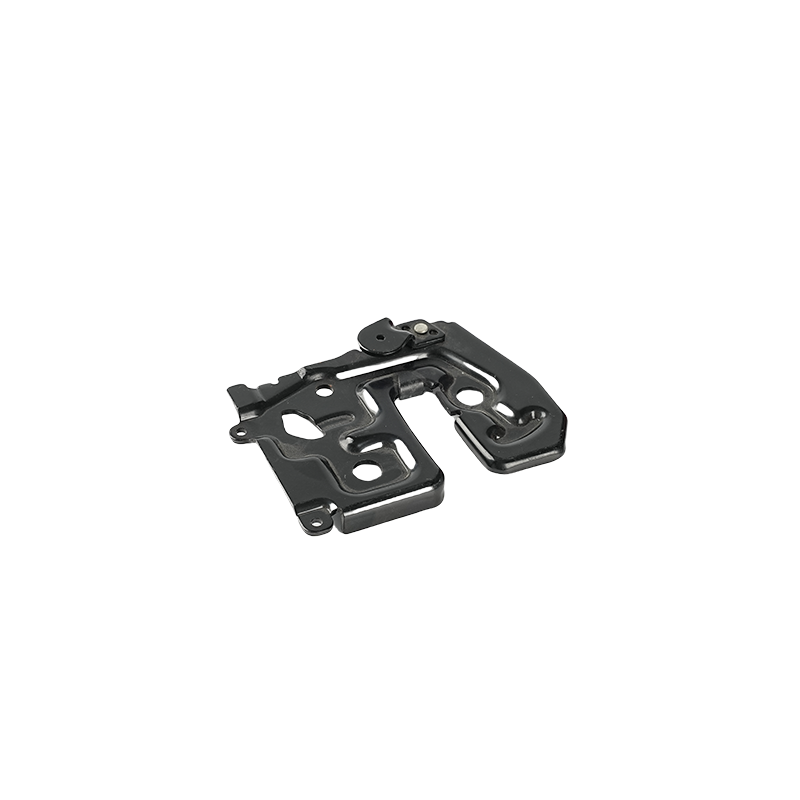
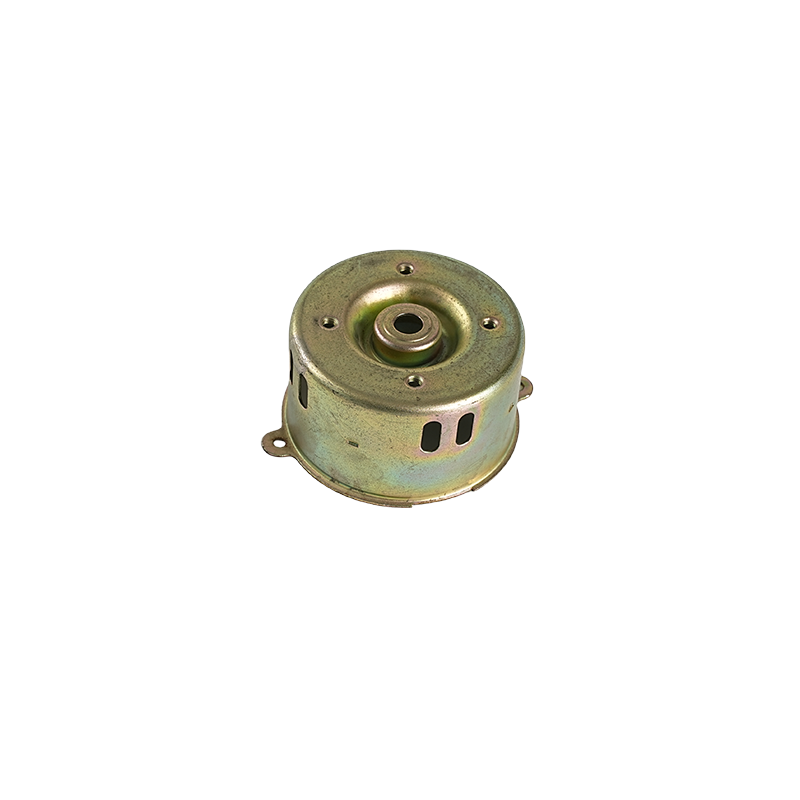
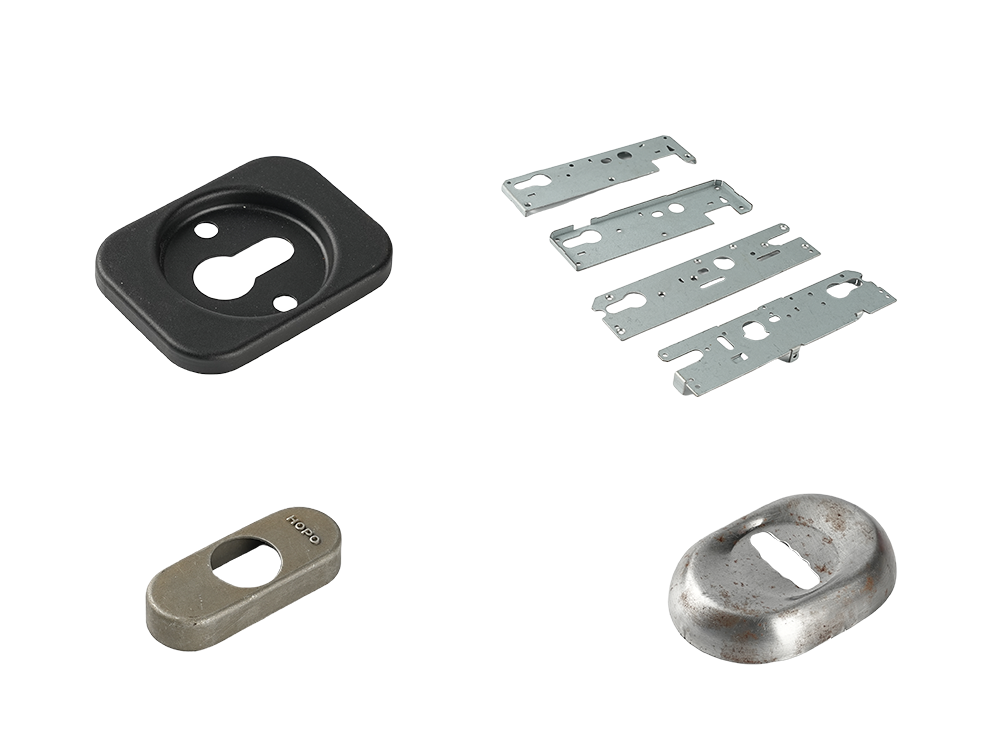
Progressive die stamping is an advanced metal forming process that transforms flat metal sheets into complex finished parts through a series of sequential stamping operations. This manufacturing technique utilizes a specialized die containing multiple stations, where each station performs a specific operation such as punching, bending, coining, or cutting. As the metal strip feeds through the die, it advances from one station to the next in a progressive manner, with each stage adding features until the final part is complete. Progressive die stamping excels at producing high volumes of intricate metal components with exceptional consistency and speed. The process is widely recognized for its ability to handle complex geometries that would otherwise require multiple separate operations. Metal strips move through the progressive die stamping tool at predetermined intervals, controlled by precision feeding mechanisms that ensure accurate positioning at each station. This method is essential in industries requiring mass production of identical parts with tight tolerances. Progressive die stamping accommodates various metals including steel, aluminum, copper, and brass, making it versatile for diverse manufacturing needs. The technology combines precision engineering with automated production capabilities, reducing labor costs while maintaining superior quality standards. From automotive brackets to electronic connectors, progressive die stamping delivers components that meet rigorous specifications while optimizing material usage and minimizing waste through efficient nesting and strip layout designs.

Popular Products

Progressive die stamping offers remarkable cost efficiency when producing large quantities of metal parts, as the automated nature of the process significantly reduces per-unit manufacturing costs compared to traditional stamping methods. The initial investment in tooling pays dividends through rapid production cycles that generate thousands of identical components per hour, making it economically attractive for high-volume applications. Speed stands as another compelling advantage, with progressive die stamping capable of producing complex parts in seconds rather than minutes, dramatically shortening lead times and accelerating time-to-market for new products. The consistency and precision achieved through progressive die stamping ensure that every part meets exact specifications, eliminating variation that could compromise assembly or functionality. This repeatability reduces rejection rates and quality control expenses while building customer confidence in product reliability. Material efficiency represents a significant operational benefit, as progressive die stamping optimizes metal usage through intelligent strip layouts that minimize scrap and reduce raw material costs. The process accommodates increasingly complex part designs that would require multiple setups using conventional methods, consolidating operations into a single streamlined workflow. Progressive die stamping reduces labor requirements by automating repetitive tasks, freeing skilled workers for higher-value activities while maintaining consistent output regardless of shift changes. The versatility of progressive die stamping extends across industries from automotive and aerospace to electronics and appliances, adapting to varying production volumes and part specifications. Decision-makers appreciate how progressive die stamping scales effectively, supporting both prototype development and full production runs with the same tooling investment, providing flexibility as market demands evolve and product lifecycles extend.

Latest News

Wide application of hardware products

17

Jul

Wide application of hardware products

View More
Various applications of precision molds

17

Jul

Various applications of precision molds

View More
Progressive Dies: The Key Force Promoting Efficient and Precise Production in Modern Manufacturing

14

Aug

Progressive Dies: The Key Force Promoting Efficient and Precise Production in Modern Manufacturing

View More
Industry Trends Analysis: Precision Stamping & Mold Manufacturing 2026

22

Apr

Industry Trends Analysis: Precision Stamping & Mold Manufacturing 2026

View More

Get a Free Quote

Our representative will contact you soon.
Email
WhatsApp
Name
Company Name
Message
0/1000

progressive die stamping

Unmatched Production Efficiency and Speed

Unmatched Production Efficiency and Speed

Progressive die stamping revolutionizes manufacturing throughput by performing multiple operations simultaneously within a single press stroke, eliminating the time-consuming process of moving parts between separate machines. This integrated approach means that what previously required five or six individual stamping operations now happens in one continuous flow, with the metal strip advancing automatically through each station. Production speeds often exceed 1,500 strokes per hour, translating to remarkable output volumes that satisfy even the most demanding delivery schedules. The automated feeding systems maintain precise timing and positioning, ensuring consistent quality at maximum speed without operator intervention. This efficiency advantage becomes particularly valuable when production schedules tighten or unexpected demand surges occur, as progressive die stamping lines can run extended shifts with minimal supervision. Manufacturers gain competitive advantage through faster order fulfillment and the ability to respond quickly to market opportunities, while the reduced cycle times contribute directly to improved return on investment and enhanced profitability across product lines.
Superior Quality and Dimensional Accuracy

Superior Quality and Dimensional Accuracy

Progressive die stamping achieves exceptional precision that surpasses conventional stamping methods, with tolerances routinely held to plus or minus 0.001 inches or tighter depending on material and part geometry. The rigid die construction and guided strip advancement eliminate positioning errors that plague manual transfer operations, ensuring that each feature aligns perfectly with previously formed elements. This precision proves critical for parts requiring exact hole spacing, intricate bend angles, or tight-fitting assemblies where dimensional variation causes functional failures or assembly difficulties. The progressive die stamping process inherently produces parts with consistent mechanical properties since all forming occurs under controlled conditions with predictable material flow and strain distribution. Surface finishes remain uniform across production runs, meeting aesthetic requirements for visible components while providing suitable characteristics for subsequent coating or plating operations. Quality assurance becomes simplified as the stable process requires less frequent inspection, and any detected issues can be corrected quickly through die adjustments that immediately affect all subsequent parts, maintaining production momentum while ensuring specification compliance throughout extended manufacturing campaigns.
Flexible Design Capabilities and Material Versatility

Flexible Design Capabilities and Material Versatility

Progressive die stamping accommodates remarkably complex part geometries that integrate multiple features including holes, slots, embossments, threads, and intricate contours within a single component. Design engineers benefit from the freedom to consolidate multiple piece assemblies into single stamped parts, reducing assembly time and eliminating fasteners while improving structural integrity and product reliability. The process handles diverse material types spanning soft aluminum alloys to high-strength steels, exotic metals, and specialized alloys, each requiring specific die designs and press parameters that progressive die stamping readily accommodates. Material thickness ranges from delicate foils measuring 0.005 inches to robust plates exceeding 0.250 inches, with corresponding adjustments to die clearances and press tonnage requirements. Progressive die stamping supports various secondary operations integrated directly into the die sequence, including tapping, staking, clinching, and insert installation, further expanding design possibilities and reducing downstream processing. This versatility enables manufacturers to optimize part designs for functionality and manufacturability simultaneously, creating components that perform better while costing less to produce across their entire lifecycle.
Get a Free Quote

Our representative will contact you soon.
Email
WhatsApp
Name
Company Name
Message
0/1000