Motorcycle Stamping Mold: Precision Manufacturing

All Categories

motorcycle stamping mold

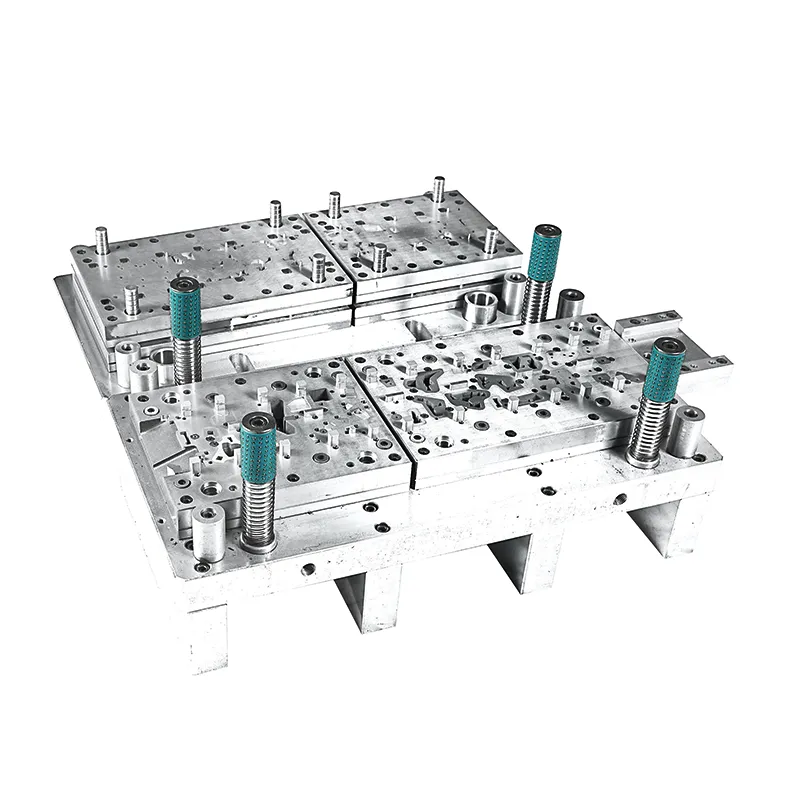
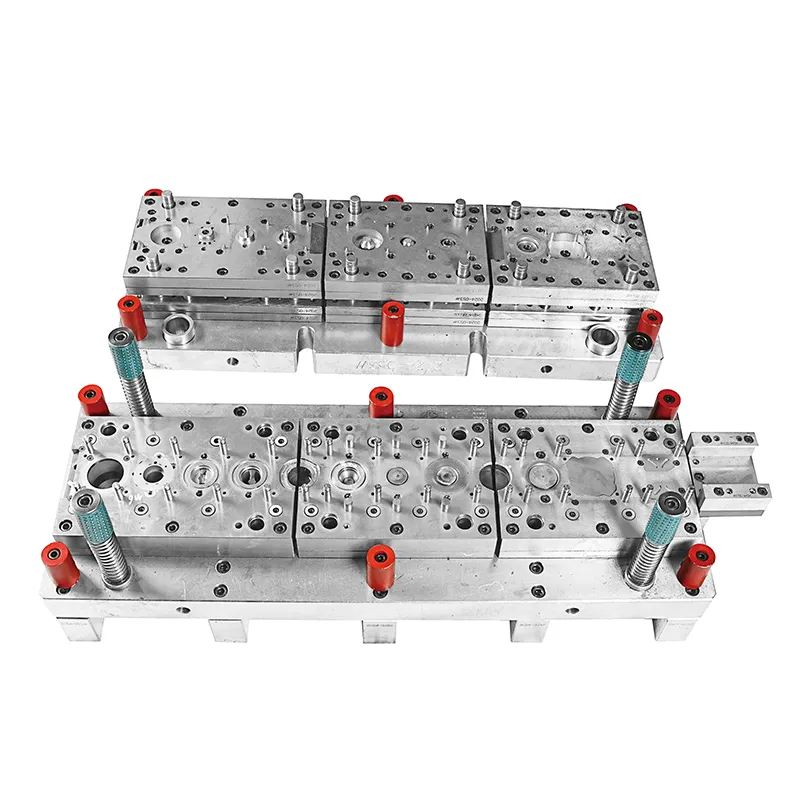
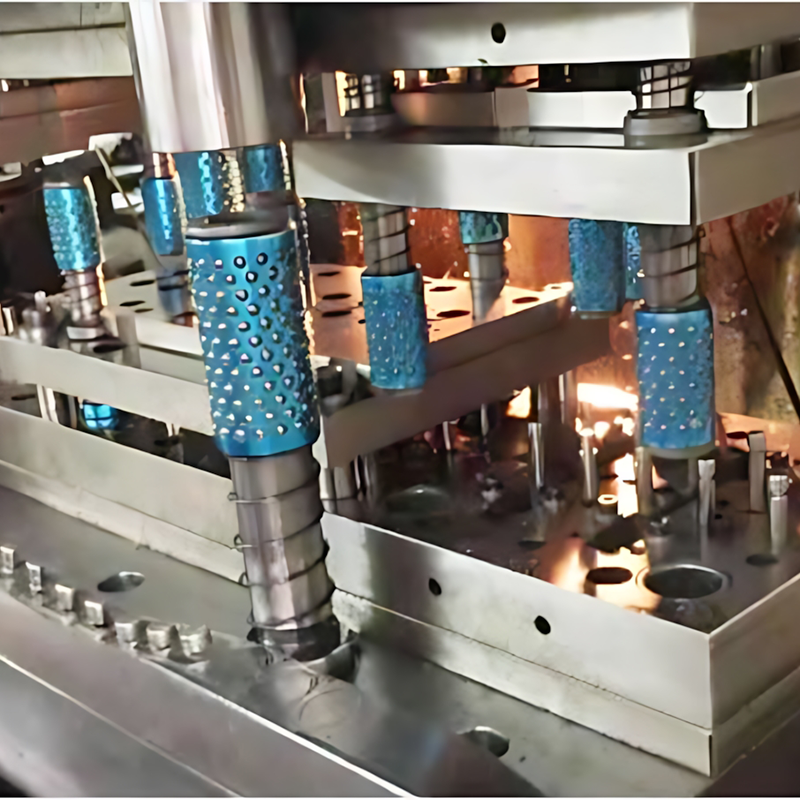
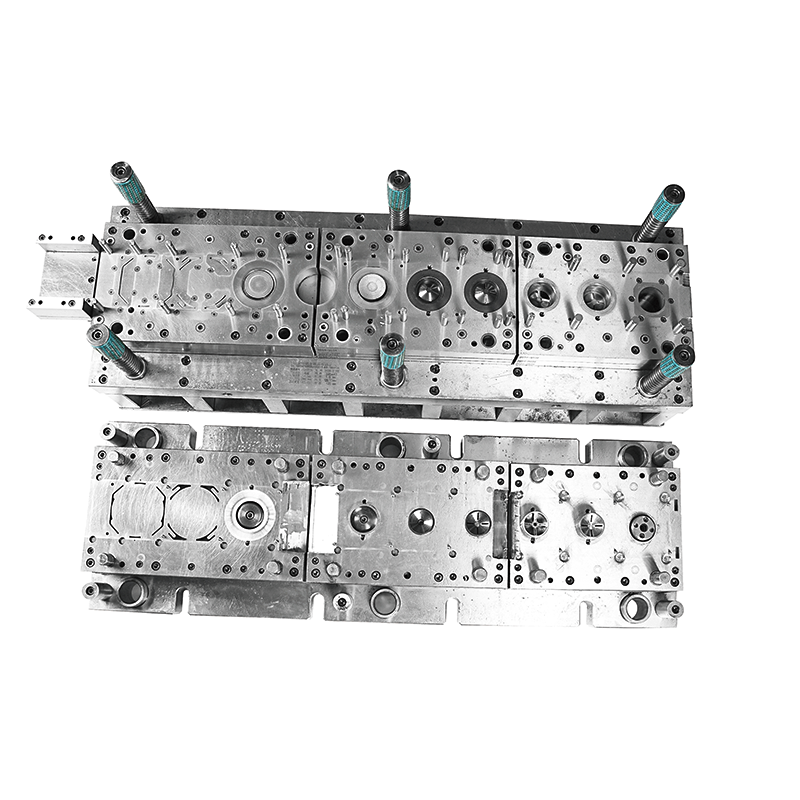
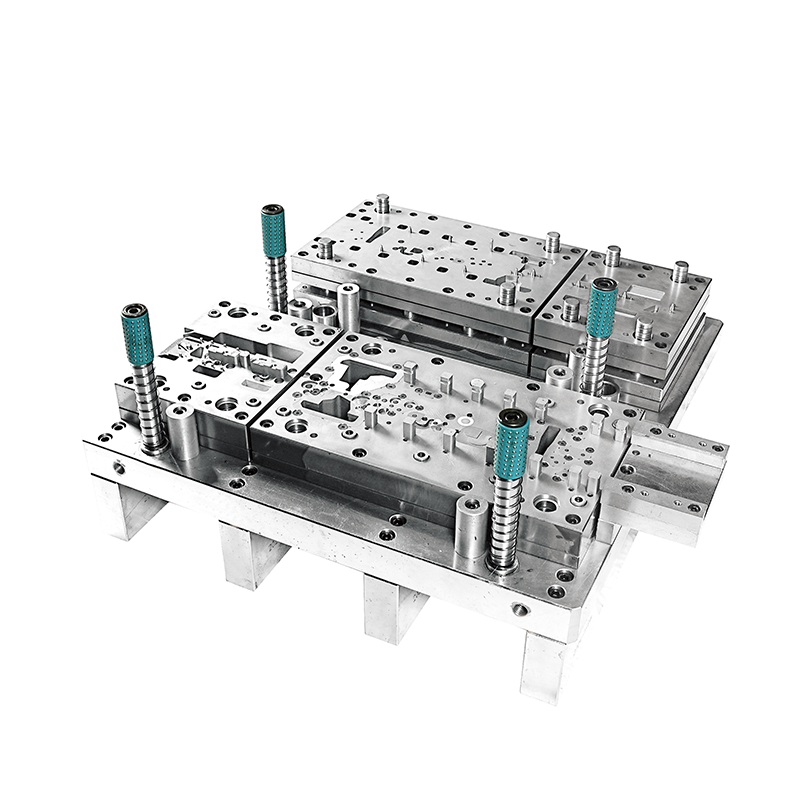
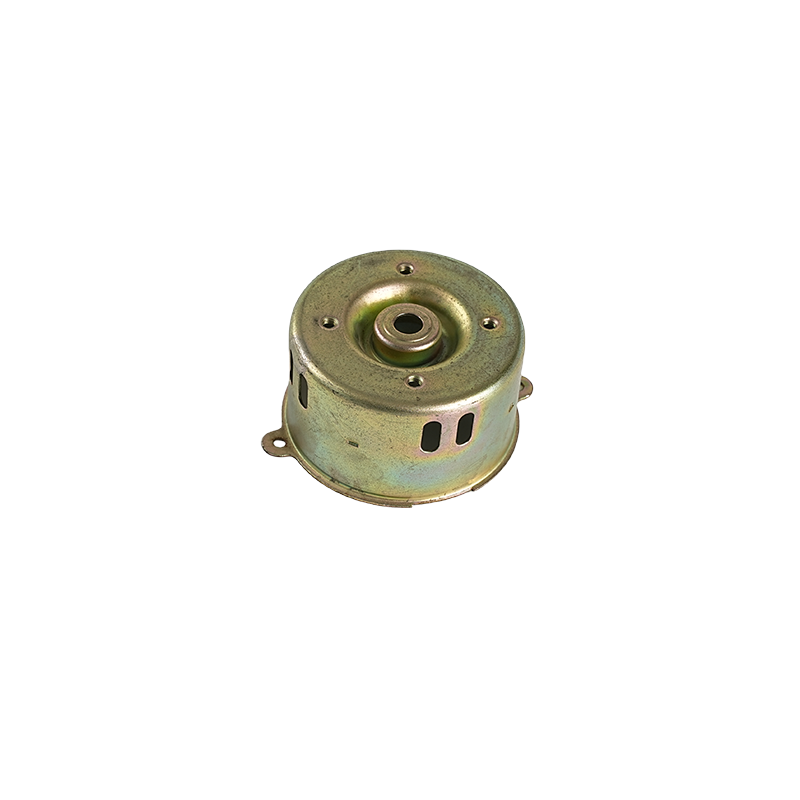
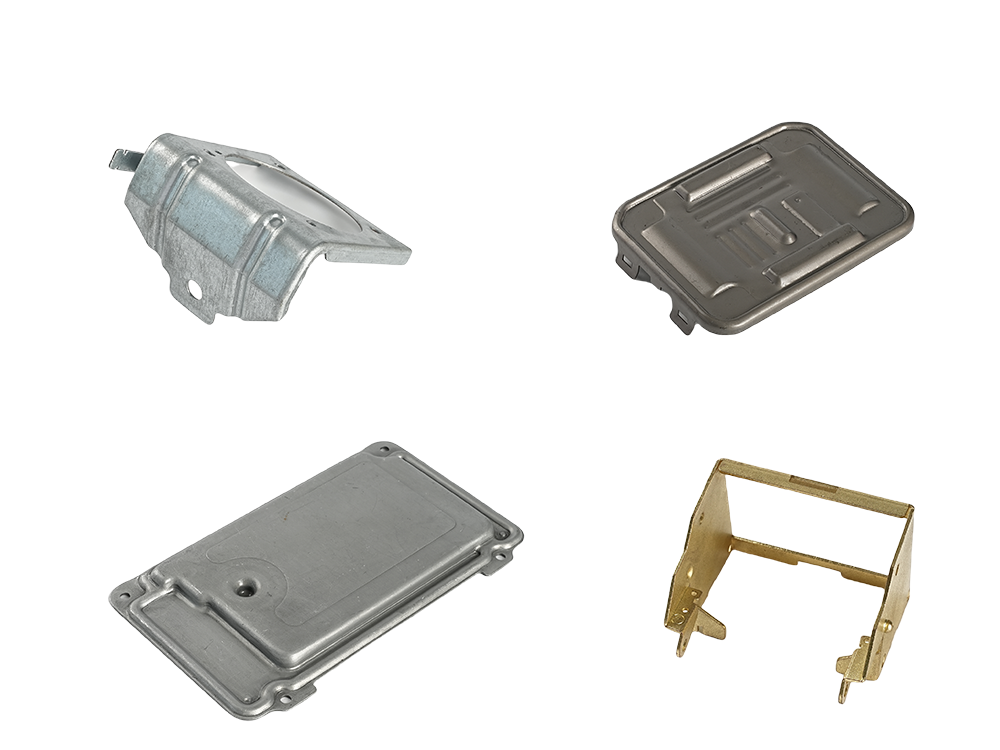
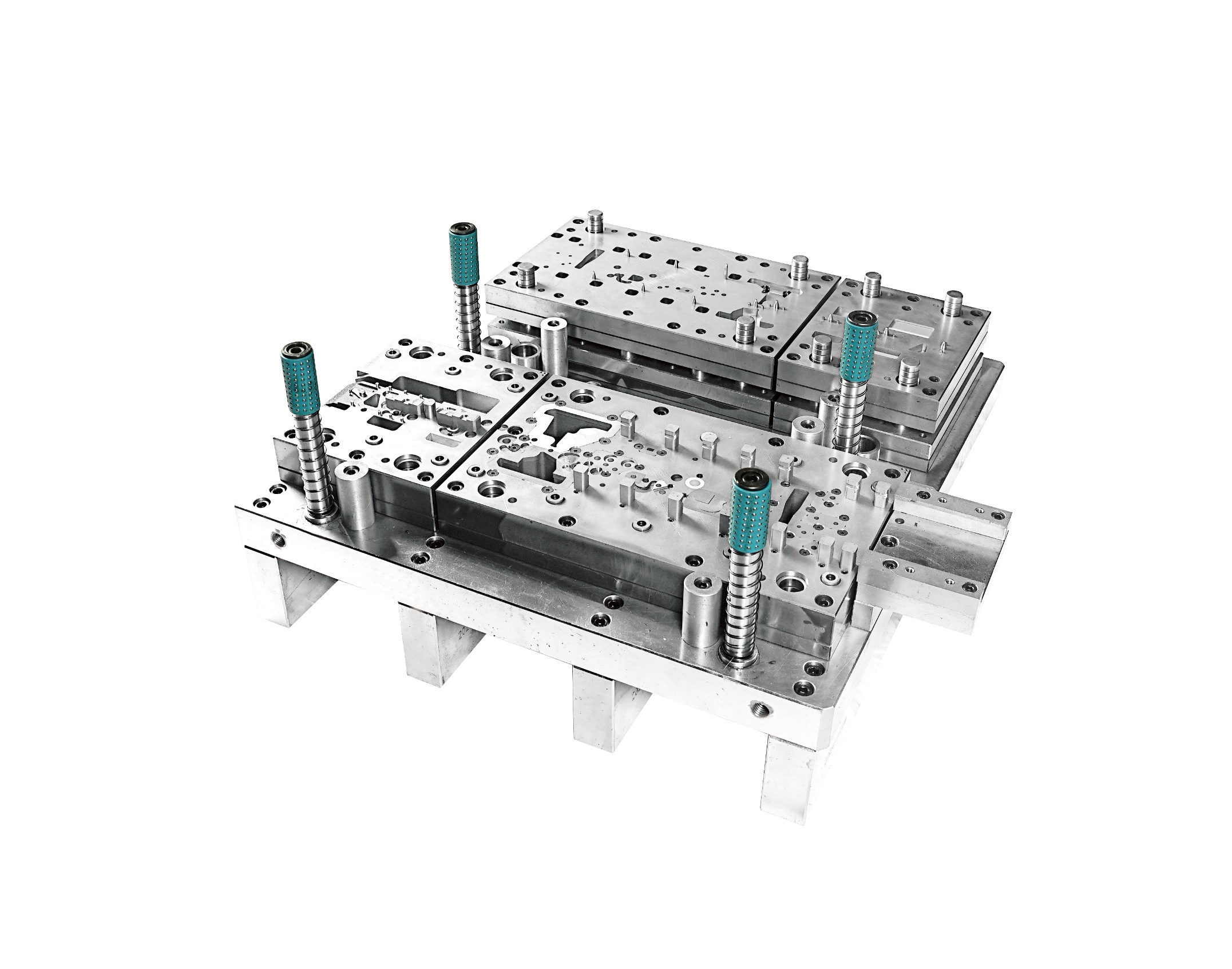
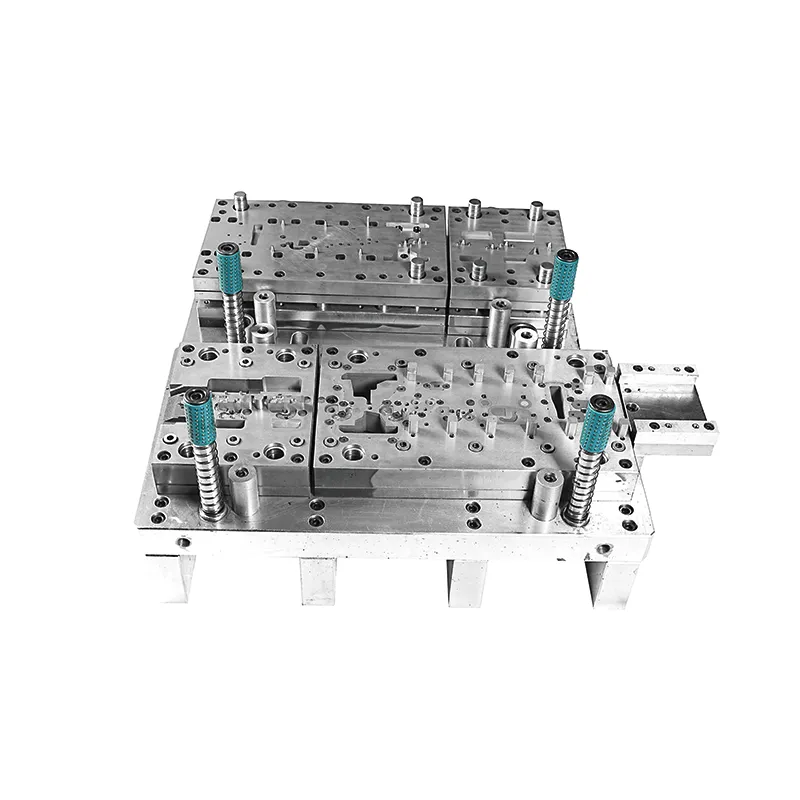
A motorcycle stamping mold is a precision-engineered tooling component designed to manufacture metal parts for motorcycles through stamping processes. This specialized mold transforms flat metal sheets into complex three-dimensional components by applying high-pressure force in stamping presses. The motorcycle stamping mold plays a critical role in producing body panels, frame components, fuel tanks, fenders, brackets, and other structural parts that form the backbone of motorcycle manufacturing. These molds are crafted from high-grade tool steel and undergo precision machining, heat treatment, and surface finishing to withstand millions of stamping cycles while maintaining dimensional accuracy. The primary functions include shaping, cutting, bending, and forming metal sheets into precise specifications that meet stringent automotive standards. Technological features of the motorcycle stamping mold include progressive die configurations, transfer die systems, compound dies, and single-operation tooling, each suited for different production volumes and part complexities. Advanced molds incorporate guided systems, wear-resistant coatings, and precision alignment mechanisms to ensure consistent part quality. Applications span across all motorcycle segments, from lightweight scooters to heavy-duty touring bikes and high-performance sport motorcycles. Manufacturers rely on the motorcycle stamping mold to achieve high-volume production with repeatable quality, reduced material waste, and cost-effective manufacturing processes that support competitive pricing in the global motorcycle market.

New Products

The motorcycle stamping mold delivers substantial cost savings through efficient high-volume production capabilities that significantly reduce per-unit manufacturing costs compared to alternative fabrication methods. This cost efficiency translates directly into competitive advantages for motorcycle manufacturers seeking to optimize their production budgets while maintaining quality standards. Production speed represents another major benefit, as the motorcycle stamping mold can produce hundreds or thousands of identical parts per hour, enabling manufacturers to meet demanding production schedules and market delivery commitments without compromising quality. The consistency and precision achieved through stamping mold technology ensures every manufactured component meets exact specifications, eliminating variations that could affect assembly quality or motorcycle performance. This reliability reduces quality control expenses and minimizes rejection rates during production runs. Material utilization reaches optimal levels with the motorcycle stamping mold, as advanced nesting and blanking designs minimize scrap metal waste, contributing to sustainable manufacturing practices and lower raw material costs. The durability of properly maintained stamping molds means manufacturers can produce millions of parts from a single tooling investment, spreading capital costs across extensive production runs and improving return on investment. Flexibility in design modifications allows manufacturers to adapt quickly to model changes or engineering improvements by adjusting or replacing mold components rather than redesigning entire production systems. The motorcycle stamping mold supports diverse material options, including steel, aluminum, stainless steel, and specialized alloys, giving designers freedom to select optimal materials for specific performance requirements, weight targets, or corrosion resistance needs. Reduced labor requirements in automated stamping operations lower ongoing operational costs while improving workplace safety by minimizing manual handling of heavy materials and repetitive tasks.

Latest News

Sheet Metal Stamping Manufacturers

17

Jul

Sheet Metal Stamping Manufacturers

View More
Metal stamping parts

17

Jul

Metal stamping parts

View More
Progressive Dies: The Key Force Promoting Efficient and Precise Production in Modern Manufacturing

14

Aug

Progressive Dies: The Key Force Promoting Efficient and Precise Production in Modern Manufacturing

View More
Industry Trends Analysis: Precision Stamping & Mold Manufacturing 2026

22

Apr

Industry Trends Analysis: Precision Stamping & Mold Manufacturing 2026

View More

Get a Free Quote

Our representative will contact you soon.
Email
WhatsApp
Name
Company Name
Message
0/1000

motorcycle stamping mold

High-Precision Manufacturing Excellence

High-Precision Manufacturing Excellence

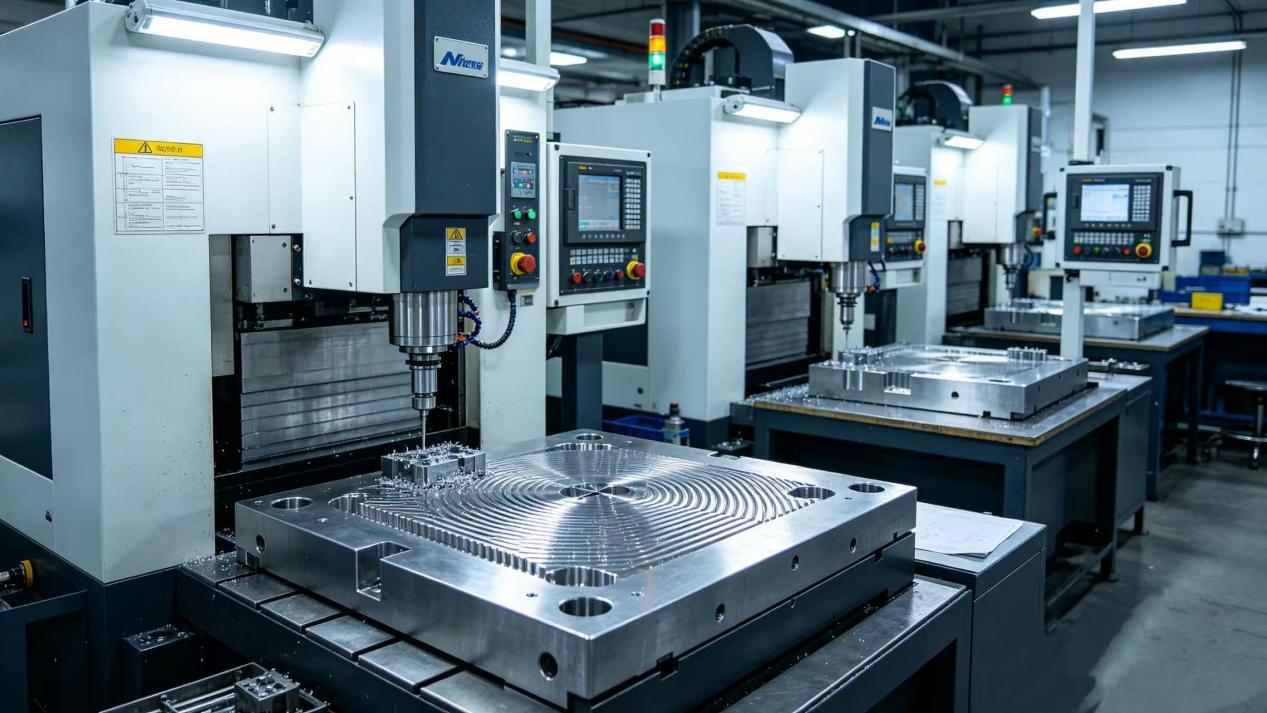
The motorcycle stamping mold delivers exceptional dimensional accuracy that ensures perfect fit and finish across all stamped components. This precision engineering capability stems from advanced CNC machining processes used during mold fabrication, creating cavities and punch profiles with tolerances measured in hundredths of millimeters. Such accuracy proves essential for motorcycle parts that must align perfectly during assembly, particularly structural components where misalignment could compromise vehicle integrity or aesthetic appeal. The precision offered by the motorcycle stamping mold eliminates costly secondary operations like manual trimming or adjustment, reducing production time and labor costs. Furthermore, this consistent accuracy across thousands of production cycles means manufacturers can rely on predictable quality standards throughout extended production runs. Quality control becomes simpler and more reliable when dimensional variations remain within tight tolerances, reducing inspection time and rejection rates. The precision inherent in stamping mold technology also supports lean manufacturing principles by minimizing waste and rework while maximizing first-pass yield rates that directly impact profitability and customer satisfaction.
Enhanced Production Efficiency

Enhanced Production Efficiency

Production efficiency reaches peak levels with the motorcycle stamping mold through rapid cycle times and automated operation capabilities that maximize manufacturing throughput. Modern stamping systems equipped with progressive dies can complete multiple forming operations in a single press stroke, dramatically accelerating production compared to sequential manufacturing methods. This efficiency advantage becomes particularly valuable in high-volume motorcycle production where speed directly correlates with market responsiveness and cost competitiveness. The motorcycle stamping mold integrates seamlessly with robotic material handling systems, creating fully automated production cells that operate continuously with minimal human intervention. Such automation reduces labor costs while improving workplace safety by removing operators from potentially hazardous press areas. Additionally, quick die change systems allow manufacturers to switch between different stamping molds rapidly, supporting flexible production schedules that accommodate multiple motorcycle models on the same production line. The operational efficiency extends to energy consumption as well, with modern hydraulic and servo-driven presses optimizing power usage during stamping operations, contributing to sustainable manufacturing practices and reduced operational expenses over the equipment lifecycle.
Superior Structural Integrity

Superior Structural Integrity

Components produced with the motorcycle stamping mold exhibit superior structural integrity through work hardening effects that occur during the metal forming process. When metal sheets pass through stamping operations, the compressive forces realign the material's grain structure, increasing strength and fatigue resistance in the finished parts. This enhanced mechanical performance proves crucial for motorcycle components subjected to vibration, impact loads, and stress cycling during vehicle operation. The motorcycle stamping mold creates parts with consistent material properties throughout, unlike welded assemblies where heat-affected zones may introduce weak points or inconsistent characteristics. Single-piece stamped components eliminate potential failure points associated with mechanical fasteners or weld joints, improving overall motorcycle reliability and longevity. The cold-forming process preserves the base material's corrosion resistance properties without introducing thermal distortion or oxidation that can occur in hot-forming or welding processes. Manufacturers benefit from reduced warranty claims and improved brand reputation when motorcycles incorporate stamped components known for durability and dependable performance. The structural advantages of stamping mold technology support lightweight design initiatives as well, allowing engineers to optimize material thickness and reinforcement patterns for maximum strength-to-weight ratios.

Get a Free Quote

Our representative will contact you soon.
Email
WhatsApp
Name
Company Name
Message
0/1000