Progressive Die and Stamping Solutions

All Categories

progressive die and stamping

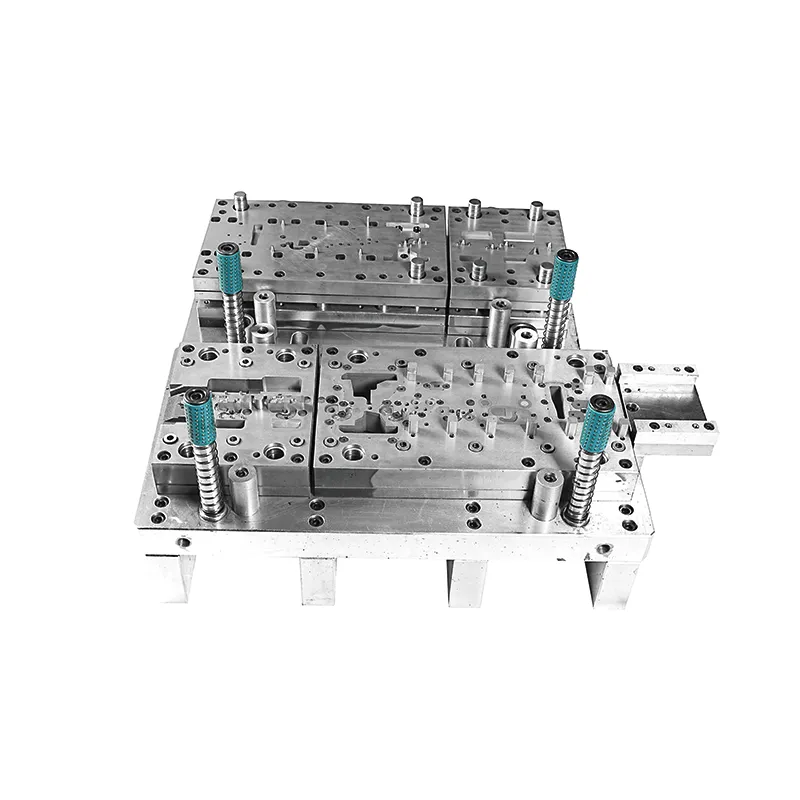
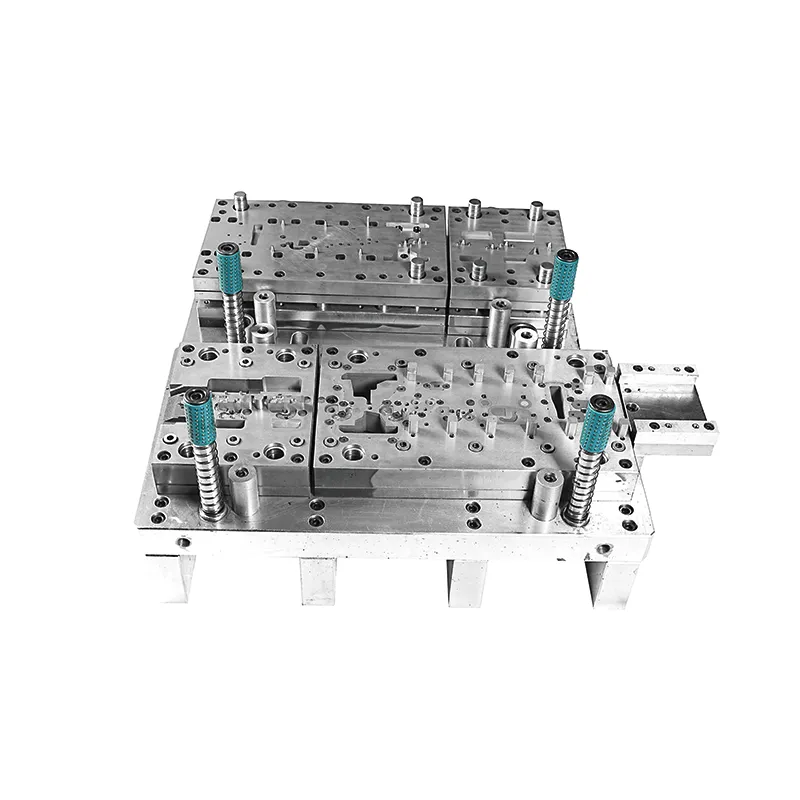
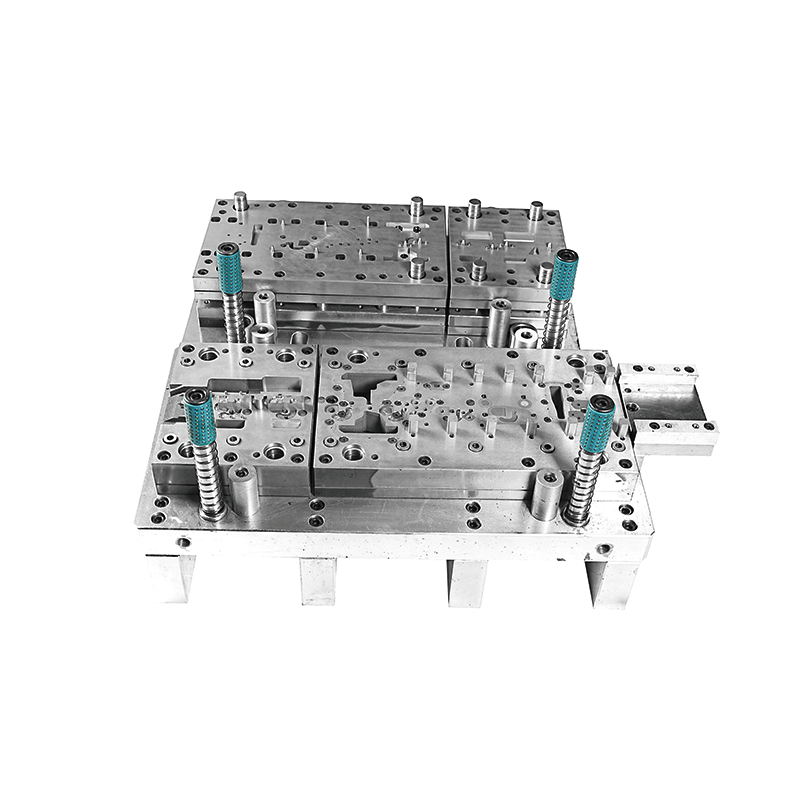
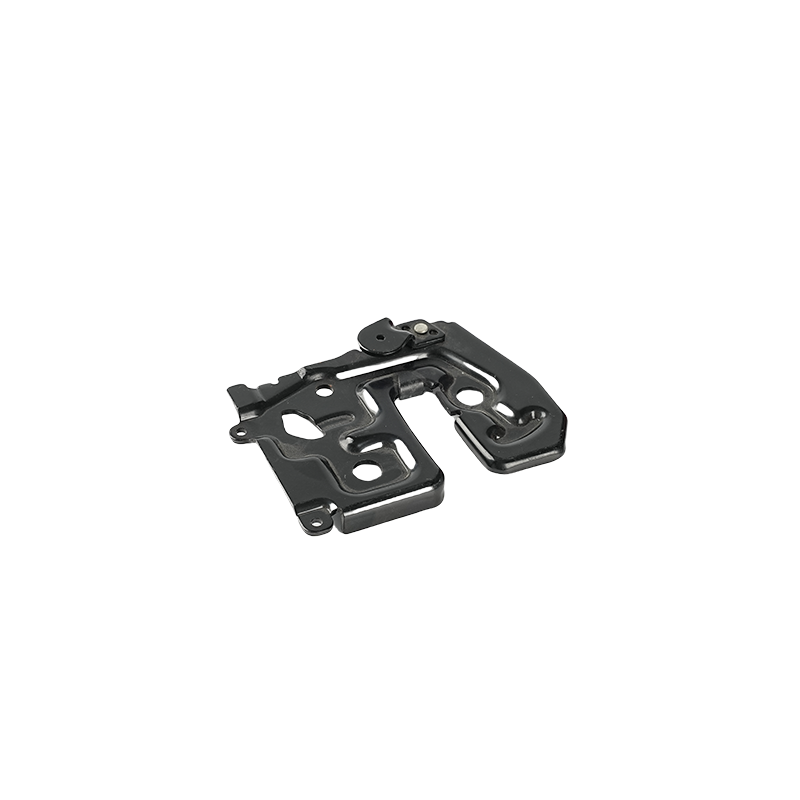
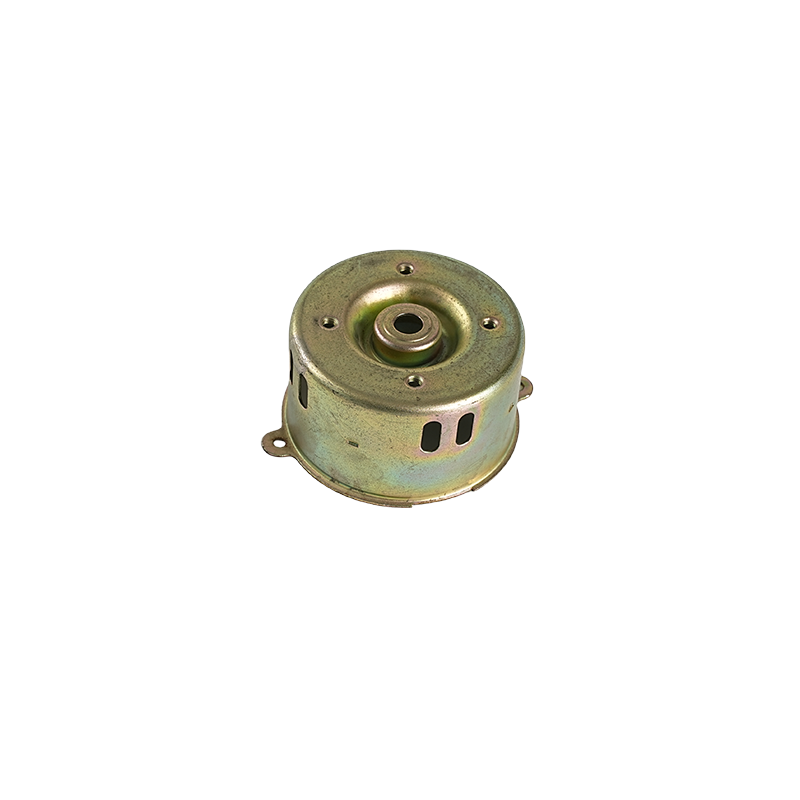
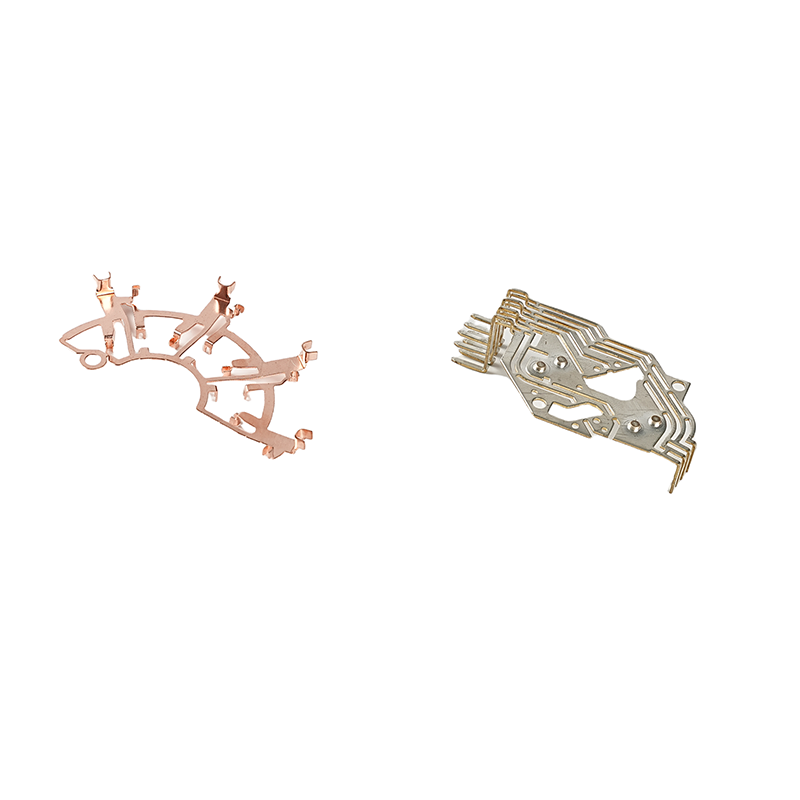
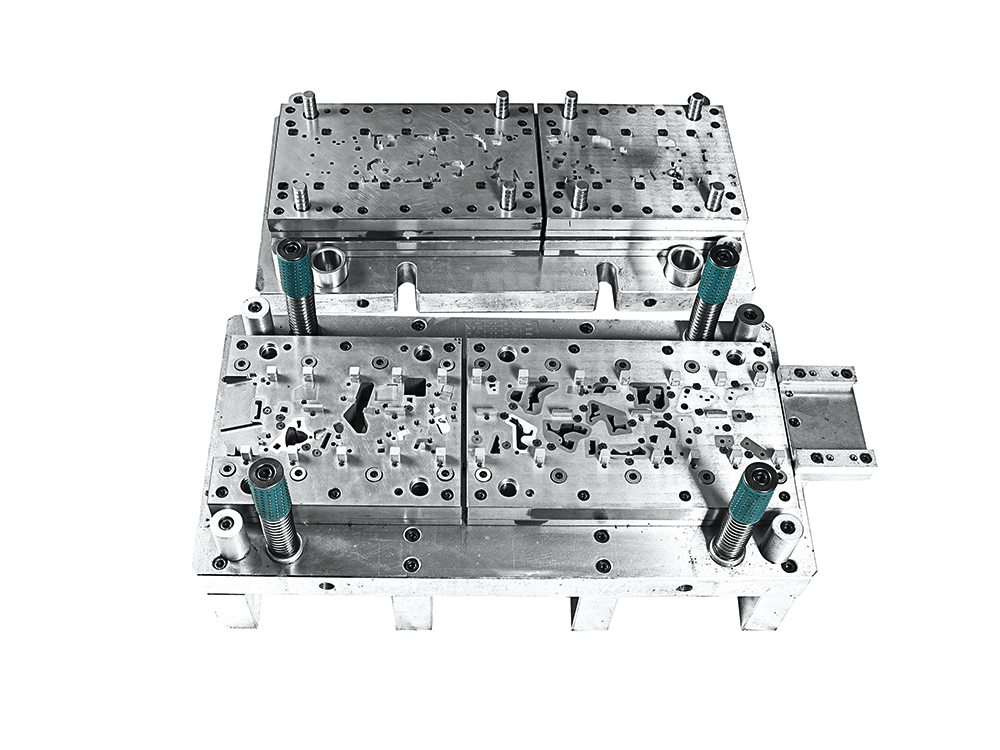
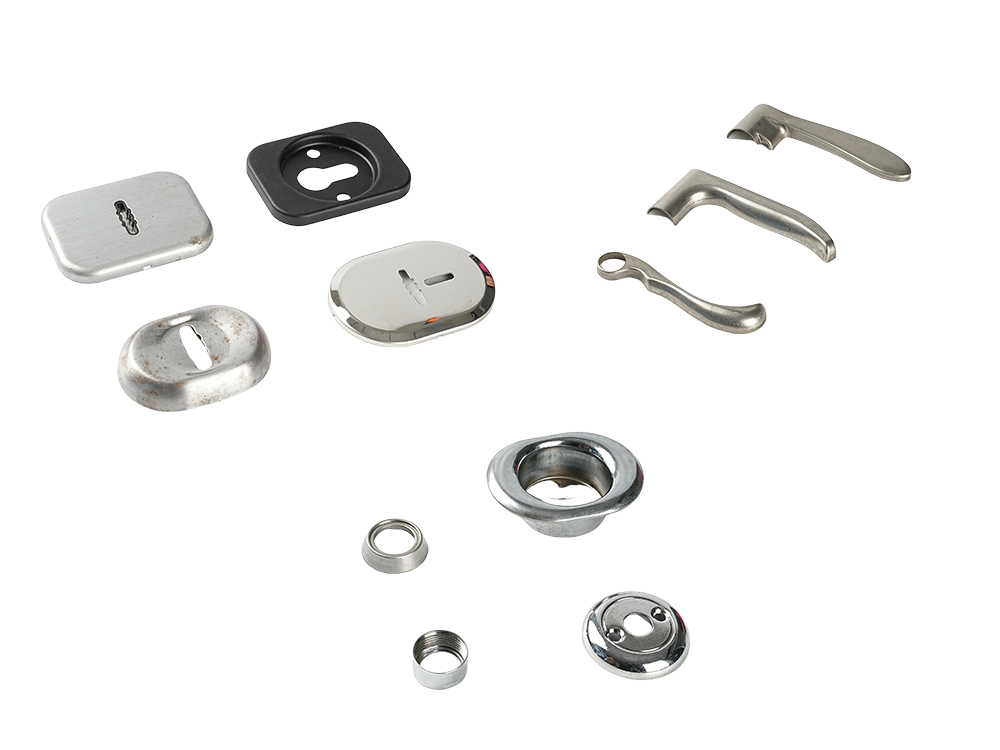
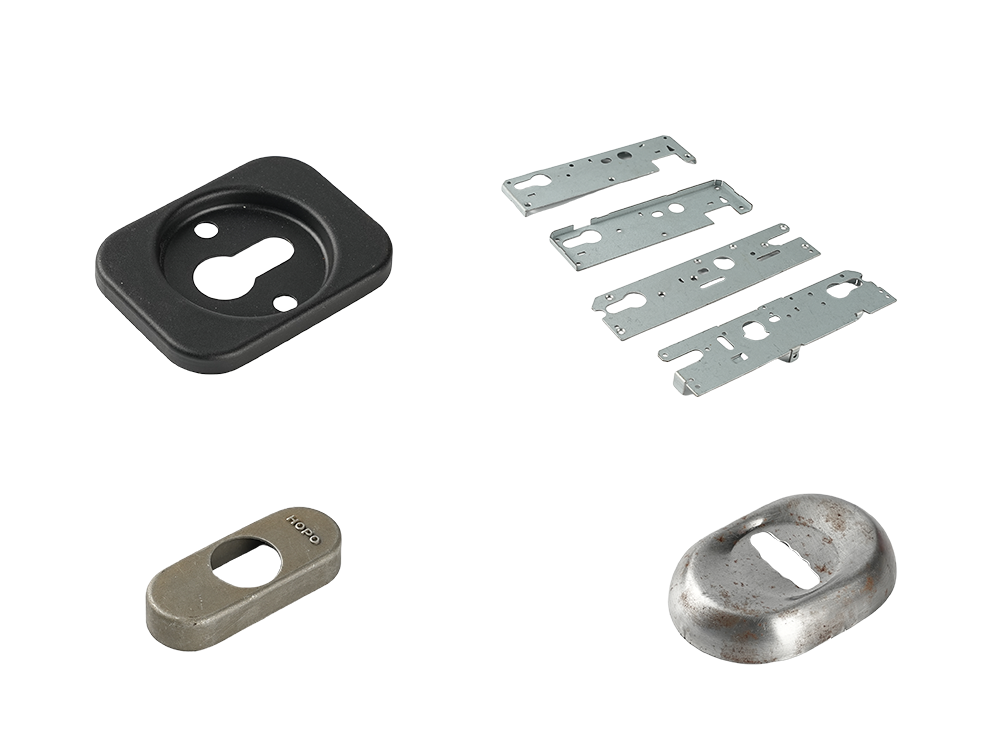
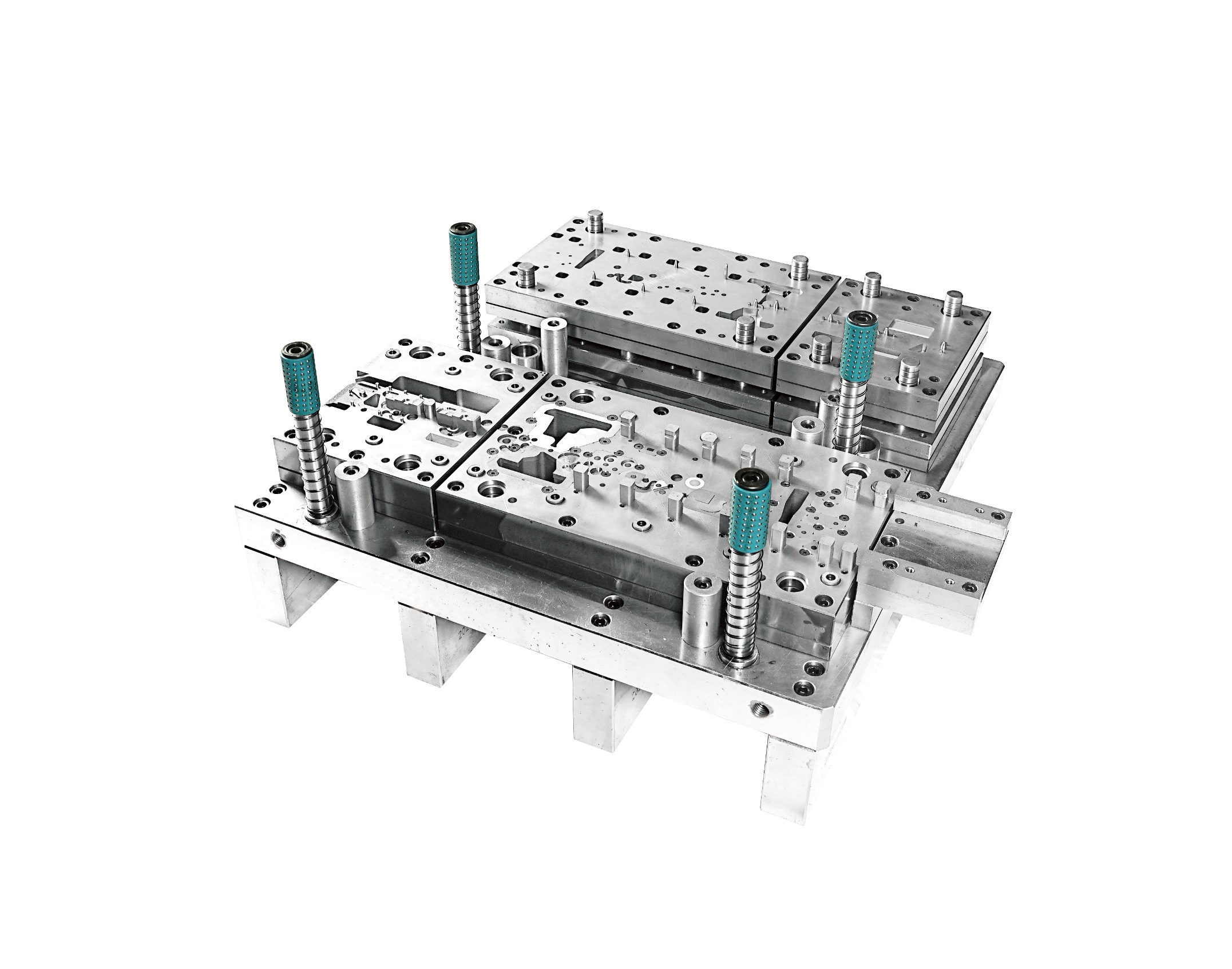
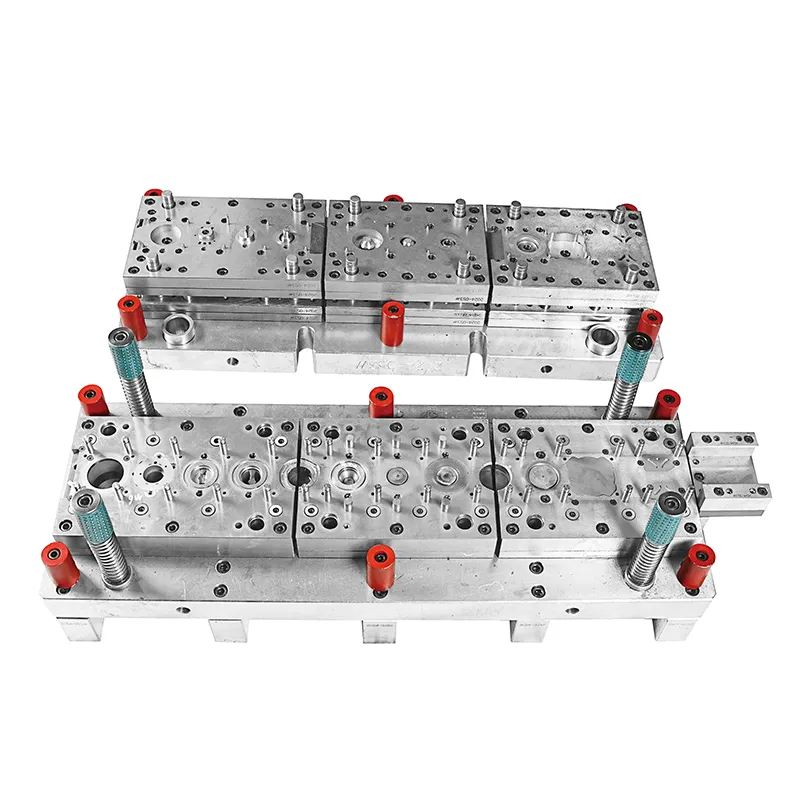
Progressive die and stamping is an advanced metal forming process that transforms flat sheet metal into complex finished parts through a series of sequential operations within a single press stroke. This manufacturing technique utilizes a specialized tooling system where the metal strip advances through multiple stations, with each station performing a specific operation such as piercing, bending, forming, or cutting. As the material progresses through the die, it undergoes incremental changes until the final part is completed and separated from the carrier strip. Progressive die and stamping excels in high-volume production environments where consistency, speed, and precision are essential requirements. The process integrates multiple manufacturing steps into one continuous operation, eliminating the need for separate tooling and multiple handling procedures. This technology serves industries ranging from automotive and electronics to appliances and medical devices, producing components like brackets, connectors, terminals, clips, and housings. The progressive die and stamping method combines automated feeding systems with precision-engineered dies to maintain tight tolerances across millions of parts. Modern progressive die and stamping operations incorporate sensors and quality control mechanisms to ensure every component meets exacting specifications. This manufacturing approach supports complex geometries and intricate details while maintaining exceptional repeatability, making it the preferred choice for manufacturers seeking to optimize production efficiency and part quality in demanding applications.
New Product Releases

Choosing progressive die and stamping delivers significant cost savings through reduced labor requirements and minimized material waste, as the automated process requires fewer operators while maximizing material utilization from each metal coil. The continuous production cycle means manufacturers achieve faster turnaround times and higher output volumes compared to traditional stamping methods, directly impacting your bottom line through improved productivity. This manufacturing approach eliminates multiple setups and tool changes, reducing downtime and increasing machine utilization rates for better return on equipment investment. Progressive die and stamping ensures consistent quality across production runs because each part undergoes identical processing steps in the same sequence, minimizing variations that could lead to defects or rejections. The method proves particularly suitable for parts requiring multiple operations, as consolidating these steps into one tool reduces handling damage and maintains precise alignment throughout the forming process. Manufacturers benefit from lower per-unit costs when producing medium to high volumes, with the break-even point often reached within reasonable production quantities. The technology accommodates various materials including steel, stainless steel, aluminum, copper, and brass in different thicknesses, providing flexibility for diverse application requirements. Progressive die and stamping supports tight tolerances and complex features that would be difficult or impossible to achieve through manual operations or less sophisticated manufacturing methods. The process enables rapid production speeds, with some systems cycling at rates exceeding 1,000 parts per minute, making it ideal for meeting aggressive delivery schedules. Companies investing in progressive die and stamping gain competitive advantages through faster time-to-market, superior quality consistency, and the ability to scale production efficiently as demand grows.

Practical Tips

Precision stamping die

17

Jul

Precision stamping die

View More
Metal stamping parts

17

Jul

Metal stamping parts

View More
Wide application of hardware products

17

Jul

Wide application of hardware products

View More
Progressive Dies: The Key Force Promoting Efficient and Precise Production in Modern Manufacturing

14

Aug

Progressive Dies: The Key Force Promoting Efficient and Precise Production in Modern Manufacturing

View More

Get a Free Quote

Our representative will contact you soon.
Email
WhatsApp
Name
Company Name
Message
0/1000

progressive die and stamping

Exceptional Production Efficiency and Speed

Exceptional Production Efficiency and Speed

Progressive die and stamping delivers unmatched production efficiency by completing multiple manufacturing operations in a single press stroke, dramatically reducing cycle times compared to conventional stamping methods. The continuous feeding system moves material through successive stations without interruption, enabling production rates that can reach thousands of parts per hour depending on part complexity and press capabilities. This streamlined workflow eliminates the need to transfer parts between different machines or workstations, reducing handling time and associated labor costs while minimizing the risk of damage during material movement. The automated nature of progressive die and stamping allows manufacturers to operate with minimal supervision, as modern presses incorporate sensors and safety systems that monitor operations and halt production if irregularities occur. This efficiency translates directly into lower manufacturing costs per unit, making high-volume production economically viable and helping manufacturers meet tight delivery schedules. The speed advantage becomes particularly valuable when producing components for fast-moving consumer products or supporting just-in-time manufacturing strategies where inventory minimization is critical for operational success.
Superior Precision and Consistent Quality

Superior Precision and Consistent Quality

Progressive die and stamping achieves exceptional dimensional accuracy and repeatability because the tooling maintains precise control over every forming operation throughout the production sequence. Each station in the progressive die performs its designated operation at exactly the same position relative to pilot holes or reference features, ensuring perfect alignment and consistent results across millions of parts. The rigid die construction and precision-ground components maintain tolerances as tight as plus or minus 0.001 inches, meeting the demanding requirements of industries like electronics and medical devices where component fit and function are critical. This manufacturing method eliminates cumulative errors that can occur when parts move between separate operations, as the material remains securely positioned within the die throughout the entire forming process. Progressive die and stamping produces parts with uniform mechanical properties because each blank receives identical treatment, reducing variability in strength, hardness, and other material characteristics. Quality control becomes more manageable since the process parameters remain constant, allowing operators to monitor key dimensions and make adjustments that affect all subsequent parts immediately. This consistency reduces scrap rates and rework requirements, improving overall manufacturing efficiency and customer satisfaction through reliable delivery of defect-free components.
Versatile Application Across Multiple Industries

Versatile Application Across Multiple Industries

Progressive die and stamping adapts to an impressive range of applications across diverse industries, from automotive electrical connectors to consumer electronics components and medical device parts. The technology handles various materials and thicknesses, accommodating design requirements for different strength levels, corrosion resistance, and conductivity properties essential to specific applications. Manufacturers use progressive die and stamping to produce simple flat washers as well as complex three-dimensional components featuring multiple bends, embossments, and formed features in a single operation. The process supports secondary operations like tapping, clinching, and insert installation within the progressive die itself, further expanding its versatility and eliminating additional processing steps. Design engineers appreciate the flexibility to incorporate features like mounting tabs, alignment notches, and strengthening ribs that would be difficult to add through other manufacturing methods. Progressive die and stamping proves equally effective for producing micro-components measuring just millimeters across and larger structural parts spanning several inches, demonstrating remarkable scalability. This versatility makes progressive die and stamping a strategic manufacturing investment that can serve multiple product lines and adapt to changing market demands without requiring completely new equipment or extensive retooling, providing long-term value for manufacturers across various sectors.

Get a Free Quote

Our representative will contact you soon.
Email
WhatsApp
Name
Company Name
Message
0/1000