Stamped Metal Components - Precision Parts

All Categories

stamped metal components

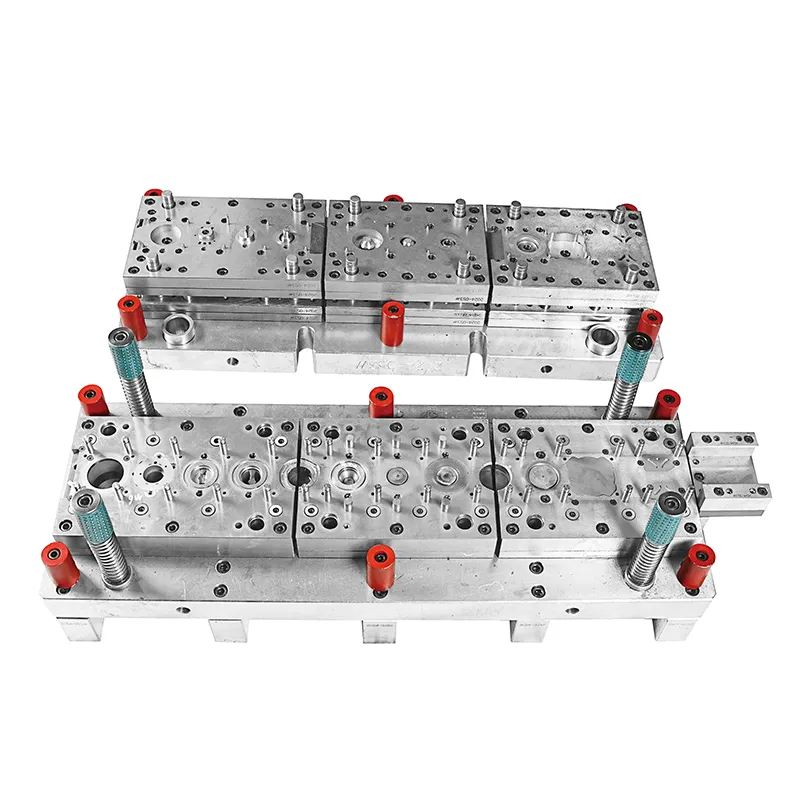
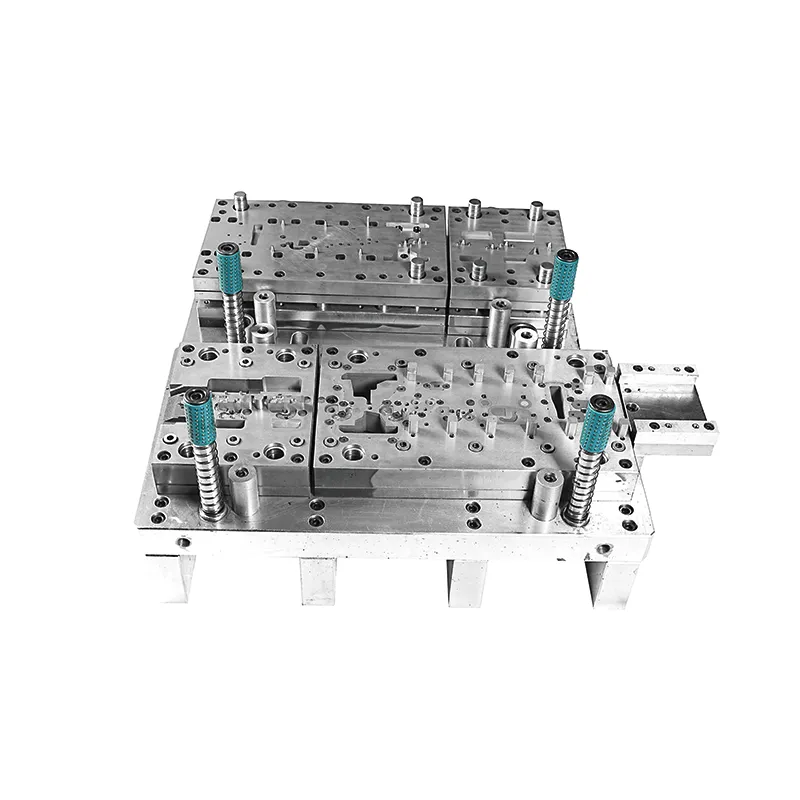
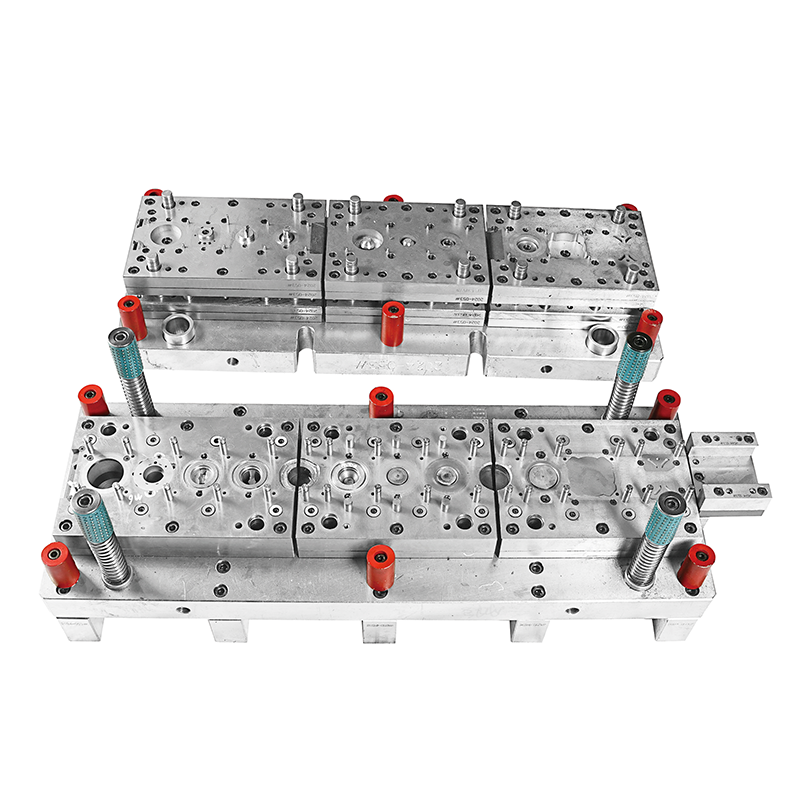
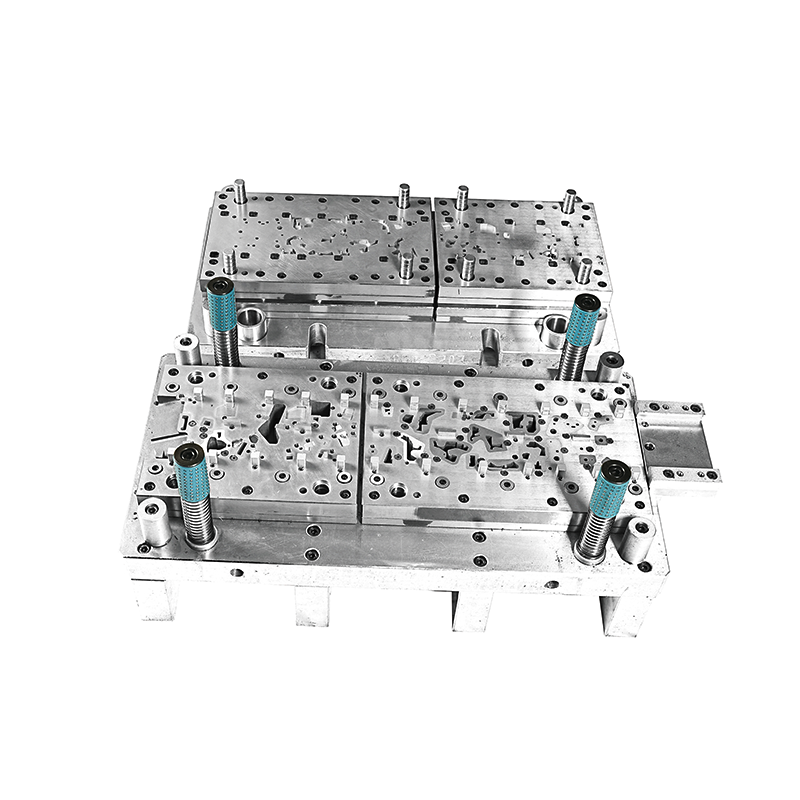
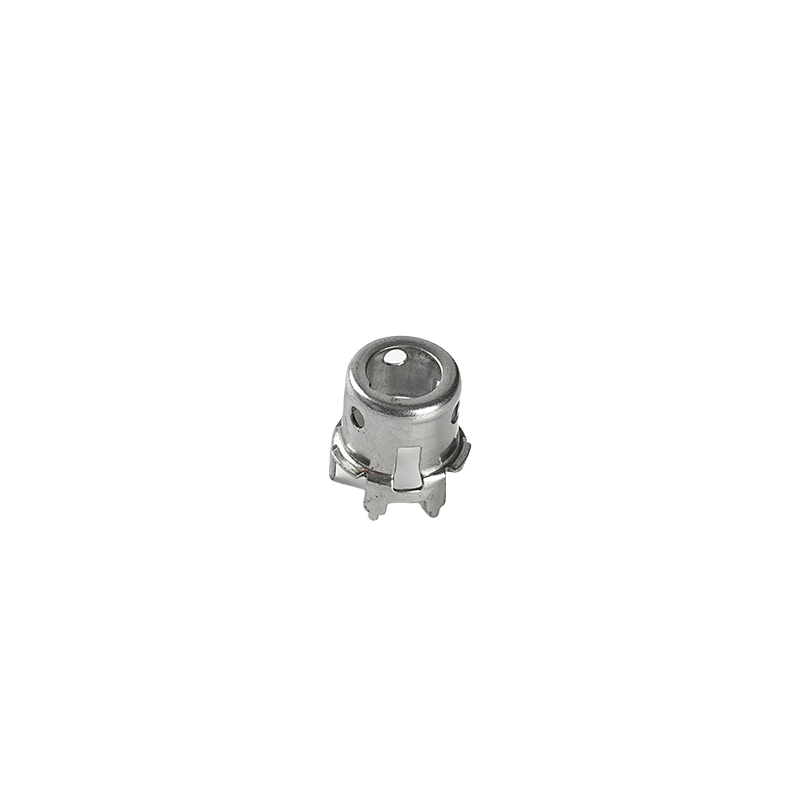
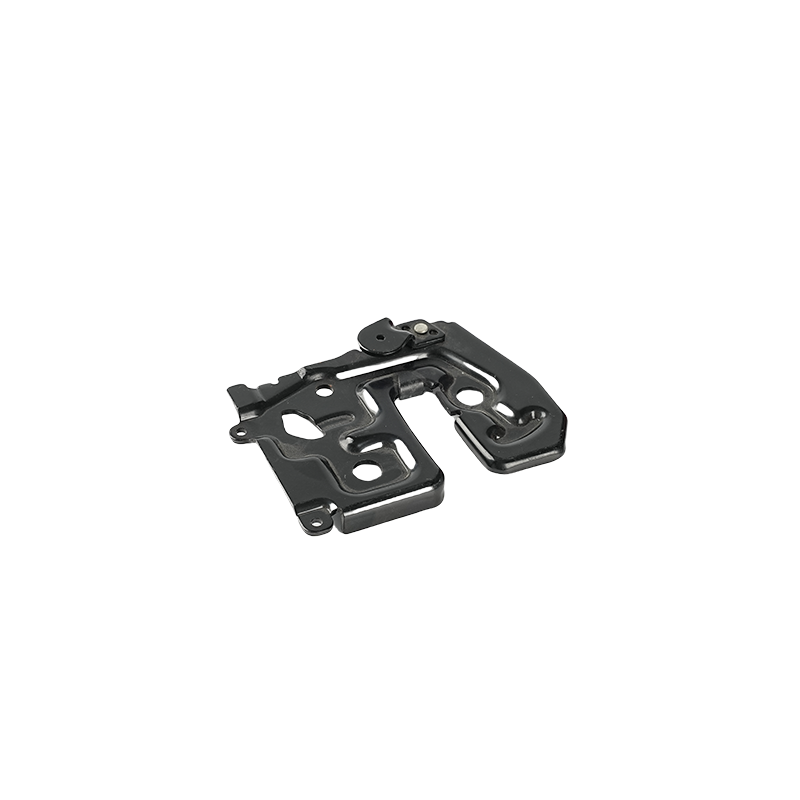
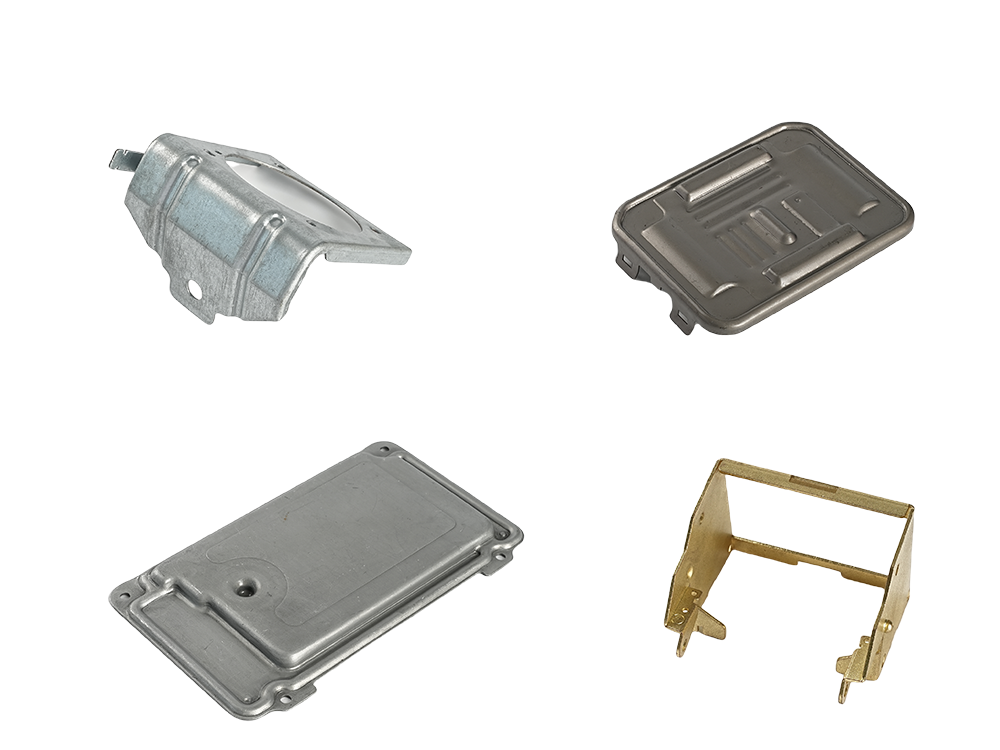
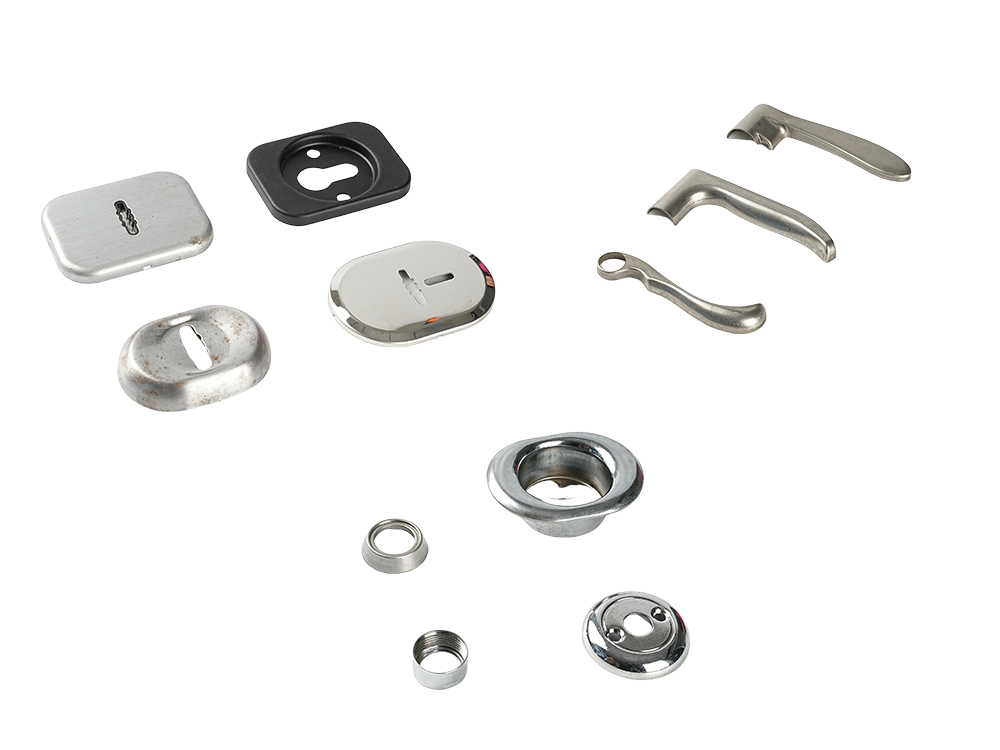
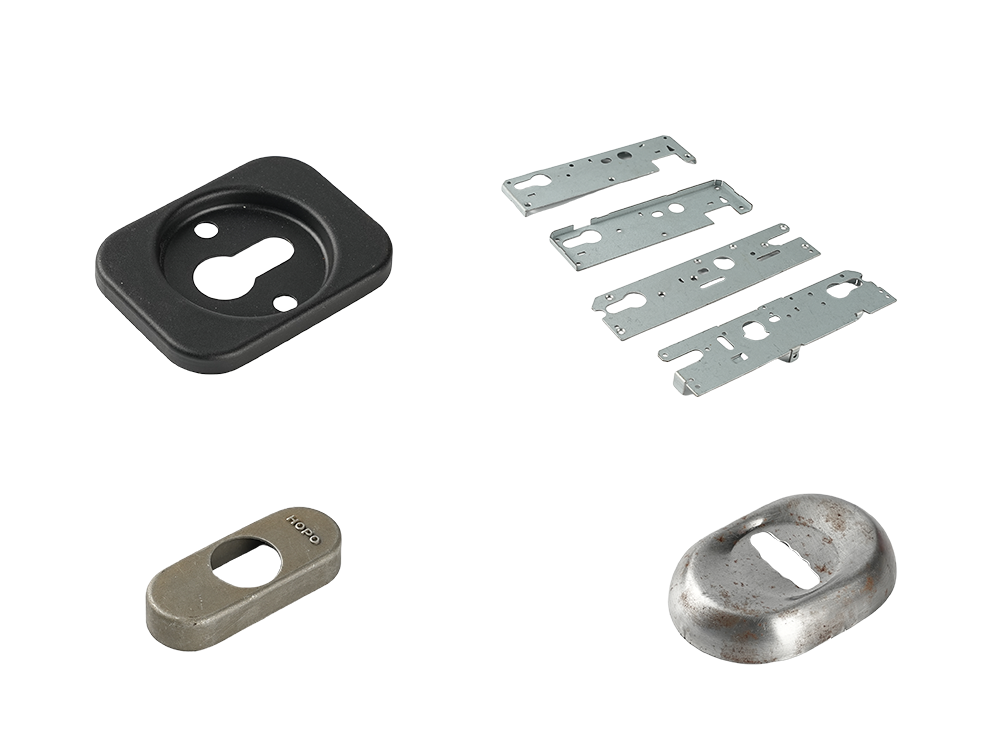
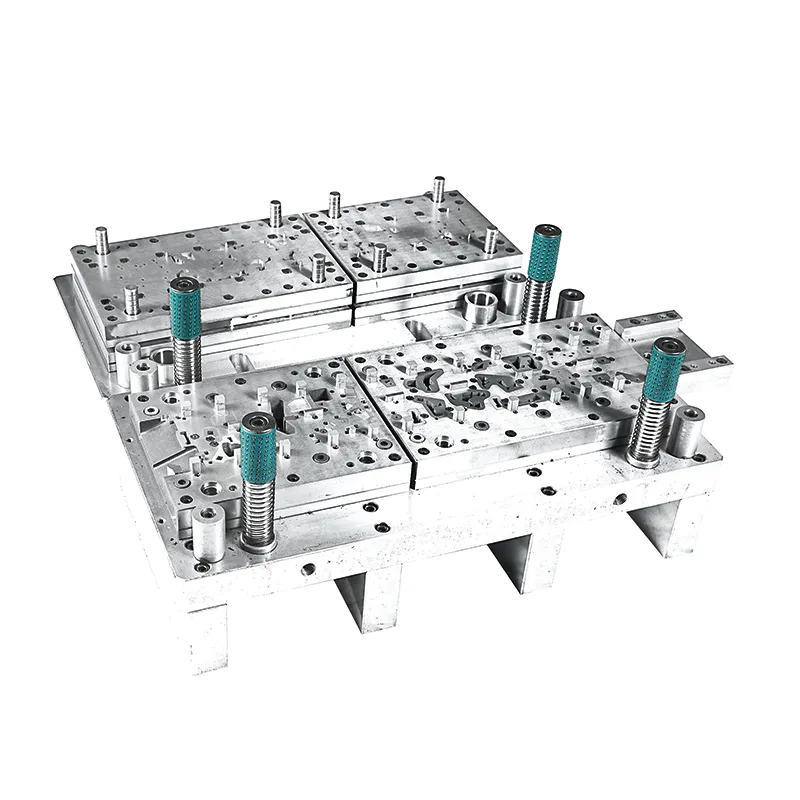
Stamped metal components are precision-engineered parts created through a high-speed manufacturing process that transforms flat metal sheets into specific shapes and configurations. This metalworking technique uses specialized dies and presses to cut, bend, form, and shape metal materials into functional components used across numerous industries. The stamping process involves feeding sheet metal through a press where tooling and dies apply tremendous force to create the desired part geometry in a single stroke or series of operations. Stamped metal components serve essential functions in automotive assemblies, electronics enclosures, appliance construction, aerospace systems, and medical devices. These components range from simple brackets and clips to complex structural parts and intricate electrical contacts. The technology behind stamped metal components combines mechanical engineering, material science, and precision tooling to achieve tight tolerances and consistent quality across high-volume production runs. Modern stamping operations utilize progressive dies that perform multiple operations sequentially, transfer dies for larger parts, and compound dies for simultaneous cutting and forming. The versatility of stamped metal components makes them indispensable in modern manufacturing, offering solutions for load-bearing structures, decorative trim, functional hardware, electrical connections, and protective housings. Materials commonly used include steel, stainless steel, aluminum, copper, brass, and specialized alloys selected based on strength requirements, corrosion resistance, electrical conductivity, and cost considerations. The stamping process delivers exceptional repeatability, making stamped metal components ideal for applications demanding consistent performance and dimensional accuracy across millions of parts.
New Product Recommendations

Choosing stamped metal components provides substantial cost advantages for your manufacturing operations, particularly when producing medium to high volumes. The stamping process generates parts rapidly, with cycle times measured in seconds or fractions of seconds, enabling production of thousands or millions of identical components efficiently. This speed translates directly into lower per-unit costs compared to alternative manufacturing methods like machining or casting. Material utilization reaches optimal levels as stamping operations can nest multiple parts on a single metal sheet, minimizing scrap and reducing raw material expenses. The durability of stamped metal components ensures long service life in demanding applications, reducing replacement frequency and maintenance costs over the product lifecycle. These components maintain structural integrity under stress, vibration, and temperature variations, making them reliable choices for critical applications. The design flexibility inherent in stamping allows manufacturers to incorporate multiple features into a single component, such as holes, slots, ribs, embossments, and formed edges, eliminating secondary operations and assembly steps. This consolidation reduces overall production time and labor costs while improving product consistency. Stamped metal components offer excellent strength-to-weight ratios, particularly important in automotive and aerospace applications where weight reduction directly impacts fuel efficiency and performance. The process accommodates various metal thicknesses and material types, providing options to match specific application requirements for conductivity, corrosion resistance, or magnetic properties. Quality control becomes straightforward as stamped metal components exhibit high repeatability, with each part matching specifications precisely when proper tooling maintenance practices are followed. The established nature of stamping technology means widely available expertise, equipment, and support infrastructure, reducing risks associated with supplier selection and ensuring continuity of supply for your production needs.

Latest News

Sheet Metal Stamping Manufacturers

17

Jul

Sheet Metal Stamping Manufacturers

View More
Metal stamping parts

17

Jul

Metal stamping parts

View More
Wide application of hardware products

17

Jul

Wide application of hardware products

View More
Industry Trends Analysis: Precision Stamping & Mold Manufacturing 2026

22

Apr

Industry Trends Analysis: Precision Stamping & Mold Manufacturing 2026

View More

Get a Free Quote

Our representative will contact you soon.
Email
WhatsApp
Name
Company Name
Message
0/1000

stamped metal components

Superior Production Efficiency and Scalability

Superior Production Efficiency and Scalability

Stamped metal components excel in high-volume manufacturing environments where speed and consistency determine profitability. The stamping process operates at remarkable speeds, with modern presses capable of producing between 200 and 1,500 parts per minute depending on part complexity and material thickness. This exceptional throughput makes stamped metal components the economical choice when production quantities exceed several thousand pieces annually. The initial investment in tooling and dies is quickly amortized across large production runs, with per-part costs decreasing substantially as volumes increase. Progressive stamping operations perform multiple forming operations in a single press stroke, creating complex geometries without manual intervention or part repositioning between steps. This automation reduces labor requirements and eliminates human error, ensuring every stamped metal component meets exact specifications. The scalability of stamping operations allows manufacturers to adjust production rates according to demand fluctuations without compromising quality or dimensional accuracy. Once tooling is validated and production parameters are established, stamped metal components maintain consistent quality across millions of parts, providing the reliability essential for assembly line operations and just-in-time manufacturing strategies that minimize inventory carrying costs.
Exceptional Versatility in Design and Material Options

Exceptional Versatility in Design and Material Options

Stamped metal components accommodate an impressive range of design configurations and material selections, providing engineers with creative freedom to optimize parts for specific performance requirements. The stamping process successfully forms metals ranging from soft aluminum and copper to high-strength stainless steel and specialized alloys, with thicknesses from ultra-thin foils to heavy-gauge plates. This material flexibility enables manufacturers to select the optimal combination of strength, weight, conductivity, corrosion resistance, and cost for each application. Complex three-dimensional shapes emerge from flat sheets through carefully sequenced bending, drawing, and forming operations, creating components with functional features like mounting tabs, stiffening ribs, spring characteristics, and precise alignment features. Stamped metal components can integrate multiple functions into single parts, reducing assembly complexity and eliminating potential failure points associated with mechanical fasteners or adhesive joints. Surface treatments and coatings apply easily to stamped metal components, providing enhanced corrosion protection, improved aesthetics, or modified surface properties for wear resistance and reduced friction. The design iterations and prototyping for stamped metal components occur relatively quickly compared to alternative manufacturing methods, as tooling modifications require less time and expense than reprogramming complex machining operations or creating new casting patterns.
Outstanding Structural Integrity and Performance Reliability

Outstanding Structural Integrity and Performance Reliability

Stamped metal components deliver exceptional mechanical properties that ensure reliable performance throughout their service life in demanding applications. The cold-working nature of the stamping process actually strengthens metals through work hardening, increasing yield strength and tensile properties beyond those of the base material. This inherent strength enhancement means stamped metal components resist deformation under load while maintaining dimensional stability across wide temperature ranges. The uniform material thickness and controlled forming process create predictable stress distributions, allowing engineers to design with confidence using established engineering principles and finite element analysis. Stamped metal components maintain their structural characteristics under cyclic loading conditions, providing fatigue resistance essential for automotive, aerospace, and industrial equipment applications subject to continuous vibration and repeated stress cycles. The material homogeneity of stamped metal components eliminates concerns about porosity, inclusions, or internal voids that can compromise parts produced through casting or powder metallurgy processes. Quality stamped metal components exhibit excellent dimensional consistency, with tolerances achievable to within thousandths of an inch when proper tooling design and maintenance protocols are implemented. This precision ensures proper fit and function in assembly operations, reducing rejection rates and eliminating costly rework while supporting automated assembly processes that demand reliable part geometry for successful robotic handling and placement.

Get a Free Quote

Our representative will contact you soon.
Email
WhatsApp
Name
Company Name
Message
0/1000