Auto Parts Stamping Solutions for Manufacturers

All Categories

auto parts stamping

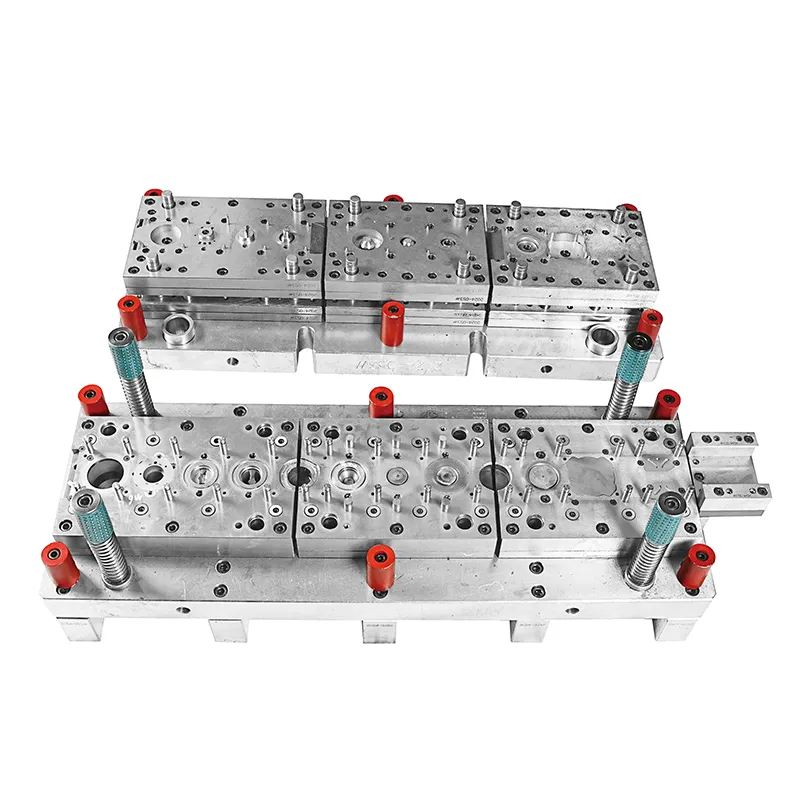
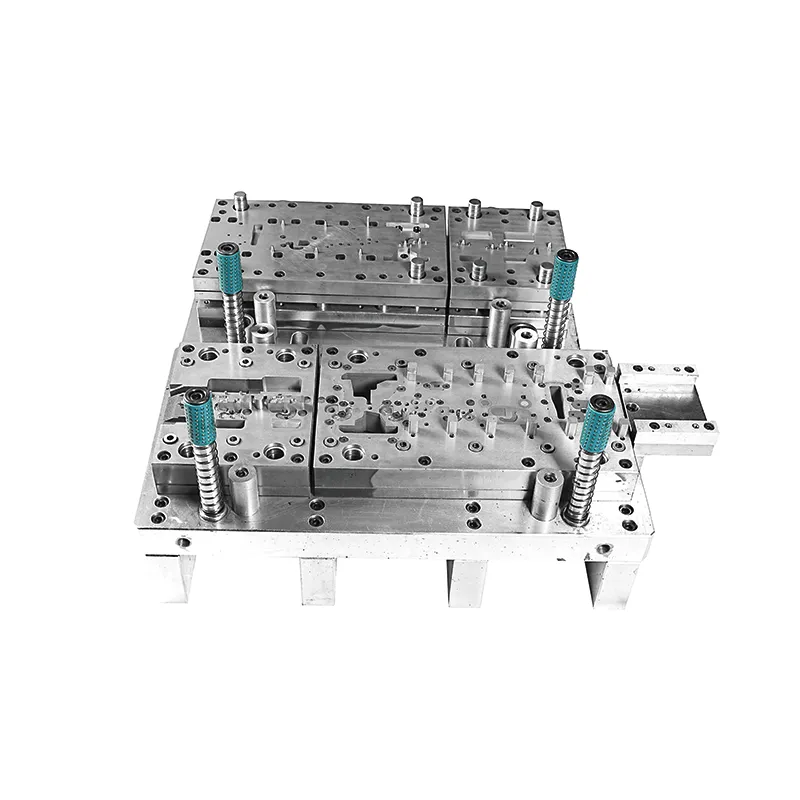
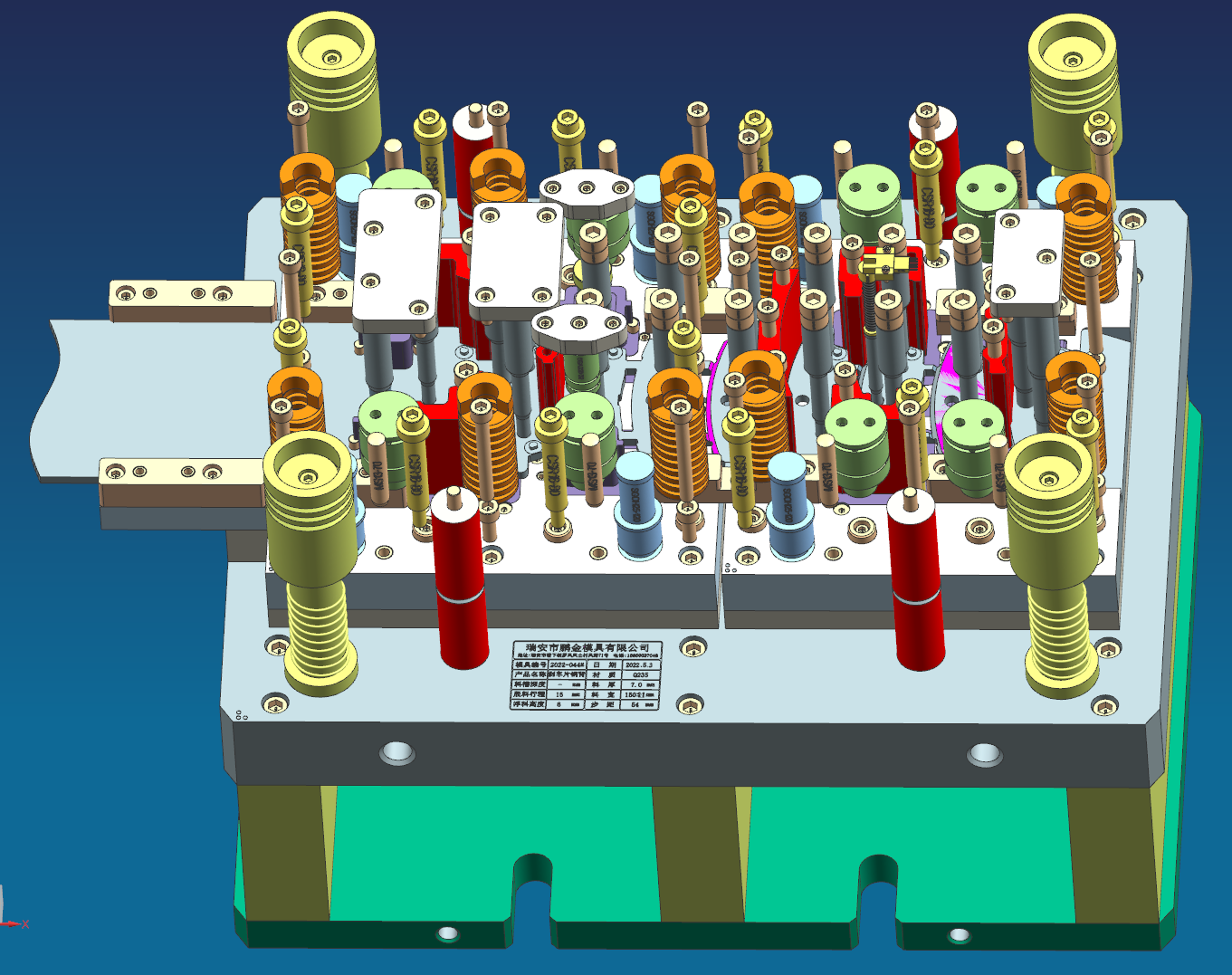
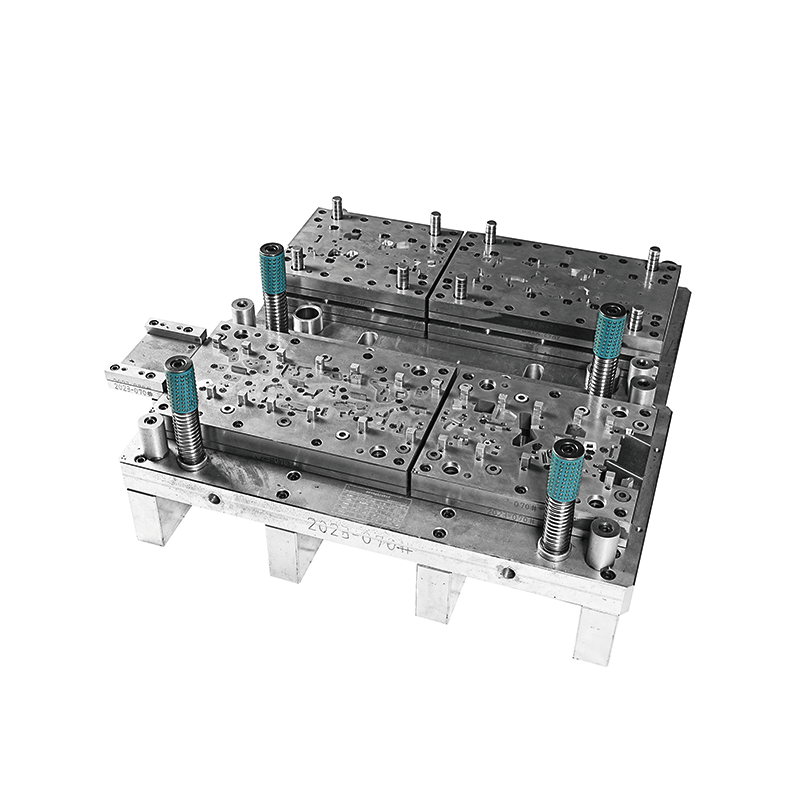
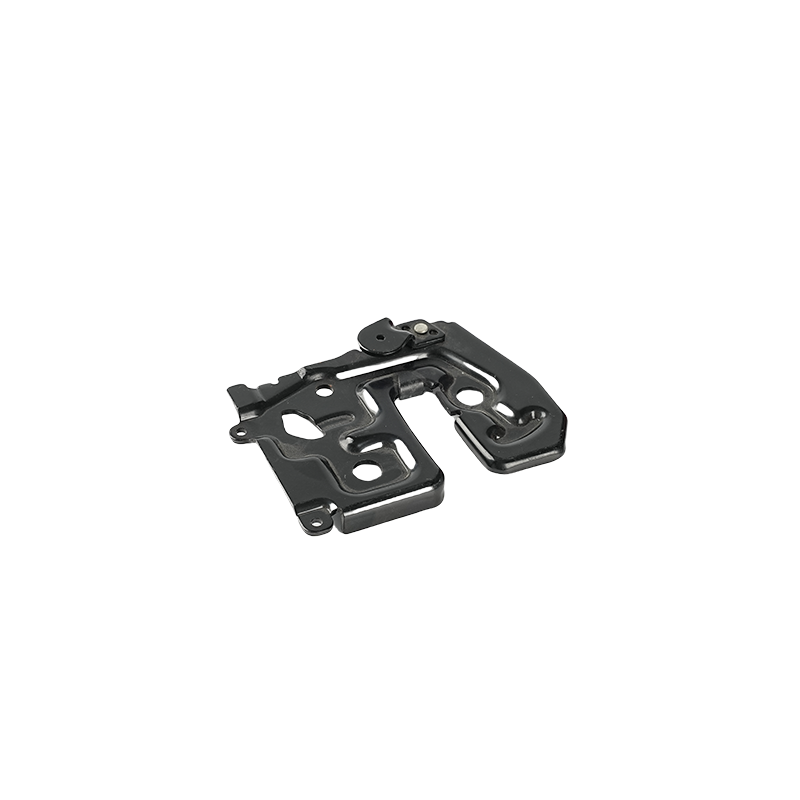
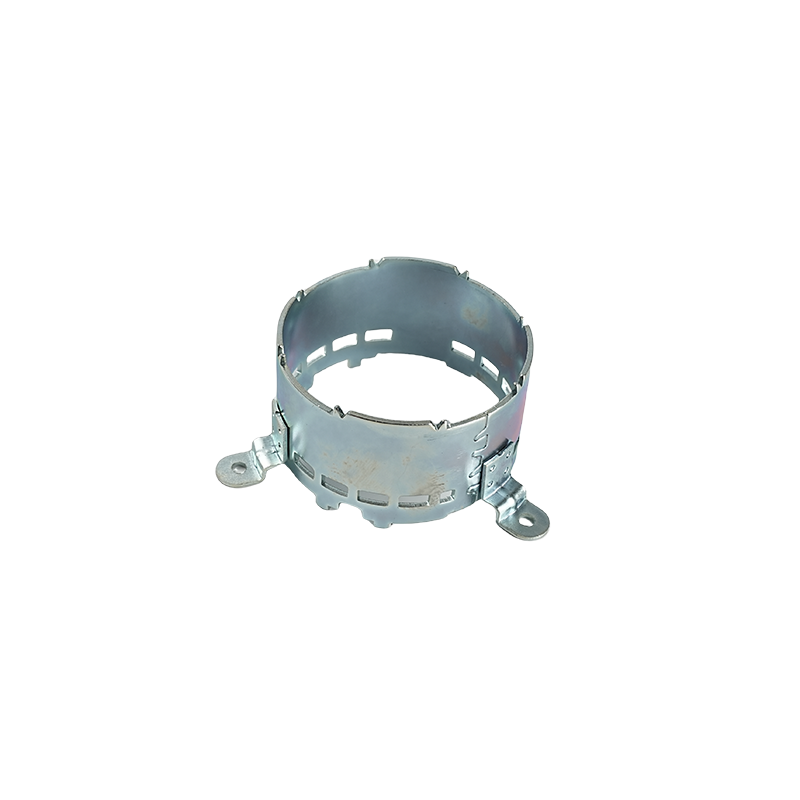
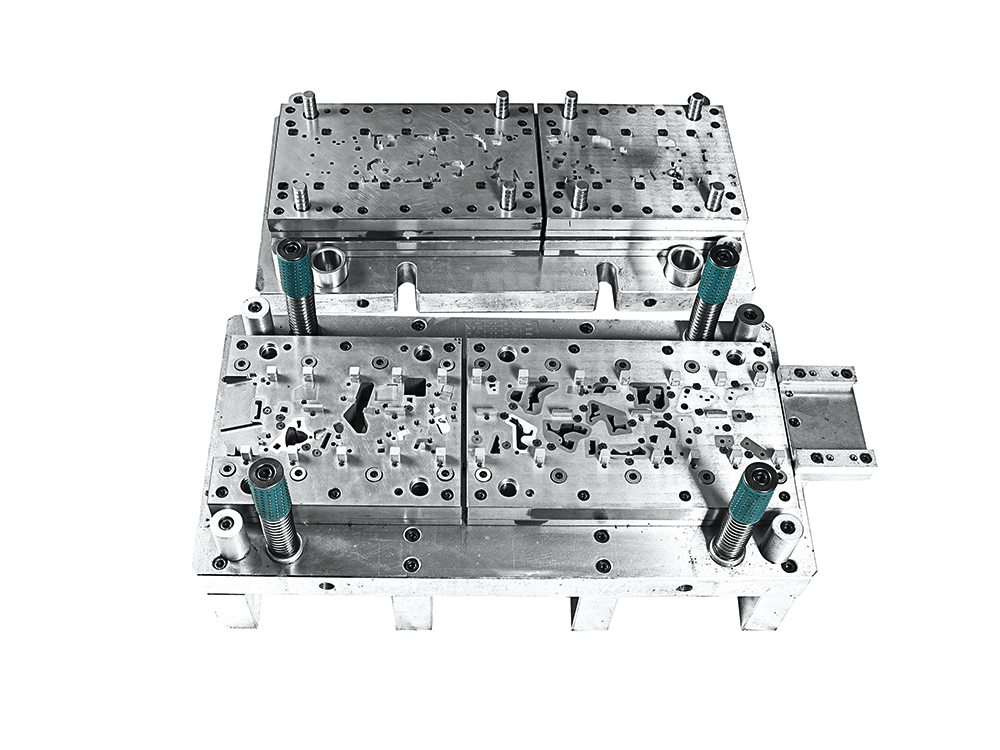
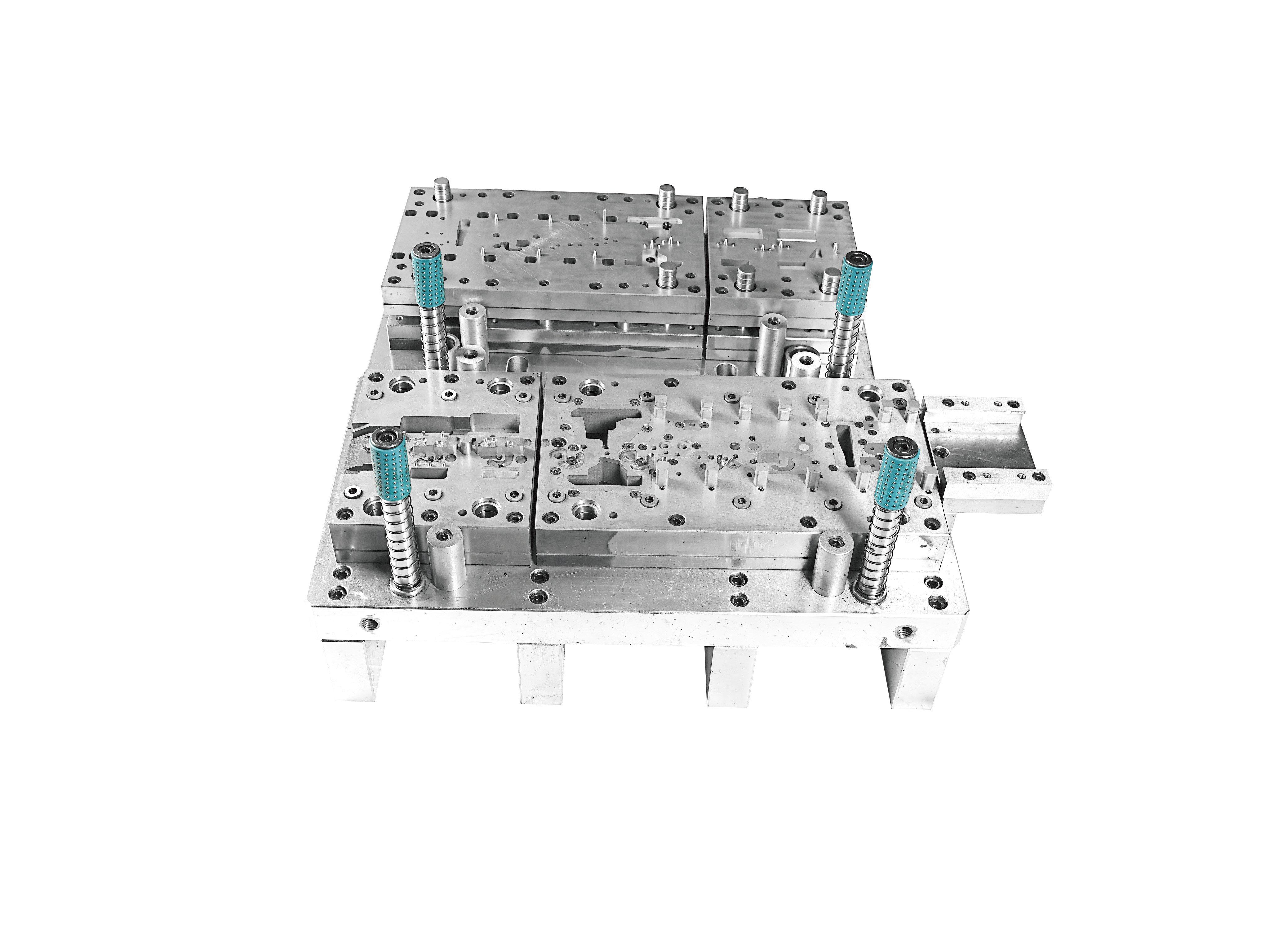
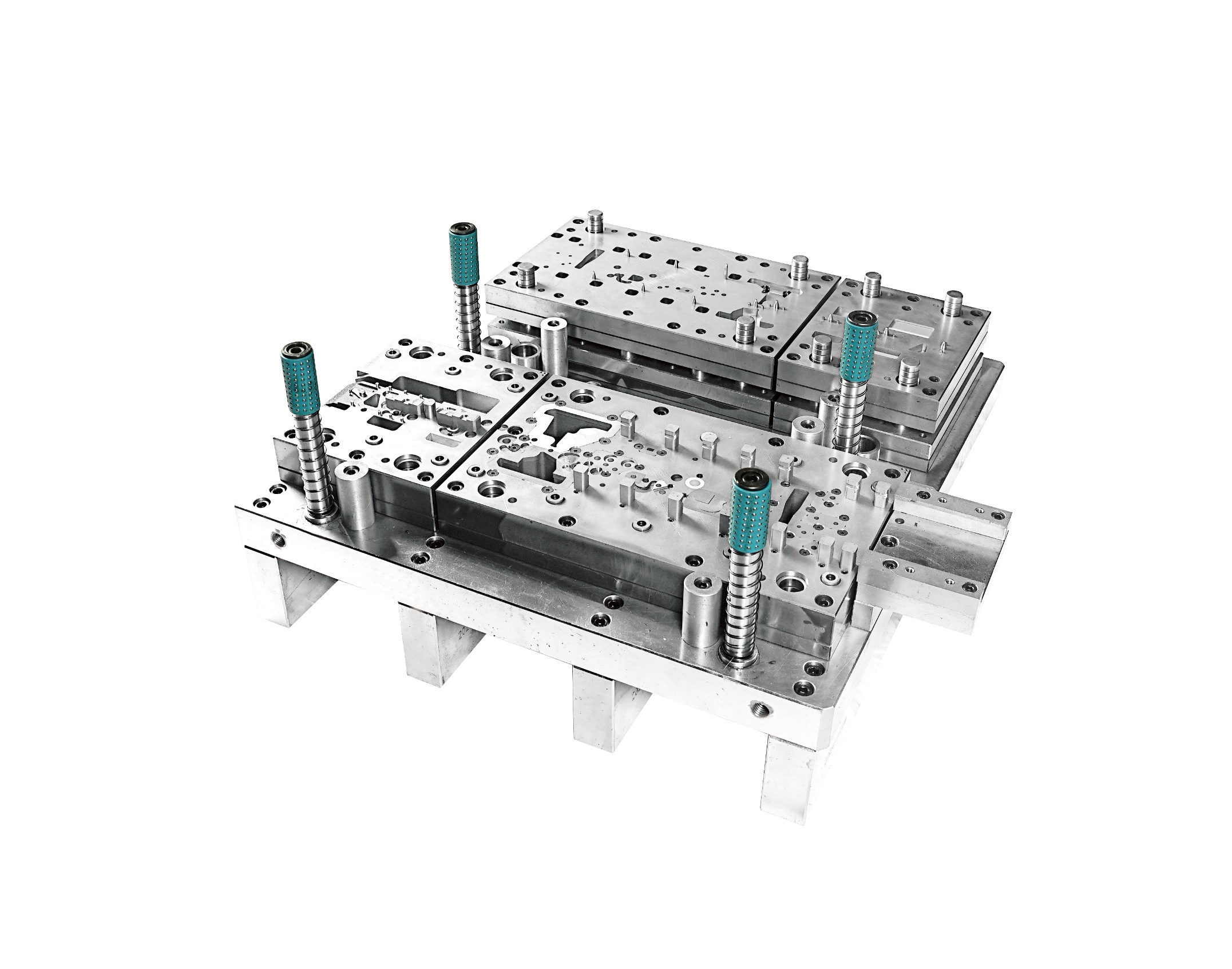
Auto parts stamping is a precision manufacturing process that transforms flat metal sheets into complex three-dimensional components used throughout the automotive industry. This advanced metalworking technique utilizes high-pressure dies and specialized presses to shape, cut, punch, and form sheet metal into exact specifications required for vehicle assembly. The process creates essential structural and functional components including body panels, brackets, chassis parts, engine mounts, transmission housings, and countless other critical automotive elements. Auto parts stamping combines speed, accuracy, and repeatability to produce millions of identical components with minimal variation. The technology employs progressive dies that perform multiple operations in sequence, allowing manufacturers to complete complex parts in seconds. Modern auto parts stamping facilities integrate computer-controlled hydraulic and mechanical presses capable of exerting forces ranging from several tons to thousands of tons. The process accommodates various metals including steel, aluminum, stainless steel, and specialized alloys, each selected for specific performance requirements. Quality control systems monitor dimensional accuracy, surface finish, and structural integrity throughout production. Auto parts stamping supports both high-volume manufacturing for mass-market vehicles and smaller production runs for specialty applications. The process enables tight tolerances, consistent material thickness, and excellent surface quality while minimizing waste. As automotive design evolves toward lightweight construction and enhanced safety standards, auto parts stamping continues advancing through innovations in die design, material science, and automation technology, making it indispensable to modern vehicle manufacturing.

Popular Products

Auto parts stamping delivers exceptional cost efficiency for manufacturers seeking to produce large quantities of components without compromising quality standards. The automated nature of the process significantly reduces labor costs while maintaining consistent output, allowing companies to allocate resources more strategically. Production speed stands as a major advantage, with modern stamping operations producing hundreds or thousands of parts per hour, dramatically shortening lead times and enabling just-in-time manufacturing strategies. This rapid production capability helps automotive manufacturers respond quickly to market demands and maintain lean inventory systems. The precision achieved through auto parts stamping ensures that every component meets exact specifications, reducing assembly problems and warranty claims while improving overall vehicle quality. Material utilization rates exceed those of many alternative manufacturing methods, as advanced nesting software optimizes sheet layout to minimize scrap and reduce raw material costs. The strength and durability of stamped components result from the work-hardening effect that occurs during the forming process, creating parts that withstand operational stresses throughout vehicle lifespans. Versatility represents another significant benefit, as auto parts stamping accommodates diverse designs from simple brackets to complex structural members, supporting innovation in automotive engineering. The process integrates seamlessly with surface treatment operations including painting, plating, and coating, providing complete manufacturing solutions. Tooling investments, while substantial initially, amortize across millions of parts, making the per-unit cost remarkably competitive for high-volume applications. Environmental benefits emerge through reduced material waste, energy-efficient production, and the recyclability of both scrap material and end-of-life components. These combined advantages make auto parts stamping the preferred choice for manufacturers prioritizing quality, efficiency, and economic sustainability in automotive component production.

Practical Tips

Precision stamping die

17

Jul

Precision stamping die

View More
Metal stamping parts

17

Jul

Metal stamping parts

View More
Various applications of precision molds

17

Jul

Various applications of precision molds

View More
Progressive Dies: The Key Force Promoting Efficient and Precise Production in Modern Manufacturing

14

Aug

Progressive Dies: The Key Force Promoting Efficient and Precise Production in Modern Manufacturing

View More

Get a Free Quote

Our representative will contact you soon.
Email
WhatsApp
Name
Company Name
Message
0/1000

auto parts stamping

Superior Dimensional Accuracy and Repeatability

Superior Dimensional Accuracy and Repeatability

Auto parts stamping achieves exceptional dimensional consistency that other manufacturing methods struggle to match, ensuring every component produced meets stringent automotive quality standards. The precision-engineered dies used in stamping operations maintain tolerances measured in hundredths of millimeters, critical for parts that must align perfectly during vehicle assembly. This accuracy eliminates costly rework, reduces assembly line delays, and prevents fitment issues that could compromise vehicle performance or safety. The repeatability inherent in stamping processes means the first part produced is virtually identical to the millionth part, providing manufacturers with predictable quality outcomes and reducing statistical variation in production. Advanced servo-driven presses with computerized controls monitor force, position, and timing with microsecond precision, adjusting parameters in real-time to compensate for material variations or environmental factors. This technological sophistication translates directly into reduced rejection rates, lower warranty costs, and enhanced brand reputation. For automotive engineers, the dimensional reliability of auto parts stamping enables tighter design specifications and more ambitious vehicle architectures, knowing that manufactured components will consistently meet design intent without requiring extensive secondary machining or adjustment operations.
Rapid Production Cycles Supporting Market Demands

Rapid Production Cycles Supporting Market Demands

The speed advantage of auto parts stamping directly impacts a manufacturer's ability to meet tight production schedules and respond dynamically to changing market conditions. Modern progressive stamping dies perform multiple forming operations in a single press stroke, completing complex parts in cycle times measured in seconds rather than minutes. This production velocity enables automotive manufacturers to maintain lean inventory strategies, reducing warehousing costs and minimizing capital tied up in stored components. When new vehicle models launch or demand surges unexpectedly, stamping facilities can scale production rapidly without the lengthy setup times required by alternative manufacturing processes. The quick-change tooling systems employed in advanced stamping operations allow manufacturers to switch between different part numbers efficiently, supporting mixed-model production strategies essential in today's diverse automotive marketplace. High-speed stamping also reduces the per-unit energy consumption compared to slower manufacturing methods, as fixed overhead costs are distributed across more parts per operating hour. For supply chain managers, this production speed translates into shorter lead times, improved delivery reliability, and greater flexibility in accommodating engineering changes or customization requests. The combination of speed and consistency makes auto parts stamping the backbone of efficient automotive manufacturing operations worldwide.
Material Versatility and Structural Performance

Material Versatility and Structural Performance

Auto parts stamping accommodates an impressive range of materials, from traditional mild steel to advanced high-strength steels, aluminum alloys, and specialized materials engineered for specific performance characteristics. This material flexibility allows automotive designers to optimize each component for its intended function, balancing weight reduction goals against strength requirements, corrosion resistance needs, and cost constraints. The cold-forming process inherent in stamping work-hardens the metal, increasing yield strength and enhancing durability without additional heat treatment operations. Components produced through auto parts stamping exhibit excellent fatigue resistance, critical for parts subjected to repeated stress cycles throughout vehicle operation. The process preserves material grain structure in beneficial orientations, maximizing mechanical properties along load-bearing axes. Stamping also enables manufacturers to incorporate design features that enhance structural performance, including ribs, embossments, and formed edges that increase stiffness without adding material weight. For lightweighting initiatives increasingly important in electric vehicle development, aluminum stamping provides substantial weight savings while maintaining crashworthiness and structural integrity. The ability to process coated or pre-painted materials further expands application possibilities, enabling corrosion protection to be integrated during manufacturing rather than applied as a secondary operation, improving efficiency and environmental performance across the automotive production ecosystem.

Get a Free Quote

Our representative will contact you soon.
Email
WhatsApp
Name
Company Name
Message
0/1000