stamping automotive parts
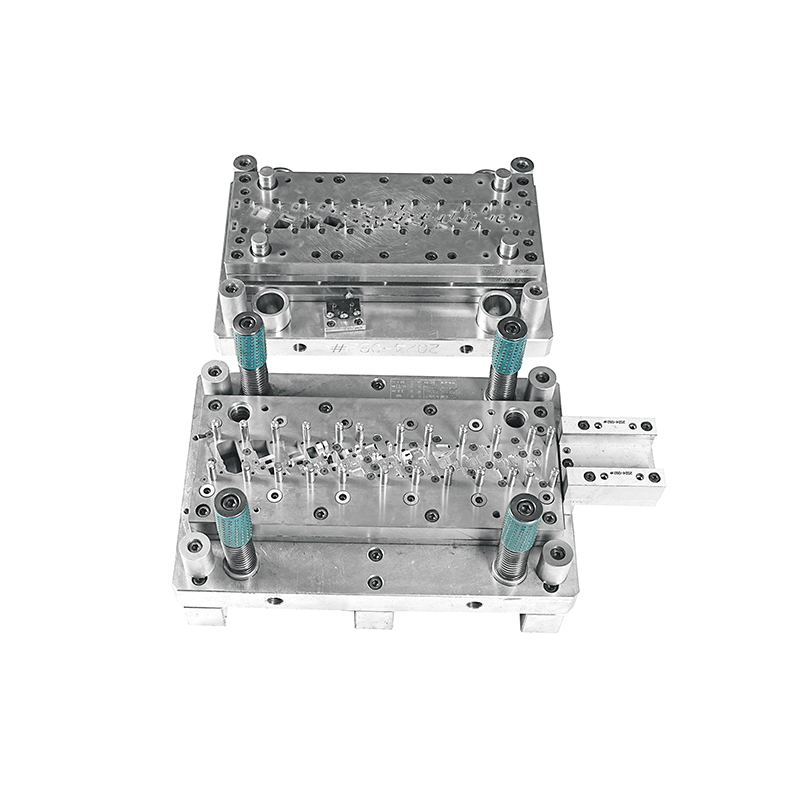
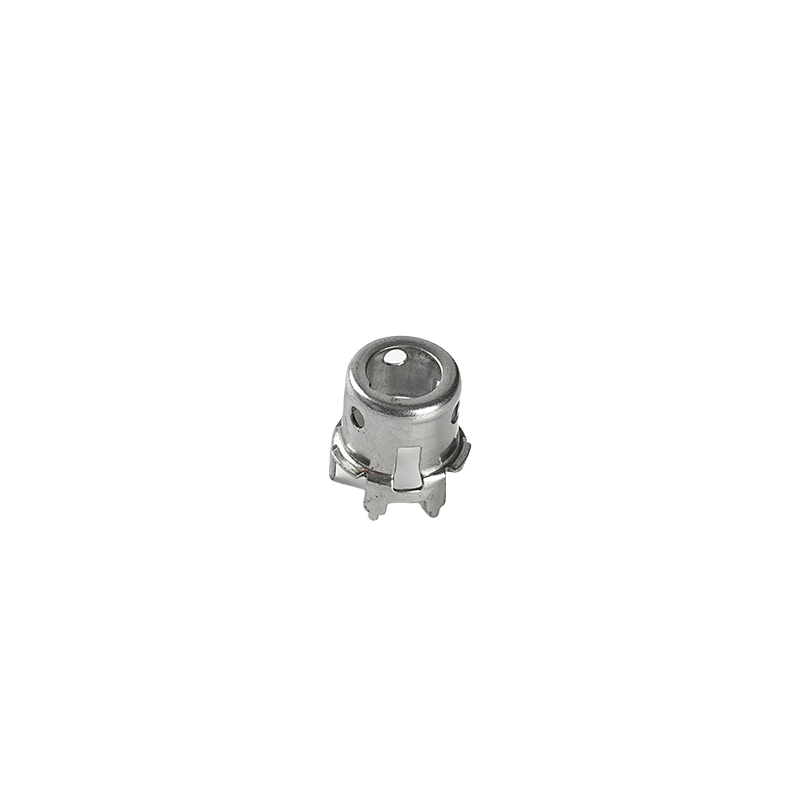
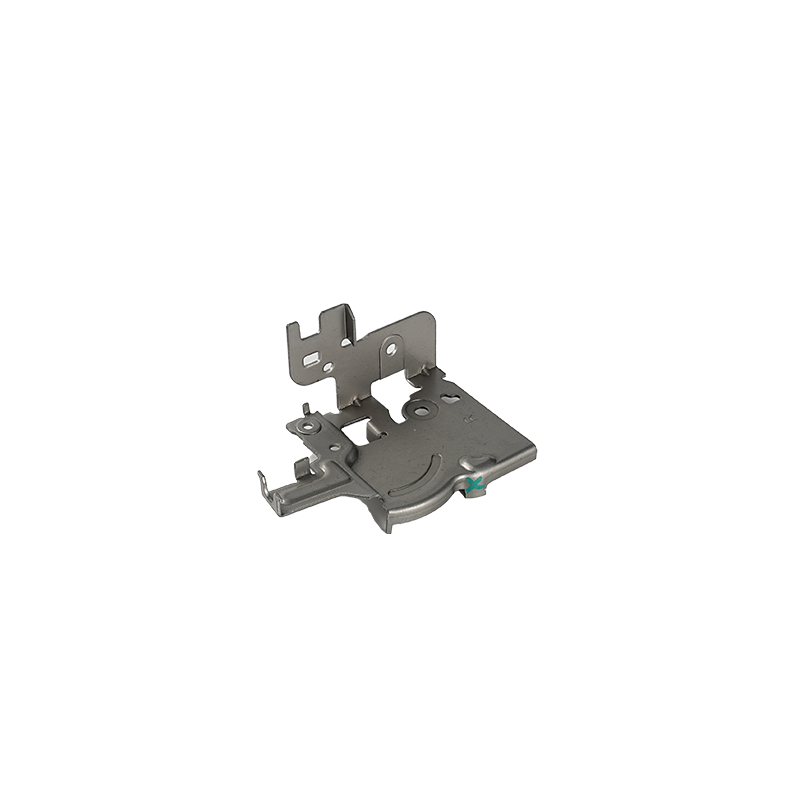
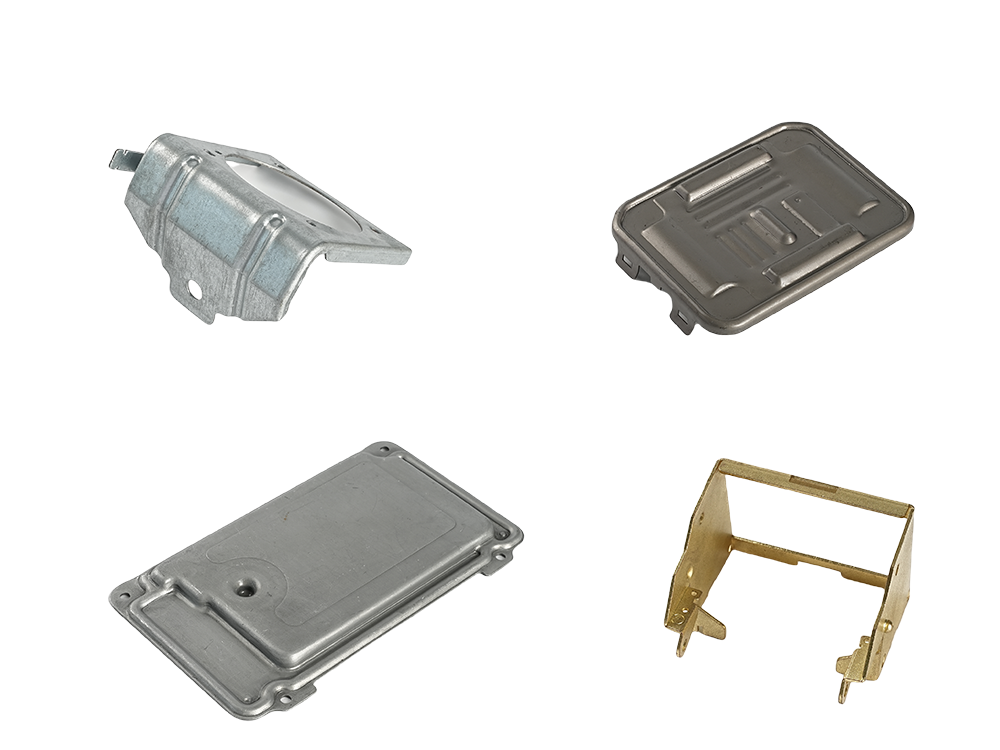
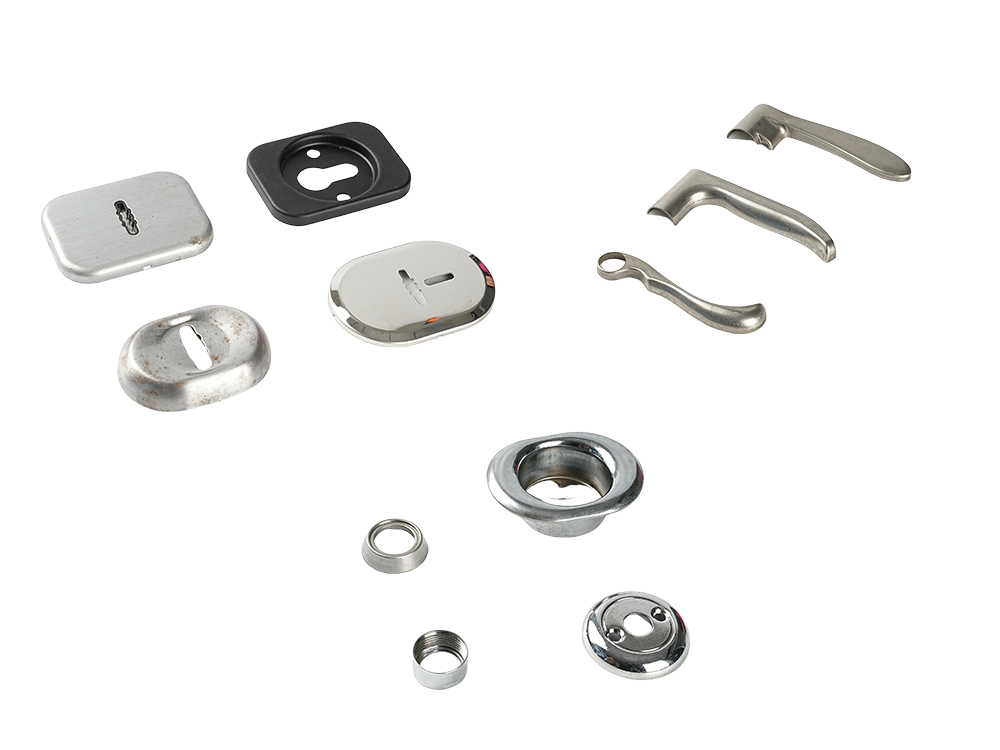
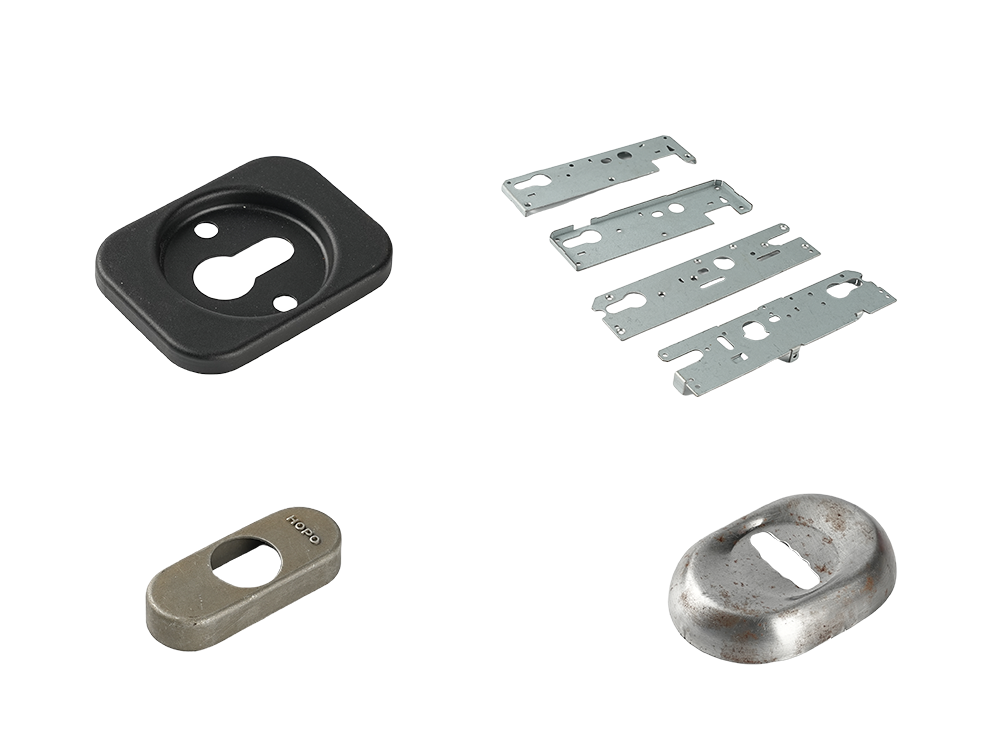
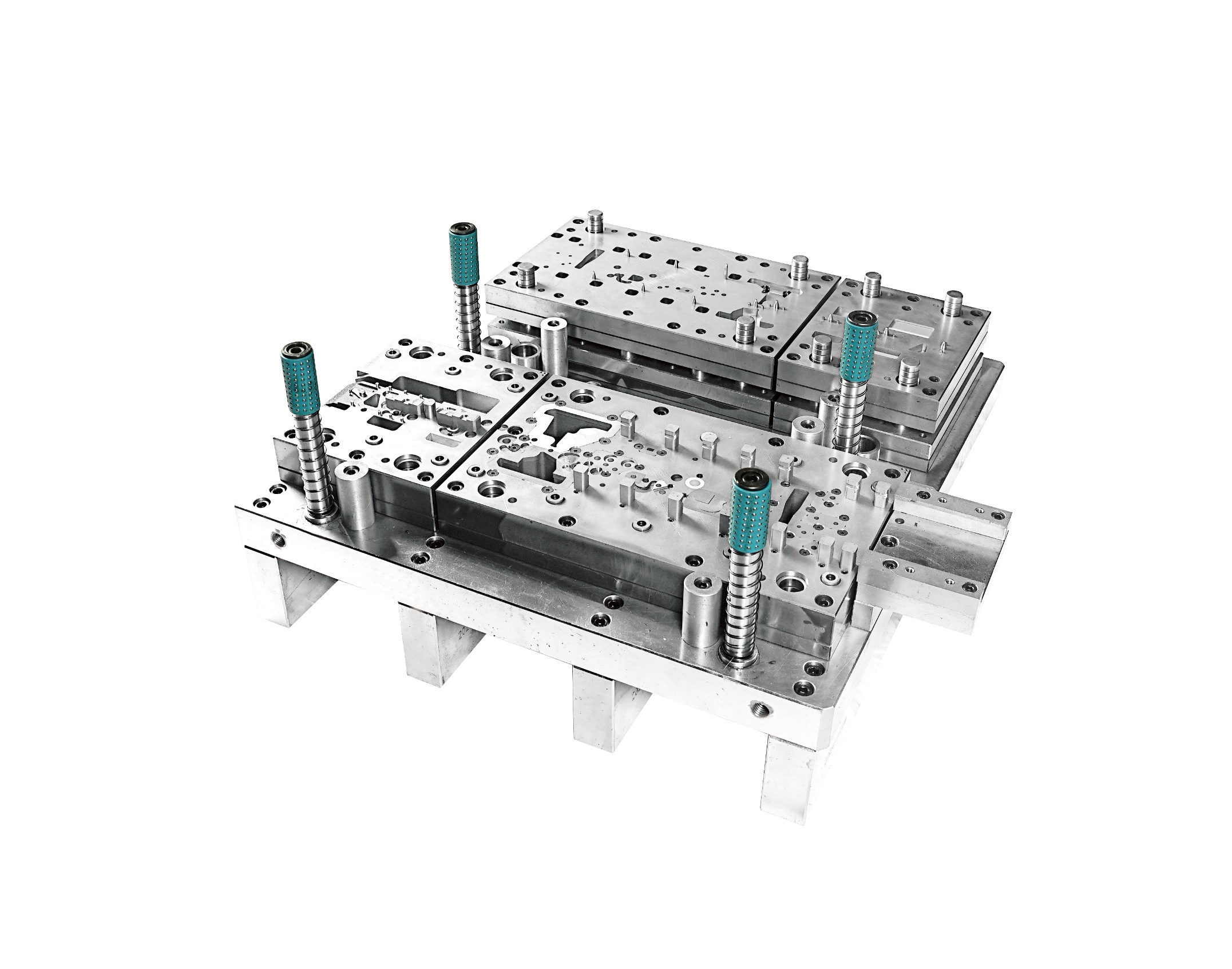
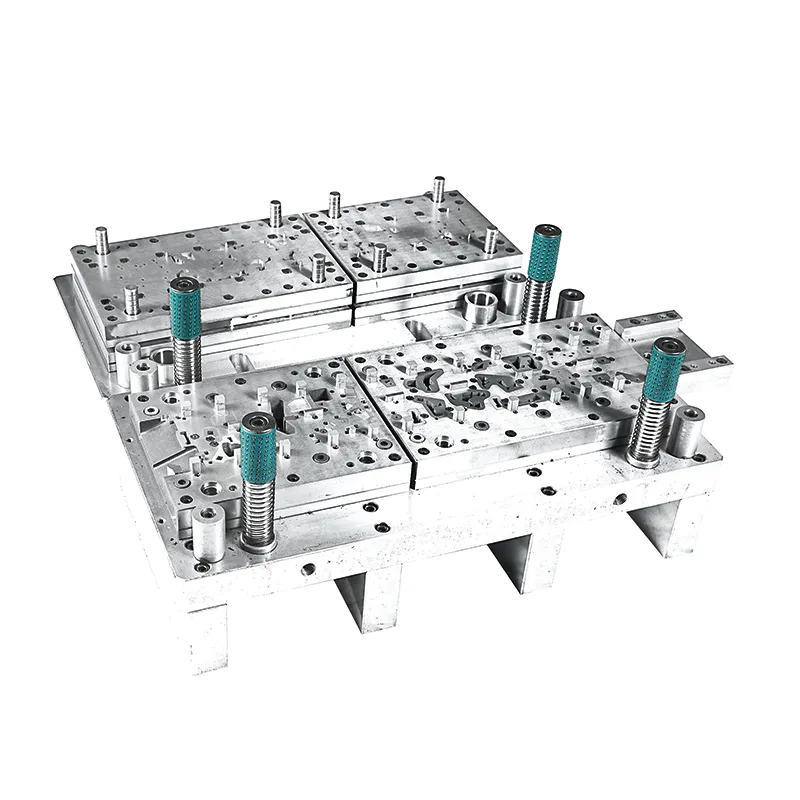
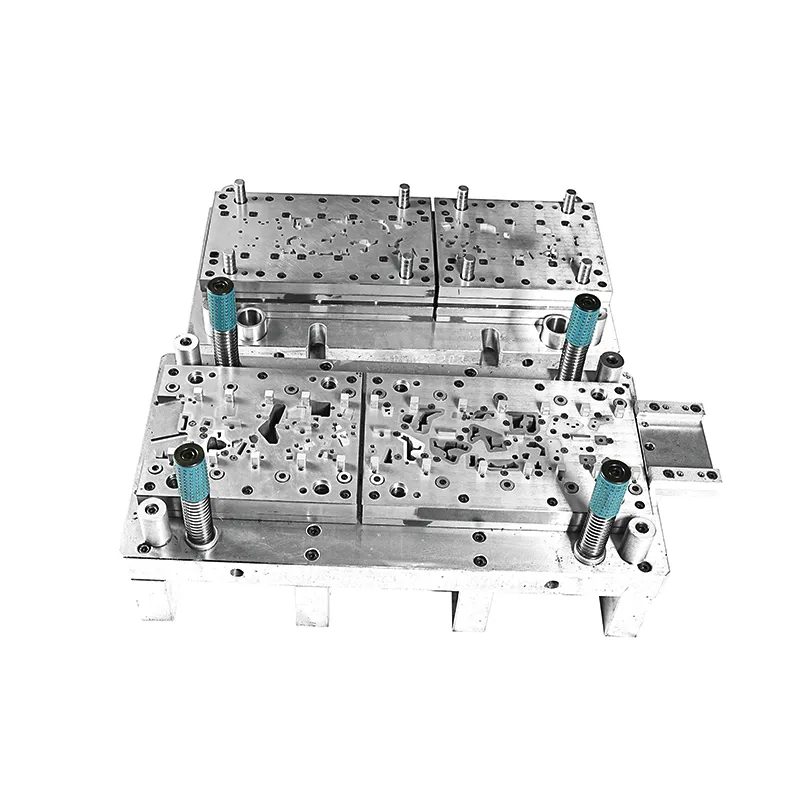
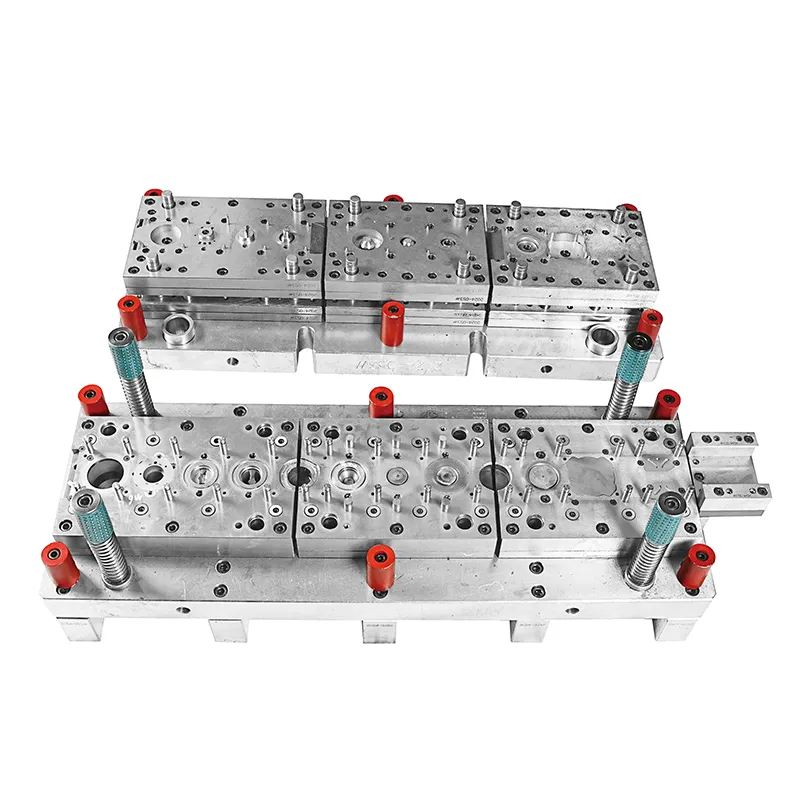
Stamping automotive parts are essential components manufactured through a precision metal forming process that shapes flat sheet metal into complex three-dimensional structures used throughout vehicle construction. This manufacturing method utilizes high-tonnage presses and specially designed dies to cut, bend, and form metal sheets into exact specifications required for modern automobiles. Stamping automotive parts include structural components like body panels, doors, hoods, fenders, and chassis brackets, as well as smaller functional elements such as mounting brackets, clips, and reinforcement pieces. The technology combines speed with accuracy, enabling mass production of identical parts with consistent quality standards. Modern stamping operations integrate computer-aided design and automated systems to achieve tight tolerances and complex geometries that meet stringent safety and performance requirements. The process accommodates various materials including steel, aluminum, stainless steel, and specialized alloys, each selected based on strength requirements, weight considerations, and corrosion resistance needs. Stamping automotive parts serve critical functions in vehicle safety, structural integrity, aesthetic appeal, and overall performance. They form the foundational framework that supports engines, suspensions, interiors, and exterior styling elements. As automotive manufacturing evolves toward lighter vehicles for improved fuel efficiency and electric vehicle adoption, stamping automotive parts continue adapting through advanced materials and innovative forming techniques that reduce weight while maintaining or enhancing strength characteristics essential for occupant protection and vehicle durability.


 EN