Metal Stamping Parts Manufacturers Guide

All Categories

metal stamping parts manufacturers

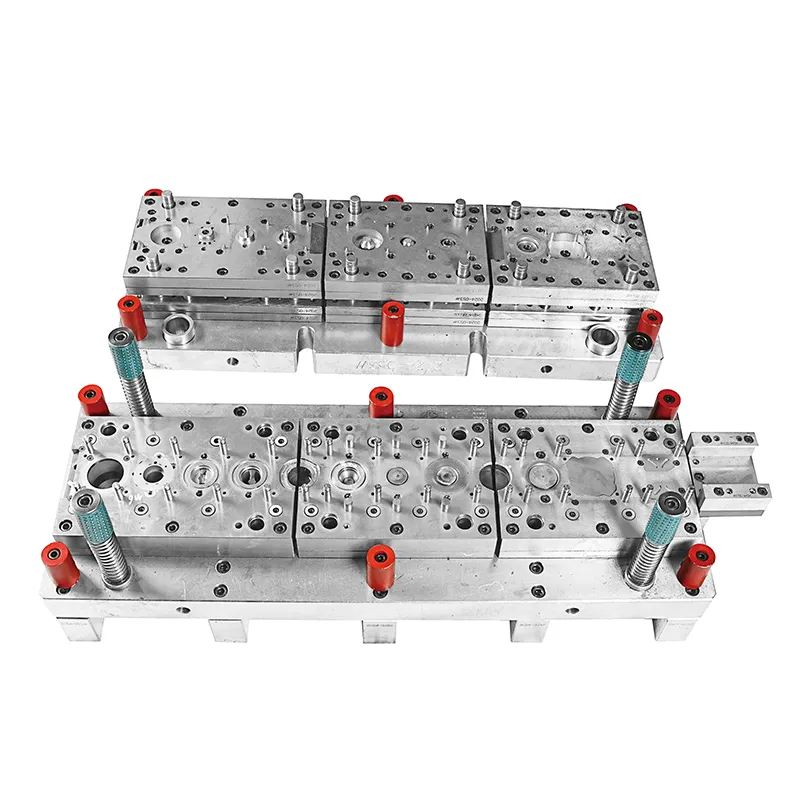
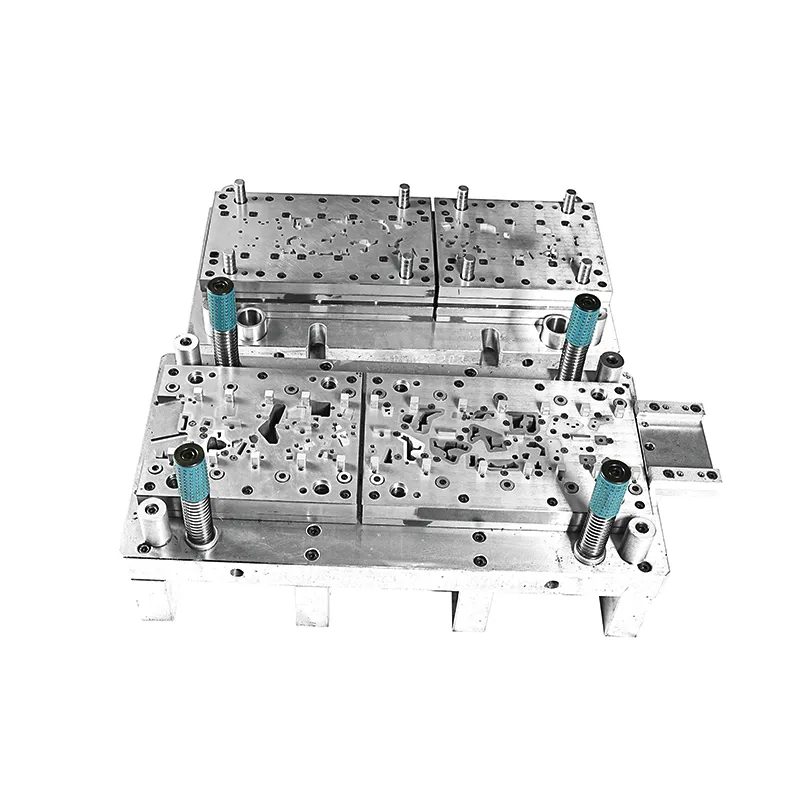
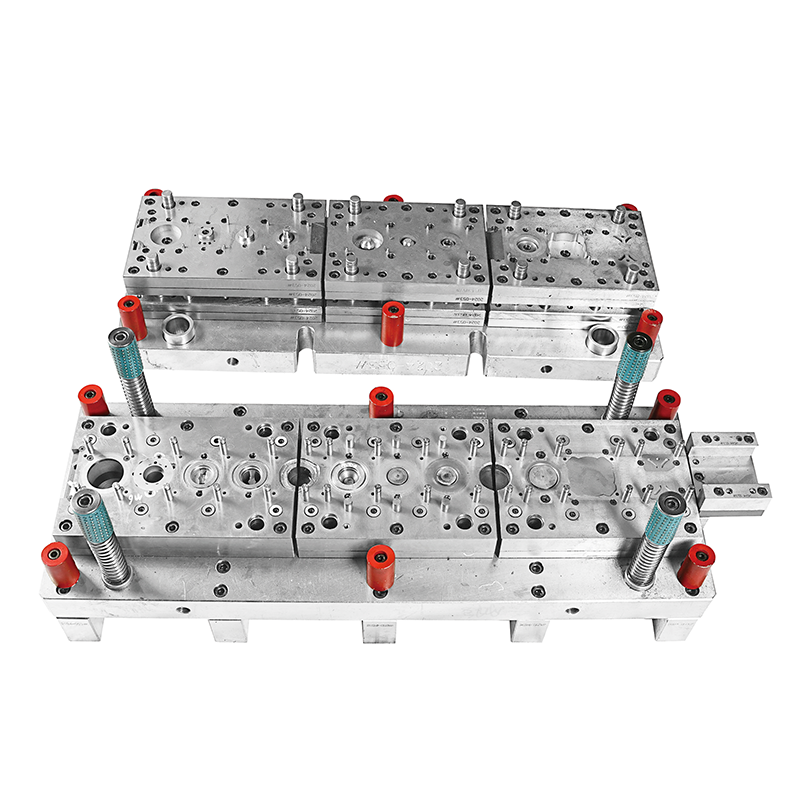
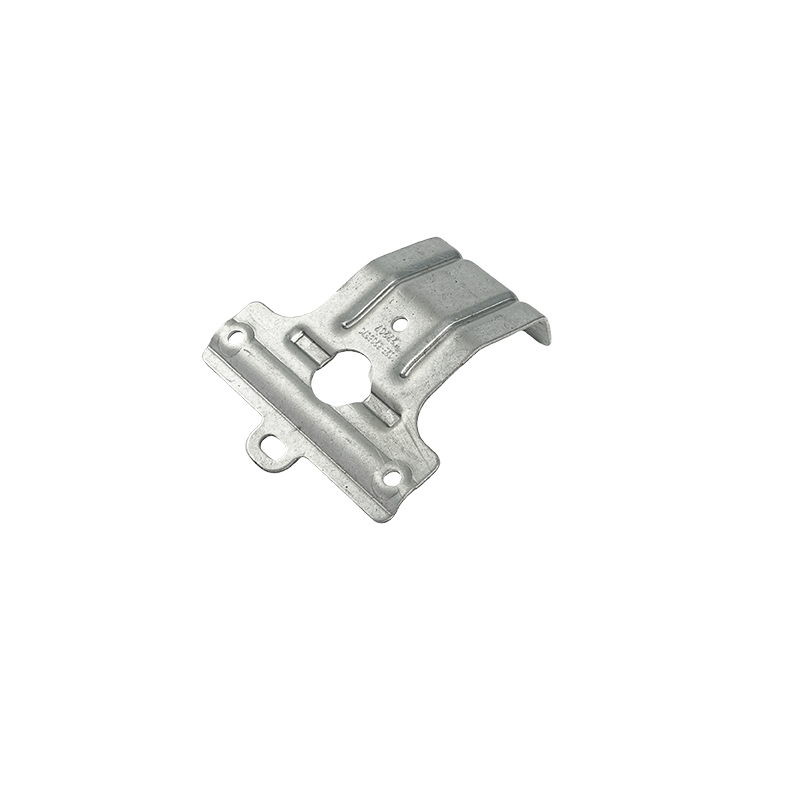
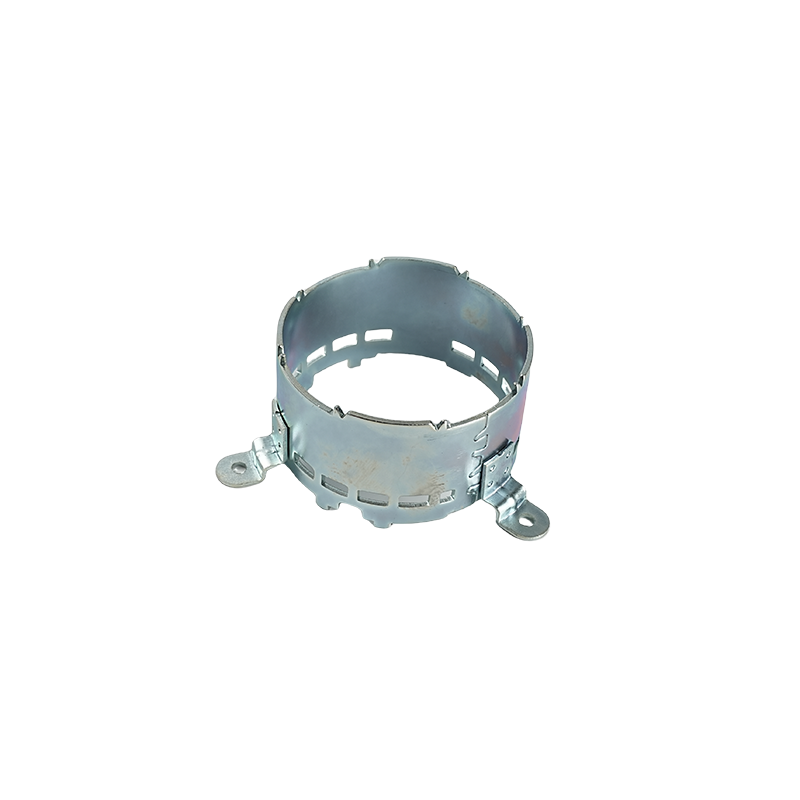
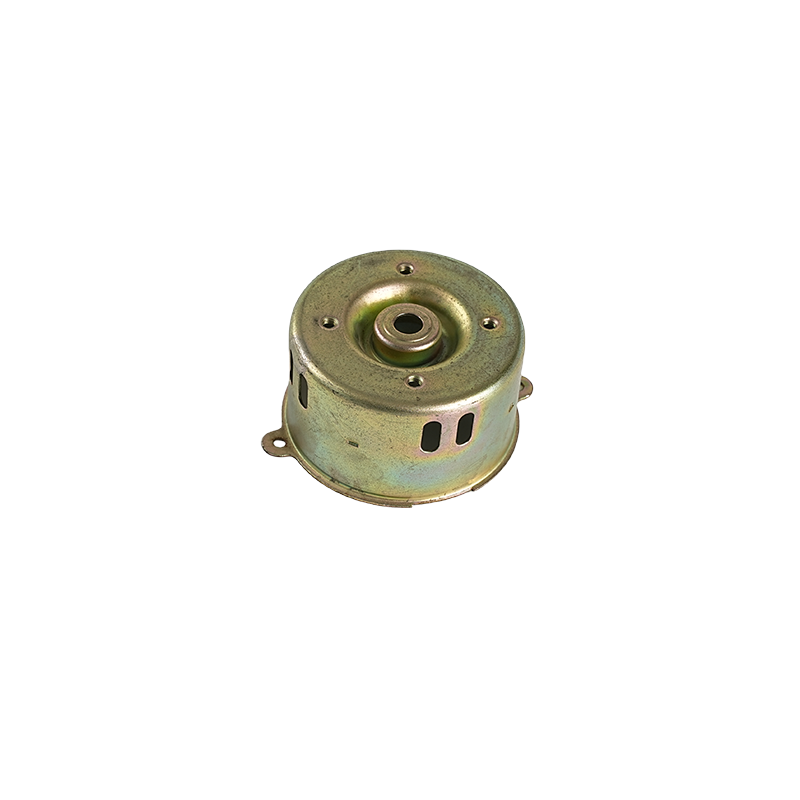
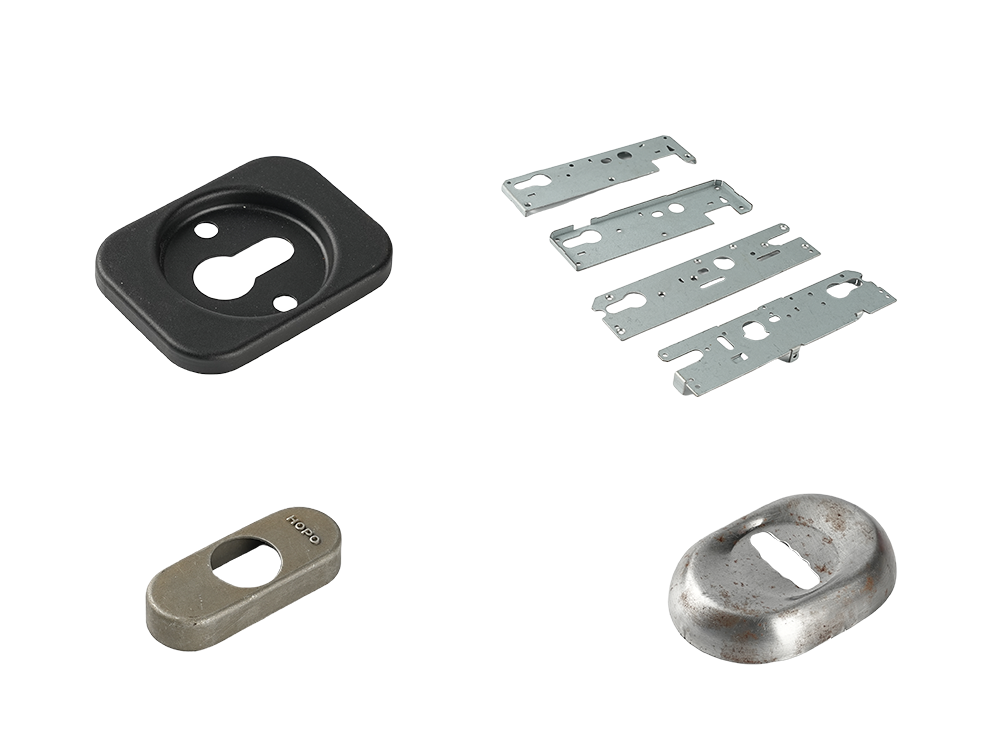
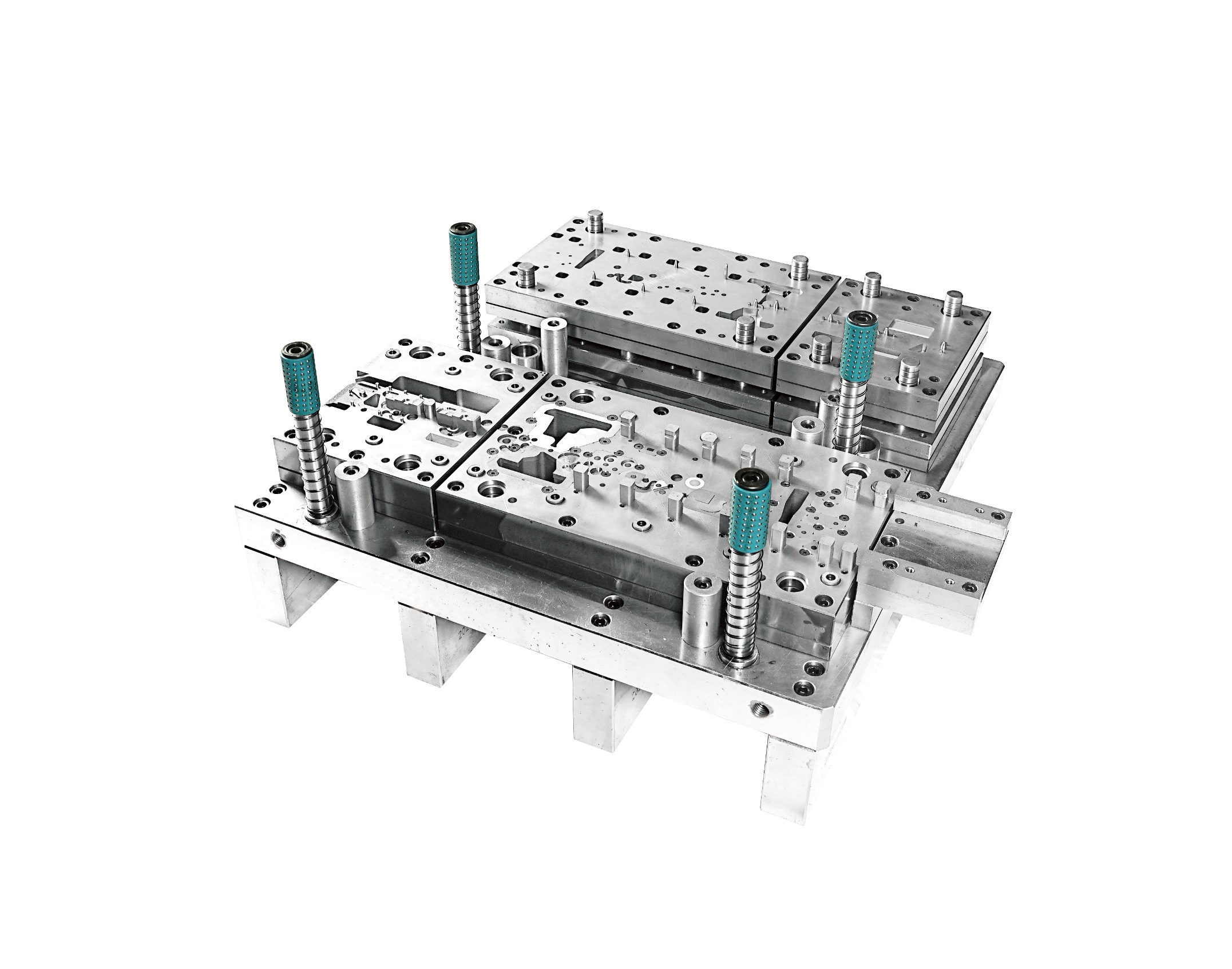
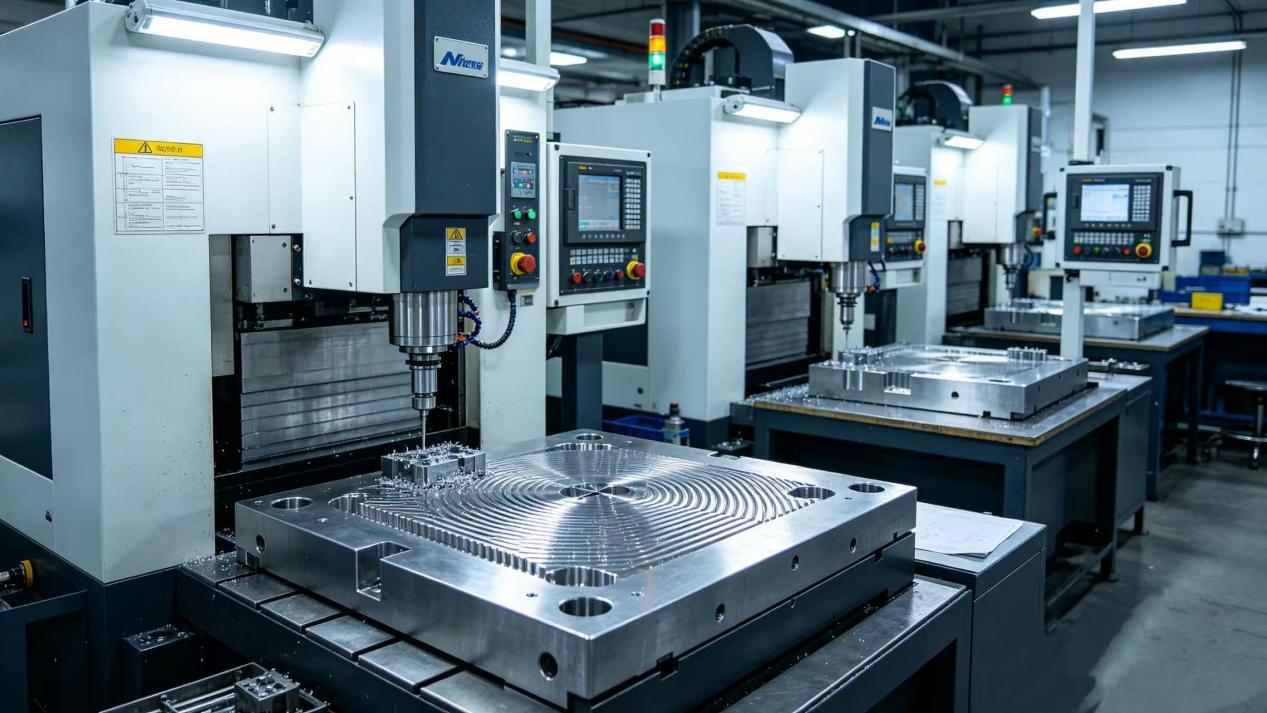
Metal stamping parts manufacturers specialize in producing precision components through advanced stamping processes that transform flat sheet metal into functional parts. These manufacturers utilize high-tonnage presses, progressive dies, and transfer stamping equipment to create components ranging from simple brackets to complex automotive assemblies. The main functions include blanking, piercing, bending, drawing, and forming operations that deliver consistent results across high-volume production runs. Metal stamping parts manufacturers employ computer-aided design systems and simulation software to optimize tool design and material utilization before production begins. Technological features encompass servo-driven presses for precise stroke control, automated feeding systems for continuous operation, and quality inspection stations integrated directly into production lines. These manufacturers work with diverse materials including cold-rolled steel, stainless steel, aluminum, brass, and copper alloys, selecting appropriate grades based on application requirements. Applications span multiple industries such as automotive manufacturing for body panels and structural components, electronics for enclosures and connectors, appliances for housing and internal brackets, aerospace for lightweight structural elements, and medical devices for surgical instruments and equipment housings. Metal stamping parts manufacturers provide prototyping services, tooling development, production stamping, secondary operations like welding and assembly, and finishing treatments including powder coating, plating, and anodizing to deliver complete solutions for clients seeking reliable component production.

New Product Releases

Partnering with experienced metal stamping parts manufacturers delivers significant cost advantages through economies of scale, as high-volume production dramatically reduces per-unit costs compared to alternative fabrication methods. Buyers benefit from rapid production cycles that compress lead times from weeks to days once tooling is established, enabling faster market entry and inventory replenishment. Operational efficiency stems from automated production systems that minimize labor costs while maintaining consistent quality standards across thousands or millions of identical parts. Metal stamping parts manufacturers provide design expertise that helps clients optimize component geometry for manufacturability, reducing material waste and lowering overall project costs. Quality assurance protocols including statistical process control and dimensional verification ensure parts meet exact specifications, reducing rejection rates and downstream assembly issues. Application suitability extends across thickness ranges from thin foils to heavy-gauge plates, with capability to produce parts from miniature electronics components measuring millimeters to large automotive panels spanning meters. Metal stamping parts manufacturers offer material flexibility, working with customer-specified alloys or recommending cost-effective alternatives that meet performance requirements. Decision-makers gain supplier stability through established manufacturers with proven track records, reducing supply chain risks associated with quality inconsistencies or delivery failures. Secondary service integration including deburring, tapping, hardware insertion, and surface finishing eliminates the need for multiple vendors, simplifying procurement and reducing coordination overhead. Metal stamping parts manufacturers provide scalable capacity that accommodates production volume changes, supporting both pilot runs for new products and sustained high-volume manufacturing for established product lines, giving buyers operational flexibility aligned with market demand fluctuations.

Latest News

Precision stamping die

17

Jul

Precision stamping die

View More
Wide application of hardware products

17

Jul

Wide application of hardware products

View More
Progressive Dies: The Key Force Promoting Efficient and Precise Production in Modern Manufacturing

14

Aug

Progressive Dies: The Key Force Promoting Efficient and Precise Production in Modern Manufacturing

View More
Industry Trends Analysis: Precision Stamping & Mold Manufacturing 2026

22

Apr

Industry Trends Analysis: Precision Stamping & Mold Manufacturing 2026

View More

Get a Free Quote

Our representative will contact you soon.
Email
WhatsApp
Name
Company Name
Message
0/1000

metal stamping parts manufacturers

Advanced Progressive Die Technology

Advanced Progressive Die Technology

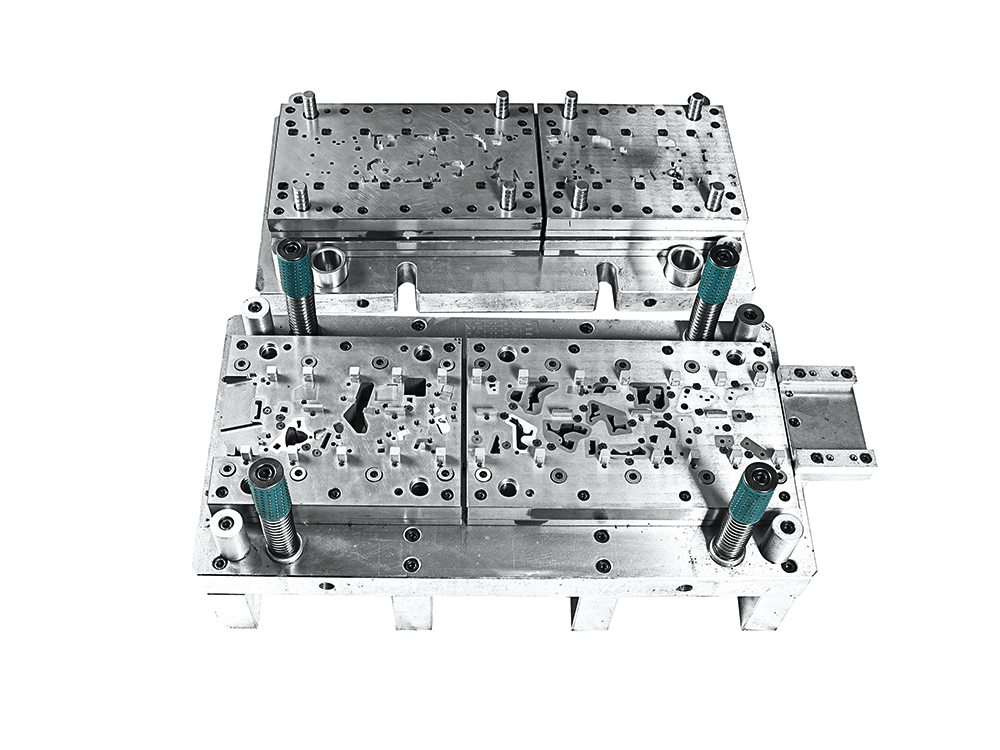
Metal stamping parts manufacturers leverage progressive die systems that represent the pinnacle of stamping efficiency for high-volume component production. These sophisticated tool systems incorporate multiple stamping stations within a single die set, with each station performing specific operations as the metal strip advances through sequential positions. Progressive dies enable manufacturers to complete complex parts requiring numerous forming steps in a single press stroke, dramatically increasing throughput while maintaining tight tolerances. The technology eliminates manual part handling between operations, reducing labor costs and minimizing quality variations caused by repositioning errors. Metal stamping parts manufacturers design progressive dies with precision-ground components and hardened tool steels that withstand millions of cycles, ensuring consistent part dimensions throughout extended production runs. Integrated pilot systems and sensors monitor strip position and detect abnormalities, automatically stopping the press to prevent defective parts and tool damage. This advanced approach allows manufacturers to produce intricate components with multiple bends, holes, and formed features at rates exceeding hundreds of parts per minute, delivering unmatched production efficiency for cost-sensitive applications.
Comprehensive Material Expertise

Comprehensive Material Expertise

Metal stamping parts manufacturers possess deep knowledge of material behavior that proves essential for successful component production across diverse applications. This expertise encompasses understanding how different alloys respond to forming stresses, springback characteristics that affect final dimensions, and work hardening properties that influence progressive die design. Manufacturers maintain relationships with material suppliers to source certified metals meeting industry standards like ASTM, SAE, and ISO specifications, ensuring consistent incoming material quality. Their material selection guidance helps clients balance performance requirements against cost considerations, recommending alternatives when specified materials prove unnecessarily expensive or difficult to form. Metal stamping parts manufacturers conduct formability testing to establish optimal blank sizes, draw ratios, and bend radii that prevent cracking or tearing during production. They understand surface finish requirements for different materials, applying appropriate lubricants and die coatings to prevent galling and maintain part appearance. Experience with exotic materials including titanium alloys, high-strength steels, and specialty copper alloys enables these manufacturers to support demanding applications in aerospace and medical sectors. This comprehensive material knowledge translates directly into reduced development time, lower scrap rates, and reliable component performance.
Integrated Quality Management Systems

Integrated Quality Management Systems

Metal stamping parts manufacturers implement rigorous quality management systems that provide buyers with confidence in component consistency and regulatory compliance. These systems begin with first article inspection protocols that verify all part dimensions against engineering drawings before full production commences, catching potential issues before significant resources are committed. In-process inspection stations positioned throughout production lines monitor critical dimensions using automated gauge systems, coordinate measuring machines, and optical comparators that detect deviations immediately. Statistical process control methodologies track dimensional trends across production lots, enabling proactive adjustments before parts drift outside specification limits. Metal stamping parts manufacturers maintain calibrated measurement equipment traceable to national standards, supporting quality documentation requirements for regulated industries. Certificates of conformance, material certifications, and dimensional reports accompany shipments, providing complete traceability for customer quality systems. Many manufacturers hold ISO 9001 certification demonstrating systematic quality processes, with specialized certifications like IATF 16949 for automotive suppliers or AS9100 for aerospace applications. Final inspection procedures verify part cleanliness, surface finish, and freedom from defects before packaging, ensuring only conforming components reach customers. This integrated quality approach minimizes costly field failures and warranty claims while supporting continuous improvement initiatives.

Get a Free Quote

Our representative will contact you soon.
Email
WhatsApp
Name
Company Name
Message
0/1000