Hardware Stamping Parts - Precision Metal Components

All Categories

hardware stamping parts

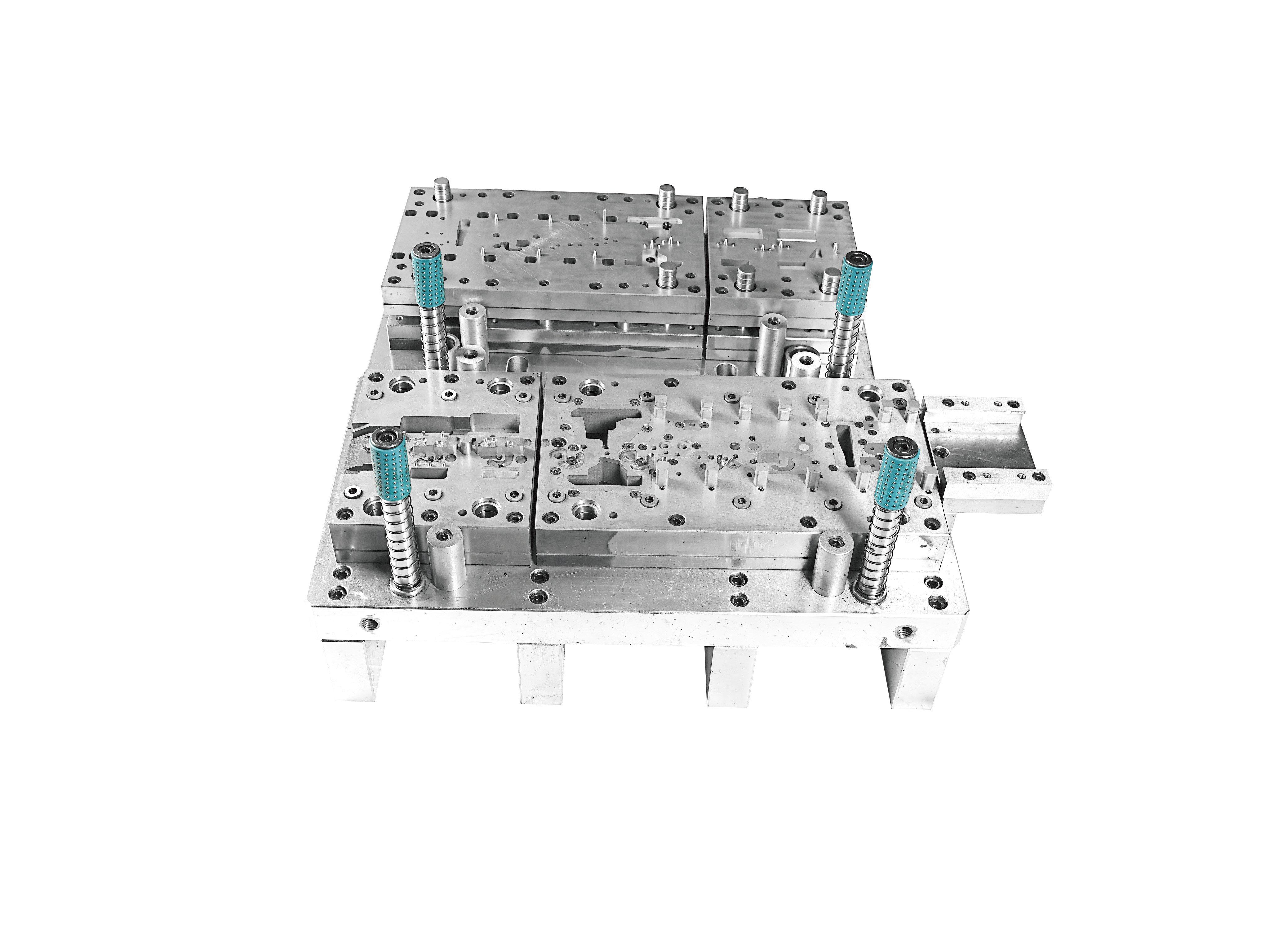
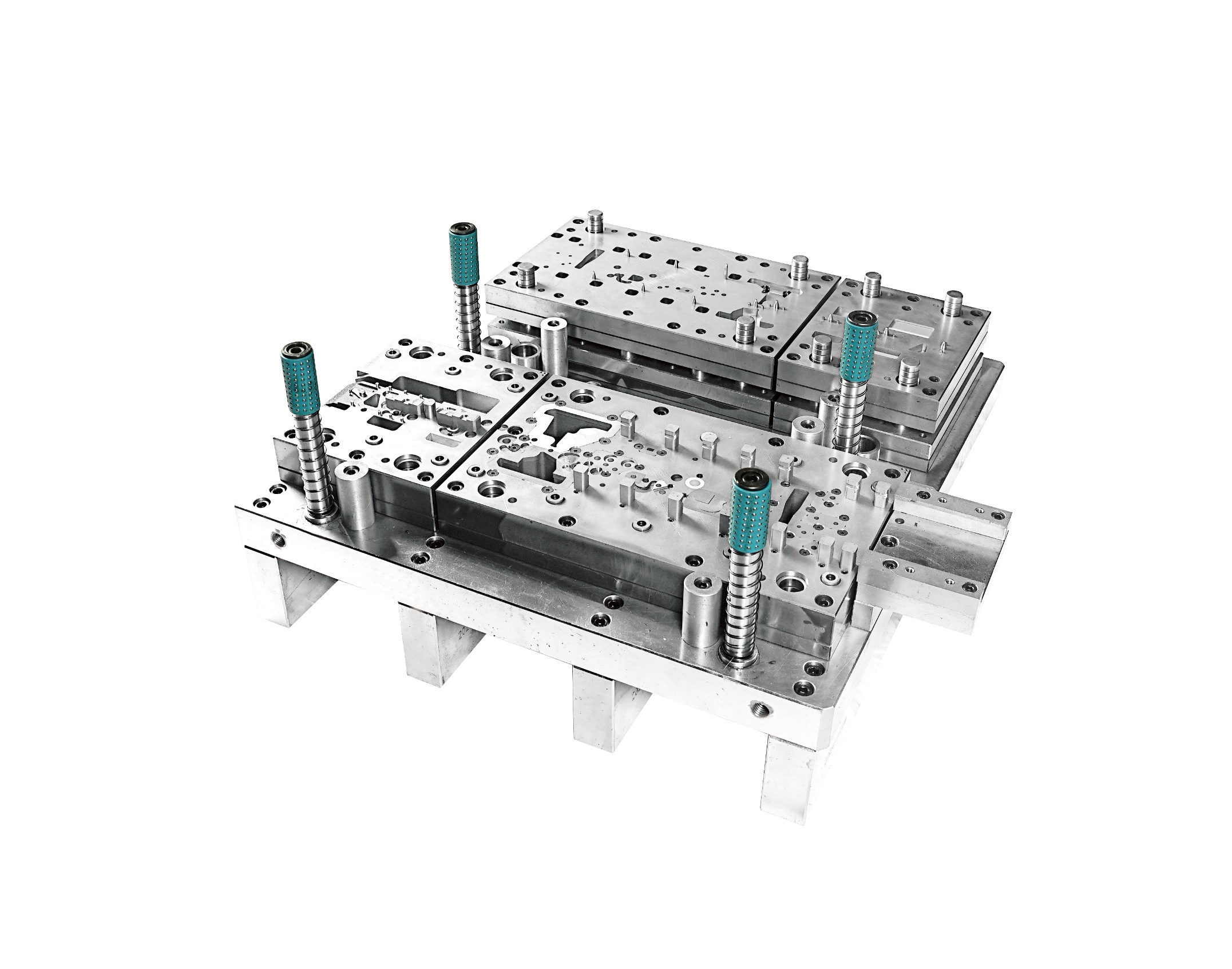
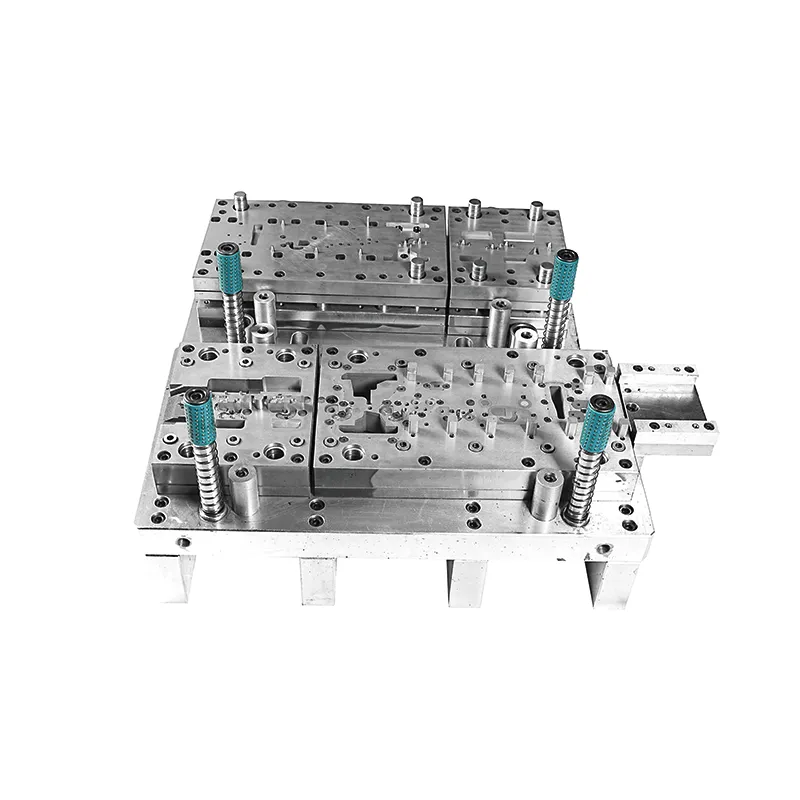
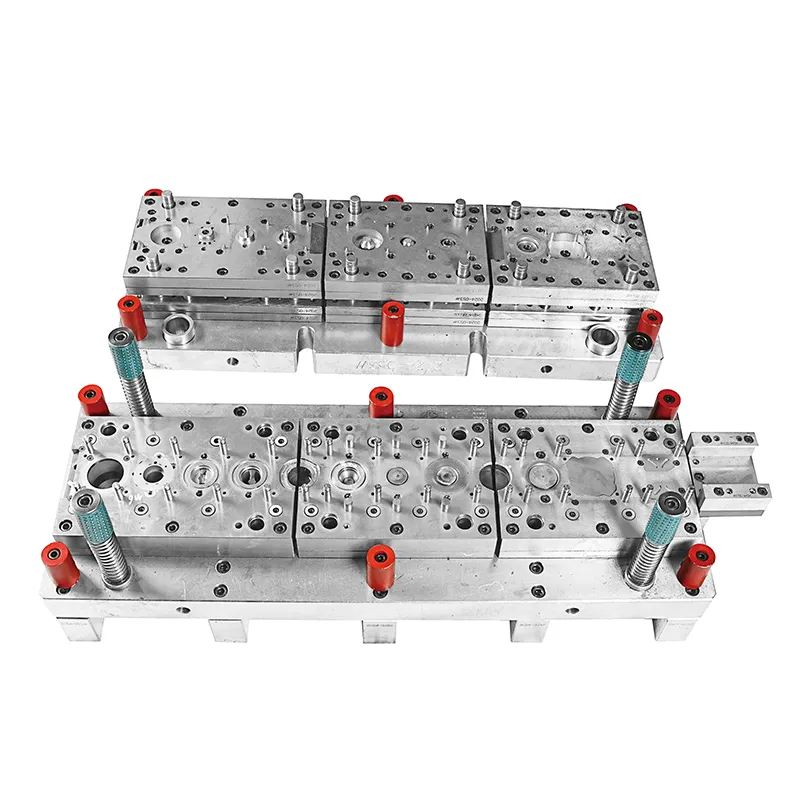
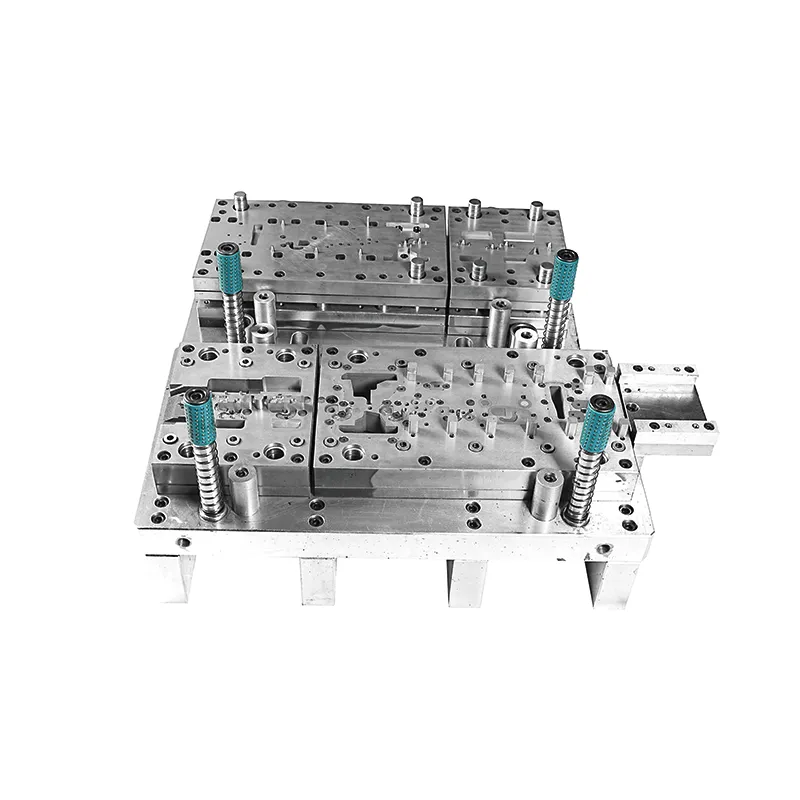
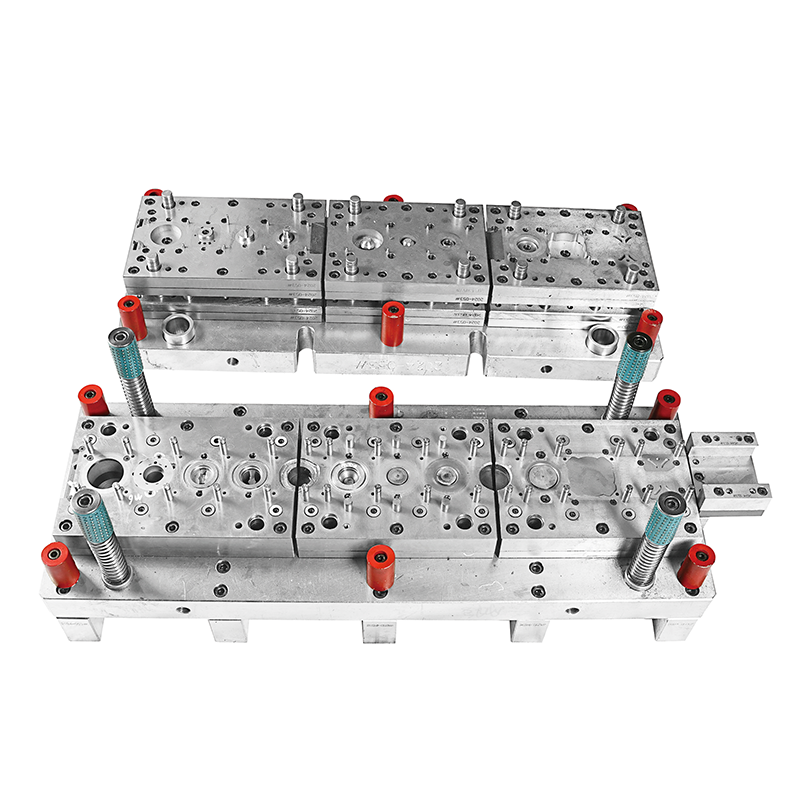
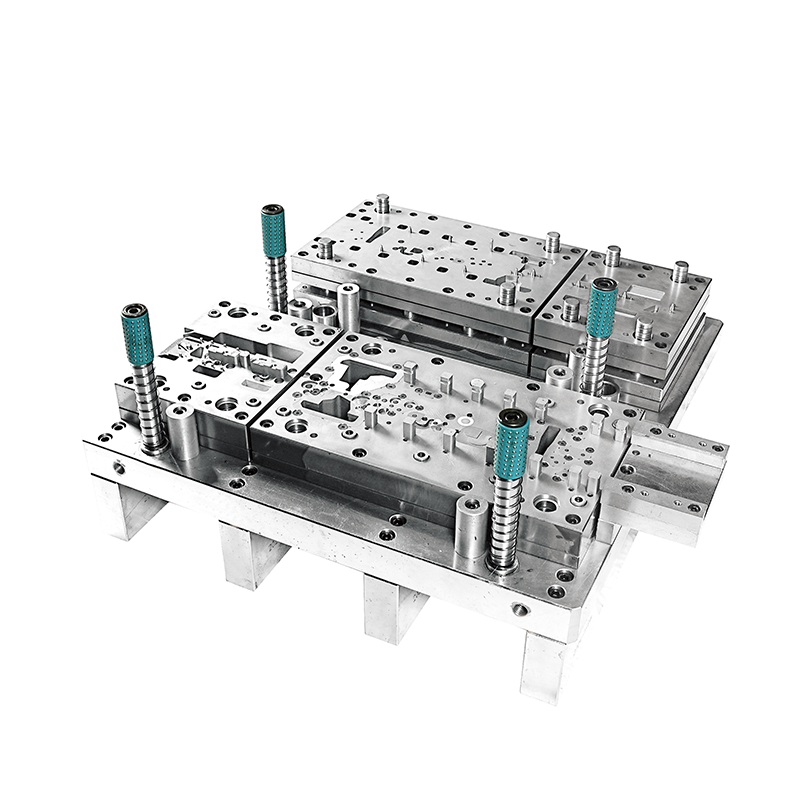
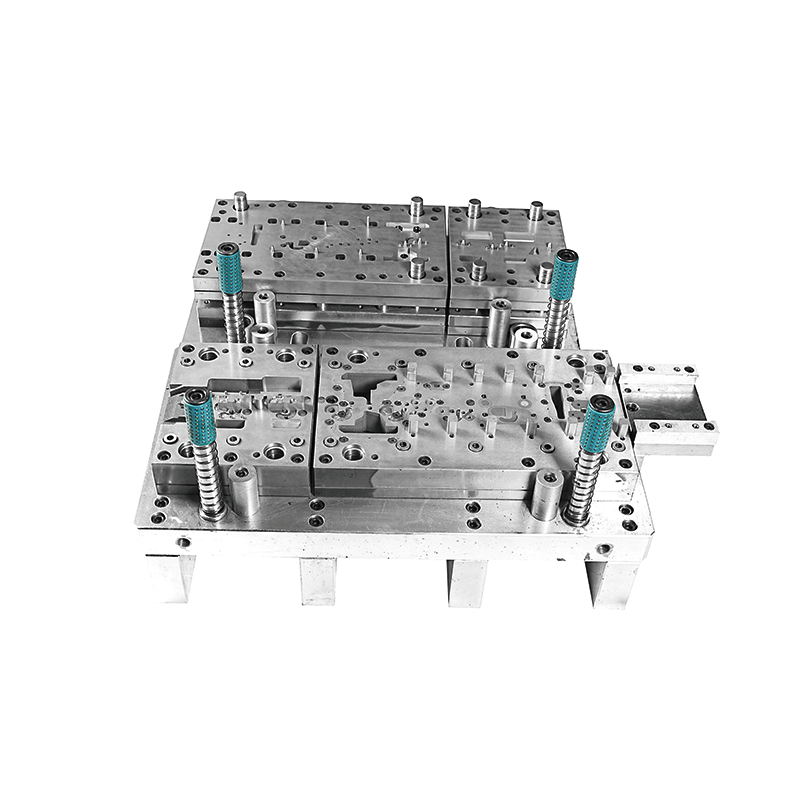
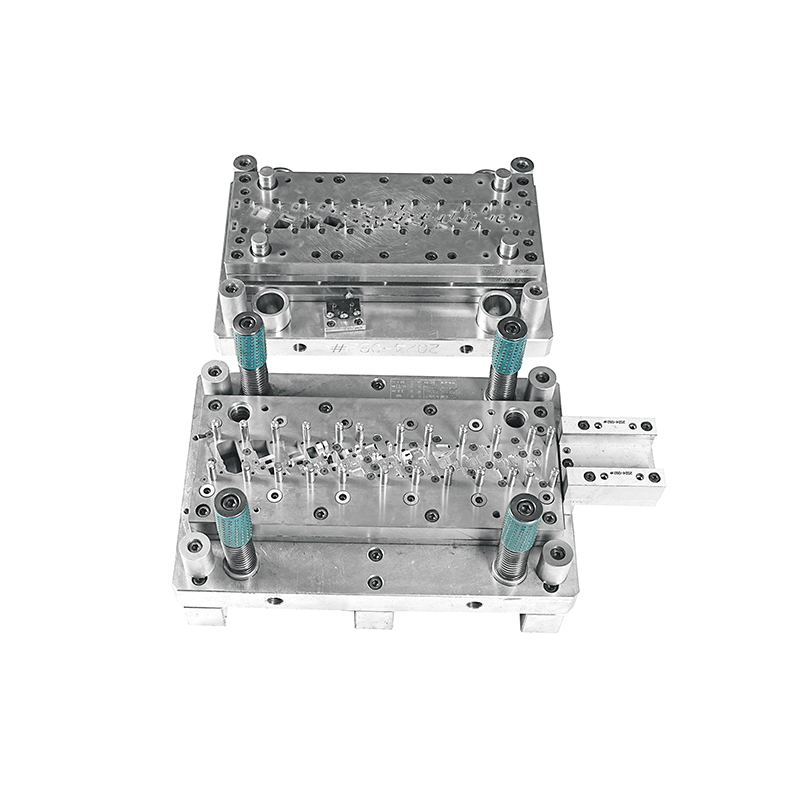
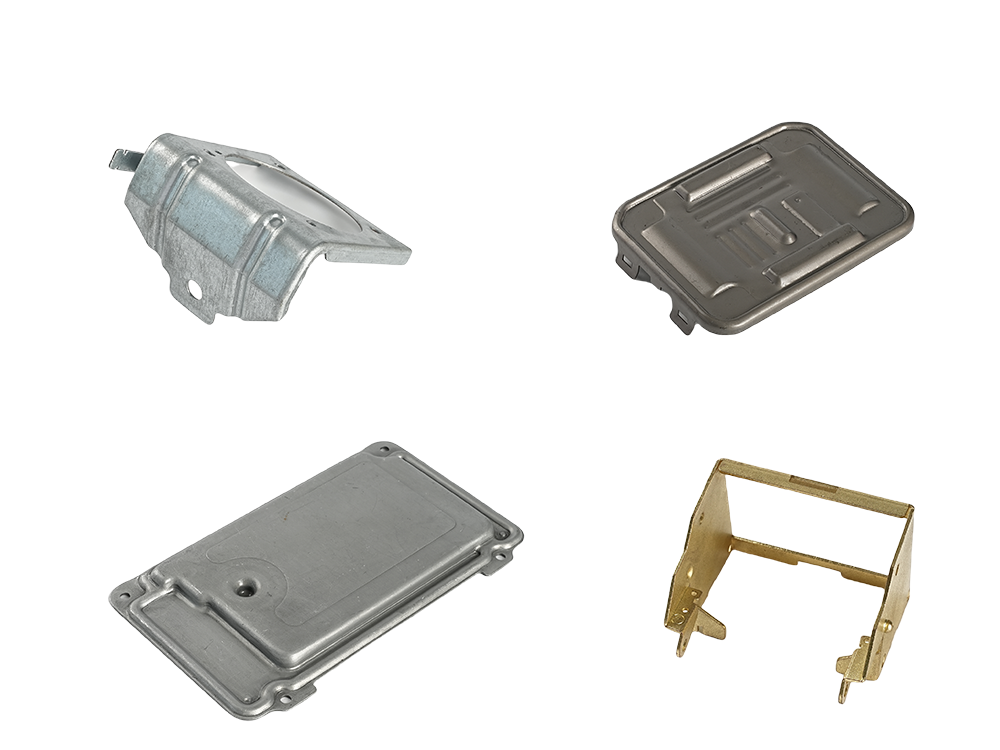
Hardware stamping parts are precision-engineered metal components manufactured through a specialized stamping process that transforms flat metal sheets into specific shapes and configurations. This manufacturing technique utilizes high-pressure stamping machines and custom-designed dies to cut, bend, punch, and form metal materials into desired components. Hardware stamping parts serve as essential building blocks across numerous industries, providing reliable fastening, structural support, and functional elements in countless applications. The production process involves feeding metal sheets through progressive or transfer dies, where each stage performs specific operations to achieve the final product geometry. These components are manufactured from various metal materials including steel, stainless steel, aluminum, brass, and copper, selected based on application requirements such as strength, corrosion resistance, and conductivity. Hardware stamping parts encompass a wide range of products including brackets, clips, terminals, connectors, hinges, springs, washers, and custom-designed components. The technological sophistication behind hardware stamping parts enables manufacturers to achieve tight tolerances, consistent quality, and complex geometries that would be difficult or impossible to produce through other manufacturing methods. Modern stamping operations incorporate advanced features such as computer-aided design, precision tooling, automated feeding systems, and quality control measures to ensure every hardware stamping part meets exact specifications. These components play critical roles in automotive assemblies, electronic devices, appliances, construction hardware, telecommunications equipment, and industrial machinery, making hardware stamping parts indispensable in modern manufacturing.

New Product Releases

Hardware stamping parts offer exceptional cost-effectiveness for medium to high-volume production runs, significantly reducing per-unit costs compared to machining or casting alternatives. The stamping process achieves remarkable production speeds, manufacturing hundreds or thousands of hardware stamping parts per hour, which translates to faster lead times and improved supply chain efficiency for your business operations. These components deliver outstanding consistency and repeatability, ensuring that every hardware stamping part matches exact specifications with minimal variation, which is crucial for assembly line operations and quality assurance. The material efficiency of stamping processes minimizes waste, as precision dies maximize the number of parts produced from each metal sheet, reducing raw material costs and supporting environmentally responsible manufacturing practices. Hardware stamping parts provide superior strength-to-weight ratios through work hardening that occurs during the stamping process, enhancing mechanical properties without additional heat treatment. The versatility of stamping technology accommodates diverse design requirements, from simple flat washers to complex three-dimensional brackets with multiple bends and features. Hardware stamping parts maintain excellent dimensional accuracy and surface finish quality straight from the press, often eliminating secondary operations and reducing overall production costs. These components offer proven reliability in demanding applications, withstanding mechanical stress, vibration, temperature fluctuations, and corrosive environments. The established supply chains and widespread availability of stamping services ensure competitive pricing and flexible sourcing options for buyers. Hardware stamping parts integrate seamlessly into automated assembly processes, supporting lean manufacturing initiatives and reducing labor costs. The rapid tooling development and modification capabilities allow for design iterations and customization to meet specific application needs without prohibitive costs or delays.

Latest News

Sheet Metal Stamping Manufacturers

17

Jul

Sheet Metal Stamping Manufacturers

View More
Various applications of precision molds

17

Jul

Various applications of precision molds

View More
Progressive Dies: The Key Force Promoting Efficient and Precise Production in Modern Manufacturing

14

Aug

Progressive Dies: The Key Force Promoting Efficient and Precise Production in Modern Manufacturing

View More
Industry Trends Analysis: Precision Stamping & Mold Manufacturing 2026

22

Apr

Industry Trends Analysis: Precision Stamping & Mold Manufacturing 2026

View More

Get a Free Quote

Our representative will contact you soon.
Email
WhatsApp
Name
Company Name
Message
0/1000

hardware stamping parts

Superior Production Efficiency and Scalability

Superior Production Efficiency and Scalability

Hardware stamping parts excel in high-volume manufacturing environments where production efficiency directly impacts profitability and market competitiveness. The stamping process operates at exceptional speeds, with modern progressive dies capable of producing multiple hardware stamping parts simultaneously in a single press stroke, achieving cycle times measured in fractions of a second. This remarkable throughput enables manufacturers to fulfill large orders quickly while maintaining consistent quality standards across every piece. The scalability of stamping operations means that once tooling is established, production can ramp up or down efficiently to match demand fluctuations without significant cost penalties. Automated feeding systems and continuous operation capabilities allow stamping presses to run with minimal supervision, reducing labor costs while maximizing output. For buyers, this production efficiency translates to competitive pricing, reliable delivery schedules, and the ability to support just-in-time inventory strategies that minimize warehousing costs and working capital requirements. The combination of speed, consistency, and scalability makes hardware stamping parts the preferred choice for applications requiring large quantities of identical components.
Precision Engineering and Design Flexibility

Precision Engineering and Design Flexibility

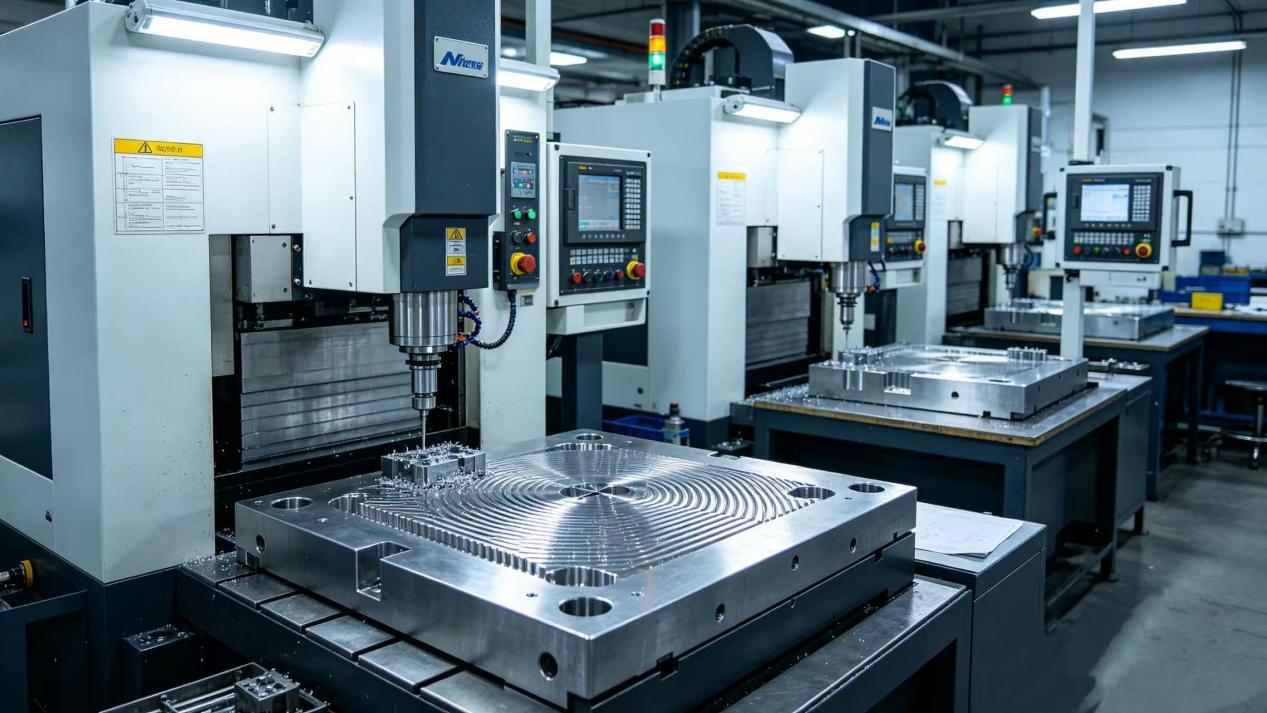
Hardware stamping parts demonstrate exceptional precision and dimensional accuracy, with modern stamping operations routinely achieving tolerances within thousandths of an inch. This precision results from carefully engineered dies manufactured using advanced CNC machining and wire EDM technologies, ensuring that every hardware stamping part replicates the intended design exactly. The stamping process accommodates remarkable design flexibility, producing components with complex geometries including multiple bends, embossed features, coined sections, and integrated fastening elements that would require multiple operations using alternative manufacturing methods. Progressive die stamping enables the creation of intricate hardware stamping parts through a series of sequential operations performed as the metal strip advances through the die, combining cutting, forming, drawing, and coining in one continuous process. This design flexibility empowers engineers to optimize component functionality, reduce assembly steps, and consolidate multiple parts into single stamped pieces, lowering overall product costs. The ability to incorporate features such as mounting holes, alignment tabs, strengthening ribs, and interlocking elements directly into hardware stamping parts streamlines assembly operations and improves final product performance while maintaining the precision necessary for reliable fit and function.
Material Versatility and Performance Optimization

Material Versatility and Performance Optimization

Hardware stamping parts can be manufactured from an extensive range of metal materials, each selected to optimize performance characteristics for specific applications. Common materials include various grades of carbon steel offering excellent strength and cost-effectiveness, stainless steel providing superior corrosion resistance for demanding environments, aluminum delivering lightweight solutions with good electrical conductivity, brass combining machinability with decorative appeal, and specialized alloys engineered for extreme temperatures or unique electrical properties. The stamping process itself imparts beneficial material properties through cold working, which increases yield strength and hardness in hardware stamping parts compared to the original sheet material. This work hardening occurs as metal is plastically deformed during stamping operations, realigning the grain structure and creating a stronger component without additional heat treatment processes. Material selection flexibility allows engineers to balance competing requirements such as strength, weight, cost, corrosion resistance, electrical conductivity, and magnetic properties to achieve optimal performance. Hardware stamping parts can also incorporate various surface treatments and coatings including zinc plating, powder coating, anodizing, and electropolishing to further enhance corrosion protection, wear resistance, or aesthetic appearance, extending service life and expanding application possibilities across diverse industries and operating conditions.

Get a Free Quote

Our representative will contact you soon.
Email
WhatsApp
Name
Company Name
Message
0/1000