stamping process in sheet metal
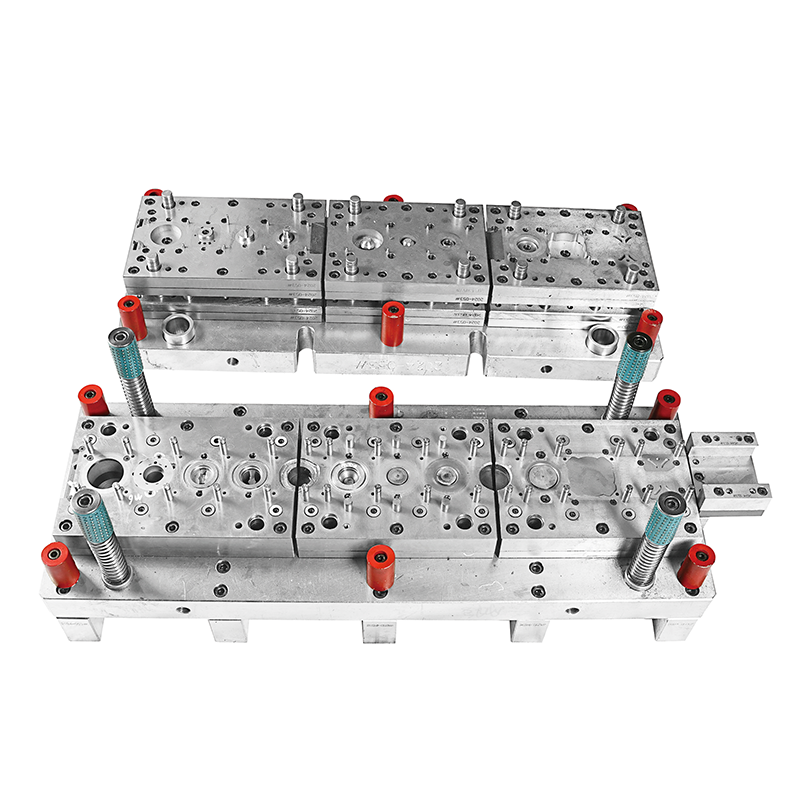
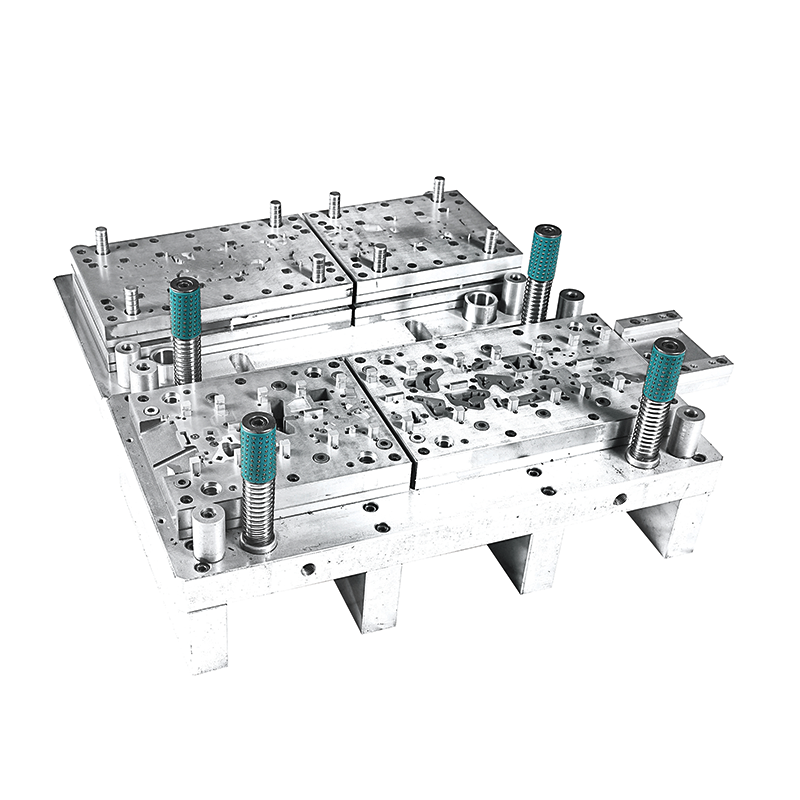
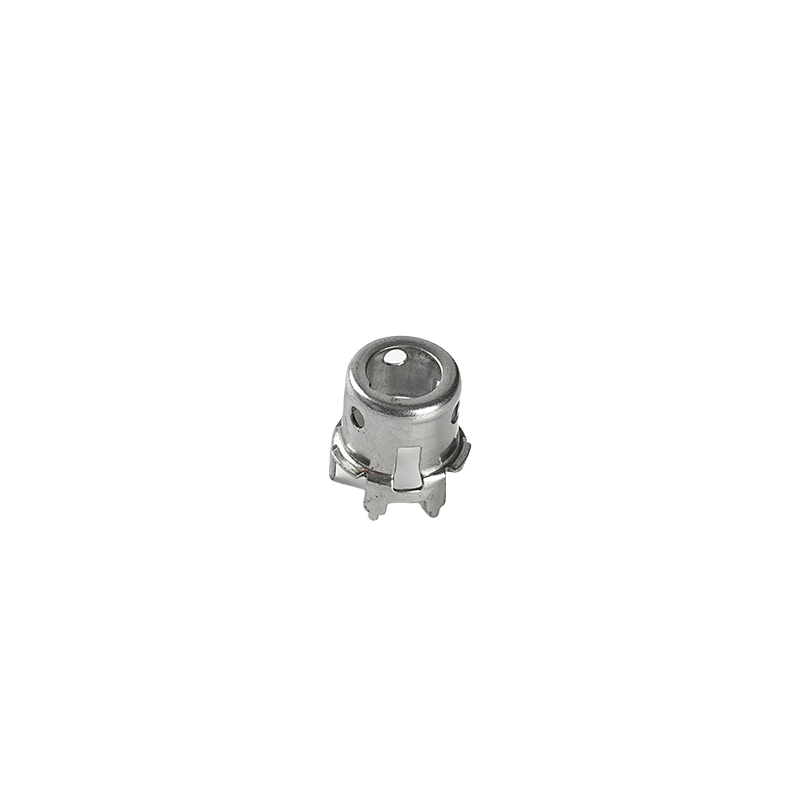
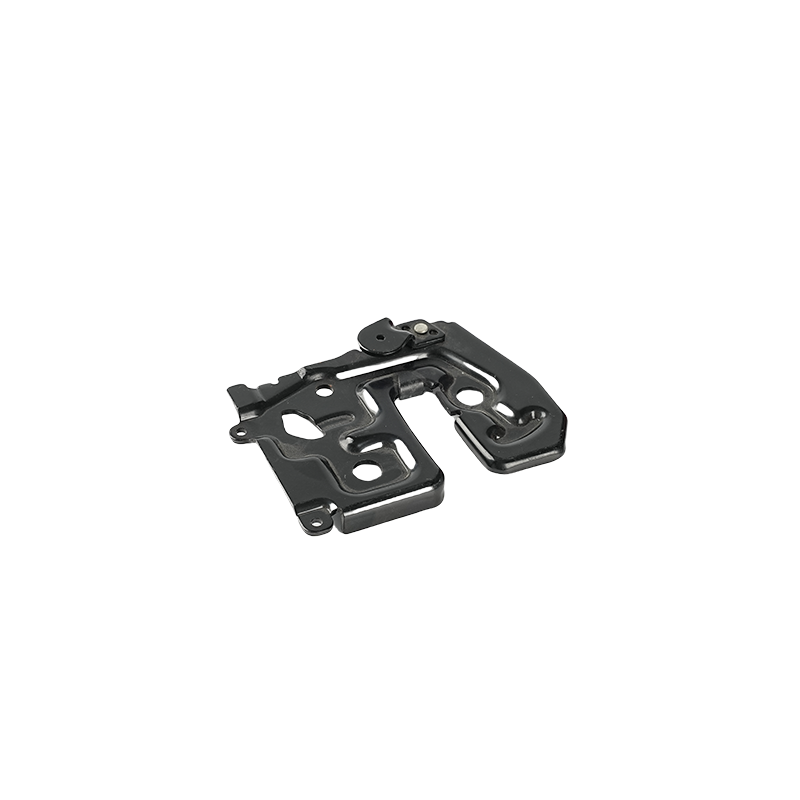
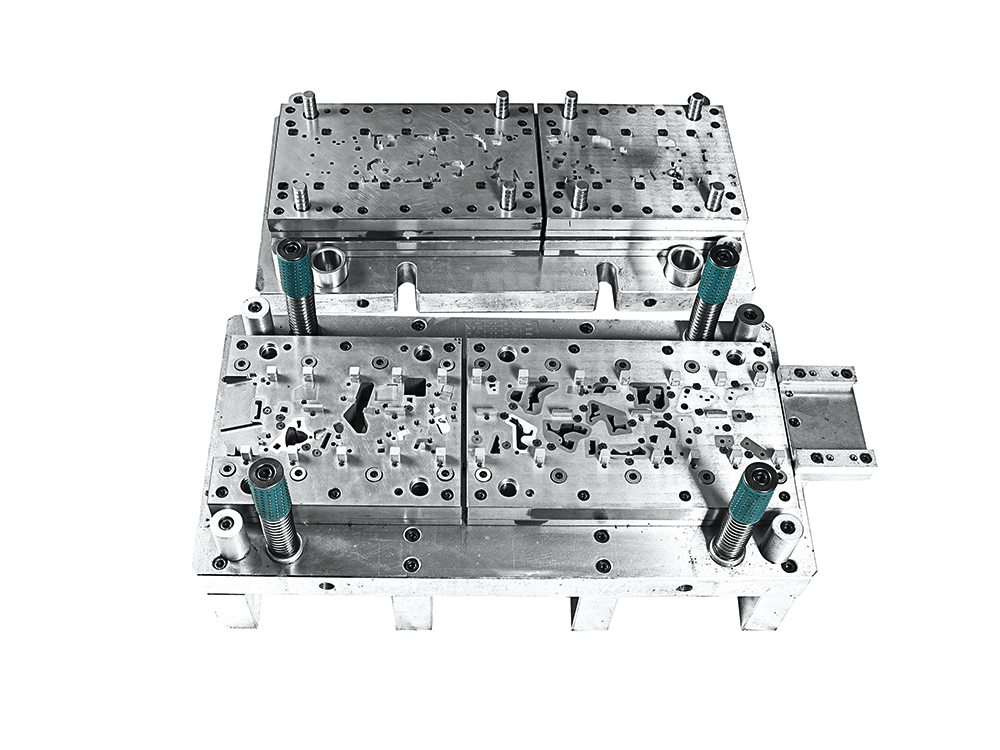
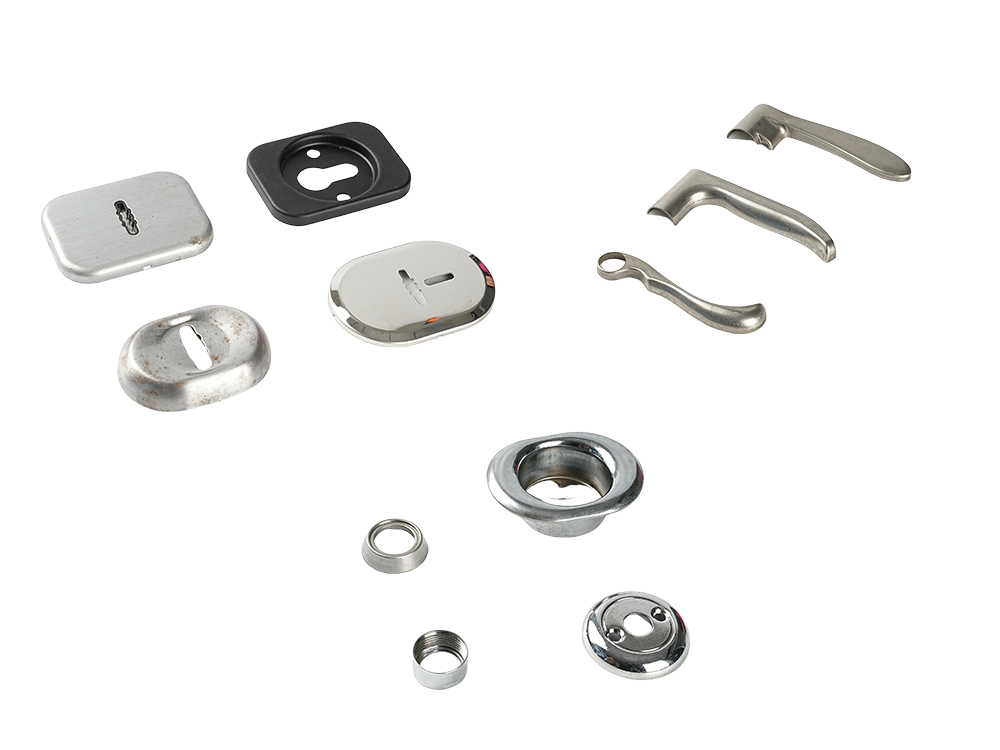
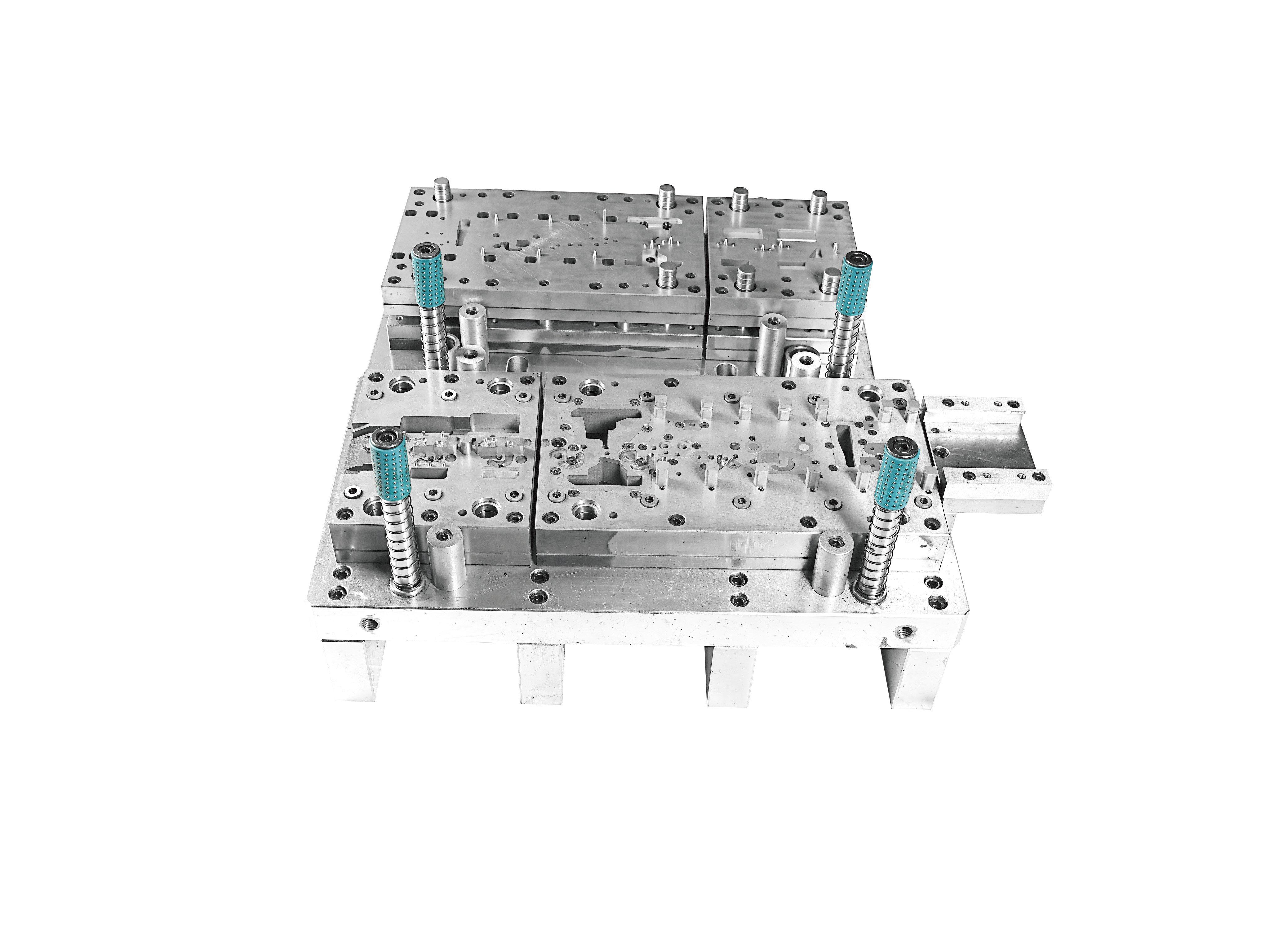
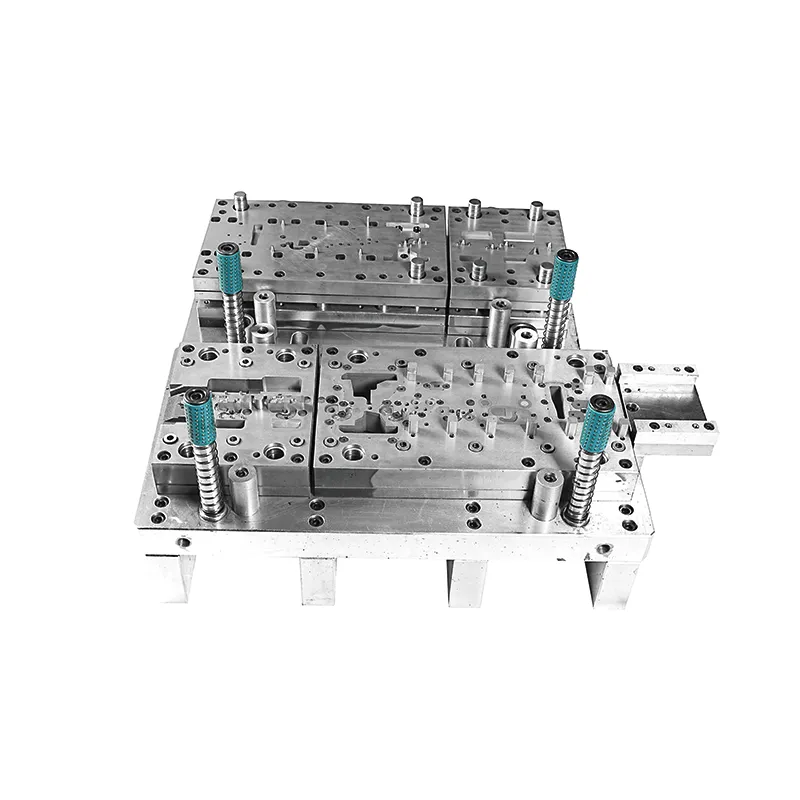
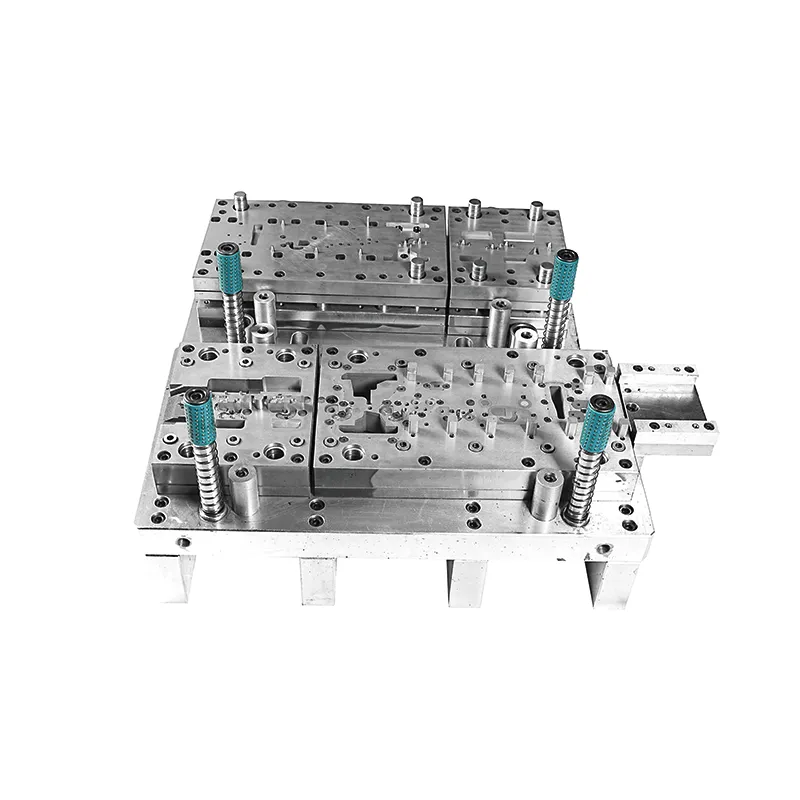
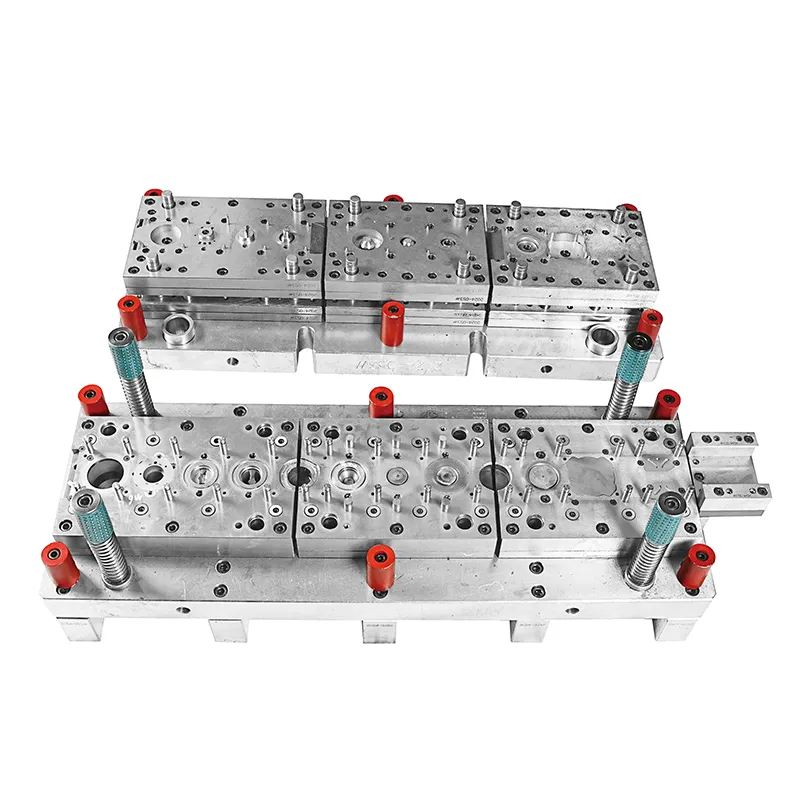
The stamping process in sheet metal is a high-efficiency manufacturing technique that transforms flat metal sheets into precise three-dimensional components through the application of controlled pressure. This process utilizes specialized dies and presses to cut, bend, emboss, or shape sheet metal into desired forms. The stamping process in sheet metal encompasses various operations including blanking, piercing, forming, drawing, and coining, each serving specific manufacturing objectives. The main functions of this technology include creating complex geometries with exceptional accuracy, producing large quantities of identical parts, and maintaining consistent quality across production runs. Technological features of the stamping process in sheet metal include rapid cycle times, minimal material waste, and the ability to work with diverse metals such as steel, aluminum, copper, and brass. The process offers remarkable versatility in thickness ranges and component sizes, from tiny electronic connectors to large automotive body panels. Applications span numerous industries including automotive manufacturing for body panels and structural components, electronics for casings and brackets, appliances for housings and frames, aerospace for lightweight structural parts, and medical devices for precision instruments. The stamping process in sheet metal continues to evolve with advanced automation, computer-aided design integration, and progressive die technology, making it indispensable for modern manufacturing operations requiring high-volume production with strict dimensional tolerances and cost-effectiveness.


 EN