Aluminum Sheet Metal Stamping Solutions

All Categories

aluminum sheet metal stamping

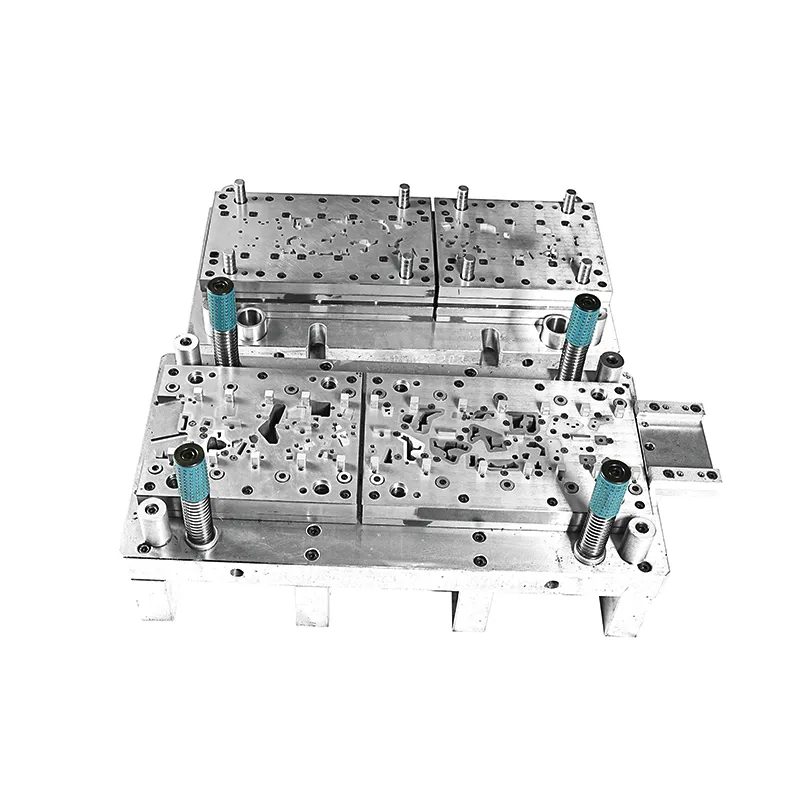
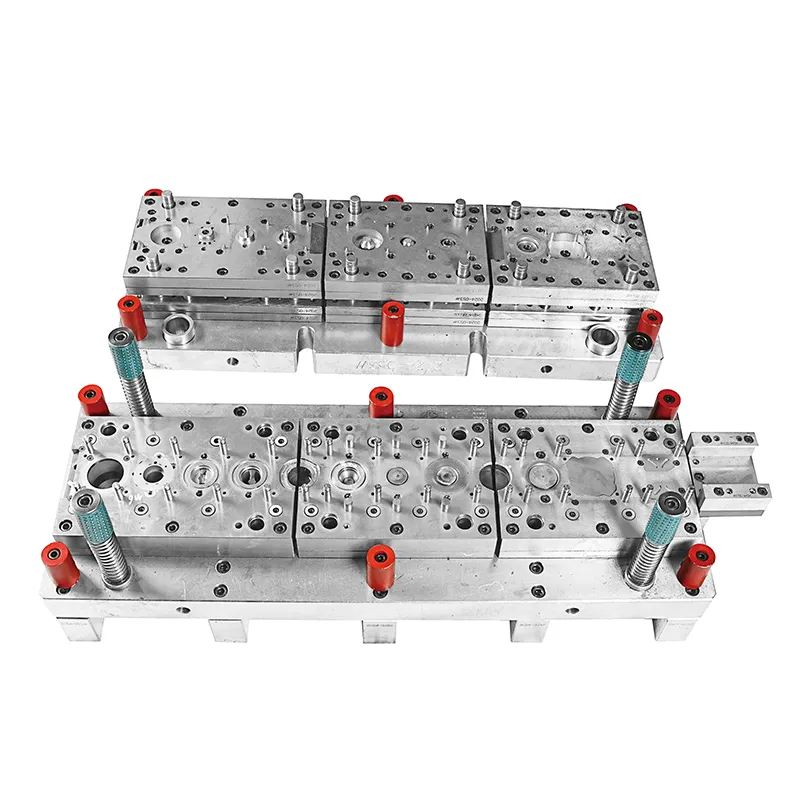
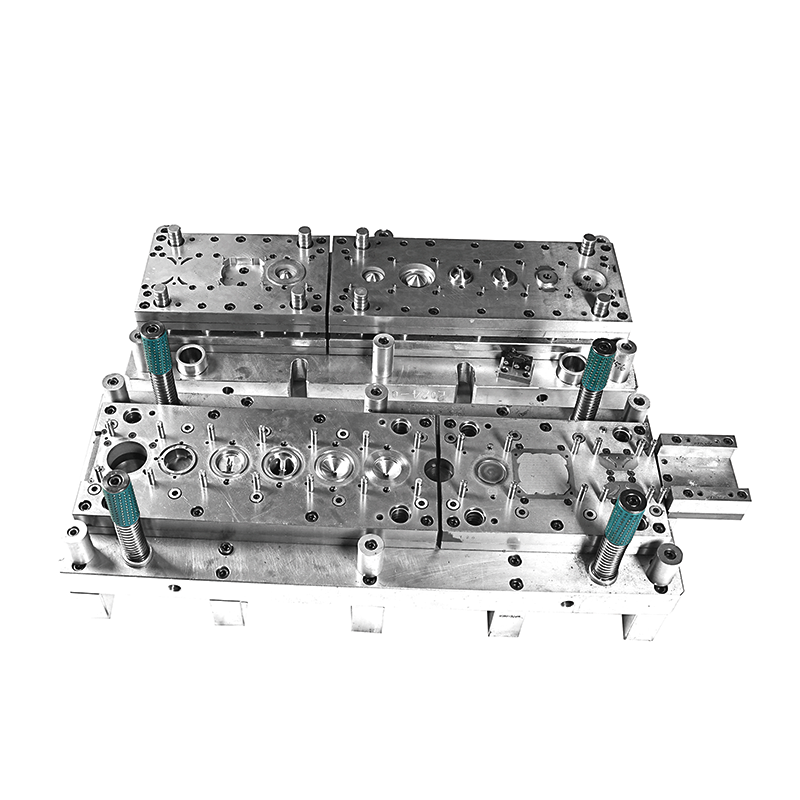
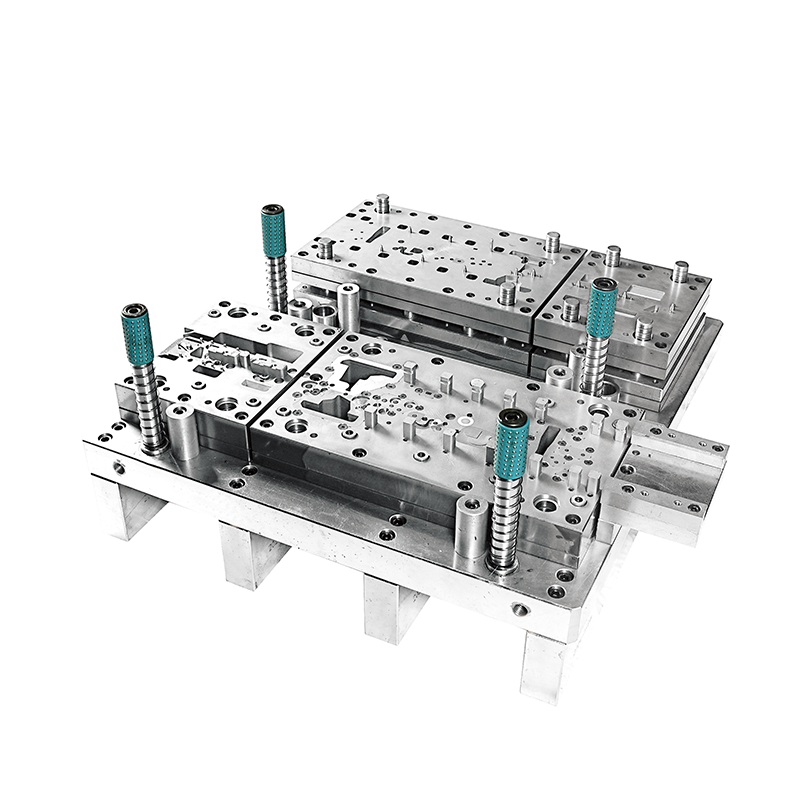
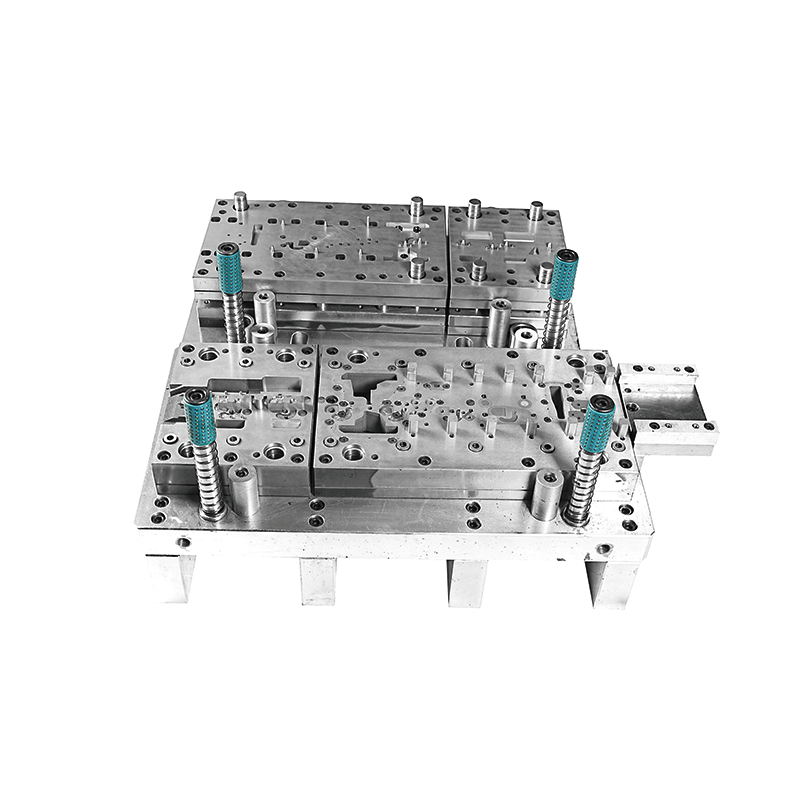
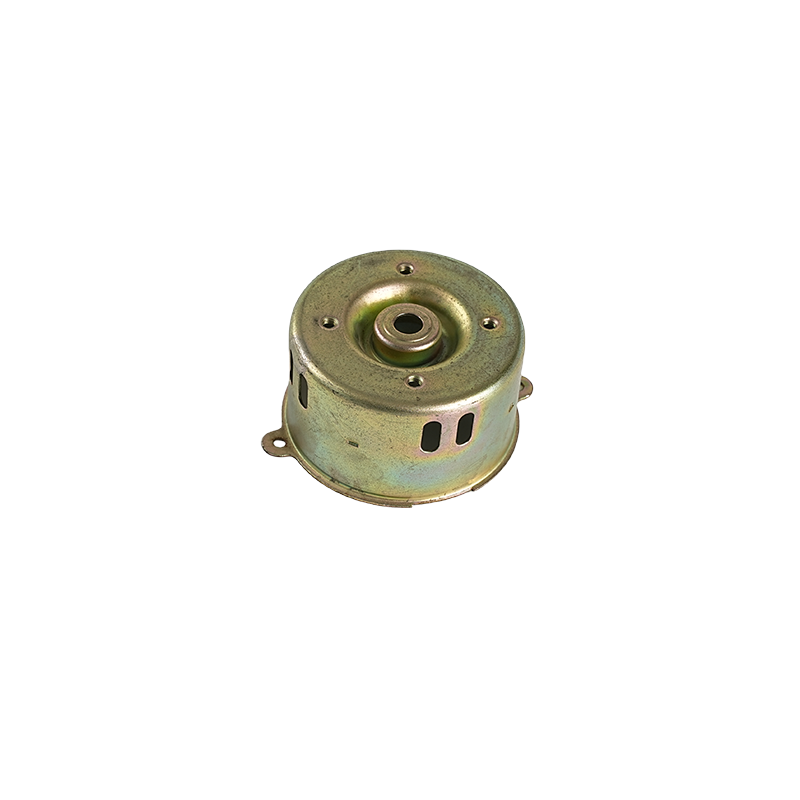
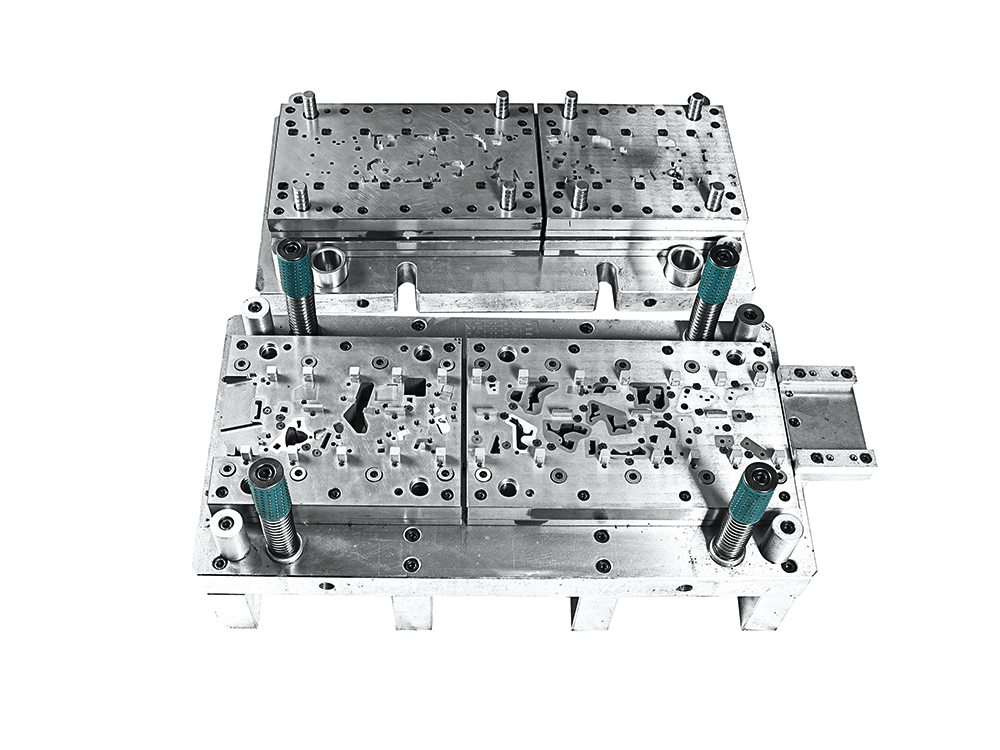
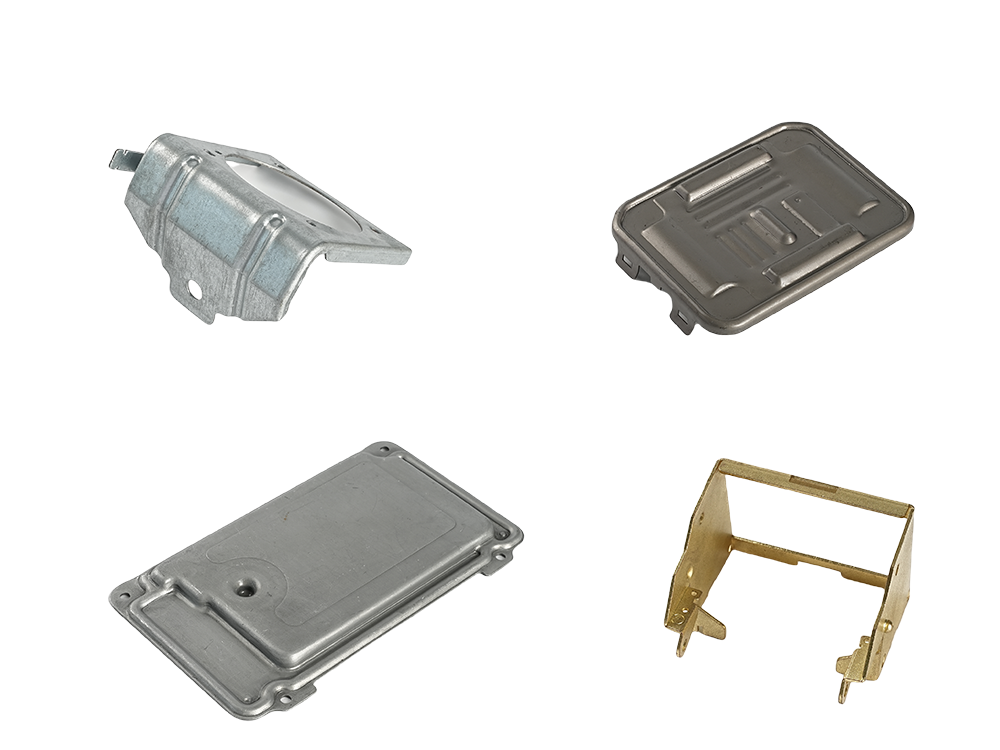
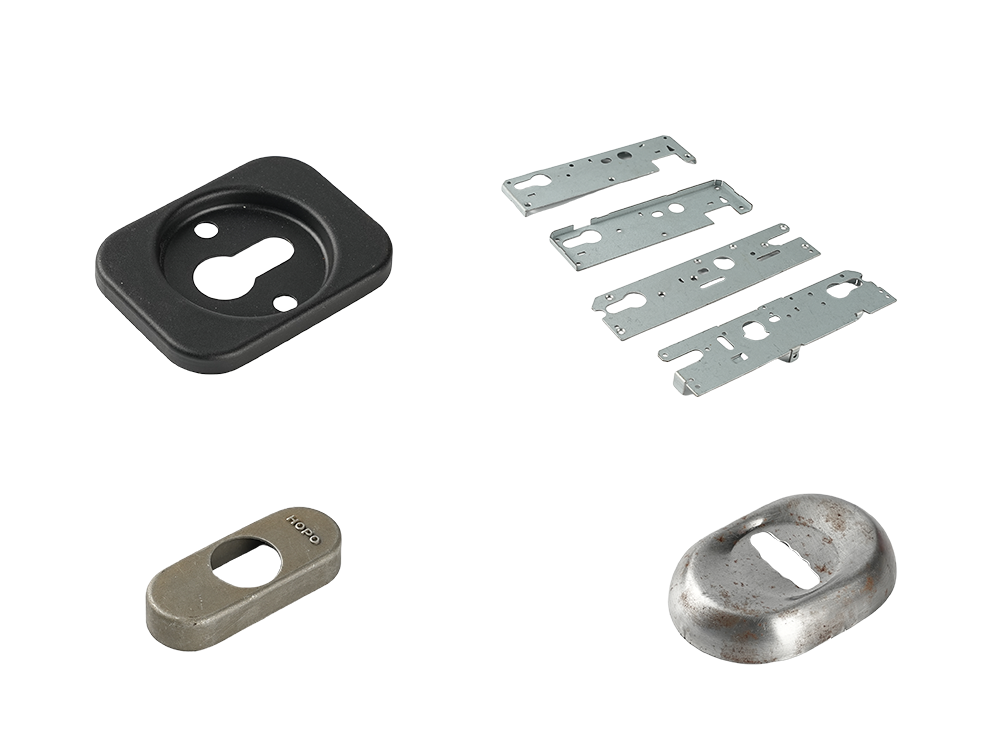
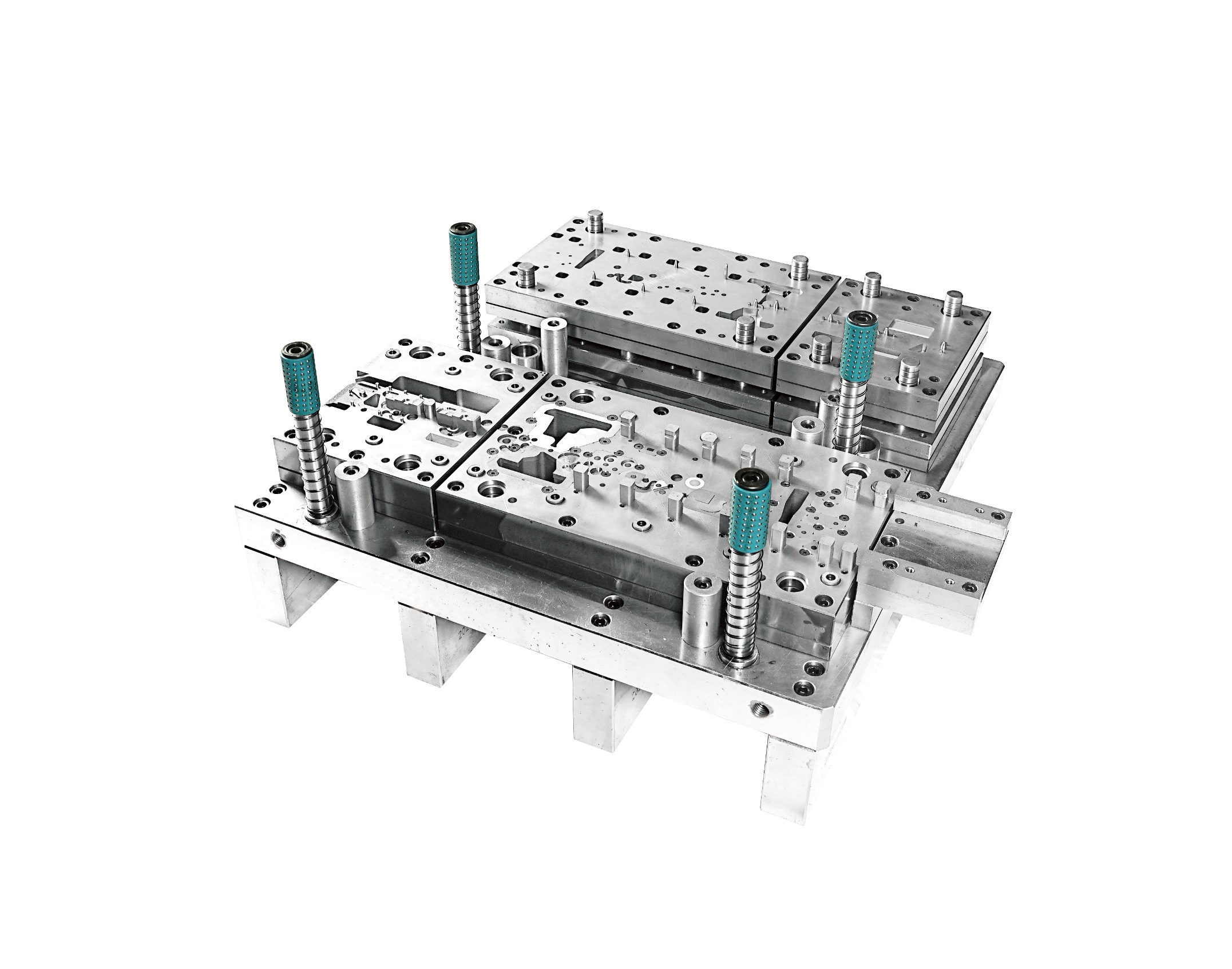
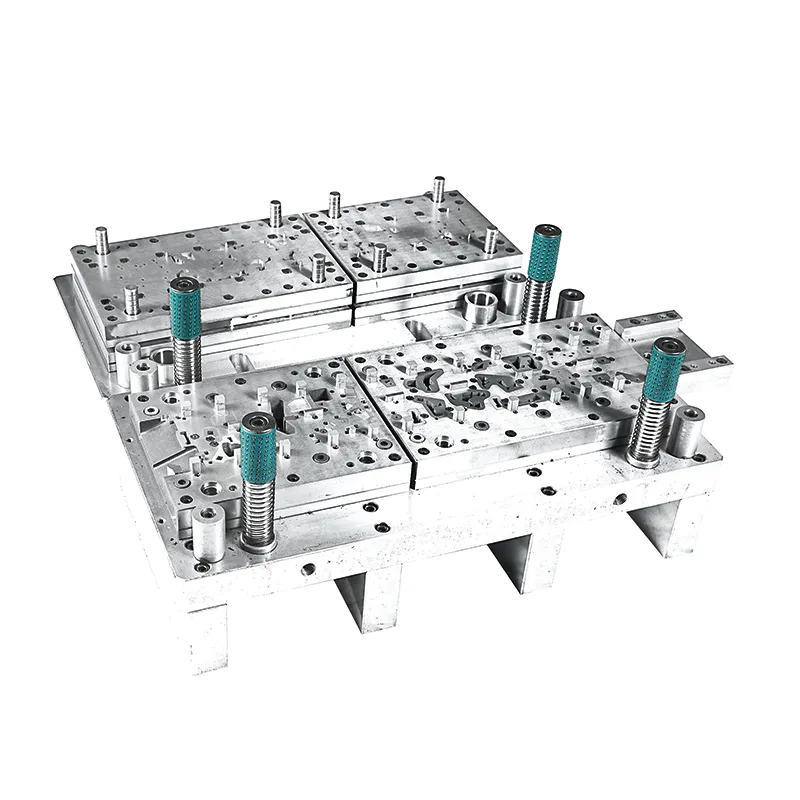
Aluminum sheet metal stamping is a precision manufacturing process that transforms flat aluminum sheets into complex three-dimensional components through controlled pressure and specialized tooling. This cold-forming technique utilizes hydraulic or mechanical presses equipped with custom dies to cut, bend, emboss, and shape aluminum materials into desired configurations. The process leverages aluminum's exceptional formability and lightweight characteristics to produce components ranging from simple brackets to intricate automotive panels. Aluminum sheet metal stamping encompasses various operations including blanking, piercing, drawing, and forming, which can be performed individually or combined in progressive die systems for high-volume production. The technology supports diverse aluminum alloys and thicknesses, typically ranging from 0.5mm to 6mm, making it adaptable to multiple industry requirements. Modern aluminum sheet metal stamping integrates computer-aided design and simulation software to optimize die geometry, predict material behavior, and minimize defects before physical production begins. This manufacturing method excels in producing consistent, repeatable parts with tight tolerances and smooth surface finishes. The process generates minimal material waste through efficient nesting patterns and scrap recycling capabilities. Applications span automotive body panels, aerospace structural components, consumer electronics housings, HVAC system parts, and industrial enclosures. As industries increasingly prioritize weight reduction and sustainability, aluminum sheet metal stamping has become essential for manufacturers seeking cost-effective solutions that deliver strength, corrosion resistance, and design flexibility in mass production environments.
New Product Releases

Choosing aluminum sheet metal stamping delivers significant cost savings through reduced material consumption and lower transportation expenses thanks to aluminum's lightweight nature, which cuts shipping costs by up to forty percent compared to steel alternatives. The process enables rapid production cycles with cycle times as short as five to fifteen seconds per part in automated progressive die systems, dramatically improving manufacturing throughput and meeting tight delivery schedules. Aluminum sheet metal stamping requires less forming force than steel stamping, resulting in lower energy consumption during production and extended tool life that reduces maintenance costs and equipment downtime. The inherent corrosion resistance of aluminum eliminates the need for additional protective coatings in many applications, saving both processing time and finishing expenses while ensuring long-term product durability in harsh environments. This manufacturing method supports exceptional design freedom, allowing engineers to create complex geometries with integrated features like ribs, bosses, and mounting points in single operations, eliminating secondary assembly steps and reducing overall part counts. The process maintains consistent dimensional accuracy across production runs, ensuring interchangeability and quality control that minimizes rejection rates and rework expenses. Aluminum sheet metal stamping generates recyclable scrap material that retains significant value, creating revenue opportunities from waste streams and supporting corporate sustainability initiatives. The technology scales efficiently from prototype quantities to millions of units annually, providing flexibility for businesses at various growth stages without requiring significant capital investment changes. Parts produced through aluminum sheet metal stamping offer superior strength-to-weight ratios, enhancing end-product performance in weight-sensitive applications while maintaining structural integrity and safety standards across automotive, aerospace, and consumer product sectors.

Practical Tips

Precision stamping die

17

Jul

Precision stamping die

View More
Sheet Metal Stamping Manufacturers

17

Jul

Sheet Metal Stamping Manufacturers

View More
Wide application of hardware products

17

Jul

Wide application of hardware products

View More
Progressive Dies: The Key Force Promoting Efficient and Precise Production in Modern Manufacturing

14

Aug

Progressive Dies: The Key Force Promoting Efficient and Precise Production in Modern Manufacturing

View More

Get a Free Quote

Our representative will contact you soon.
Email
WhatsApp
Name
Company Name
Message
0/1000

aluminum sheet metal stamping

Superior Material Efficiency and Environmental Performance

Superior Material Efficiency and Environmental Performance

Aluminum sheet metal stamping achieves remarkable material utilization rates exceeding eighty-five percent through advanced nesting software and optimized blank layouts that minimize scrap generation. Unlike machining processes that remove material as waste, stamping strategically positions parts to maximize sheet usage and reduce raw material costs. The aluminum scrap generated during production maintains approximately ninety-five percent of its original value and can be recycled indefinitely without degradation of material properties, creating a closed-loop manufacturing system that supports environmental responsibility and reduces dependence on virgin material extraction. This recycling capability significantly lowers the carbon footprint of aluminum sheet metal stamping operations, as recycled aluminum requires only five percent of the energy needed to produce primary aluminum from ore. Manufacturers implementing aluminum sheet metal stamping benefit from reduced waste disposal costs while generating revenue from scrap sales to recycling facilities. The process supports lean manufacturing principles by eliminating excess inventory and reducing storage requirements for finished components due to shorter lead times and responsive production capabilities that align with just-in-time delivery systems.
Exceptional Versatility Across Multiple Industry Applications

Exceptional Versatility Across Multiple Industry Applications

Aluminum sheet metal stamping accommodates an extensive range of aluminum alloys including 1100, 3003, 5052, 6061, and 7075 series, each offering distinct mechanical properties tailored to specific application requirements. This alloy flexibility enables manufacturers to optimize component performance characteristics such as formability, strength, electrical conductivity, and corrosion resistance based on end-use environments. The process successfully produces parts ranging from delicate electronics enclosures with wall thicknesses below one millimeter to robust structural brackets exceeding five millimeters, demonstrating remarkable adaptability to diverse product specifications. Aluminum sheet metal stamping supports various finishing operations including anodizing, powder coating, and chromate conversion treatments that enhance aesthetic appeal and functional performance without compromising dimensional accuracy. The technology seamlessly integrates with automated assembly lines through consistent part geometry and quality, facilitating robotic handling and reducing labor costs in high-volume manufacturing environments. Progressive die stamping enables multiple forming operations within a single press stroke, consolidating manufacturing steps and eliminating intermediate handling that could introduce quality variations or damage delicate features, thereby ensuring superior part consistency across production batches.
Precision Engineering with Consistent Quality Control

Precision Engineering with Consistent Quality Control

Aluminum sheet metal stamping delivers dimensional tolerances as tight as plus or minus 0.05 millimeters in critical feature locations through precision-ground dies and computer-controlled press systems that monitor forming forces in real-time. This exceptional accuracy ensures proper fit and function in assemblies without requiring costly secondary machining operations or manual adjustments during installation. The process maintains consistent material thickness throughout formed areas, preventing weak points that could compromise structural integrity or create failure zones under operational stress. Modern aluminum sheet metal stamping operations incorporate automated inspection systems using laser scanning and machine vision technology to verify dimensional compliance on every part, eliminating defective components before they enter supply chains and protecting brand reputation. The cold-forming nature of the process work-hardens aluminum material along bend lines and formed features, increasing local strength without additional heat treatment steps and enhancing overall component durability. Tooling designed for aluminum sheet metal stamping can produce millions of parts before requiring refurbishment, ensuring production consistency across extended manufacturing campaigns and protecting against unexpected quality variations that disrupt customer satisfaction and delivery commitments.

Get a Free Quote

Our representative will contact you soon.
Email
WhatsApp
Name
Company Name
Message
0/1000