Sheet Metal Pressed Parts - Custom Solutions

All Categories

sheet metal pressed parts

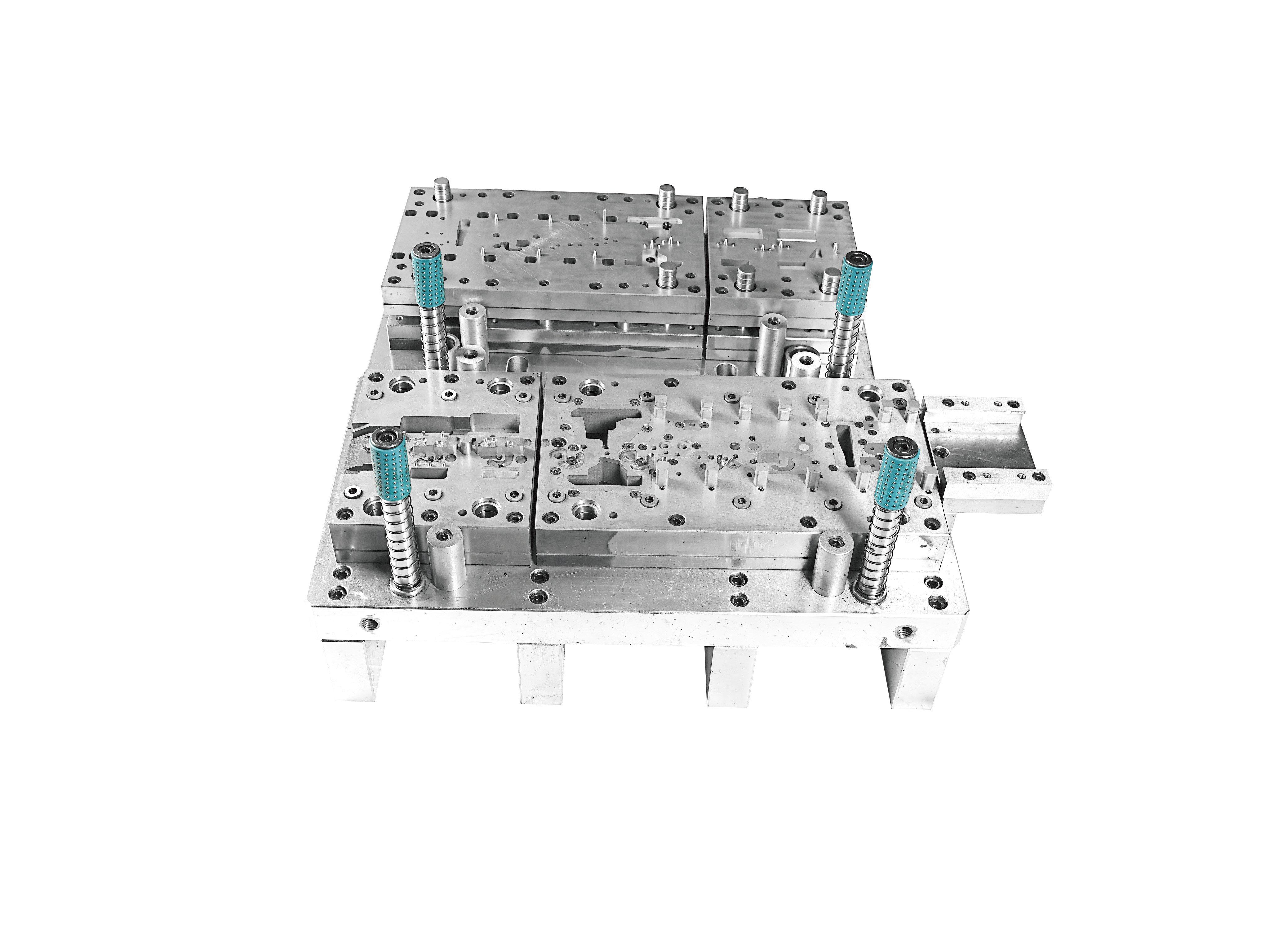
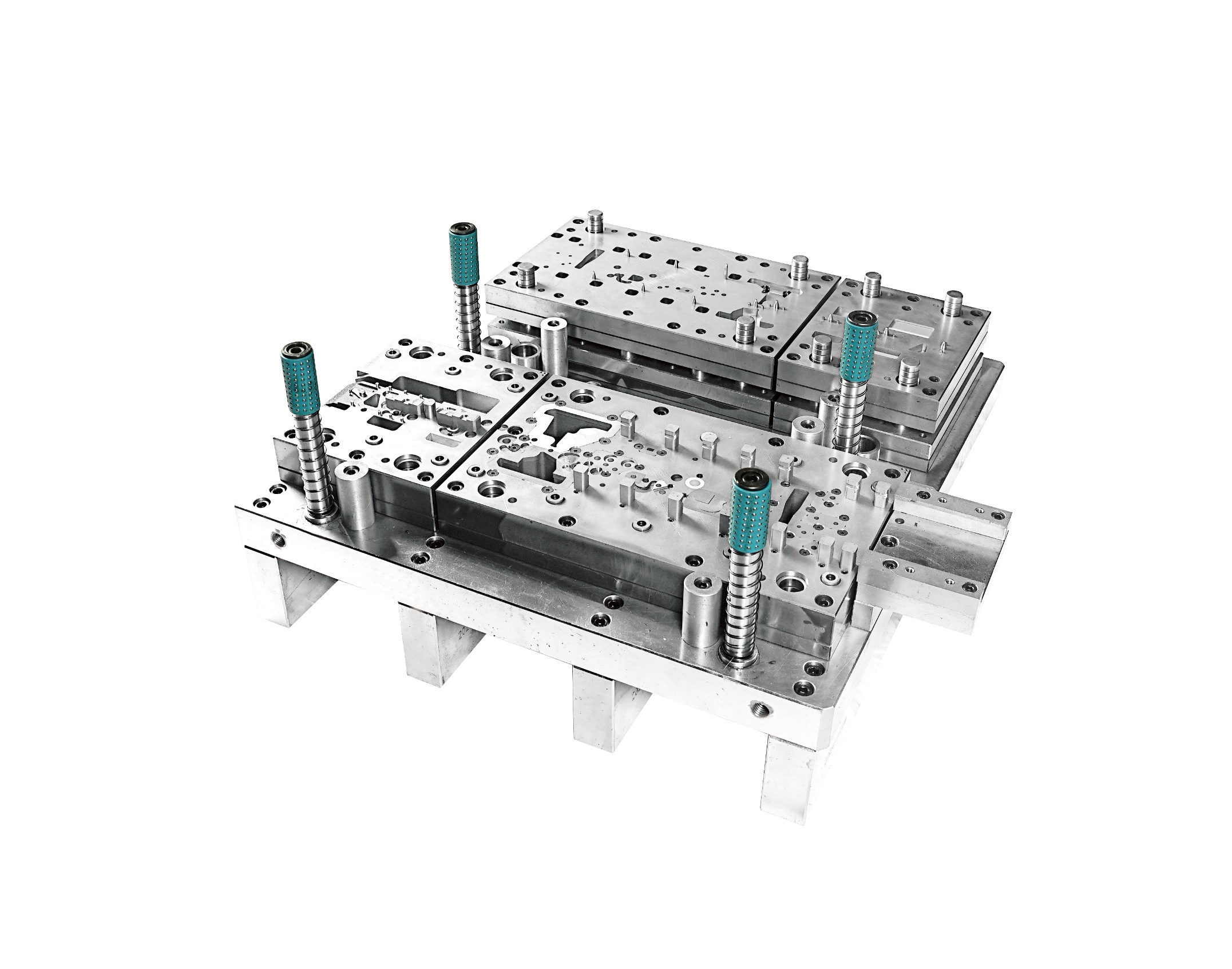
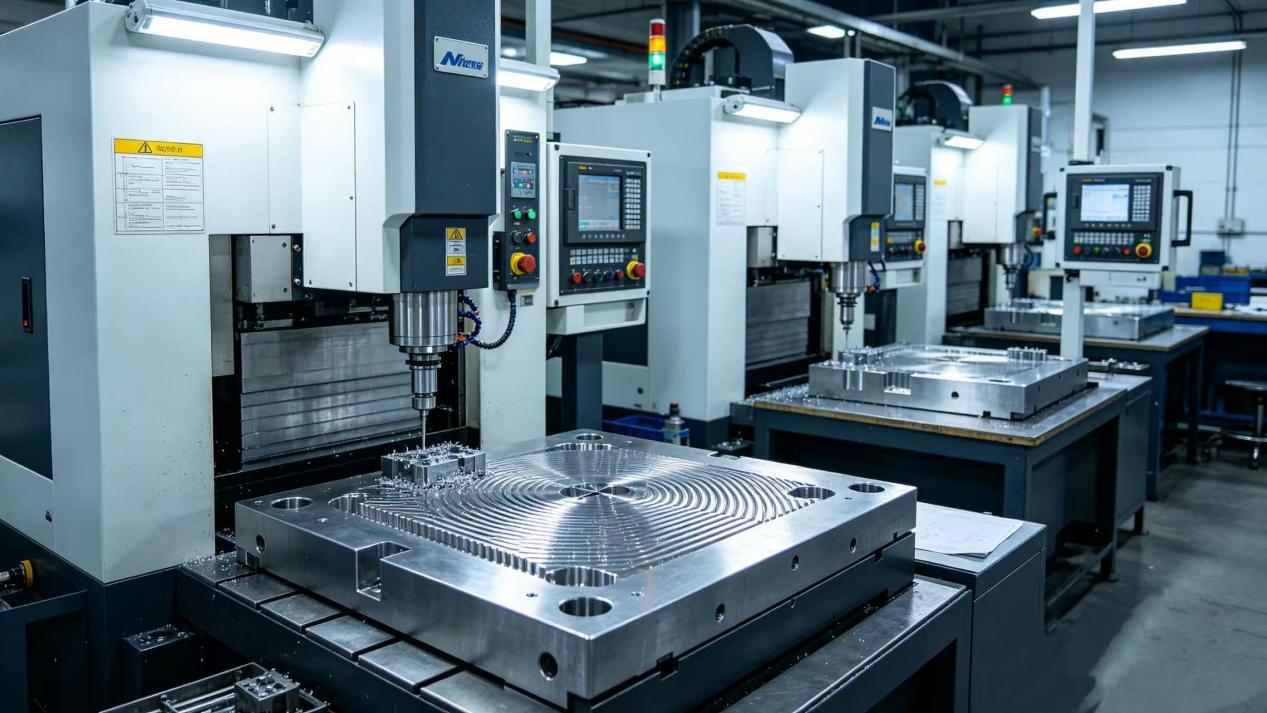
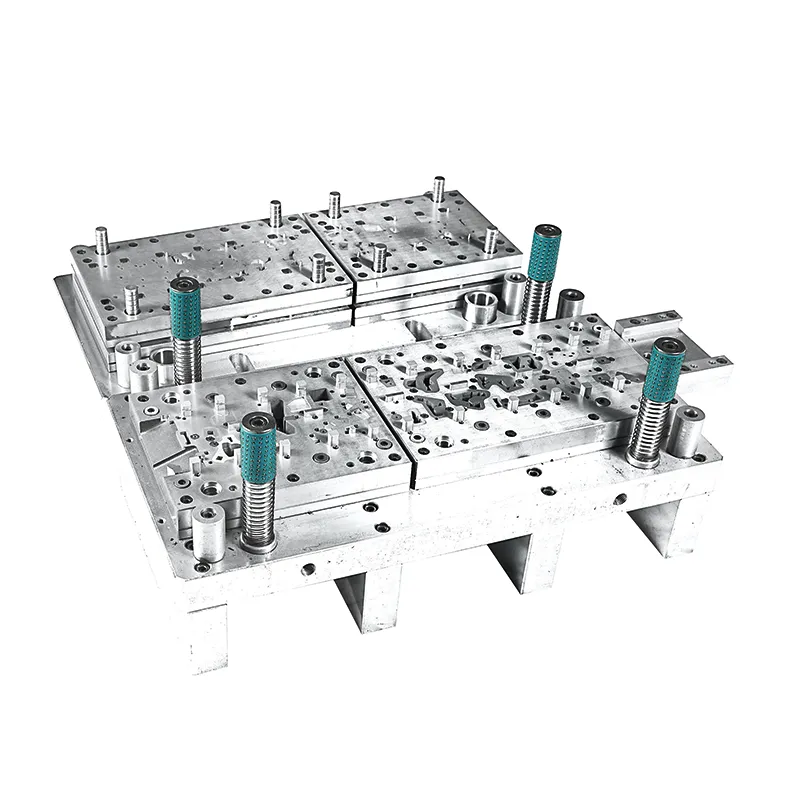
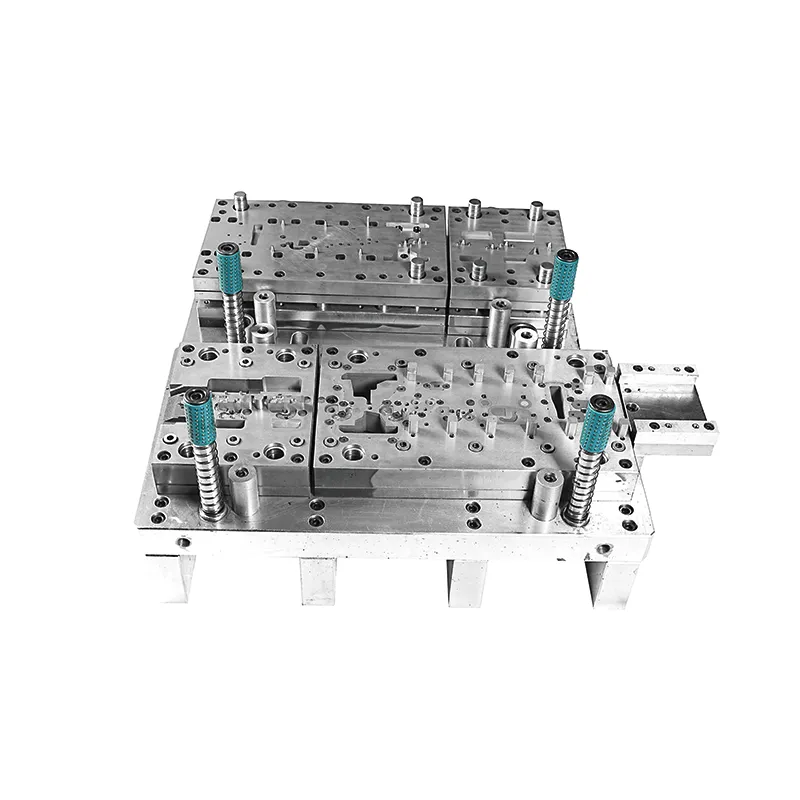
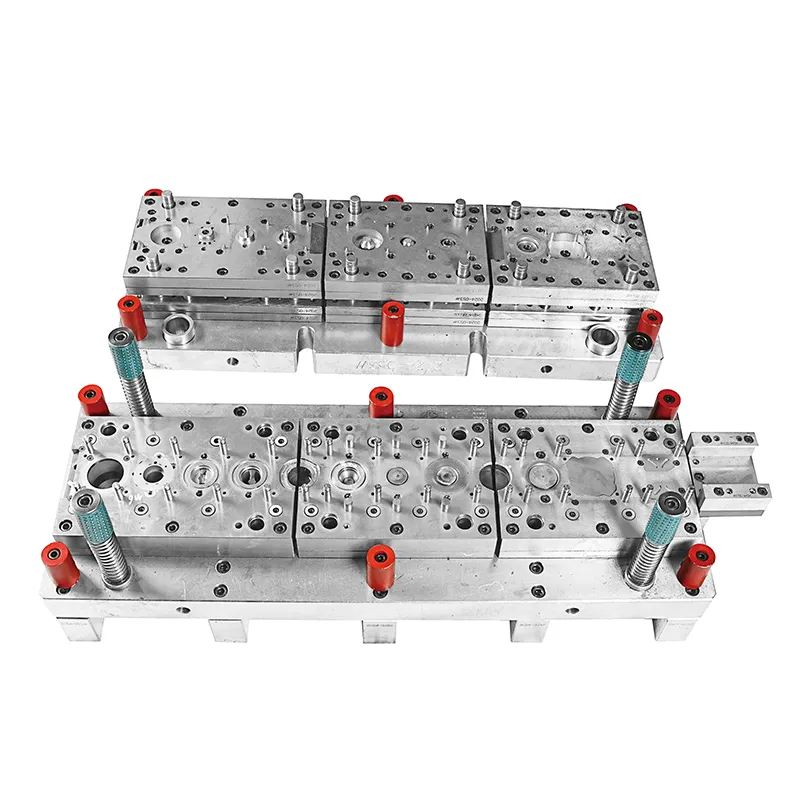
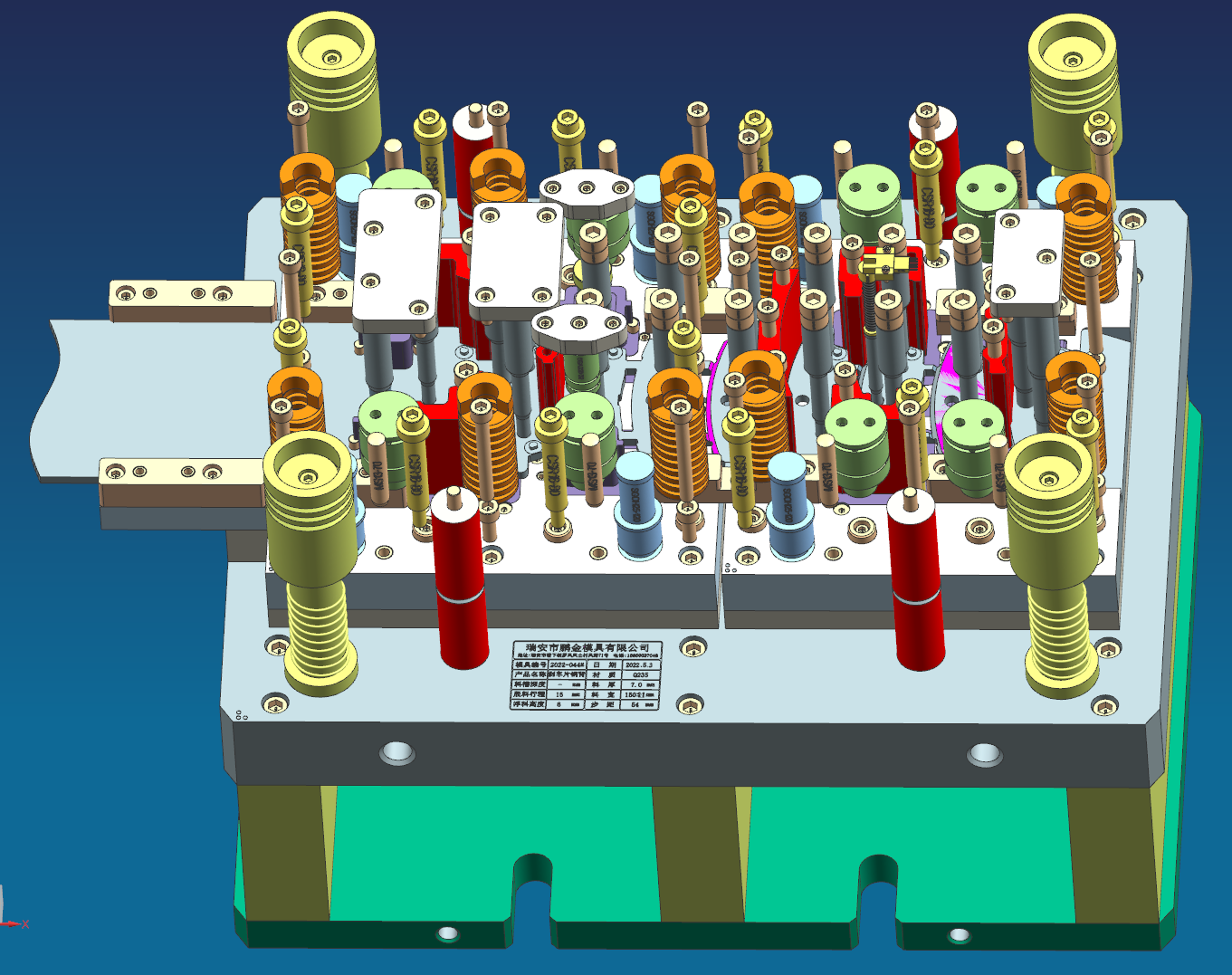
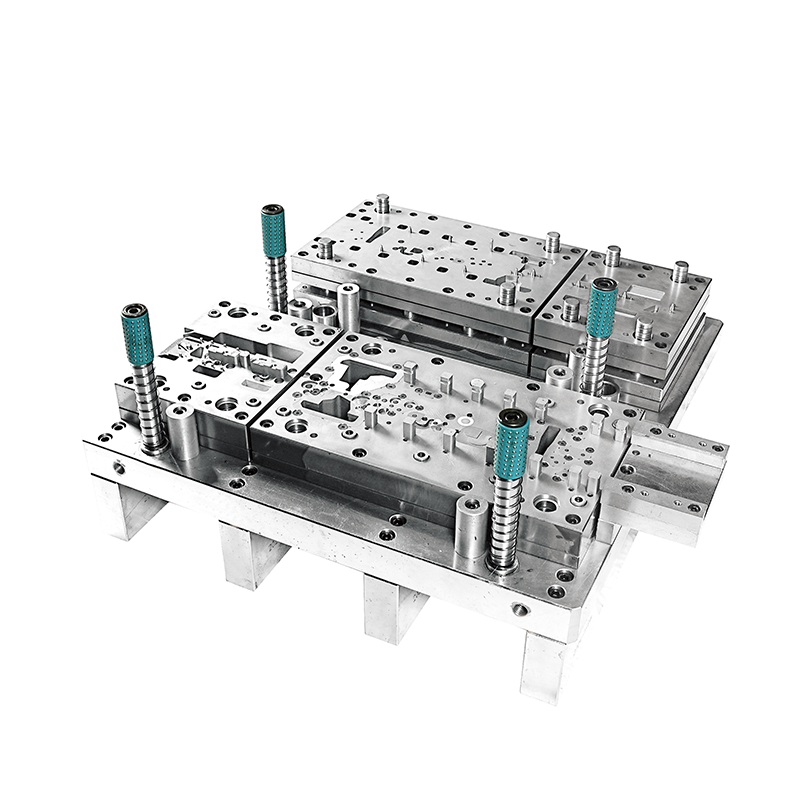
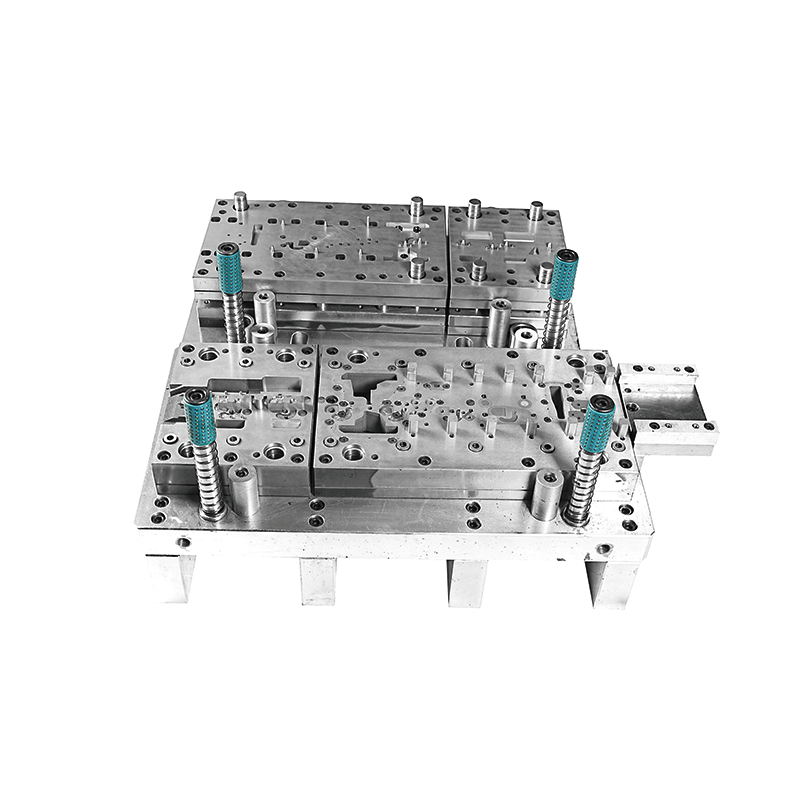
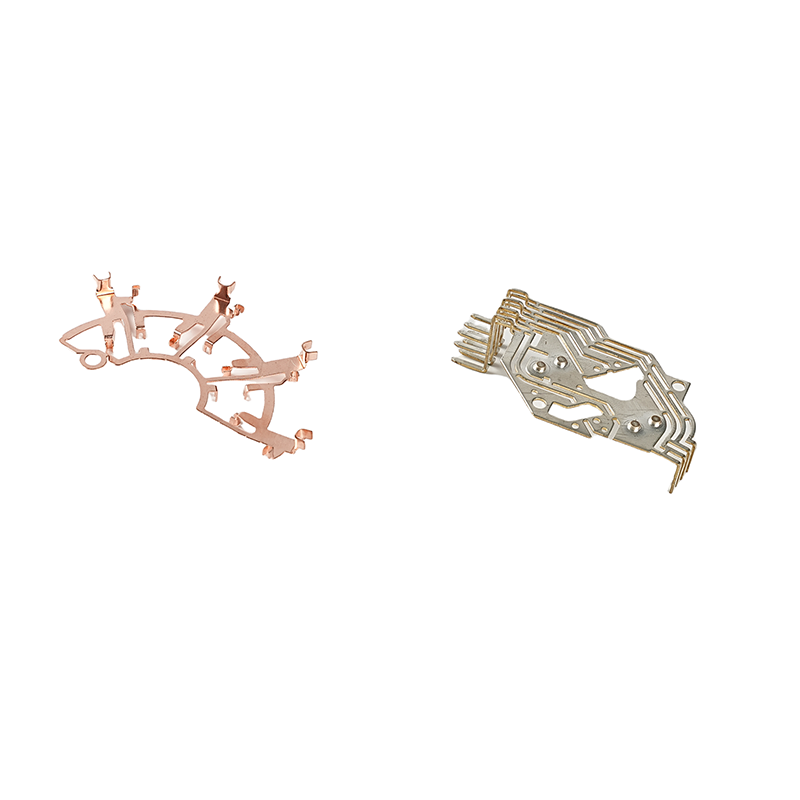
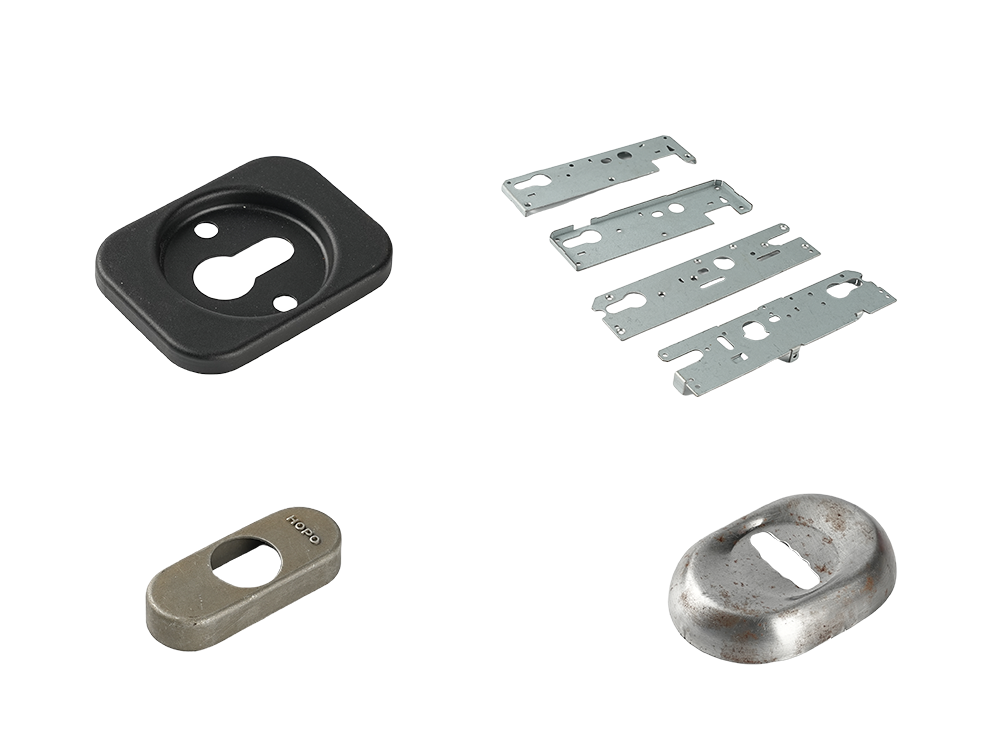
Sheet metal pressed parts are essential components manufactured through stamping processes that transform flat metal sheets into complex three-dimensional shapes using specialized dies and presses. These parts are created by applying controlled force to metal blanks, enabling manufacturers to produce high-volume components with exceptional precision and repeatability. The technology behind sheet metal pressed parts involves multiple forming techniques including blanking, bending, drawing, piercing, and embossing, each designed to achieve specific geometric configurations. These components serve critical functions across numerous industries, from automotive structural elements and electronic enclosures to appliance housings and aerospace brackets. The manufacturing process utilizes various metals including steel, aluminum, brass, and copper, with thickness ranges typically spanning from 0.5mm to 6mm depending on application requirements. Sheet metal pressed parts offer superior dimensional accuracy, with tolerances achievable to within 0.05mm for precision applications. The versatility of this manufacturing method allows for the integration of multiple features such as mounting holes, ribs, flanges, and embossed details in a single operation. Modern stamping facilities employ progressive dies and transfer systems that enable continuous production of complex sheet metal pressed parts with minimal human intervention. This technology supports both prototype development and mass production, making it suitable for startups and established manufacturers alike. The surface finish quality of sheet metal pressed parts can be enhanced through secondary operations including powder coating, plating, and anodizing, expanding their application potential across demanding environments.

New Product Releases

Investing in sheet metal pressed parts delivers significant cost advantages for your manufacturing operations. The high-speed production capability means you can produce thousands of identical components daily, dramatically reducing your per-unit costs compared to machining or fabrication methods. This efficiency translates directly to improved profit margins and competitive pricing for your products. The material utilization rate in stamping processes reaches up to 85 percent, minimizing waste and reducing your raw material expenses substantially. You benefit from exceptional consistency across production runs, ensuring every sheet metal pressed part meets your exact specifications without variation. This reliability eliminates costly rework, reduces quality control expenses, and protects your brand reputation. The durability of sheet metal pressed parts provides long service life in demanding applications, reducing maintenance requirements and replacement frequency for your customers. These components withstand repeated stress, vibration, and environmental exposure while maintaining structural integrity. The lightweight nature of sheet metal pressed parts contributes to energy efficiency in transportation applications and ease of installation across all sectors. You gain design flexibility that accommodates complex geometries impossible with other manufacturing methods, enabling innovation in product development. The rapid tooling turnaround for sheet metal pressed parts accelerates your time-to-market, helping you capitalize on emerging opportunities before competitors. The scalability of stamping operations supports your growth trajectory seamlessly, from initial production runs to full-scale manufacturing without process changes. You also benefit from established supply chains and widespread technical expertise, ensuring reliable sourcing and support throughout your product lifecycle. The environmental profile of sheet metal pressed parts supports sustainability initiatives through recyclability and energy-efficient production methods, aligning with modern corporate responsibility standards.

Practical Tips

Wide application of hardware products

17

Jul

Wide application of hardware products

View More
Various applications of precision molds

17

Jul

Various applications of precision molds

View More
Progressive Dies: The Key Force Promoting Efficient and Precise Production in Modern Manufacturing

14

Aug

Progressive Dies: The Key Force Promoting Efficient and Precise Production in Modern Manufacturing

View More
Industry Trends Analysis: Precision Stamping & Mold Manufacturing 2026

22

Apr

Industry Trends Analysis: Precision Stamping & Mold Manufacturing 2026

View More

Get a Free Quote

Our representative will contact you soon.
Email
WhatsApp
Name
Company Name
Message
0/1000

sheet metal pressed parts

Unmatched Production Speed and Volume Capability

Unmatched Production Speed and Volume Capability

The production velocity achievable with sheet metal pressed parts sets this manufacturing method apart from alternative fabrication techniques. Modern stamping presses operate at speeds ranging from 20 to 1500 strokes per minute, depending on part complexity and material specifications, enabling manufacturers to produce components at rates unattainable through machining, casting, or welding processes. This exceptional throughput capacity makes sheet metal pressed parts the optimal solution for high-volume production requirements across automotive, electronics, and consumer goods sectors. Progressive die systems allow multiple forming operations to occur simultaneously as the material advances through sequential stations, creating finished components in seconds rather than minutes. The economic impact of this speed advantage compounds throughout production cycles, significantly reducing labor costs per unit while maximizing equipment utilization rates. For businesses facing tight delivery schedules or seasonal demand fluctuations, the rapid production capability of sheet metal pressed parts provides the operational flexibility necessary to meet market requirements without maintaining excessive inventory levels. The consistency maintained at high production speeds ensures that the ten-thousandth component exhibits the same dimensional accuracy and surface quality as the first, eliminating the performance degradation common in manual processes.
Superior Strength-to-Weight Engineering Performance

Superior Strength-to-Weight Engineering Performance

Sheet metal pressed parts deliver exceptional structural performance while minimizing component weight, a critical advantage for applications where material efficiency directly impacts operational costs and performance metrics. The cold-forming process inherent in stamping operations work-hardens the metal, increasing tensile strength and yield strength beyond the properties of the base material. This strain hardening effect means that sheet metal pressed parts often outperform machined components of similar dimensions in load-bearing applications. The ability to incorporate strengthening features such as ribs, beads, and formed flanges during the pressing operation enhances rigidity without adding material thickness or weight. Engineers leverage these characteristics to optimize designs for maximum strength with minimum mass, particularly valuable in aerospace applications where every gram affects fuel efficiency, and in automotive manufacturing where lightweighting contributes to emissions reduction and performance enhancement. The geometric versatility of sheet metal pressed parts enables the creation of box sections, hat channels, and other closed profiles that provide exceptional bending and torsional resistance. This strength-to-weight advantage extends product lifespan while reducing transportation costs, installation complexity, and structural support requirements throughout the application lifecycle, delivering measurable value across the entire supply chain.
Exceptional Design Flexibility and Customization Options

Exceptional Design Flexibility and Customization Options

The adaptability of sheet metal pressed parts manufacturing accommodates virtually unlimited design possibilities, empowering engineers to create components precisely tailored to specific functional requirements and spatial constraints. Unlike casting processes that require draft angles and uniform wall thickness, or machining operations limited by tool access, stamping technology produces complex three-dimensional geometries with varying material thickness, integrated attachment features, and intricate detail patterns. Designers incorporate functional elements including mounting tabs, alignment features, snap-fit connections, and ventilation louvers directly into sheet metal pressed parts during the forming operation, eliminating secondary operations and assembly steps. This integration capability reduces component count in assemblies, simplifying supply chain management while improving reliability by eliminating potential connection failures. The tooling flexibility supports rapid design iterations during product development phases, allowing engineers to refine configurations and test multiple variations efficiently. Manufacturers can implement design changes through tool modifications that cost significantly less than retooling for casting or molding processes. The material selection freedom available with sheet metal pressed parts spans aluminum alloys for corrosion resistance, high-strength steel for structural applications, copper for electrical conductivity, and specialty metals for extreme environment performance, ensuring optimal material properties for each specific application requirement.

Get a Free Quote

Our representative will contact you soon.
Email
WhatsApp
Name
Company Name
Message
0/1000