Stamped Sheet Metal Parts - Precision Components

All Categories

stamped sheet metal parts

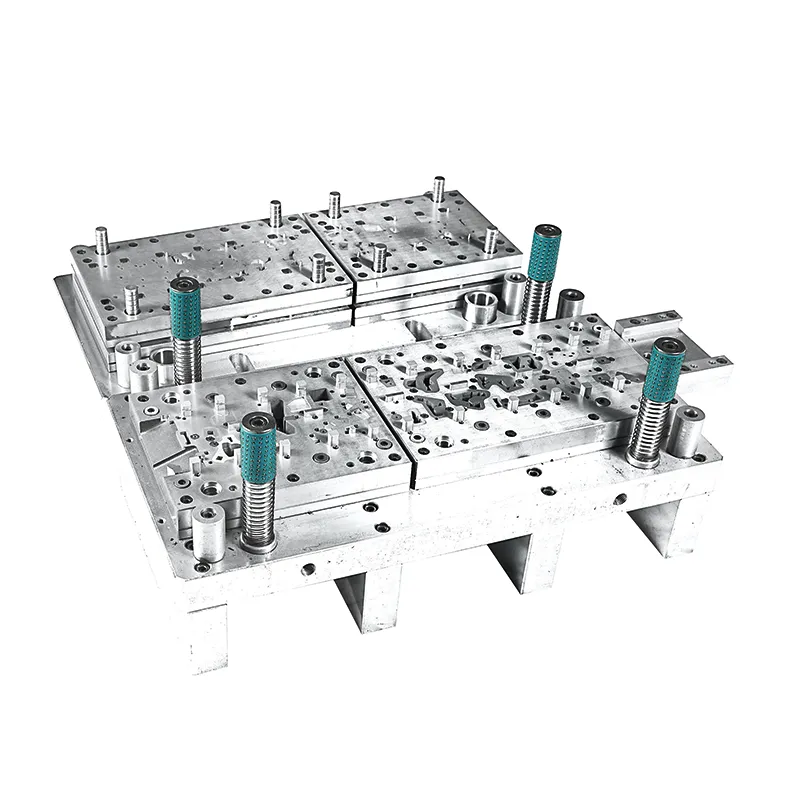
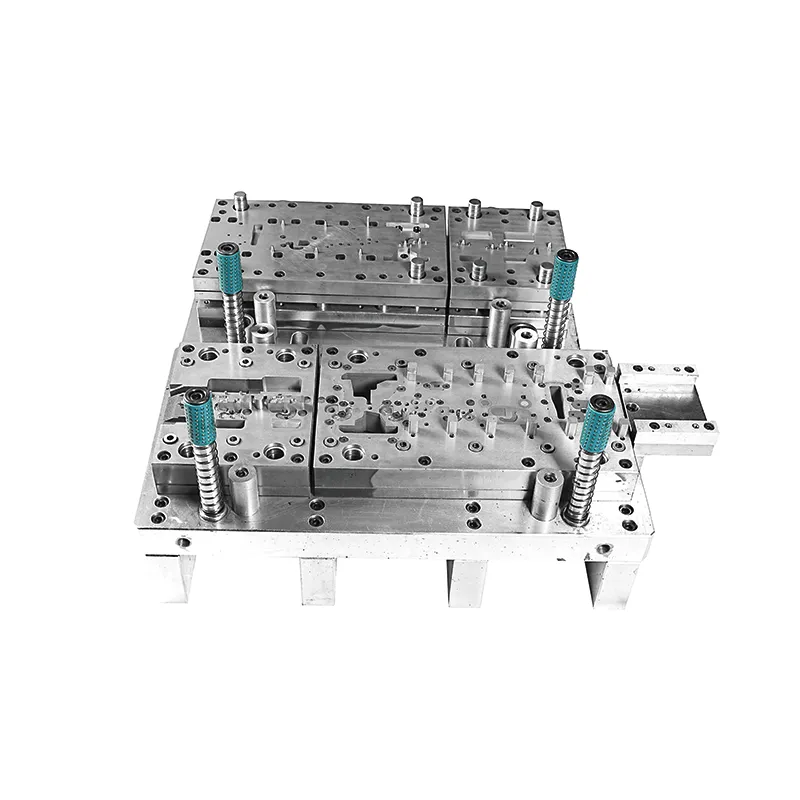
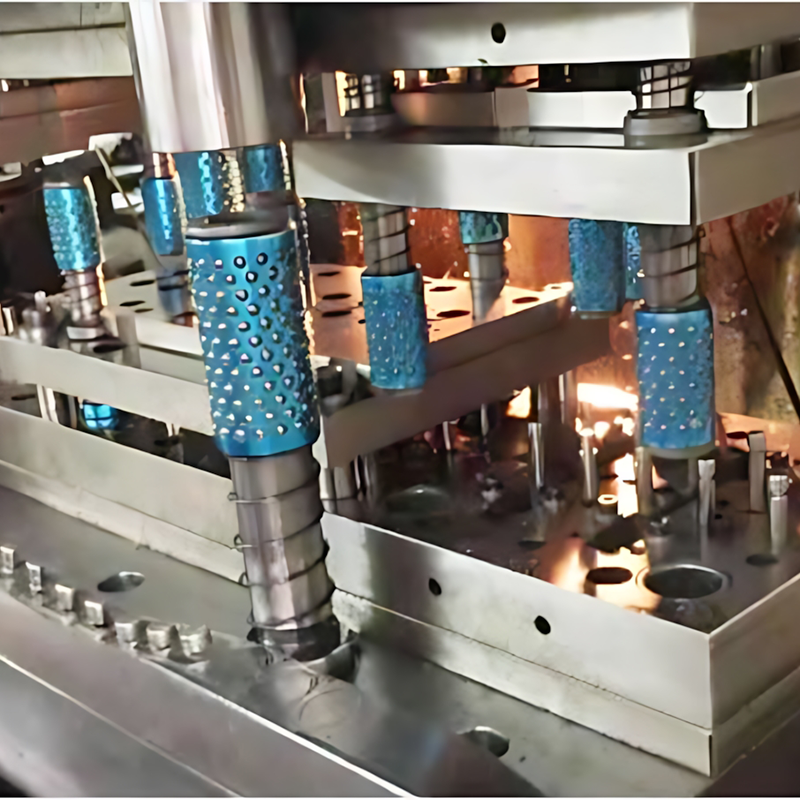
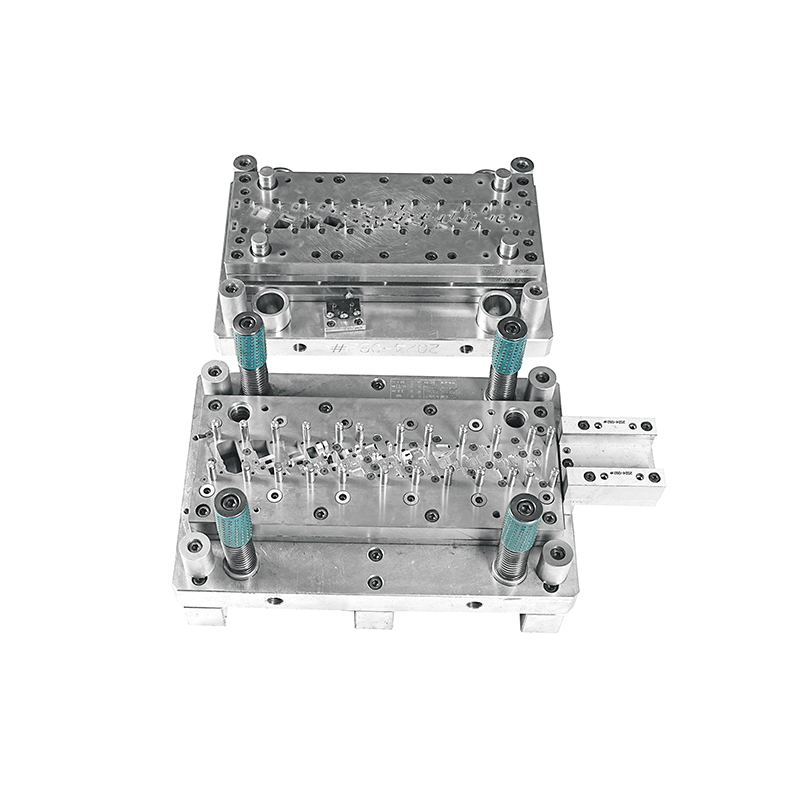
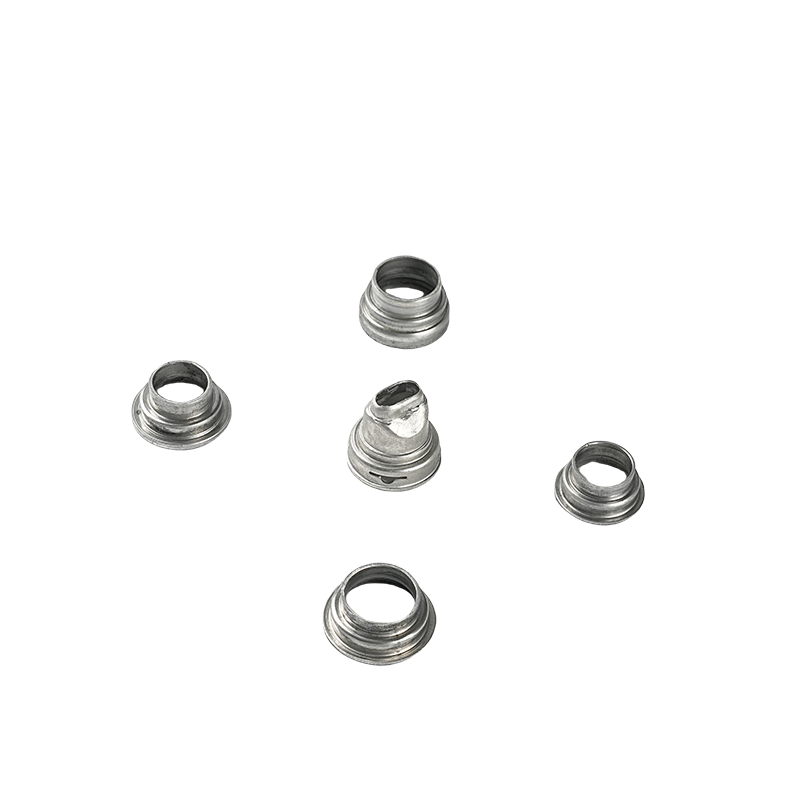
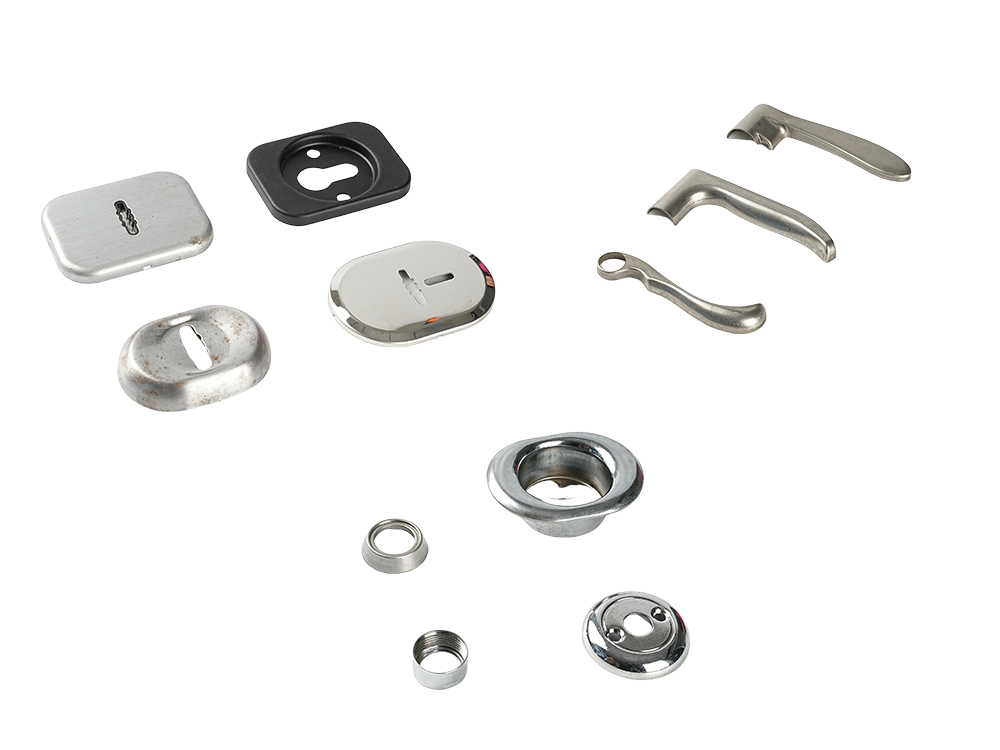
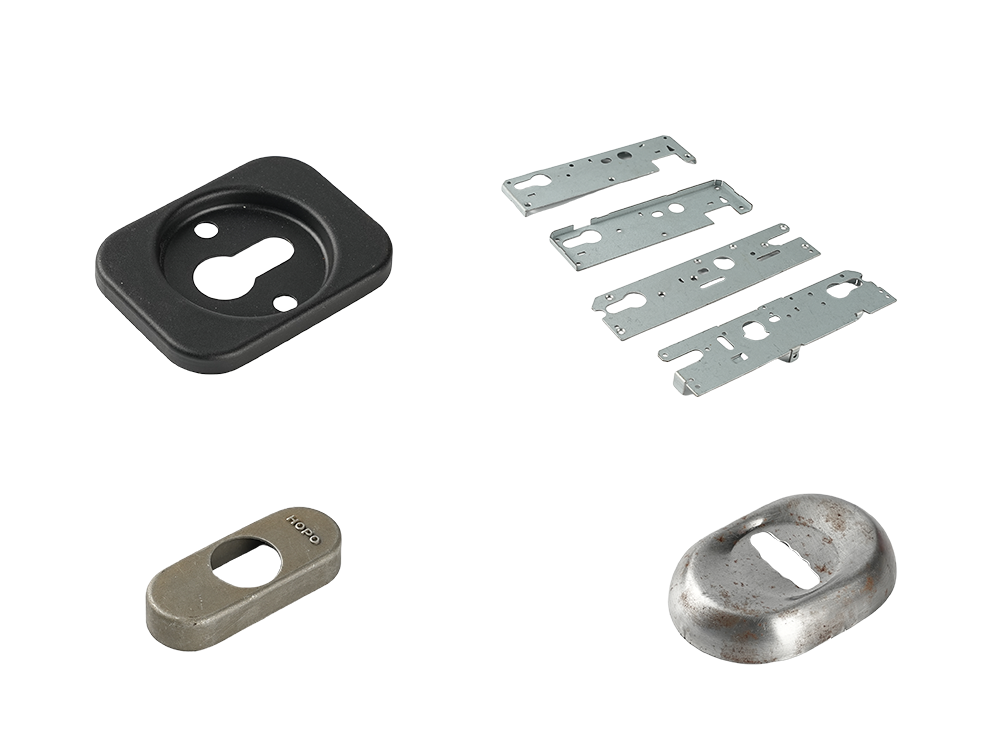
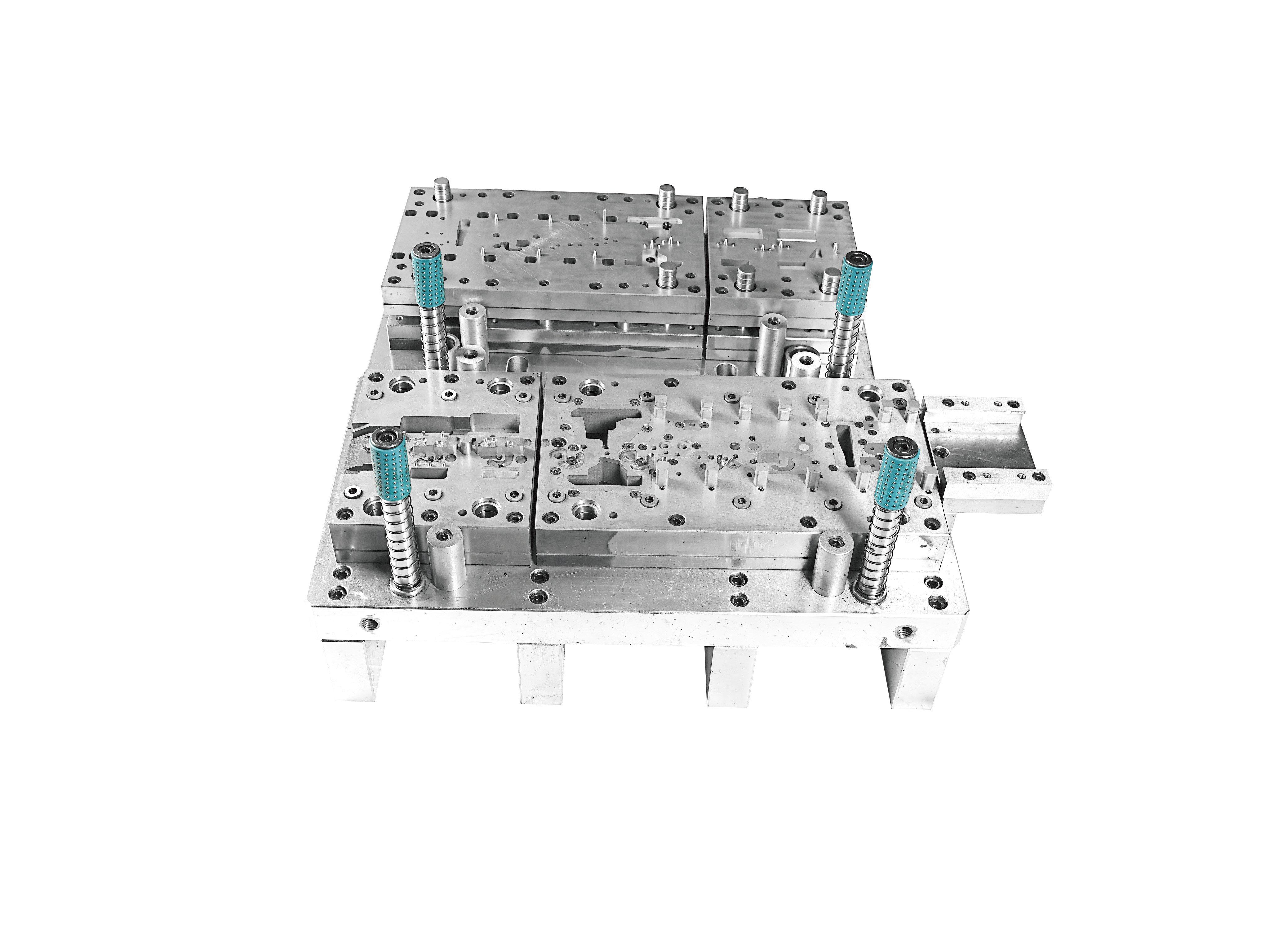
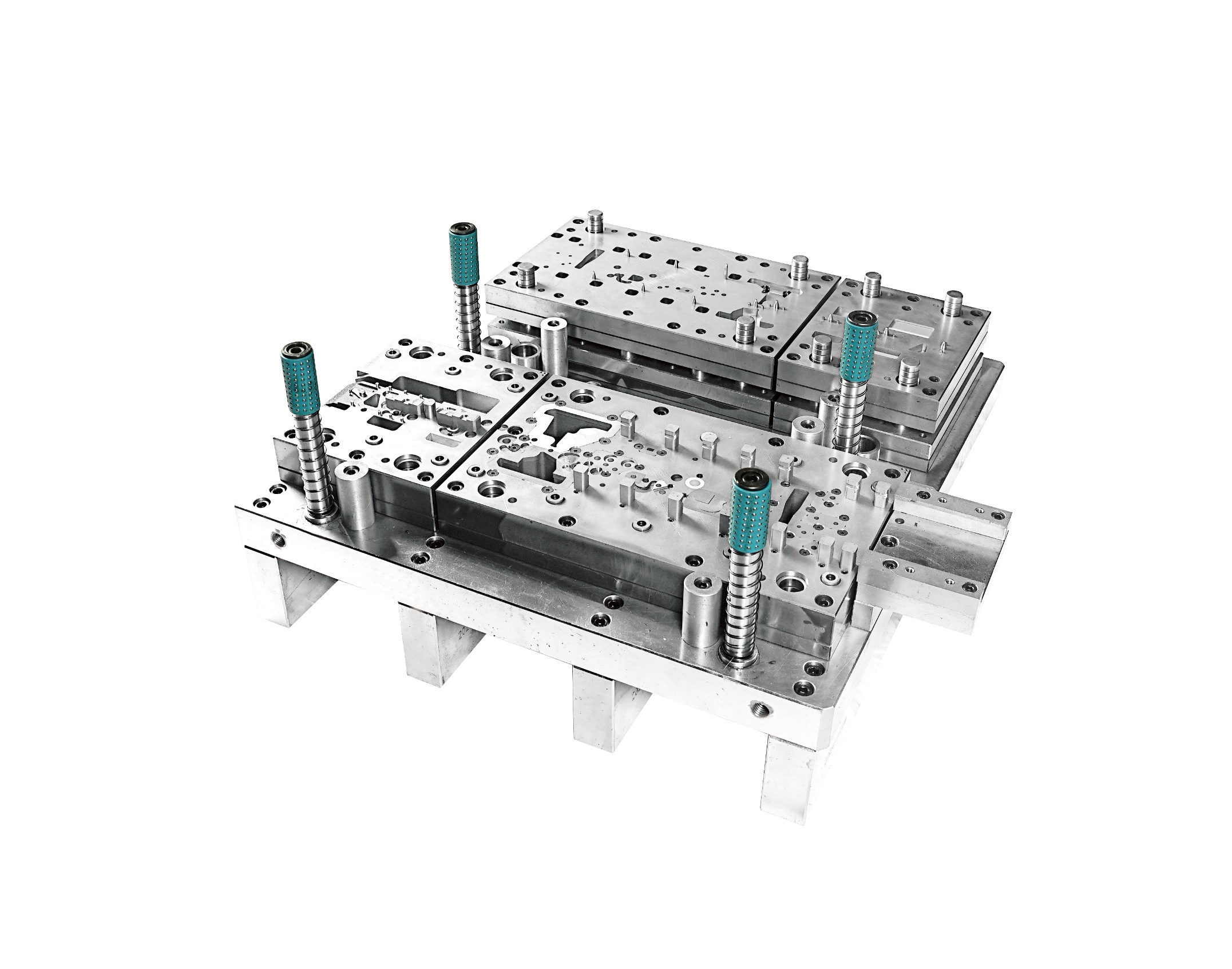
Stamped sheet metal parts are precision-engineered components manufactured through a high-speed pressing process that transforms flat metal sheets into three-dimensional shapes. This manufacturing technique uses specialized dies and powerful presses to cut, bend, pierce, and form metal materials into exact specifications. The process is fundamental to modern manufacturing, delivering components that meet strict dimensional tolerances while maintaining consistent quality across high-volume production runs. Stamped sheet metal parts serve essential functions across countless industries, providing structural support, protective enclosures, fastening mechanisms, and decorative elements. The technology behind these parts combines mechanical force with precisely engineered tooling to achieve complex geometries that would be difficult or impossible to create through other methods. Common materials include steel, aluminum, brass, copper, and stainless steel, each selected based on specific performance requirements such as strength, corrosion resistance, electrical conductivity, or weight considerations. The stamping process can incorporate multiple operations in a single press stroke, including blanking, punching, embossing, coining, and drawing. This versatility makes stamped sheet metal parts indispensable in automotive manufacturing, electronics assembly, appliance production, construction hardware, medical devices, and aerospace applications. Modern stamping operations utilize computer-aided design and advanced simulation software to optimize tool design and predict material behavior, ensuring that stamped sheet metal parts meet exacting quality standards while minimizing material waste and production costs.

Popular Products

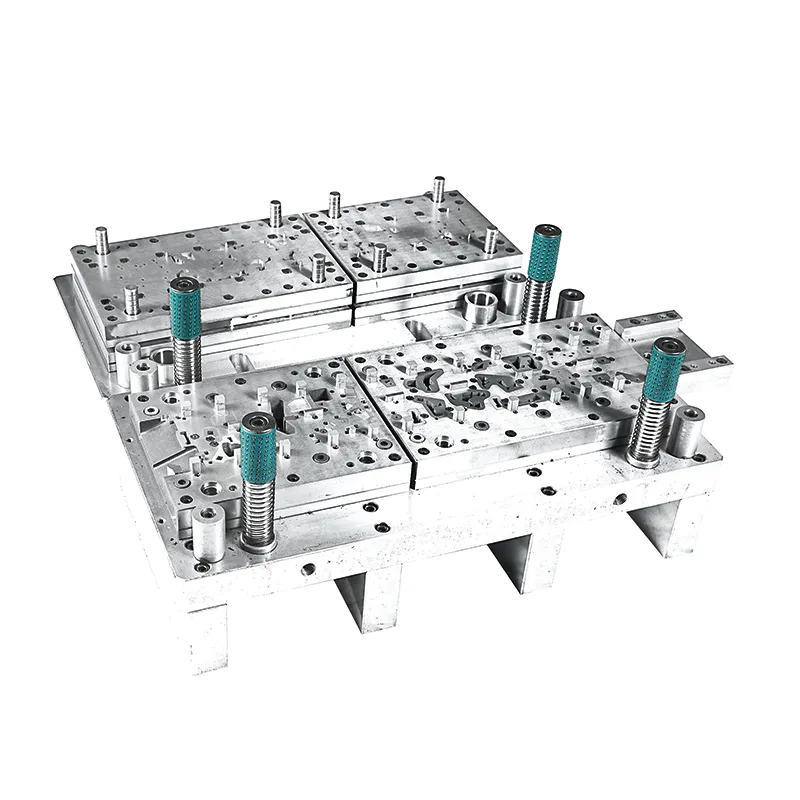
Choosing stamped sheet metal parts offers significant economic advantages through reduced per-unit costs when producing medium to high volumes. The automated nature of the stamping process dramatically lowers labor expenses compared to manual fabrication methods, while the speed of production enables manufacturers to fulfill large orders within compressed timeframes. Material efficiency represents another compelling benefit, as precision tooling minimizes scrap and maximizes yield from each metal sheet. The consistency achieved through stamped sheet metal parts ensures that every component matches exact specifications, eliminating the variations common in handcrafted or less controlled manufacturing processes. This reliability translates directly into simplified assembly operations, reduced quality control costs, and fewer field failures. The mechanical properties of stamped sheet metal parts often exceed those of cast or machined alternatives, as the stamping process work-hardens the material, increasing strength without adding weight or thickness. Design flexibility allows engineers to incorporate features such as mounting holes, ventilation slots, reinforcement ribs, and alignment tabs directly into stamped sheet metal parts during the forming operation, eliminating secondary machining steps. The rapid tooling development cycle means that prototypes and production parts can move from concept to reality quickly, accelerating time-to-market for new products. Stamped sheet metal parts accommodate various finishing processes including plating, powder coating, and anodizing, enabling manufacturers to enhance corrosion resistance, improve appearance, or meet specific environmental requirements. The lightweight nature of stamped sheet metal parts contributes to overall product weight reduction, which is particularly valuable in transportation applications where fuel efficiency depends on minimizing mass. Environmental considerations favor stamped sheet metal parts as well, since metal remains infinitely recyclable without degradation of properties, supporting sustainable manufacturing initiatives and circular economy principles.

Latest News

Metal stamping parts

17

Jul

Metal stamping parts

View More
Wide application of hardware products

17

Jul

Wide application of hardware products

View More
Various applications of precision molds

17

Jul

Various applications of precision molds

View More
Progressive Dies: The Key Force Promoting Efficient and Precise Production in Modern Manufacturing

14

Aug

Progressive Dies: The Key Force Promoting Efficient and Precise Production in Modern Manufacturing

View More

Get a Free Quote

Our representative will contact you soon.
Email
WhatsApp
Name
Company Name
Message
0/1000

stamped sheet metal parts

Superior Production Efficiency and Scalability

Superior Production Efficiency and Scalability

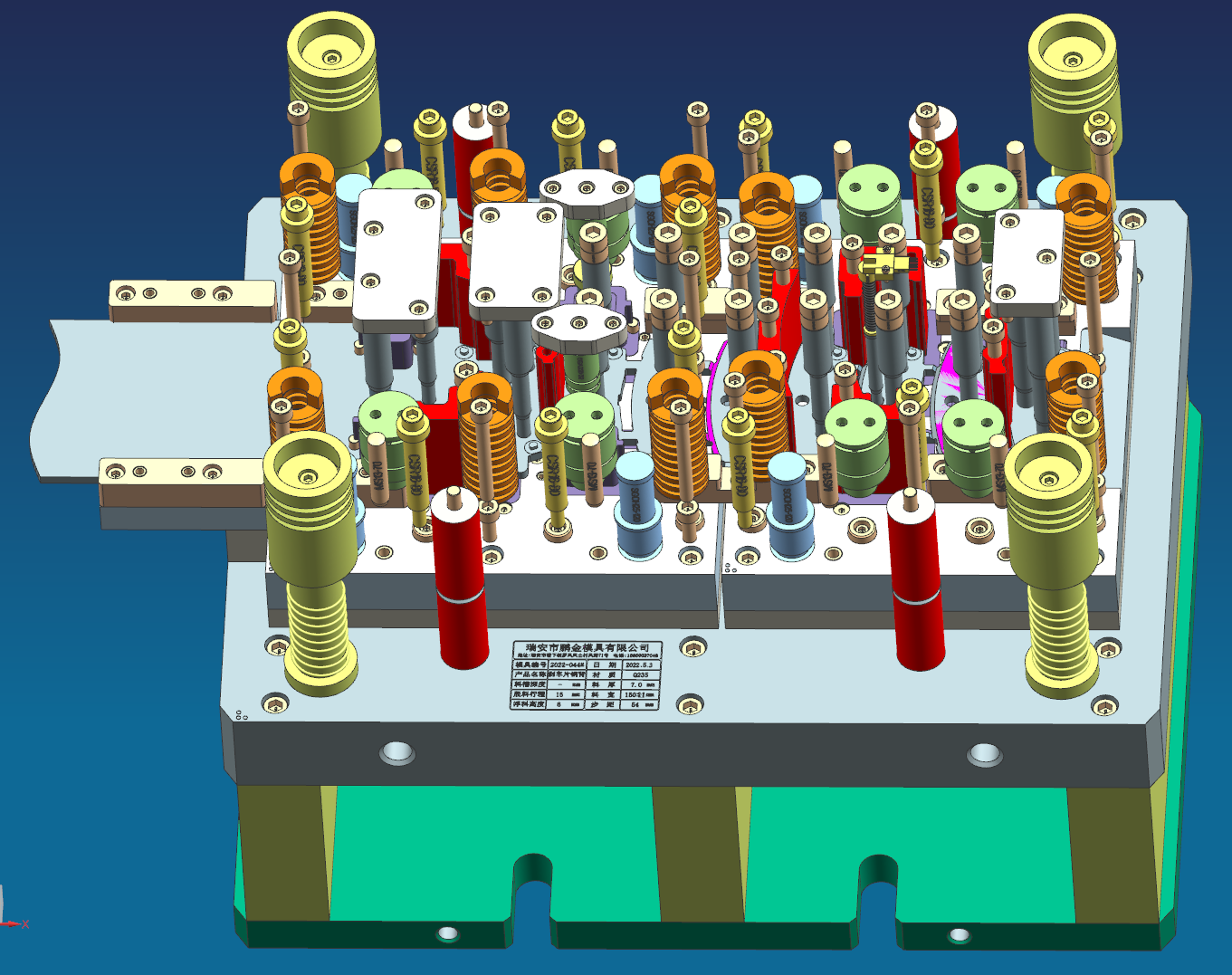
The manufacturing process for stamped sheet metal parts delivers unmatched production efficiency that directly benefits customers requiring consistent supply chains and predictable lead times. High-speed stamping presses can produce thousands of stamped sheet metal parts per hour, with some operations achieving cycle times measured in fractions of a second. This extraordinary throughput capacity enables manufacturers to scale production volumes rapidly in response to market demand without compromising quality or incurring prohibitive cost increases. Progressive dies allow multiple forming operations to occur sequentially as the metal strip advances through the press, creating complex stamped sheet metal parts in a single pass. This integrated approach eliminates the need for multiple setups, reduces handling time, and minimizes opportunities for dimensional variation between operations. The automated feeding systems, synchronized press actions, and integrated quality monitoring systems work together to maintain consistent output with minimal operator intervention. For businesses, this production efficiency translates into reliable inventory management, reduced warehouse costs through just-in-time delivery capabilities, and the flexibility to respond quickly to changing customer requirements or seasonal demand fluctuations.
Exceptional Precision and Dimensional Accuracy

Exceptional Precision and Dimensional Accuracy

Stamped sheet metal parts achieve remarkable dimensional precision that meets the demanding tolerances required in modern assembly operations and engineered systems. Advanced stamping dies manufactured with CNC machining and wire EDM technology ensure that each stamped sheet metal part replicates the intended design with microscopic accuracy, typically holding tolerances within plus or minus a few thousandths of an inch. This precision eliminates the fitment issues, alignment problems, and assembly delays that plague manufacturing operations using less accurate components. The repeatability of the stamping process means that stamped sheet metal parts produced at the beginning of a production run match those manufactured weeks or months later, ensuring interchangeability across the entire product lifecycle. Computer-controlled presses monitor tonnage, stroke position, and timing parameters continuously, making real-time adjustments to compensate for material variations or tool wear. Statistical process control systems track critical dimensions throughout production, identifying trends before they result in out-of-specification parts. This commitment to precision gives engineers confidence that stamped sheet metal parts will perform as designed, supports automated assembly processes that depend on consistent component dimensions, and reduces warranty claims resulting from manufacturing defects.
Versatile Material and Design Options

Versatile Material and Design Options

The adaptability of stamped sheet metal parts extends across an impressive range of materials, thicknesses, and design configurations, enabling engineers to optimize components for specific performance requirements and operating environments. Stamped sheet metal parts can be produced from materials as thin as foil or as thick as heavy plate, with forming capabilities that accommodate simple flat blanks or intricate three-dimensional geometries featuring multiple bends, drawn sections, and embossed details. Material selection for stamped sheet metal parts includes carbon steel for strength and economy, stainless steel for corrosion resistance, aluminum for lightweight applications, copper for electrical conductivity, and specialized alloys for extreme temperature or chemical exposure conditions. The stamping process accommodates design features that enhance functionality, such as countersunk holes for flush fastener installation, formed threads that eliminate separate hardware, spring clips that provide assembly retention, and textured surfaces that improve grip or reduce glare. Engineers can specify stamped sheet metal parts with compound curves, flanges at varying angles, strategic cutouts for weight reduction, and integrated mounting features that simplify installation. This design versatility ensures that stamped sheet metal parts can be tailored precisely to application requirements, eliminating unnecessary features that add cost while incorporating value-added characteristics that enhance product performance and user experience.

Get a Free Quote

Our representative will contact you soon.
Email
WhatsApp
Name
Company Name
Message
0/1000