Stamping Stainless Steel Parts | Precision Metal

All Categories

stamping stainless steel parts

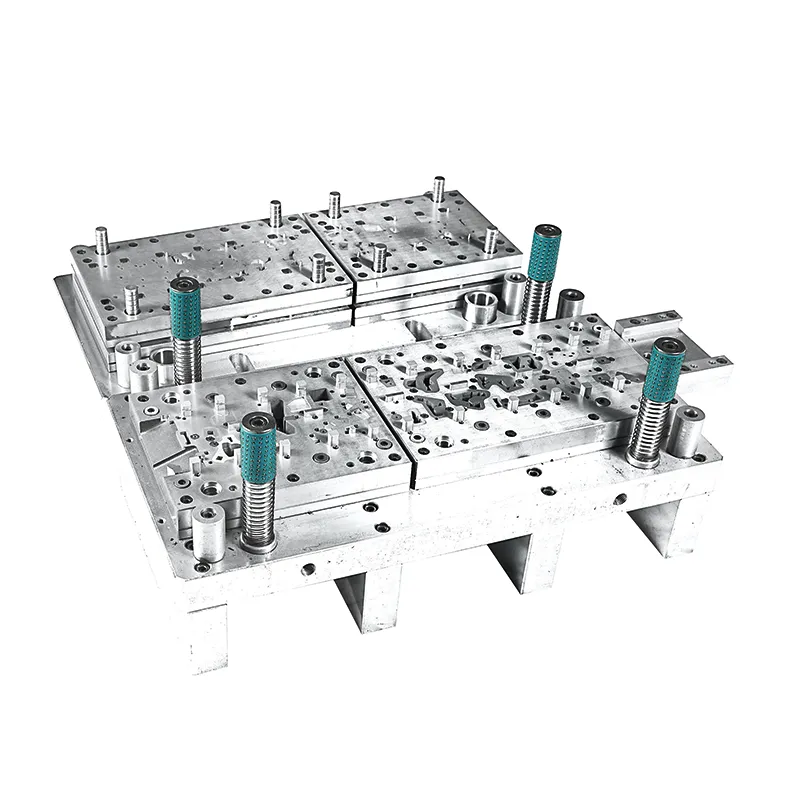
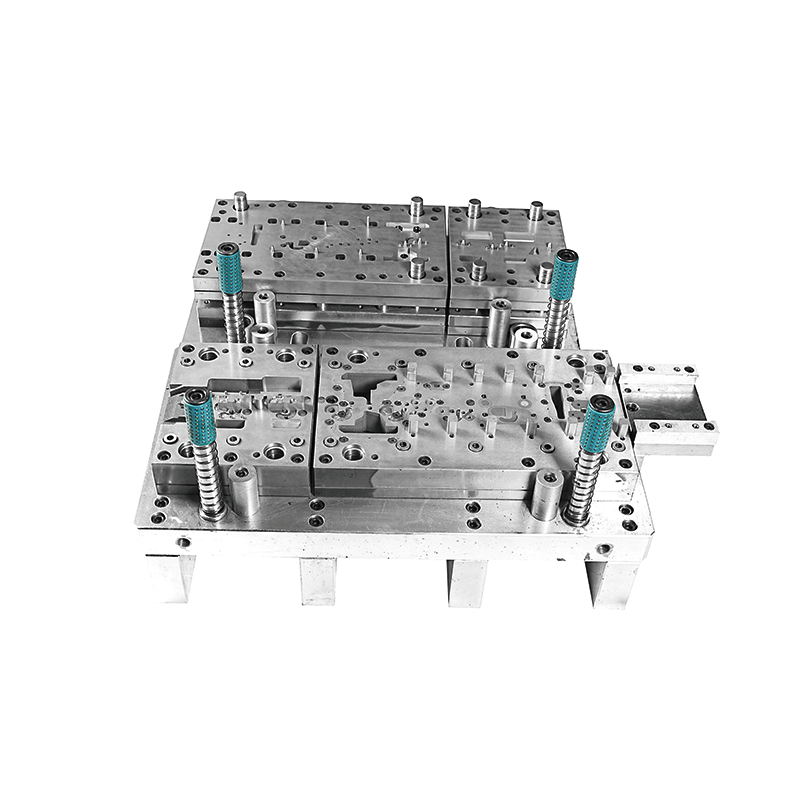
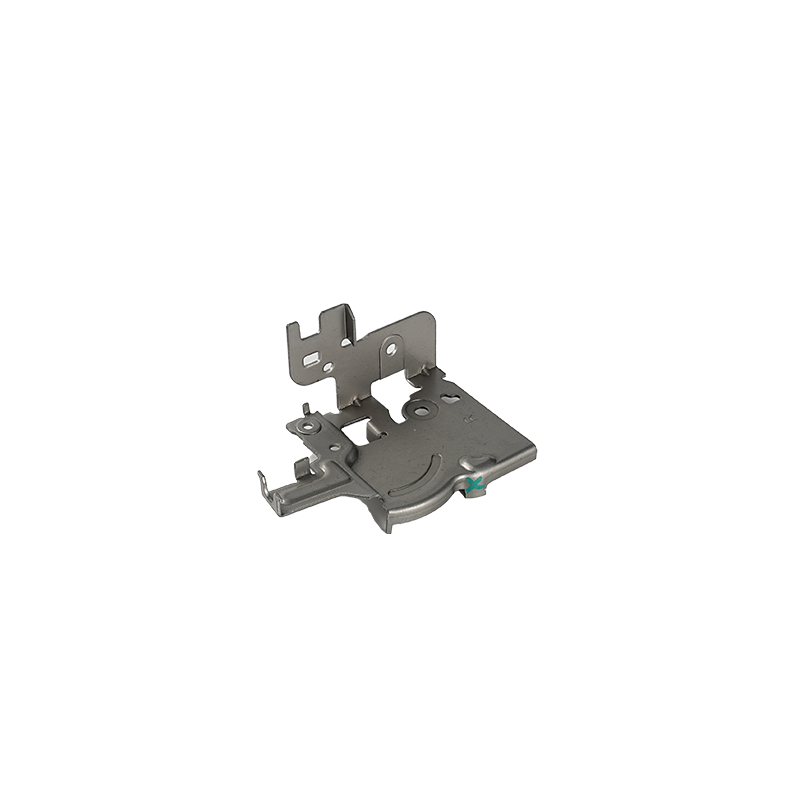
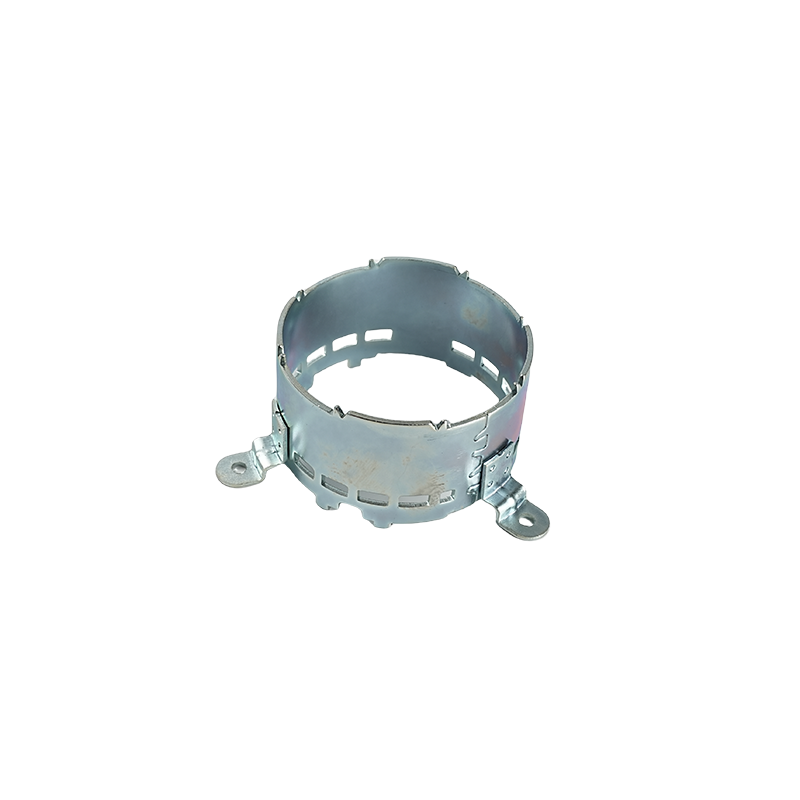
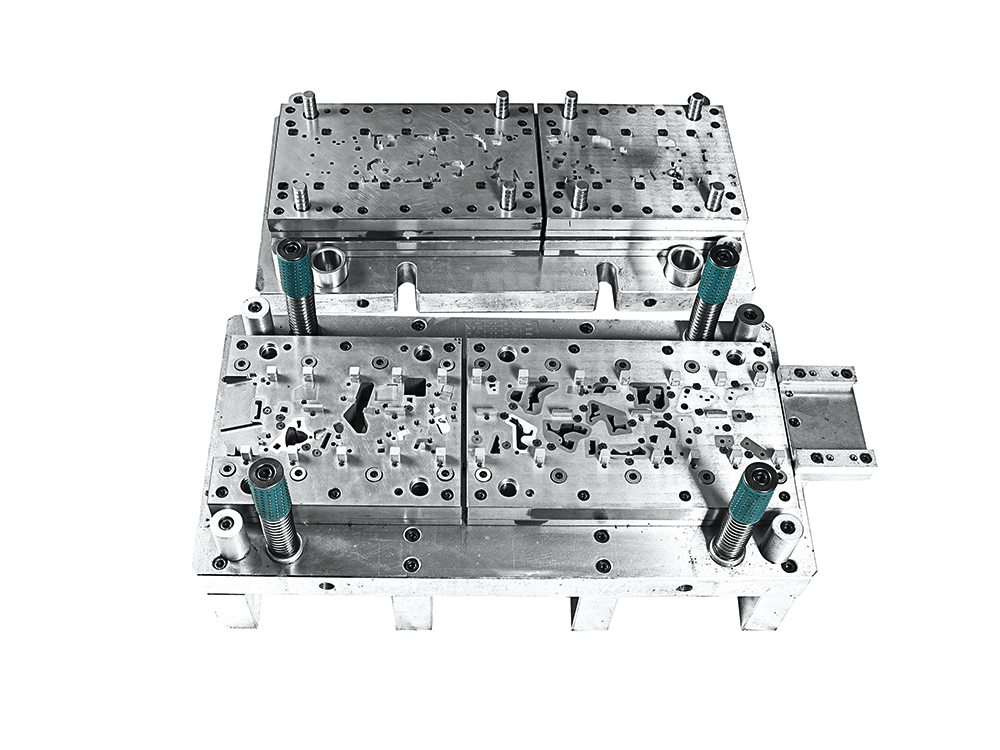
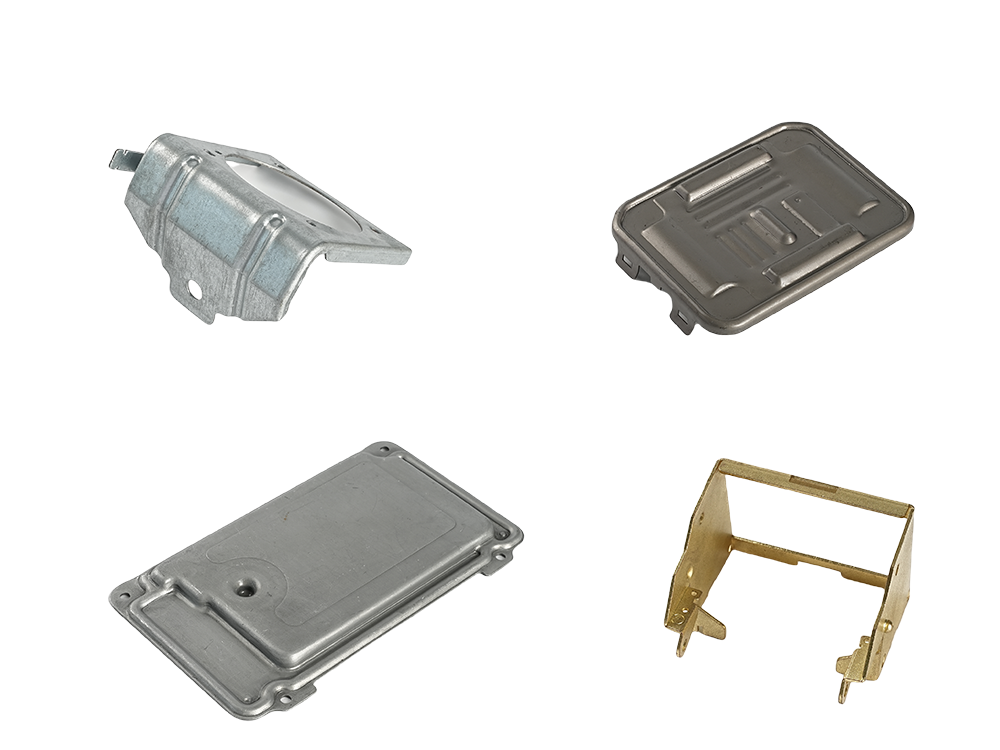
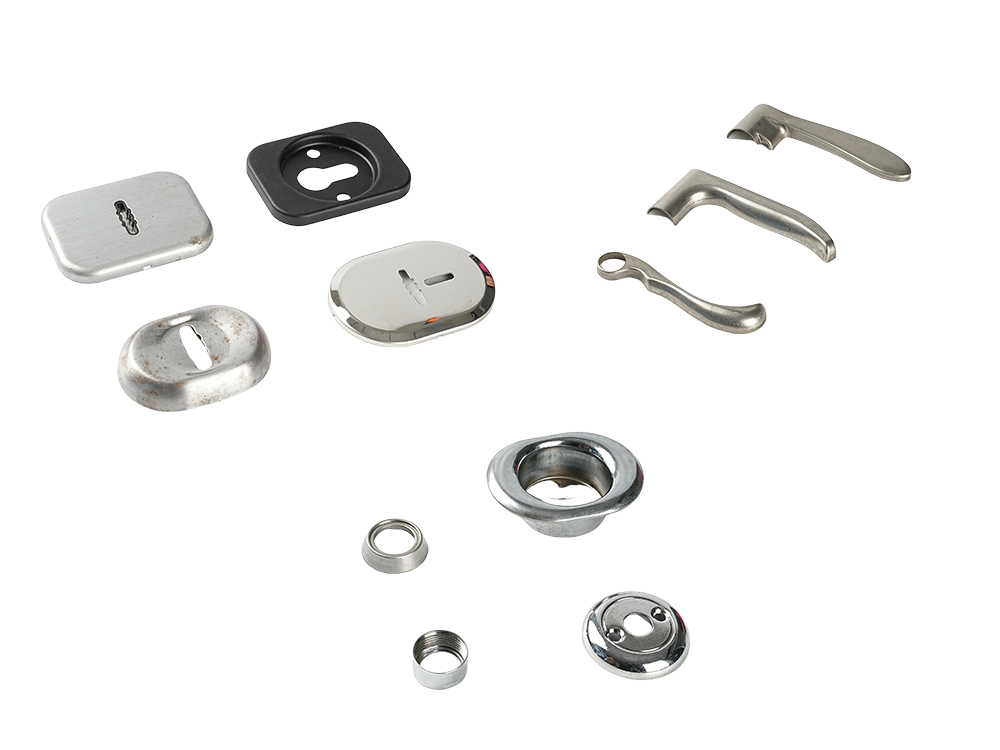
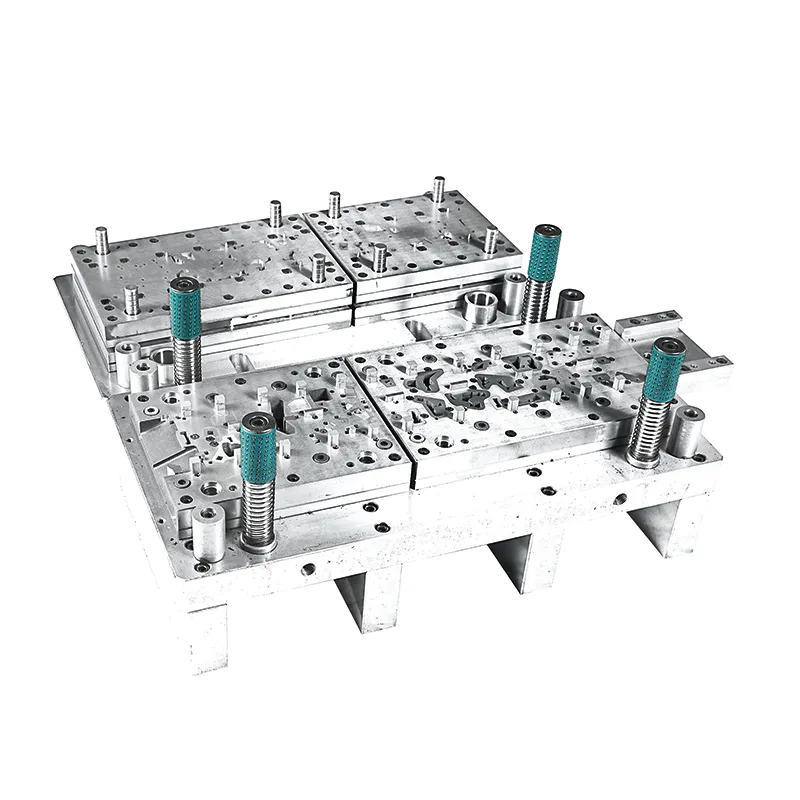
Stamping stainless steel parts are precision-engineered components manufactured through a metal forming process that uses dies and presses to shape stainless steel sheets into desired configurations. This advanced manufacturing technique involves feeding stainless steel material through specialized stamping equipment that applies significant force to cut, bend, punch, or emboss the metal into specific shapes and sizes. The process is highly versatile and can produce complex geometries with tight tolerances, making stamping stainless steel parts essential across numerous industries. These components serve critical functions in automotive assemblies, medical devices, electronics enclosures, appliance manufacturing, and architectural applications. The technological features of stamping stainless steel parts include exceptional corrosion resistance, superior strength-to-weight ratios, and outstanding dimensional accuracy. The stamping process enables high-volume production runs while maintaining consistent quality standards throughout manufacturing. Modern stamping facilities utilize computer-aided design software and precision tooling to create intricate patterns and features that would be difficult or impossible to achieve through other fabrication methods. The inherent properties of stainless steel combined with the precision of stamping technology result in components that offer excellent durability, aesthetic appeal, and long-term performance. These parts can be produced in various stainless steel grades, including 304, 316, and 430 series, each offering specific mechanical properties and corrosion resistance levels suited to different operating environments and application requirements.
New Product Releases

Choosing stamping stainless steel parts delivers substantial cost savings for businesses requiring high-volume component production. The stamping process operates at remarkable speeds, producing hundreds or thousands of identical parts per hour, which dramatically reduces per-unit manufacturing costs compared to machining or fabrication alternatives. This efficiency translates directly into lower procurement expenses and faster project completion timelines for buyers. The dimensional consistency achieved through stamping ensures that every component meets exact specifications, eliminating costly quality issues and reducing waste during assembly operations. Stamping stainless steel parts require minimal secondary processing, as the stamping operation can incorporate multiple features simultaneously, including holes, bends, embossments, and cutouts in a single press stroke. This integrated approach streamlines production workflows and reduces handling requirements throughout your supply chain. The corrosion-resistant nature of stainless steel means these stamped components maintain their structural integrity and appearance over extended service periods, even in harsh environments exposed to moisture, chemicals, or temperature extremes. This durability eliminates frequent replacement cycles and reduces long-term maintenance expenses. The lightweight characteristics of stamped stainless steel parts contribute to overall product weight reduction, which is particularly valuable in automotive and aerospace applications where weight savings improve fuel efficiency and performance. These components offer excellent formability, allowing designers to create complex shapes that optimize functionality while maintaining structural strength. The clean, professional finish of stamping stainless steel parts enhances product aesthetics without requiring extensive post-processing treatments. Buyers benefit from the recyclability of stainless steel, supporting sustainability initiatives while maintaining component performance standards throughout the product lifecycle.

Practical Tips

Precision stamping die

17

Jul

Precision stamping die

View More
Sheet Metal Stamping Manufacturers

17

Jul

Sheet Metal Stamping Manufacturers

View More
Metal stamping parts

17

Jul

Metal stamping parts

View More
Industry Trends Analysis: Precision Stamping & Mold Manufacturing 2026

22

Apr

Industry Trends Analysis: Precision Stamping & Mold Manufacturing 2026

View More

Get a Free Quote

Our representative will contact you soon.
Email
WhatsApp
Name
Company Name
Message
0/1000

stamping stainless steel parts

Superior Corrosion Resistance and Longevity

Superior Corrosion Resistance and Longevity

Stamping stainless steel parts exhibit exceptional resistance to corrosion, oxidation, and environmental degradation that surpasses most alternative materials. The chromium content in stainless steel forms a passive protective layer on the surface, preventing rust formation and chemical attack even in challenging conditions. This inherent protection means stamped components maintain their structural integrity and functional performance for decades without deterioration. Industries operating in marine environments, food processing facilities, chemical plants, or outdoor applications particularly benefit from this corrosion resistance. The longevity of stamping stainless steel parts reduces replacement frequency and associated downtime costs, delivering significant lifecycle value. Unlike coated or plated alternatives that may experience finish degradation over time, stainless steel's corrosion protection is integral to the material itself, ensuring consistent performance throughout the component's service life. This reliability makes stamped stainless steel parts ideal for critical applications where failure could result in safety concerns or operational disruptions. The material's resistance to staining and discoloration also maintains aesthetic quality, which is essential for visible components in consumer products and architectural installations.
High-Precision Manufacturing Capability

High-Precision Manufacturing Capability

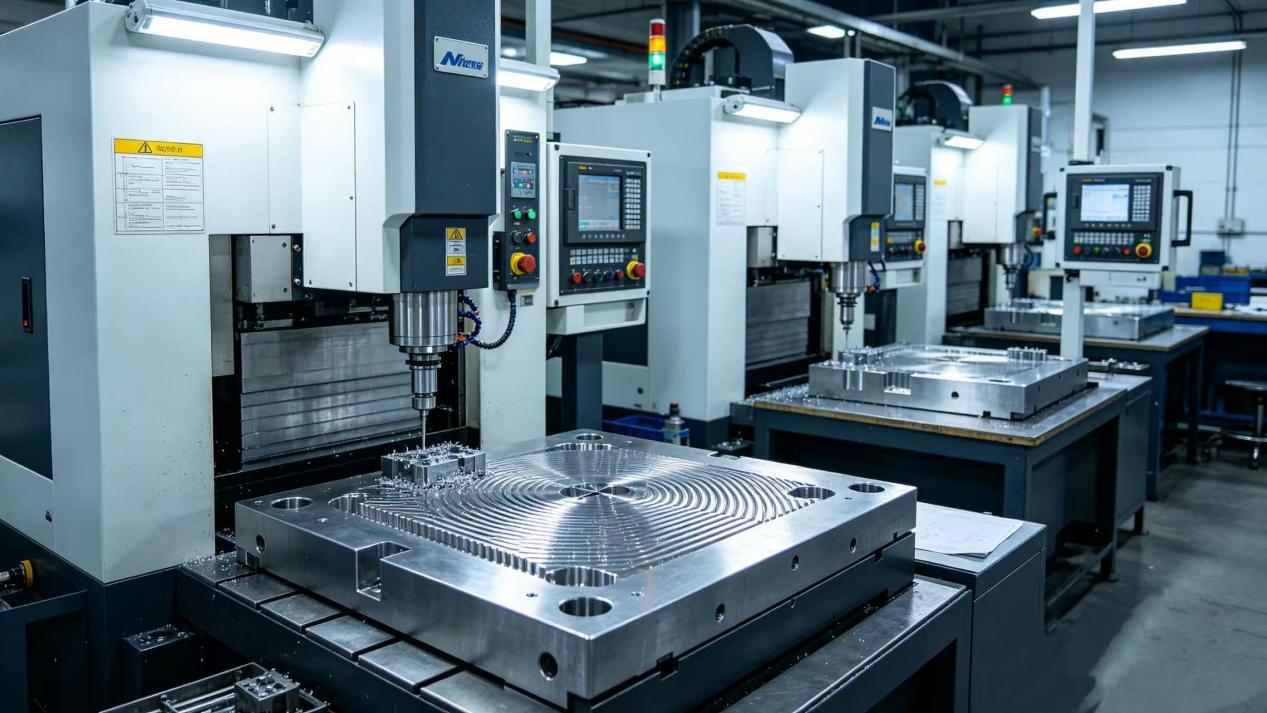
The stamping process delivers extraordinary dimensional precision and repeatability that ensures every stamping stainless steel parts meets exact specifications with minimal variation. Modern progressive die stamping systems incorporate advanced tooling designs and computer-controlled press operations that achieve tolerances as tight as plus or minus 0.001 inches. This precision eliminates the need for extensive secondary machining operations and ensures perfect fit during assembly processes. The consistency achieved through stamping means that components from the first production run will match those manufactured months or years later, providing supply chain stability and predictable quality standards. Complex geometries including intricate cutouts, precise bends, multiple forming operations, and detailed embossing patterns can be integrated into stamping stainless steel parts during a single production cycle. This capability enables designers to optimize component functionality while reducing part counts and assembly steps. The precision of stamped components also improves product performance by ensuring proper alignment, fit, and function within larger assemblies. Quality control becomes more straightforward when working with stamping stainless steel parts because the manufacturing process naturally produces consistent results that reduce inspection requirements and scrap rates throughout production operations.
Cost-Effective High-Volume Production

Cost-Effective High-Volume Production

Stamping stainless steel parts represents one of the most economical manufacturing methods for producing large quantities of metal components with consistent quality. The high-speed operation of stamping presses enables production rates that far exceed alternative fabrication techniques, with some operations achieving cycle times measured in seconds per part. This rapid production capability dramatically reduces labor costs per component and allows manufacturers to fulfill substantial order volumes within compressed timeframes. The initial tooling investment for stamping dies is quickly amortized across high-volume production runs, making the per-unit cost extremely competitive. Once tooling is established, stamping stainless steel parts requires minimal operator intervention, as automated feeding systems and progressive dies handle material movement and forming operations. This automation reduces labor requirements while maintaining consistent quality throughout production cycles. The material efficiency of stamping processes minimizes waste by optimizing blank layouts and utilizing scrap reduction techniques. Material savings combined with rapid production speeds create compelling economic advantages for buyers requiring thousands or millions of components. The scalability of stamping operations means production can be adjusted to meet fluctuating demand without sacrificing quality or significantly impacting unit costs, providing supply chain flexibility that supports business growth and market responsiveness.

Get a Free Quote

Our representative will contact you soon.
Email
WhatsApp
Name
Company Name
Message
0/1000