Custom Stamping Tool Solutions & Benefits

All Categories

custom stamping tool

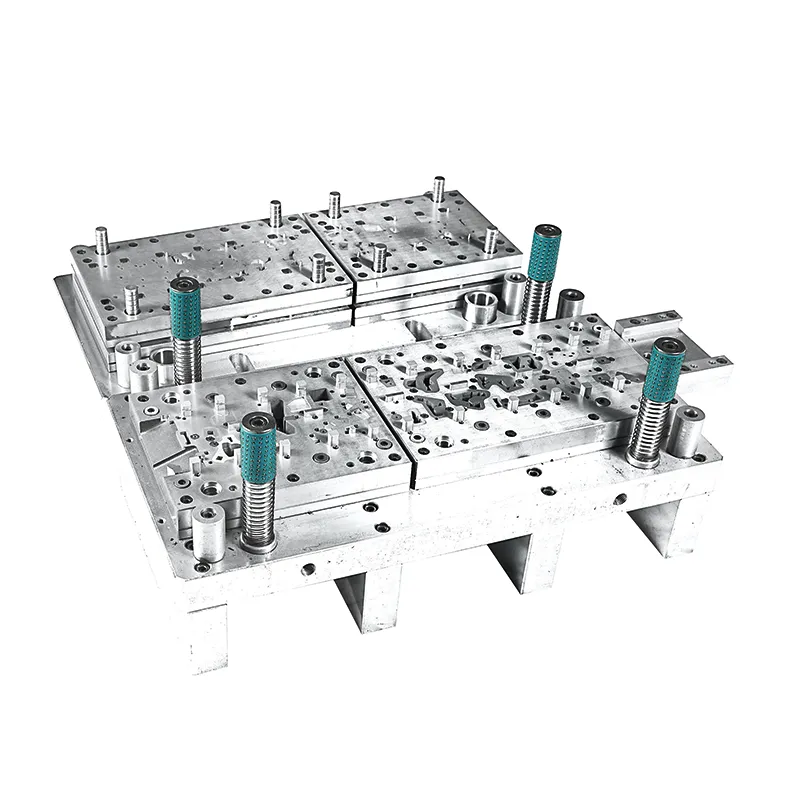
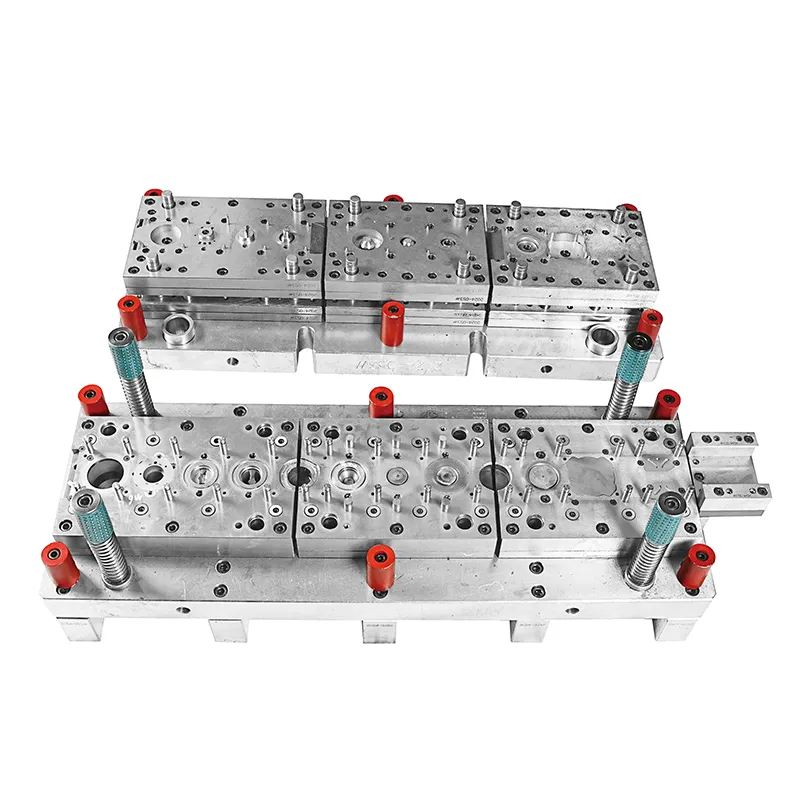
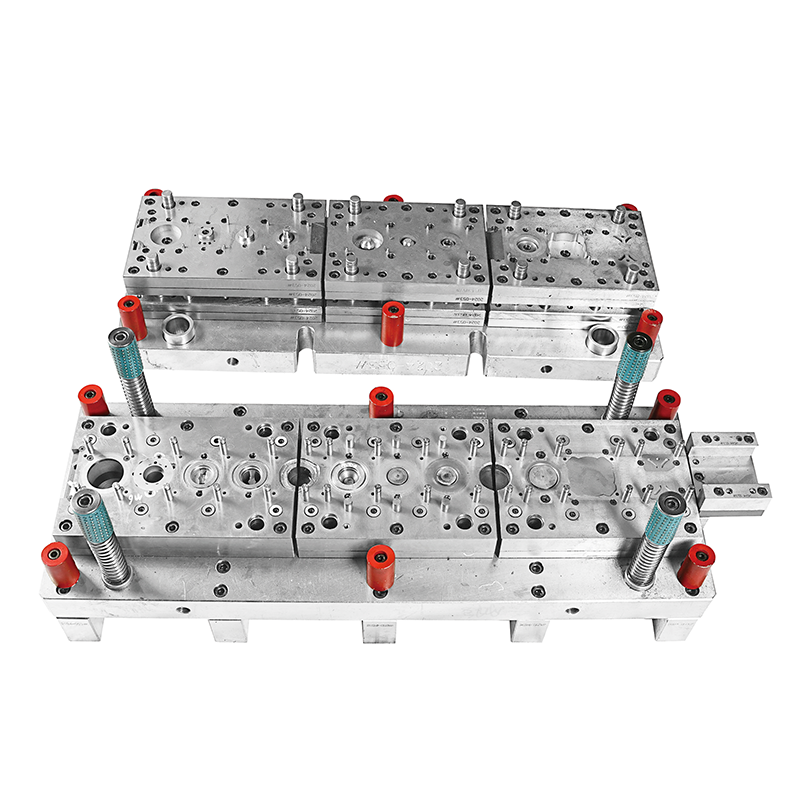
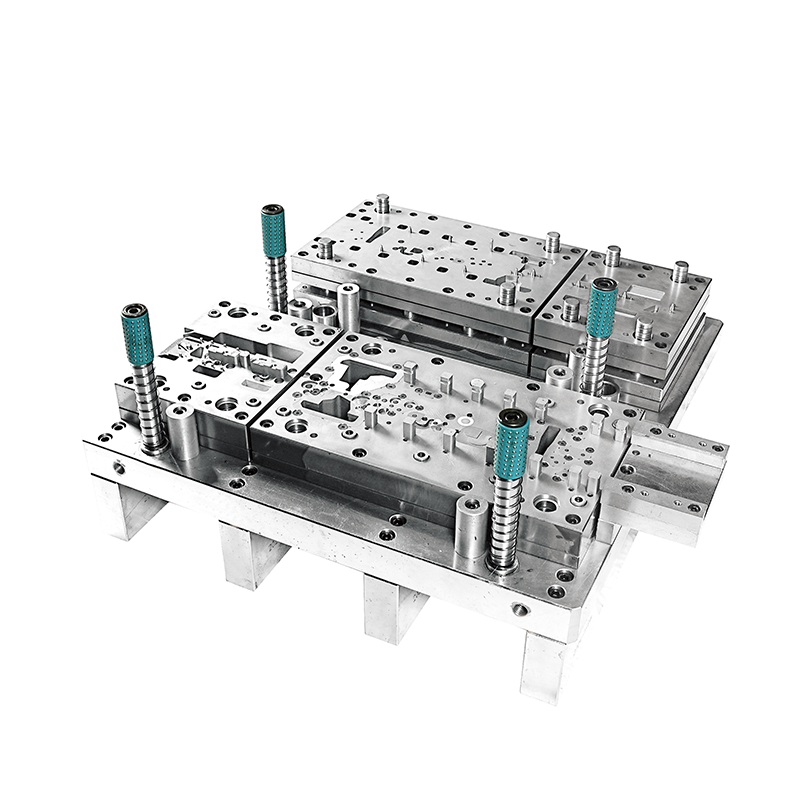
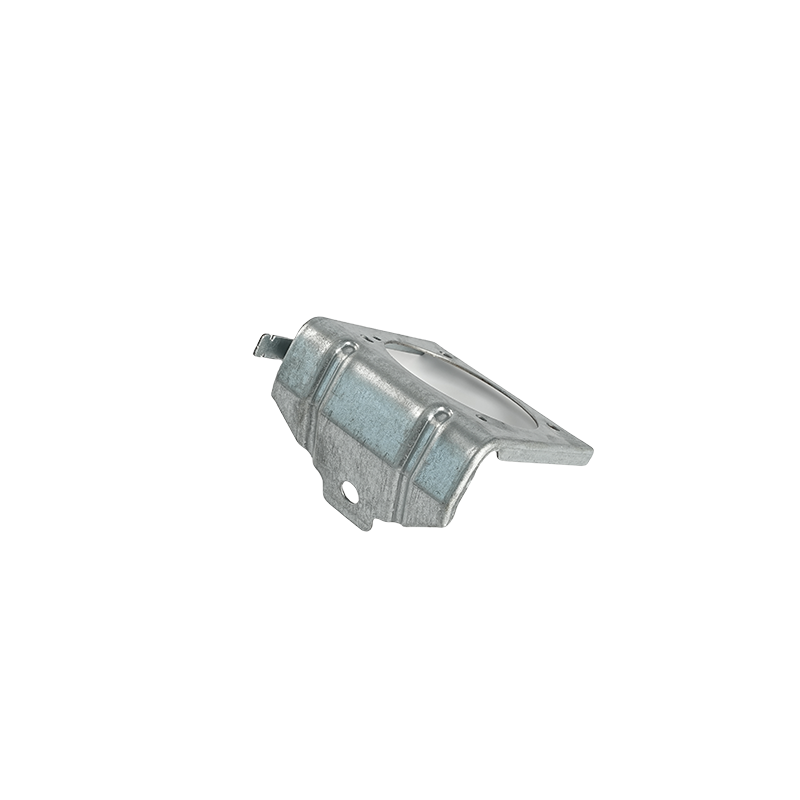
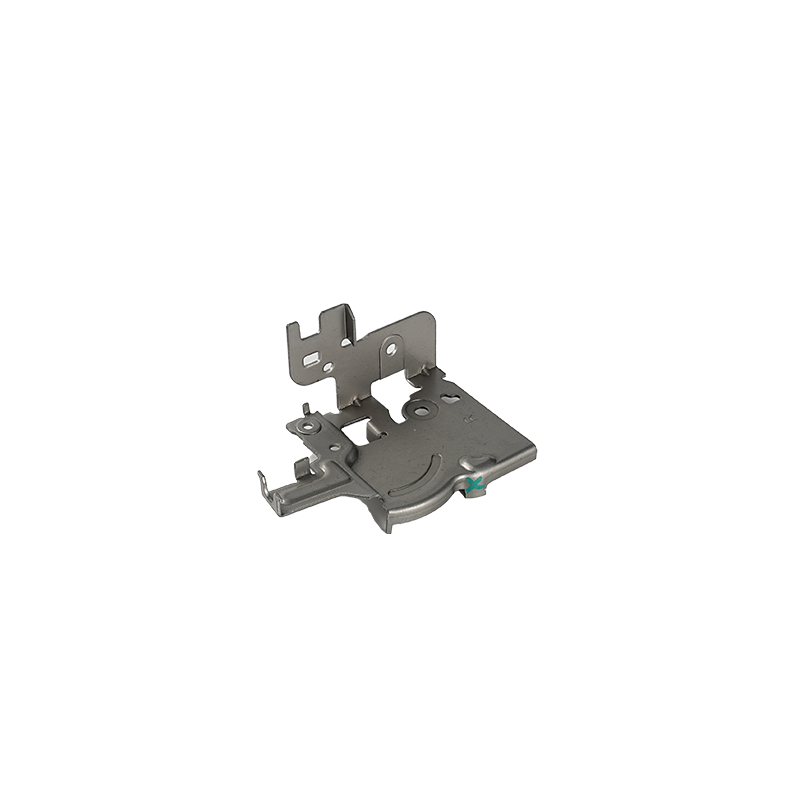
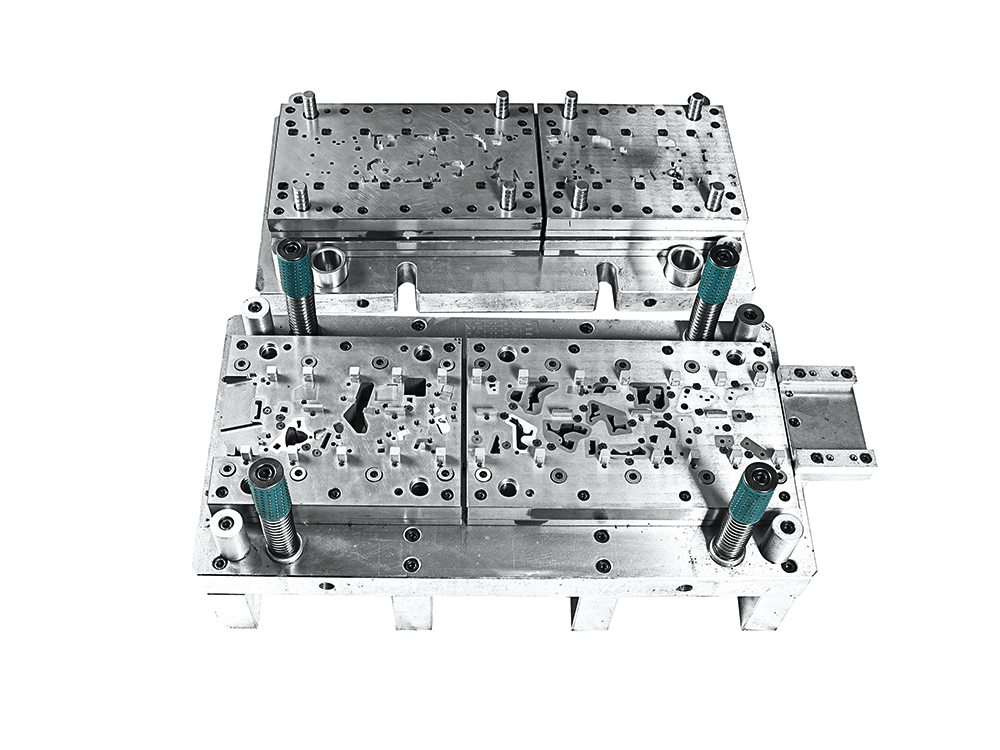
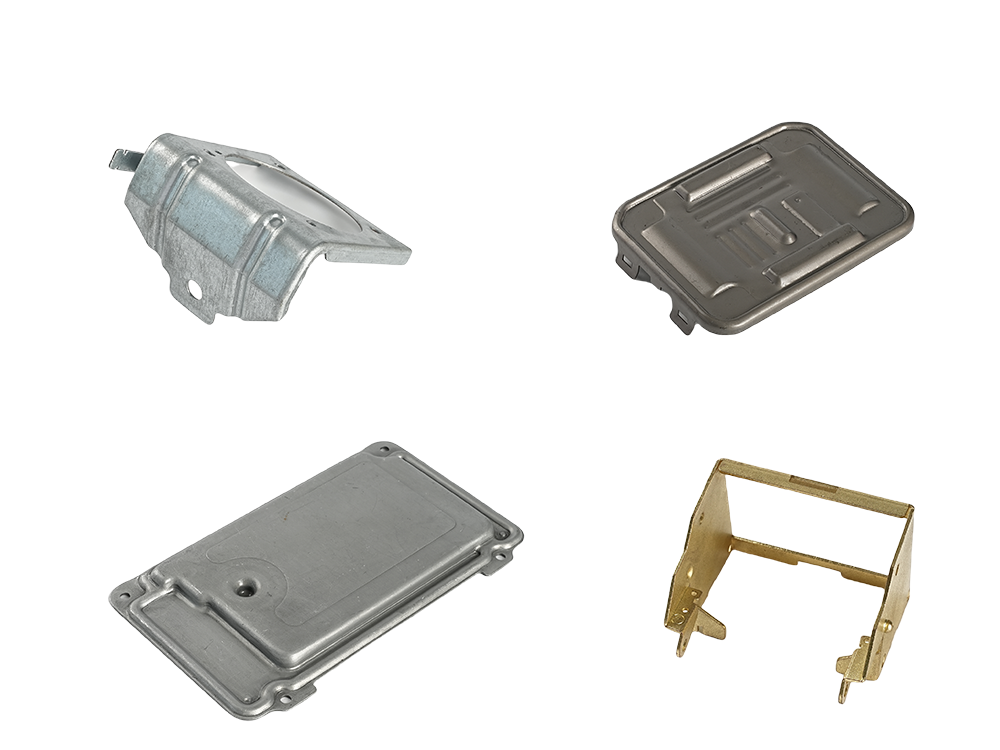
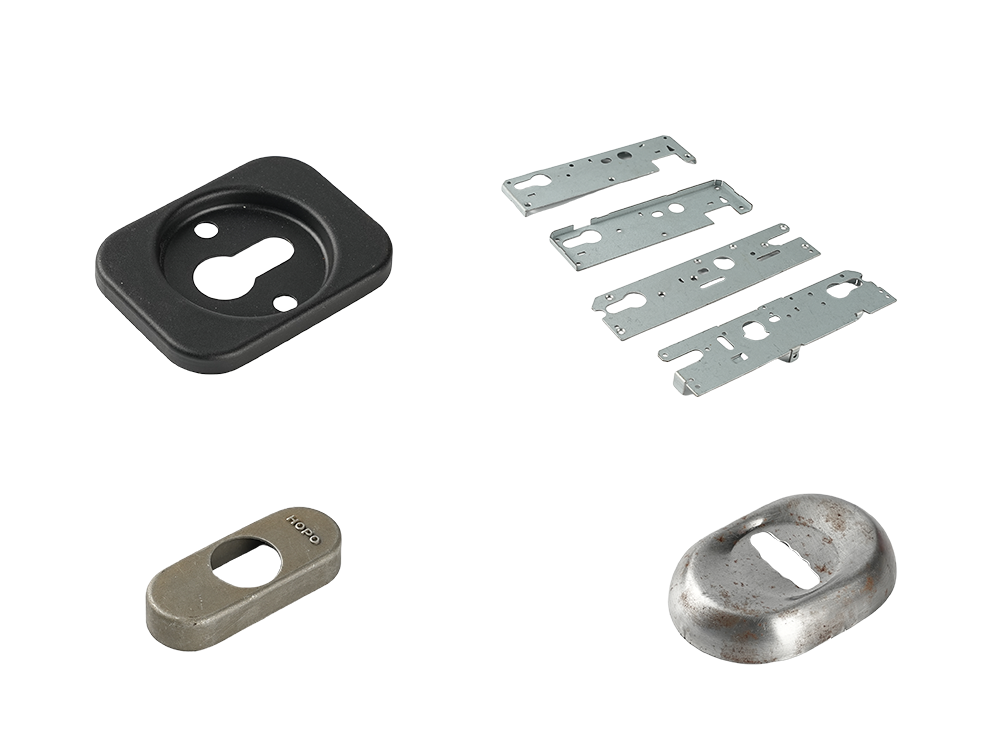
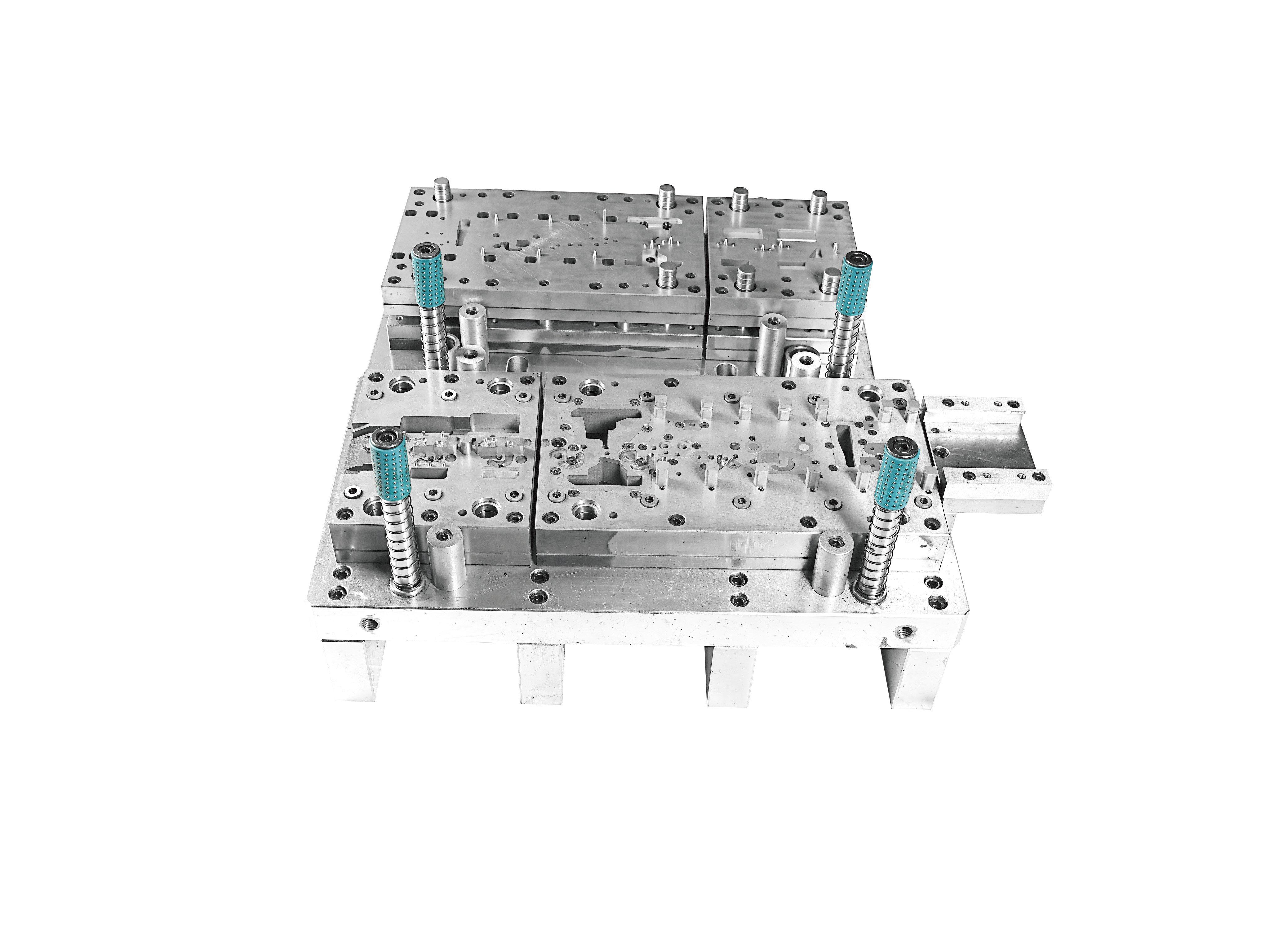
A custom stamping tool is a precision-engineered device designed to cut, shape, form, or emboss materials through controlled pressure application. These specialized tools are manufactured to exact specifications, tailored to produce specific component shapes and designs that standard off-the-shelf tools cannot achieve. The custom stamping tool operates by applying concentrated force onto sheet metal, plastic, or other workable materials, creating consistent parts with repeatable accuracy. The main functions include blanking, piercing, bending, drawing, coining, and embossing operations that transform raw materials into finished components. Technological features encompass hardened steel construction for durability, precision-ground surfaces for dimensional accuracy, and specialized coatings that reduce friction and extend tool life. Advanced custom stamping tool designs incorporate progressive die systems that perform multiple operations in a single press stroke, significantly improving production efficiency. Applications span numerous industries including automotive manufacturing for body panels and brackets, electronics for connector housings and heat sinks, aerospace for structural components, medical devices for surgical instruments, and consumer goods for appliance parts and decorative elements. The versatility of a custom stamping tool makes it indispensable for manufacturers requiring high-volume production of identical parts with tight tolerances. Modern fabrication techniques allow these tools to achieve intricate geometries and fine details that meet demanding quality standards while maintaining cost-effectiveness in mass production environments.

New Products

Investing in a custom stamping tool delivers substantial cost savings through reduced per-piece production expenses when manufacturing large quantities. The initial tooling investment pays for itself quickly as production volumes increase, making it economically advantageous for medium to high-volume manufacturing runs. Operational efficiency improves dramatically because a custom stamping tool enables rapid production cycles, often completing parts in seconds rather than minutes required by alternative methods. This speed advantage translates directly into higher output capacity and faster order fulfillment for your business. Quality consistency represents another significant benefit, as each stamped part replicates the exact specifications programmed into the tool design, eliminating variation between components and reducing reject rates. Material utilization reaches optimal levels because custom stamping tool designs maximize the number of parts produced from each sheet, minimizing scrap and lowering raw material costs. The automation compatibility of stamping operations reduces labor requirements and associated expenses while improving workplace safety by limiting manual handling. Durability ensures long-term value, with properly maintained tools producing millions of parts before requiring refurbishment. Design flexibility allows you to create complex geometries, embossed features, and integrated functions that would require multiple manufacturing steps using other methods. The custom stamping tool accommodates various material types and thicknesses, providing versatility across different product lines without requiring completely new equipment. Lead times for production remain predictable and short once the tool is commissioned, enabling reliable planning and inventory management. These combined advantages make the custom stamping tool an intelligent investment for businesses seeking to improve manufacturing efficiency, reduce costs, maintain quality standards, and scale production capacity to meet market demands.

Tips And Tricks

Precision stamping die

17

Jul

Precision stamping die

View More
Sheet Metal Stamping Manufacturers

17

Jul

Sheet Metal Stamping Manufacturers

View More
Wide application of hardware products

17

Jul

Wide application of hardware products

View More
Various applications of precision molds

17

Jul

Various applications of precision molds

View More

Get a Free Quote

Our representative will contact you soon.
Email
WhatsApp
Name
Company Name
Message
0/1000

custom stamping tool

Precision Engineering for Perfect Results

Precision Engineering for Perfect Results

The custom stamping tool delivers exceptional precision through meticulous engineering and manufacturing processes that ensure every dimension meets exact specifications. Advanced CAD and CAM technologies enable designers to create tool geometries with micron-level accuracy, translating design intent directly into physical reality. The grinding and finishing processes applied to critical tool surfaces eliminate imperfections that could compromise part quality or dimensional consistency. Hardened tool steels withstand millions of stamping cycles without degradation, maintaining the original precision throughout the tool's operational life. Alignment systems within the custom stamping tool guarantee proper material positioning before each strike, preventing misalignment errors that cause defects. Guide pins, bushings, and precision-machined die sets work together to ensure repeatable accuracy across every production run. This engineering excellence means your manufactured components will consistently meet quality specifications, pass inspection requirements, and function correctly in their intended applications. The reliability of precision-engineered custom stamping tool systems reduces quality control costs and warranty claims while building customer confidence in your products.
Versatile Design Capabilities

Versatile Design Capabilities

A custom stamping tool offers remarkable design versatility that accommodates complex part geometries and specialized manufacturing requirements. Engineers can incorporate multiple forming operations into progressive die systems, creating sophisticated parts through sequential stamping stages as the material advances through the tool. This capability eliminates the need for separate operations and additional handling, streamlining production workflows. The custom stamping tool design process considers material properties, forming limits, and springback characteristics to optimize results for specific applications. Whether producing simple flat brackets or intricate three-dimensional enclosures, the tool can be configured to achieve the desired outcome. Embossing features, coined details, and formed geometry all integrate into a single tool design, reducing assembly requirements in finished products. Material thickness compatibility ranges from thin foils to heavy-gauge plates, depending on press capacity and tool construction. The adaptability extends to various materials including steel, aluminum, copper, brass, and engineering plastics. Custom stamping tool versatility means a single manufacturing platform can serve diverse product requirements, maximizing equipment utilization and return on investment while providing flexibility to respond to changing market needs and new product introductions.
Cost-Effective High-Volume Production

Cost-Effective High-Volume Production

The economic advantages of a custom stamping tool become most apparent in high-volume manufacturing environments where per-piece costs decrease dramatically compared to alternative production methods. Once the initial tooling investment is amortized across production quantities, the marginal cost of each additional part remains minimal, consisting primarily of material and basic operational expenses. Cycle times measured in seconds rather than minutes enable impressive throughput rates that satisfy demanding production schedules. Labor efficiency improves substantially because operators manage automated equipment rather than performing manual fabrication tasks for each component. The custom stamping tool reduces secondary operations by incorporating features like holes, bends, and embossments in a single press stroke, eliminating additional processing steps that add cost and time. Material yield optimization through efficient nesting patterns on sheet stock minimizes waste and lowers raw material expenses. Energy consumption per part remains low compared to machining or casting processes. Maintenance costs stay manageable with proper lubrication and periodic inspection programs. The production consistency of a well-designed custom stamping tool reduces scrap rates and rework expenses, protecting profit margins. These economic benefits make stamping the preferred manufacturing method for companies producing thousands or millions of identical components where cost control directly impacts competitive positioning and business profitability.

Get a Free Quote

Our representative will contact you soon.
Email
WhatsApp
Name
Company Name
Message
0/1000