Electrical Heat Dissipation Stamping Parts

All Categories

electrical heat dissipation stamping parts

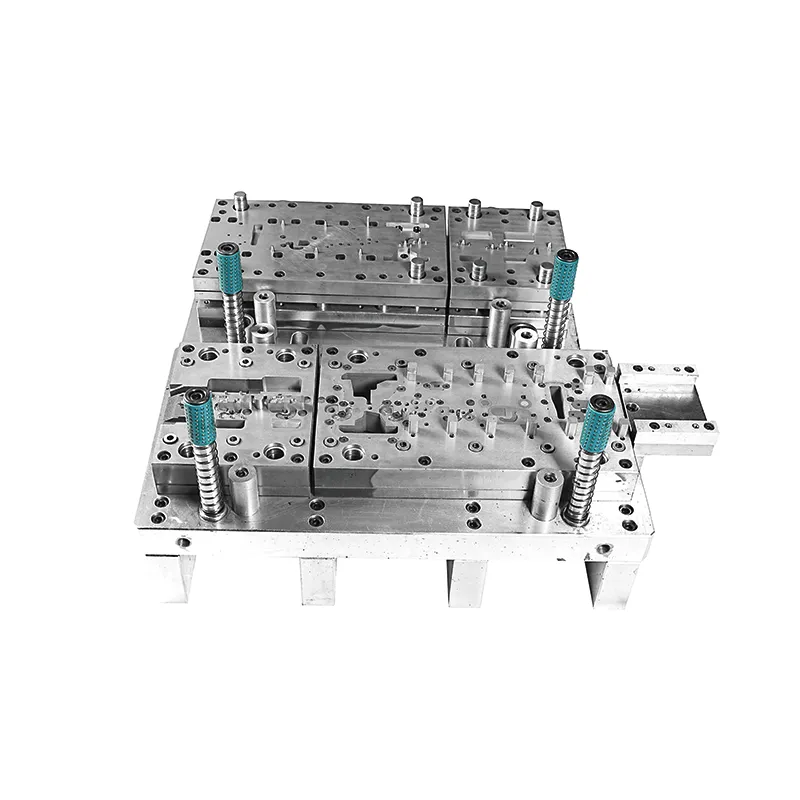
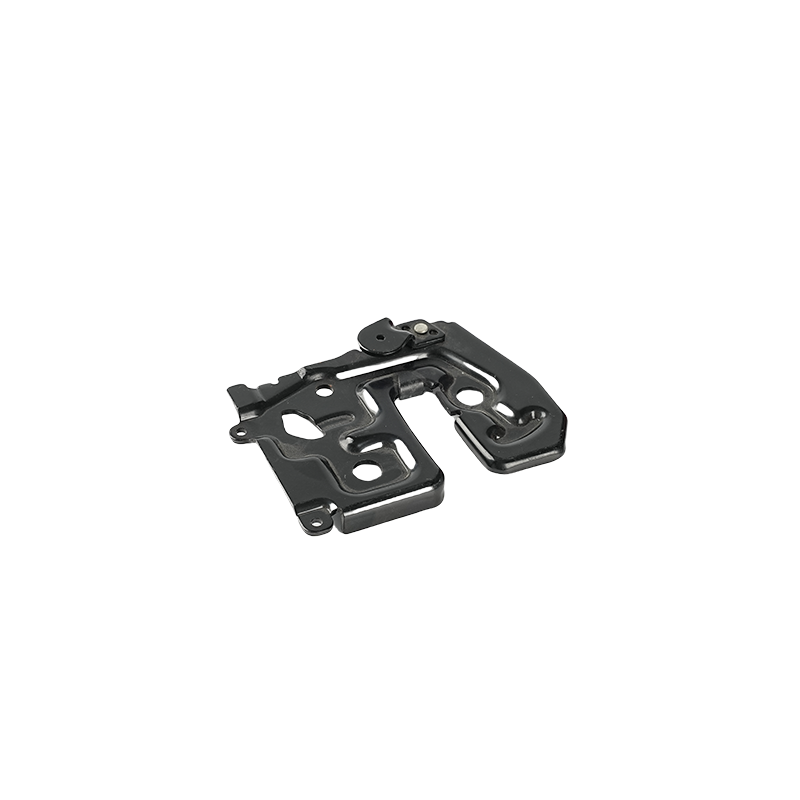
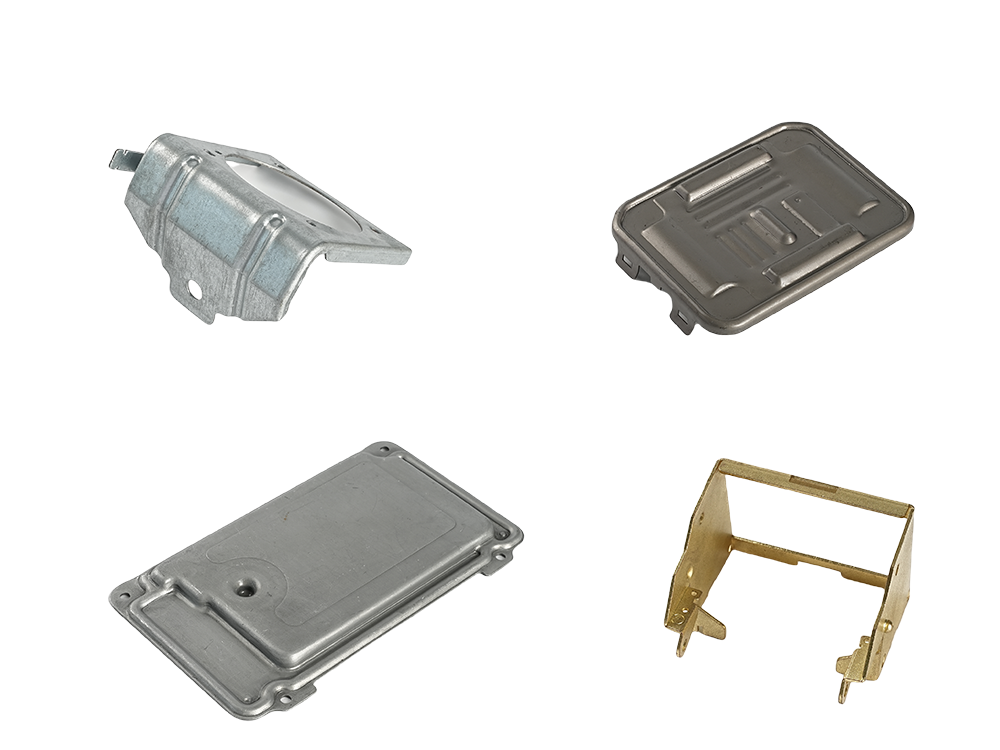
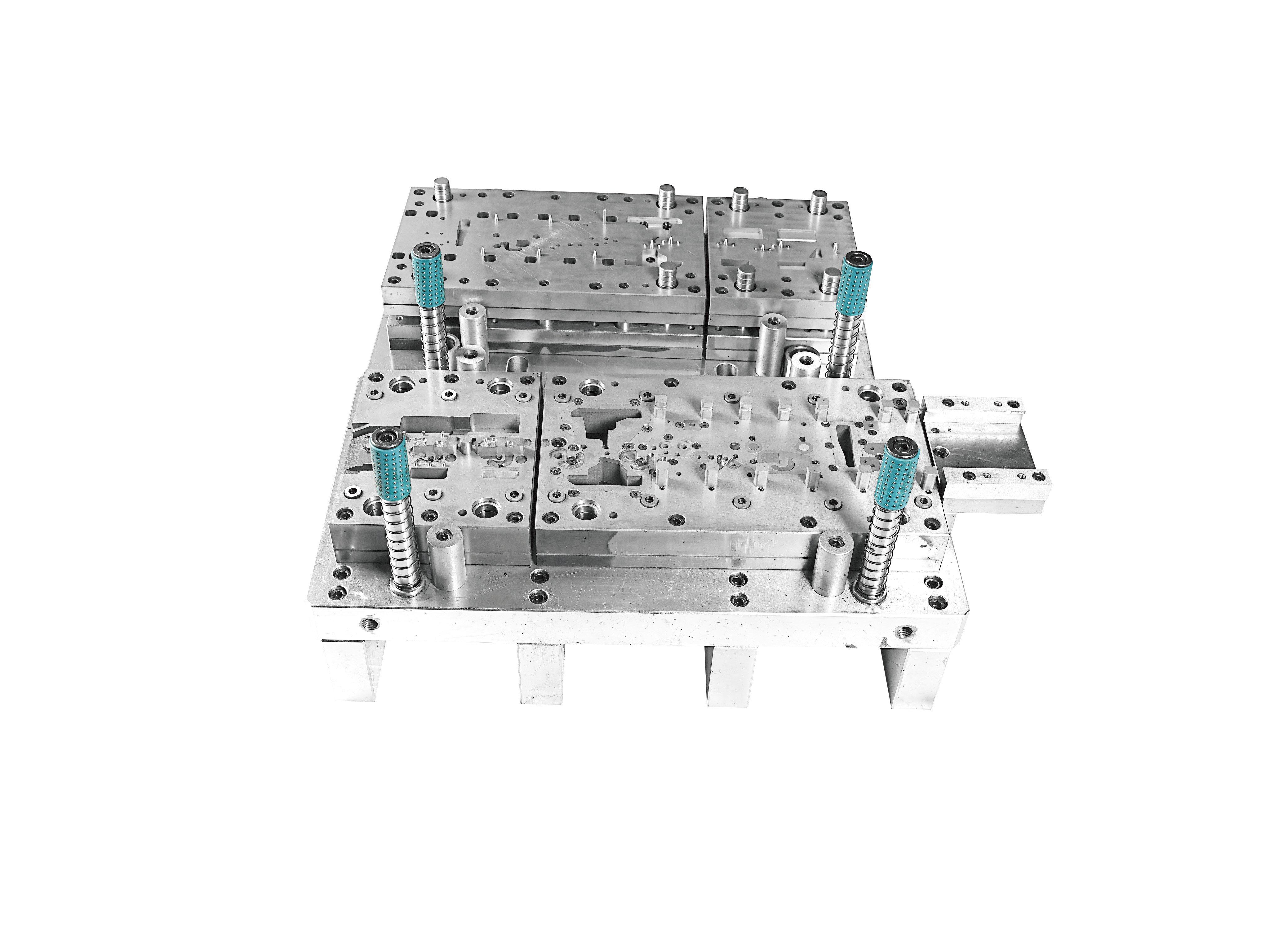
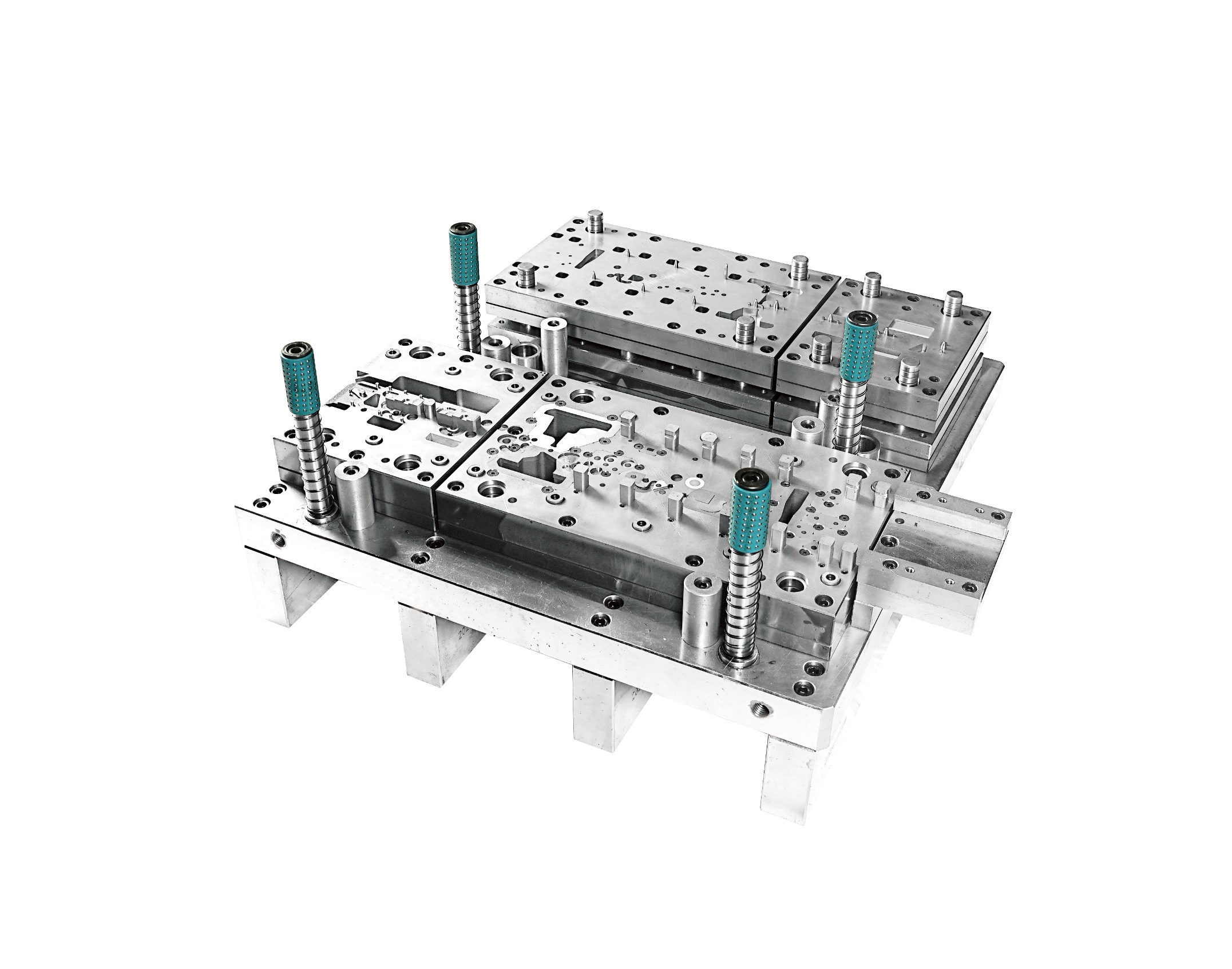
Electrical heat dissipation stamping parts are precision-engineered metal components designed to manage thermal energy in electronic devices and electrical systems. These specialized parts are manufactured through advanced stamping processes that shape sheet metal into intricate forms optimized for heat transfer and cooling efficiency. The primary function of electrical heat dissipation stamping parts is to absorb, conduct, and disperse excess heat generated by electronic components, preventing thermal buildup that could compromise device performance or cause system failure. Technologically, these components feature carefully calculated surface areas, fin structures, and material compositions that maximize thermal conductivity while maintaining structural integrity. Common materials include copper, aluminum, and specialized alloys selected for their superior heat transfer properties and formability during the stamping process. The manufacturing technology combines high-speed precision stamping with secondary operations such as bending, embossing, and surface treatment to achieve optimal thermal performance characteristics. Applications for electrical heat dissipation stamping parts span numerous industries including consumer electronics, automotive electrical systems, LED lighting assemblies, power supply units, telecommunications equipment, and industrial control systems. These components are essential in smartphones, computers, electric vehicle battery systems, server racks, and renewable energy inverters. The versatility of stamping technology allows for cost-effective mass production while maintaining tight tolerances and consistent quality, making electrical heat dissipation stamping parts an economical solution for thermal management challenges across diverse applications requiring reliable cooling performance.

New Product Releases

Choosing electrical heat dissipation stamping parts delivers significant practical benefits that directly impact your product performance and bottom line. First, these components offer exceptional cost efficiency through high-volume manufacturing capabilities. The stamping process produces thousands of identical parts rapidly, reducing per-unit costs substantially compared to alternative fabrication methods. This economic advantage allows you to allocate resources elsewhere while maintaining quality thermal management. Second, electrical heat dissipation stamping parts provide superior thermal performance that extends the lifespan of your electronic devices. By efficiently transferring heat away from critical components, these parts prevent overheating damage, reduce warranty claims, and enhance customer satisfaction with more reliable products. Third, the design flexibility of stamped parts enables customization to meet your specific application requirements. Engineers can optimize fin patterns, thickness variations, and mounting configurations to achieve precise thermal characteristics for unique cooling challenges. Fourth, electrical heat dissipation stamping parts offer lightweight solutions without sacrificing strength or durability. The precise material usage inherent in stamping eliminates unnecessary weight while maintaining structural integrity, particularly valuable in portable electronics and automotive applications where weight reduction improves energy efficiency. Fifth, these components integrate seamlessly into automated assembly processes, reducing labor costs and improving production speed. Standardized dimensions and consistent quality enable reliable robotic handling and installation. Finally, electrical heat dissipation stamping parts support sustainability goals through material efficiency and recyclability. The stamping process minimizes waste, and metals like aluminum and copper retain value for recycling, aligning with environmental responsibility initiatives while reducing material costs over the product lifecycle.

Latest News

Sheet Metal Stamping Manufacturers

17

Jul

Sheet Metal Stamping Manufacturers

View More
Metal stamping parts

17

Jul

Metal stamping parts

View More
Various applications of precision molds

17

Jul

Various applications of precision molds

View More
Progressive Dies: The Key Force Promoting Efficient and Precise Production in Modern Manufacturing

14

Aug

Progressive Dies: The Key Force Promoting Efficient and Precise Production in Modern Manufacturing

View More

Get a Free Quote

Our representative will contact you soon.
Email
WhatsApp
Name
Company Name
Message
0/1000

electrical heat dissipation stamping parts

Precision Engineering for Maximum Heat Transfer Efficiency

Precision Engineering for Maximum Heat Transfer Efficiency

Electrical heat dissipation stamping parts utilize advanced engineering principles to achieve optimal thermal performance through precisely calculated geometries. The stamping process creates intricate fin structures, raised patterns, and ventilation channels that dramatically increase surface area available for heat exchange with surrounding air or cooling media. This engineered surface topology accelerates convective heat transfer, enabling rapid temperature reduction in compact spaces where traditional cooling methods prove inadequate. Material selection plays a crucial role, with copper alloys offering thermal conductivity exceeding 400 W/m-K and aluminum alternatives providing an excellent balance between conductivity and weight. The manufacturing precision of modern stamping equipment maintains tolerances within 0.05mm, ensuring consistent thermal contact between heat-generating components and dissipation surfaces. This precision eliminates air gaps that impede heat transfer, maximizing the effectiveness of every square millimeter. Furthermore, secondary operations like embossing create turbulence-inducing features that disrupt boundary layer formation, enhancing convective cooling efficiency by up to 40 percent compared to smooth surfaces. For applications demanding extreme performance, electrical heat dissipation stamping parts can incorporate integrated heat pipes or vapor chambers, combining stamped structural elements with phase-change cooling technology for unprecedented thermal management capabilities in space-constrained environments.
Rapid Production Scalability with Consistent Quality Standards

Rapid Production Scalability with Consistent Quality Standards

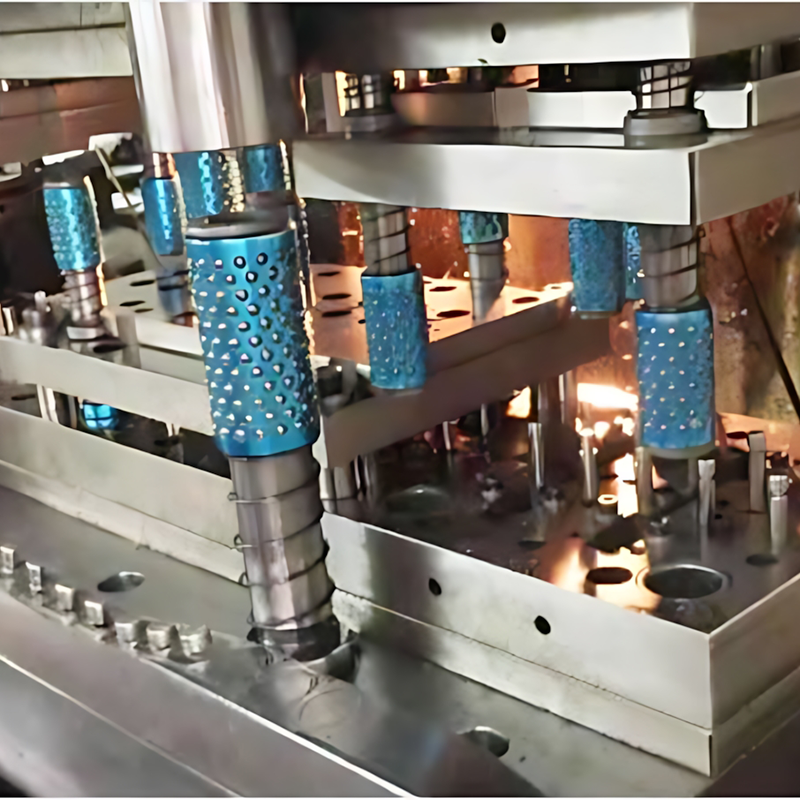
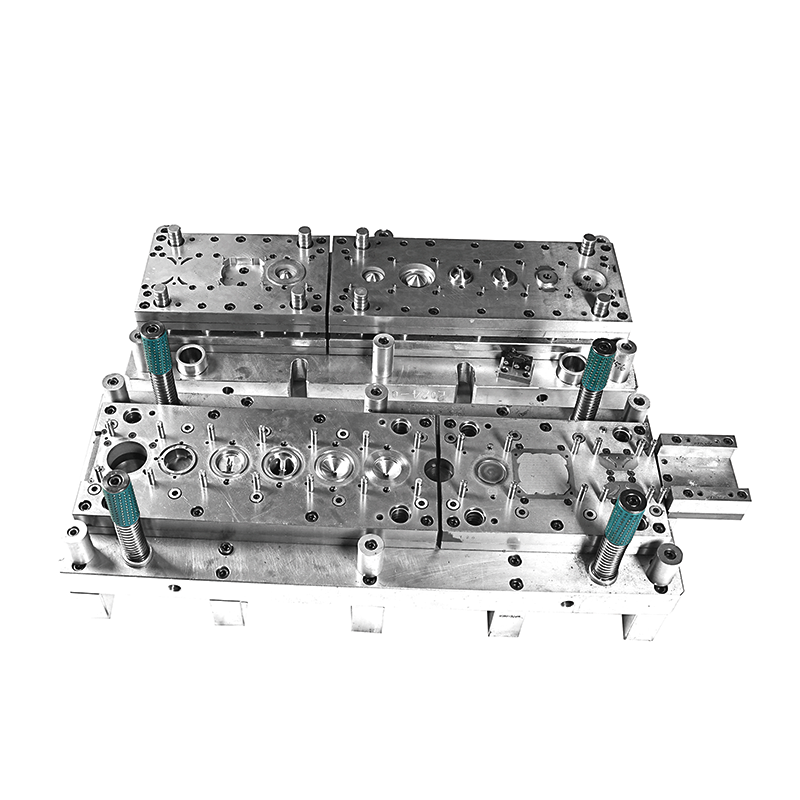
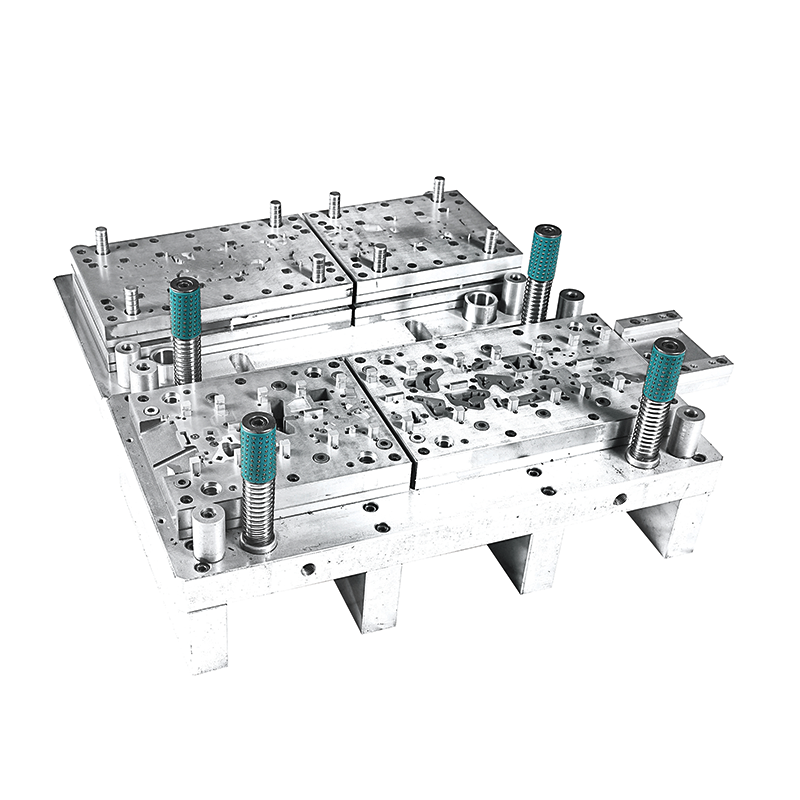
The stamping manufacturing process behind electrical heat dissipation stamping parts enables unprecedented production scalability while maintaining rigorous quality standards across millions of units. High-speed progressive stamping equipment can produce 200 to 800 parts per minute, depending on complexity, transforming raw metal coils into finished thermal management components with minimal human intervention. This production velocity dramatically reduces lead times, allowing manufacturers to respond quickly to market demand fluctuations and support just-in-time inventory strategies that minimize warehousing costs. Automated quality control systems integrated into stamping lines perform real-time dimensional verification using laser measurement and vision systems, immediately detecting any deviation from specifications and triggering corrective actions before defective parts enter the supply chain. The inherent repeatability of stamping dies ensures that the millionth part matches the first with identical thermal performance characteristics, eliminating performance variation that could compromise system reliability. Tool life optimization techniques extend die longevity beyond 5 million cycles, amortizing tooling investments across massive production volumes and further reducing unit costs. For businesses launching new products or expanding production capacity, electrical heat dissipation stamping parts offer rapid prototype-to-production transitions, with tooling development completed in weeks rather than months required for cast or machined alternatives, accelerating time-to-market and competitive advantage.
Versatile Design Adaptability Across Diverse Applications

Versatile Design Adaptability Across Diverse Applications

Electrical heat dissipation stamping parts demonstrate remarkable versatility in addressing thermal challenges across vastly different industries and operating environments. Design engineers can specify custom configurations incorporating mounting tabs, alignment features, and attachment points that integrate seamlessly with specific device architectures, eliminating the need for additional brackets or fasteners that add cost and assembly complexity. The stamping process accommodates material thickness variations from ultra-thin 0.3mm foils for compact mobile devices to robust 3mm plates for high-power industrial applications, all from the same fundamental manufacturing technology. Surface finish options including anodizing, nickel plating, and chemical conversion coatings provide corrosion resistance for harsh environments while enhancing thermal emissivity for radiation cooling effects. Combination stamping techniques merge multiple functions into single parts, incorporating electromagnetic shielding properties alongside thermal management or integrating mounting hardware directly into heat dissipation structures. This functional consolidation reduces component count, simplifies assembly, and improves reliability by eliminating mechanical interfaces. Whether cooling microprocessors in data centers, managing battery temperatures in electric vehicles, or dissipating LED junction heat in architectural lighting, electrical heat dissipation stamping parts adapt to application-specific requirements through geometric optimization, material selection, and surface engineering, providing tailored thermal solutions that generic alternatives cannot match.

Get a Free Quote

Our representative will contact you soon.
Email
WhatsApp
Name
Company Name
Message
0/1000