Versatile Material and Design Flexibility
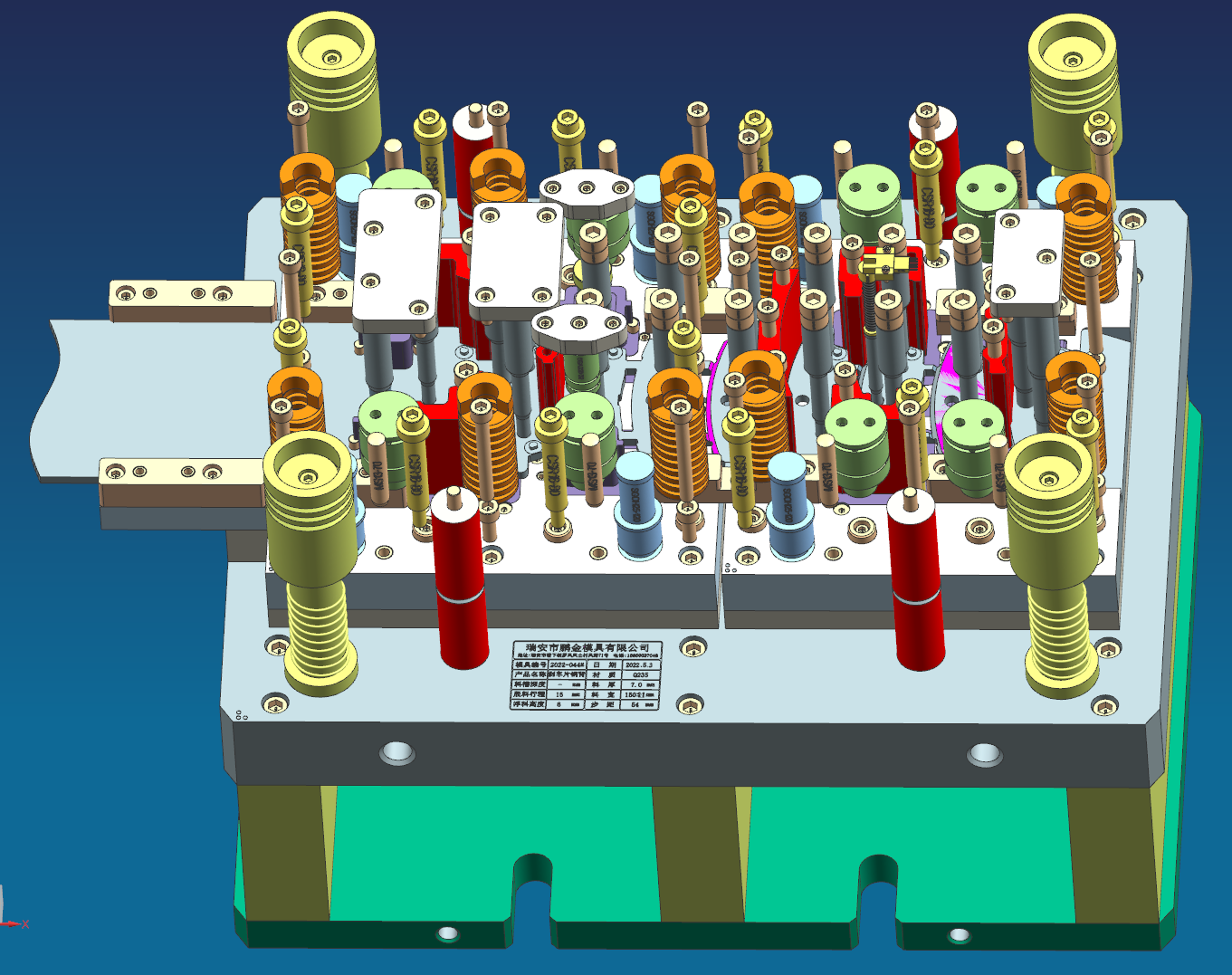
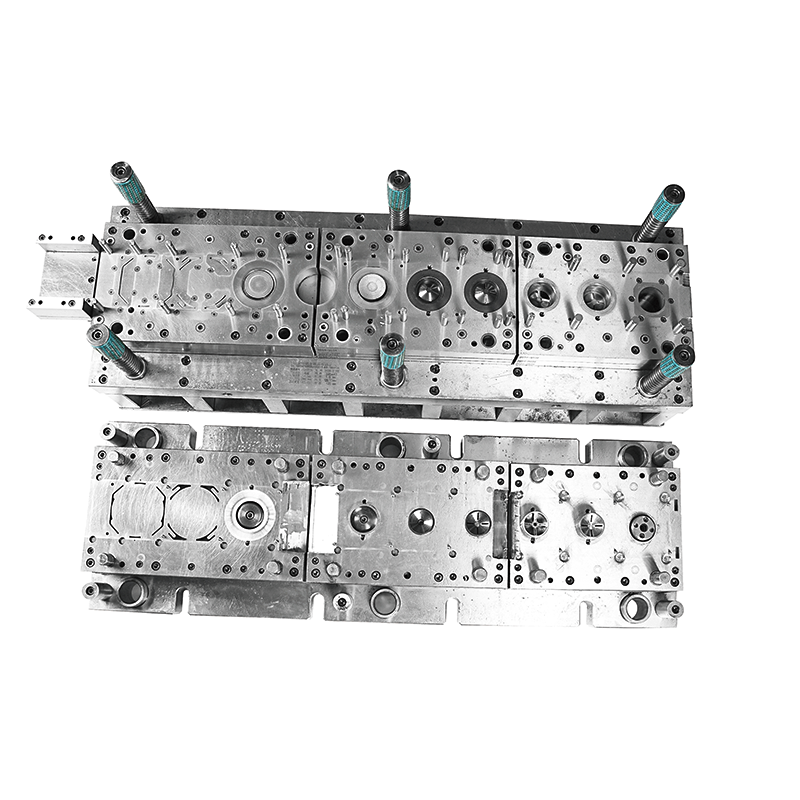
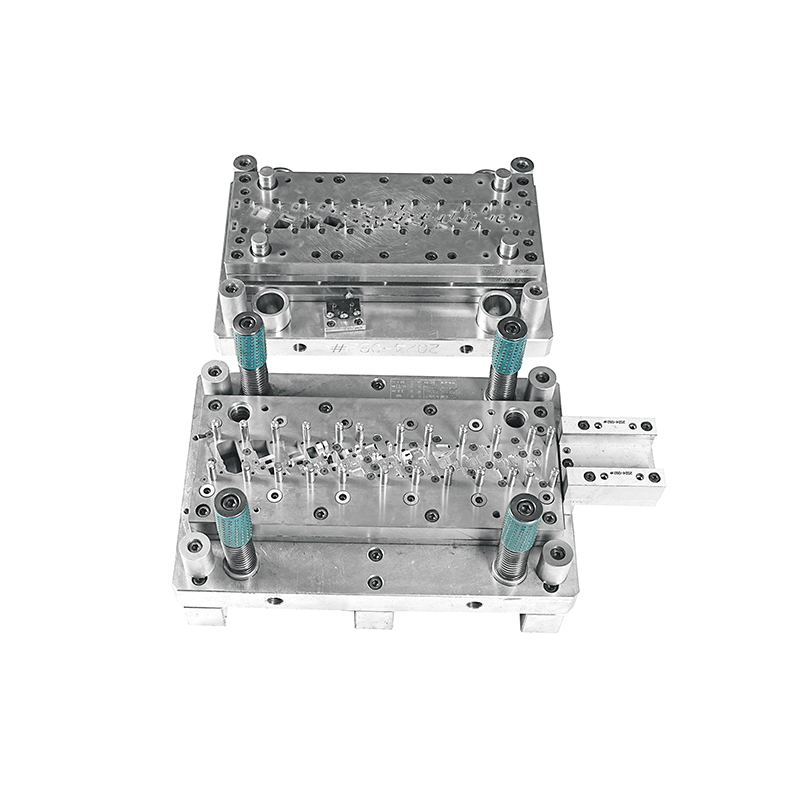
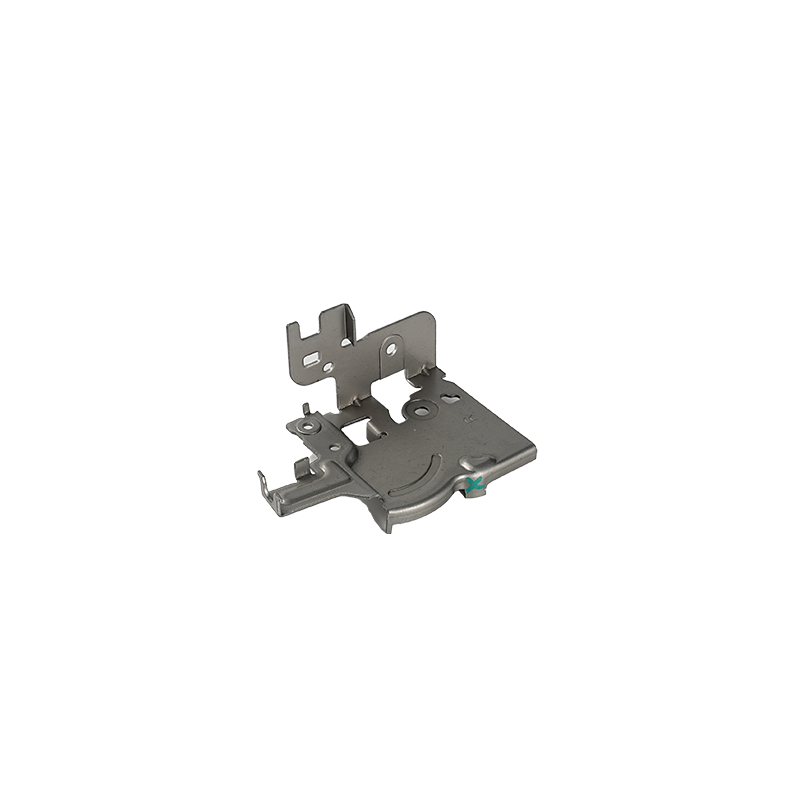
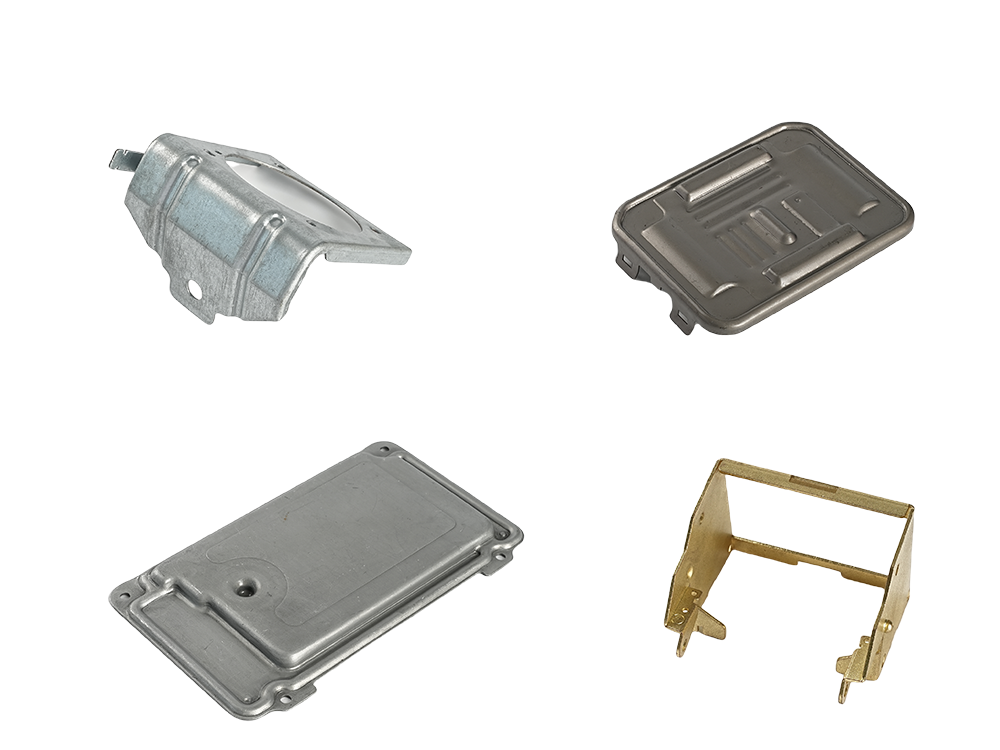
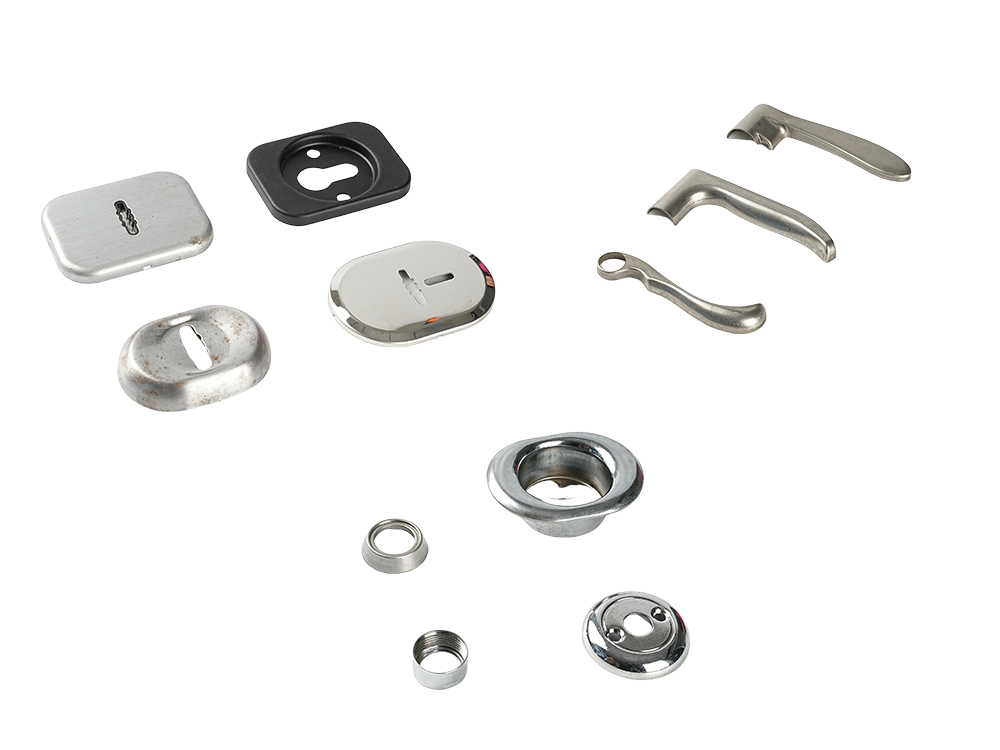
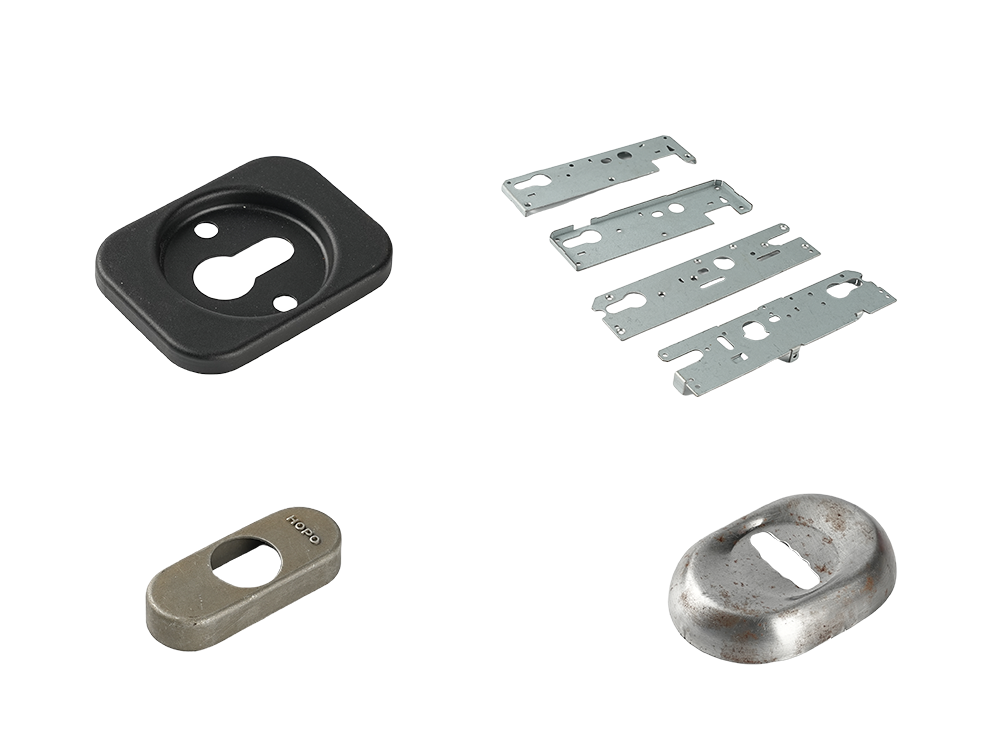
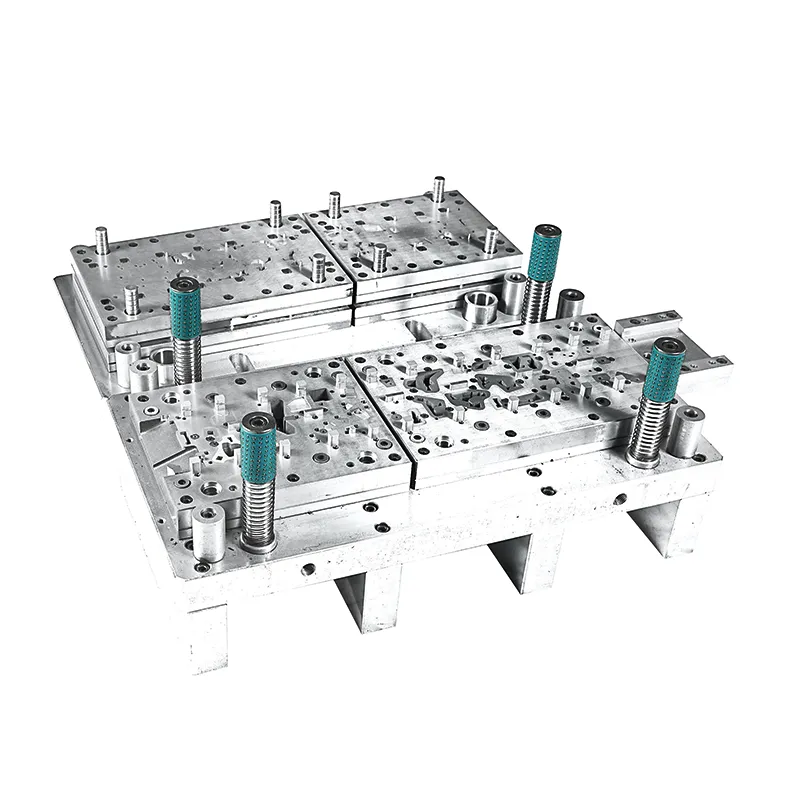
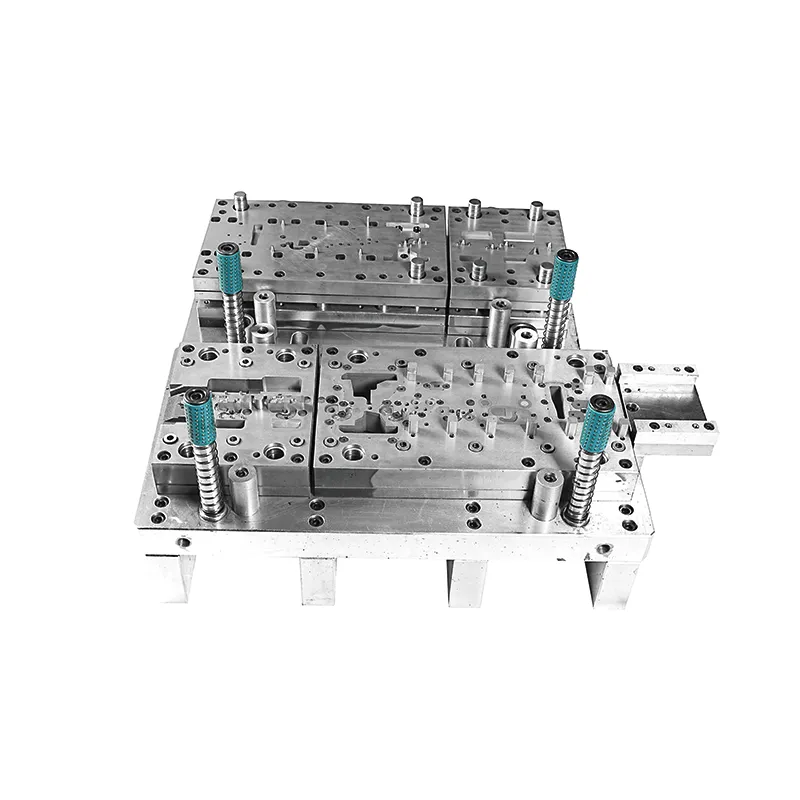
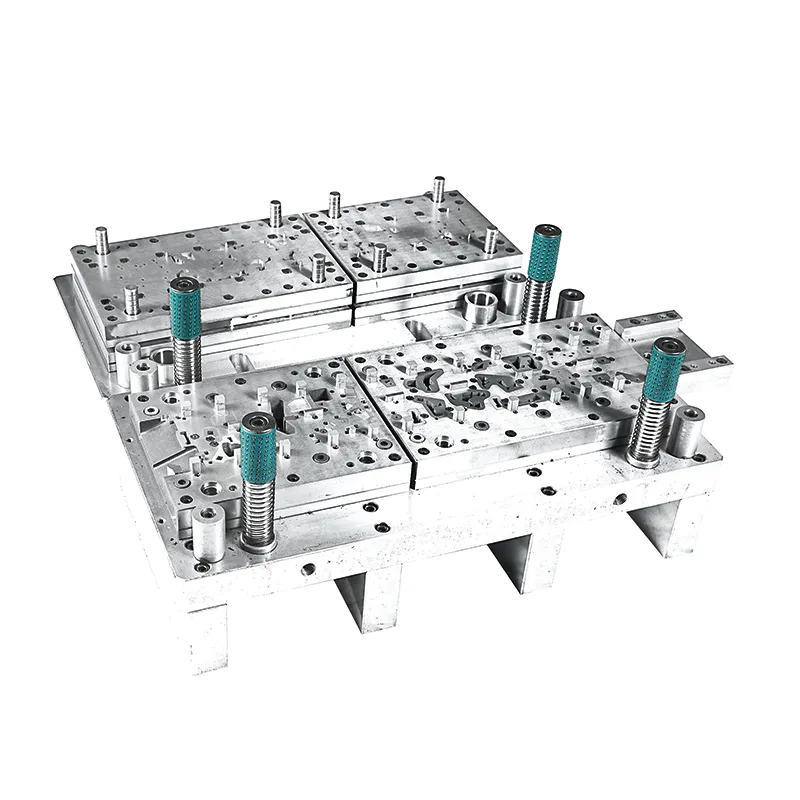
Precision stamping parts accommodate an extensive range of materials and design configurations, providing engineers with creative freedom to optimize components for specific performance requirements. Stamping technology successfully processes ferrous metals like carbon steel and stainless steel, non-ferrous options including aluminum, copper, brass, and bronze, plus specialized alloys engineered for strength, conductivity, or corrosion resistance. Material thickness capabilities span from ultra-thin foils measuring fractions of a millimeter to substantial plates several millimeters thick, addressing applications from delicate electronic contacts to robust structural brackets. Design possibilities include flat parts, three-dimensional formed shapes, parts with multiple bends and angles, components featuring embossed details for strength or identification, and assemblies incorporating integrated fastening features that eliminate separate hardware. Progressive die stamping enables complex geometries that develop through sequential forming stations, creating intricate precision stamping parts that would be impractical with single-stage operations. Engineers can specify various edge treatments, hole patterns, surface textures, and dimensional features that stamping equipment produces reliably and economically. The flexibility extends to secondary operations easily integrated with stamping lines, including threading, deburring, heat treating, and surface finishing, delivering complete components ready for immediate assembly or installation.
 EN