precision metal stamping
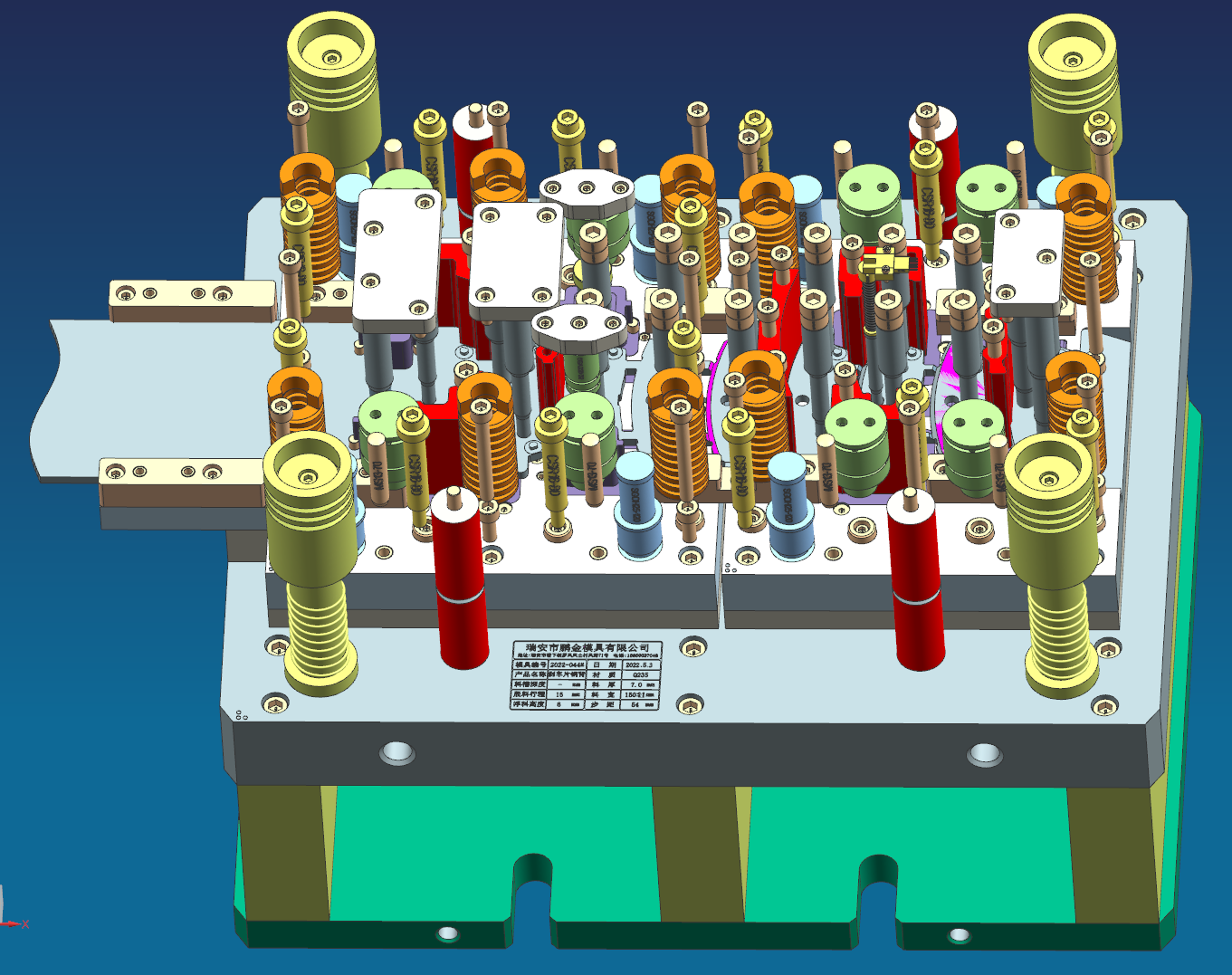
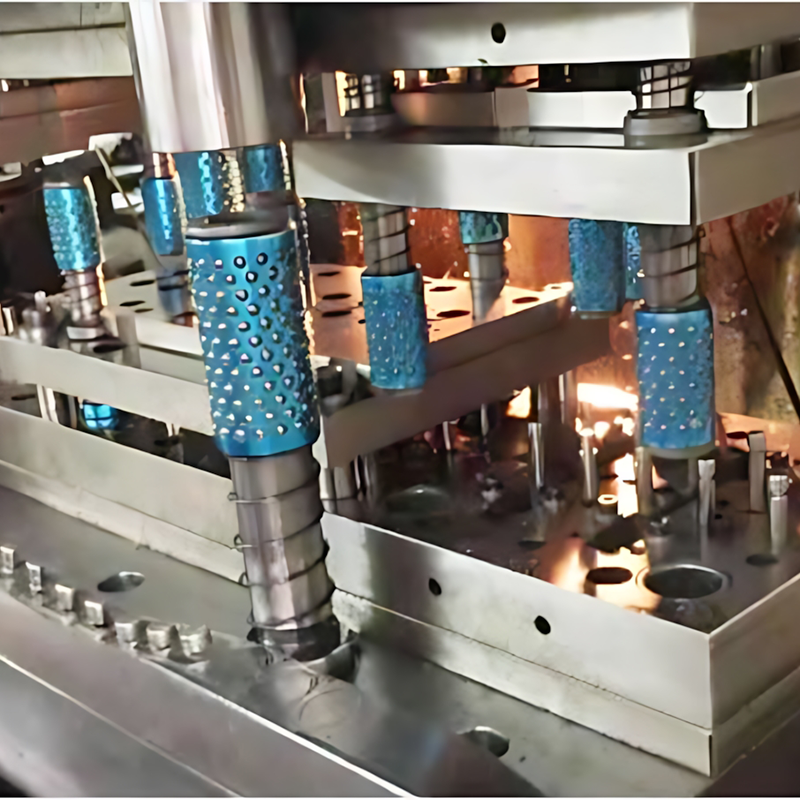
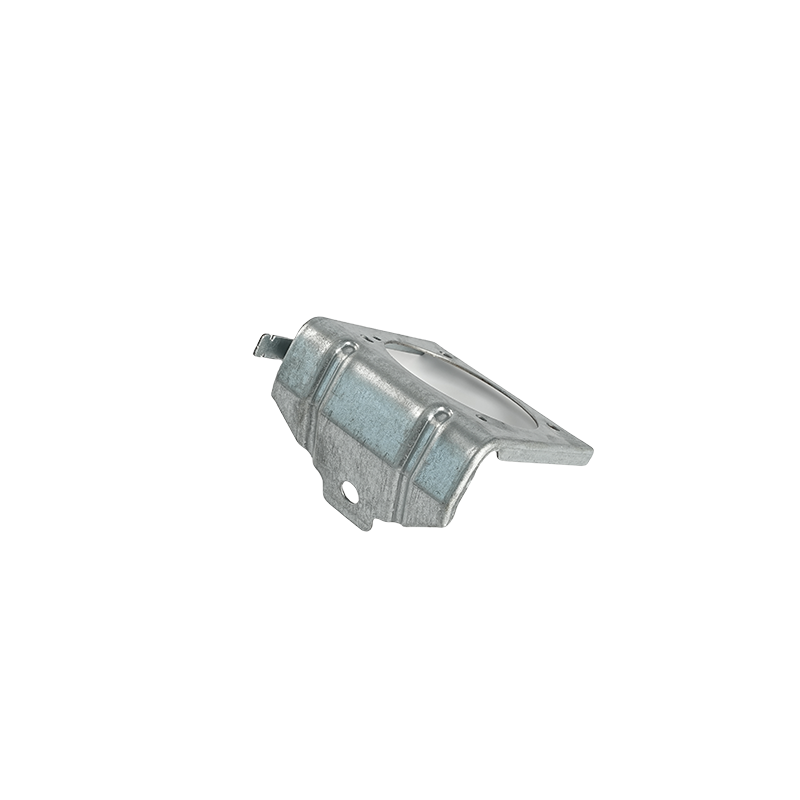
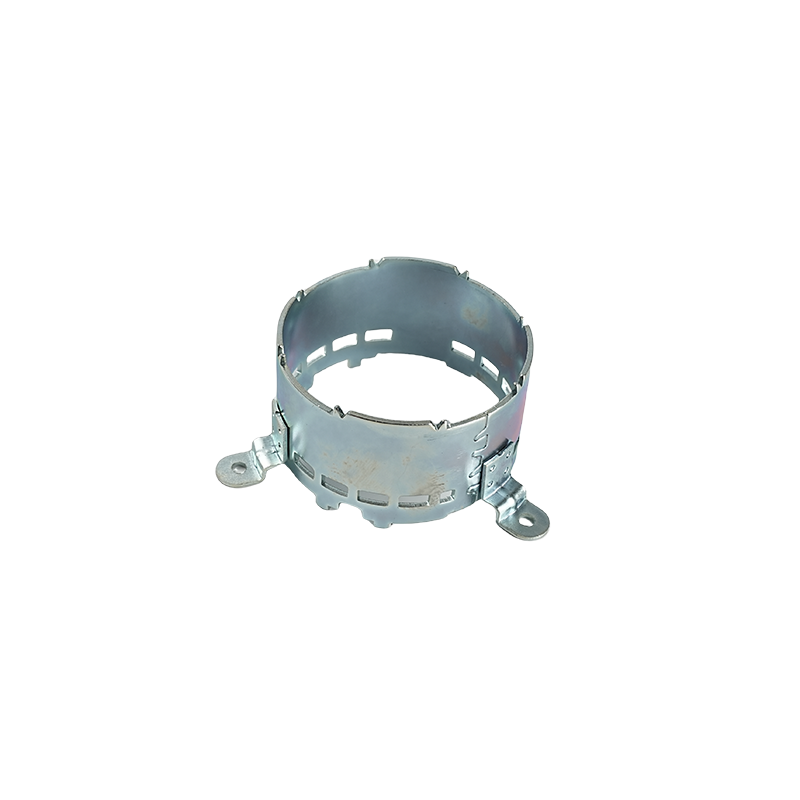
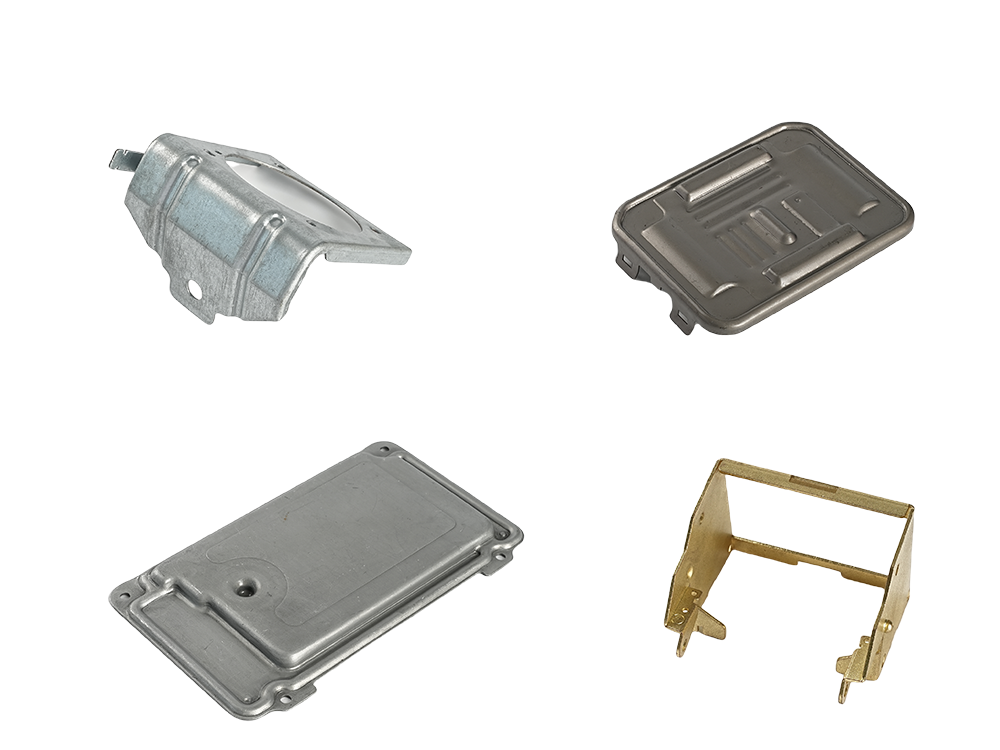
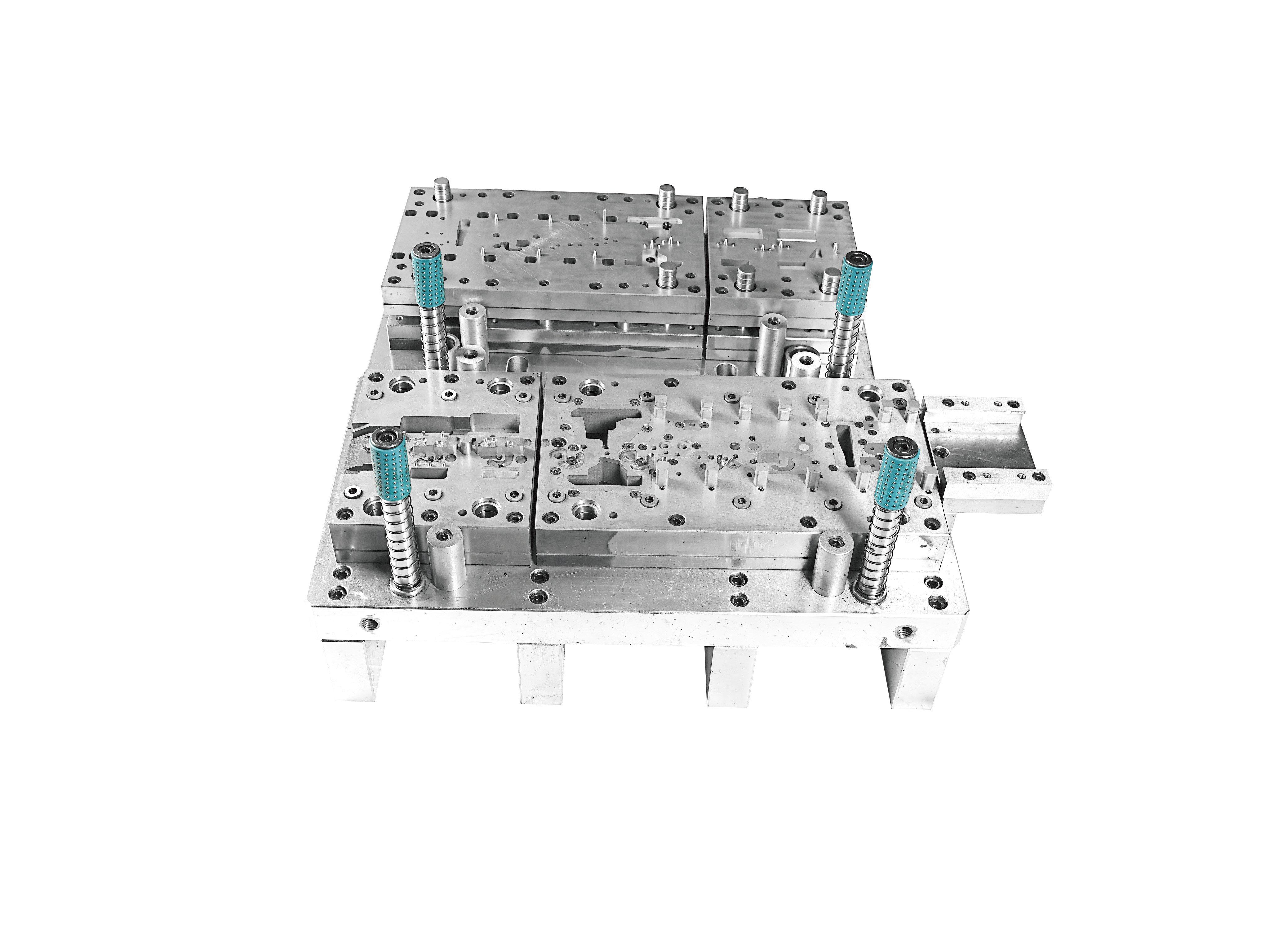
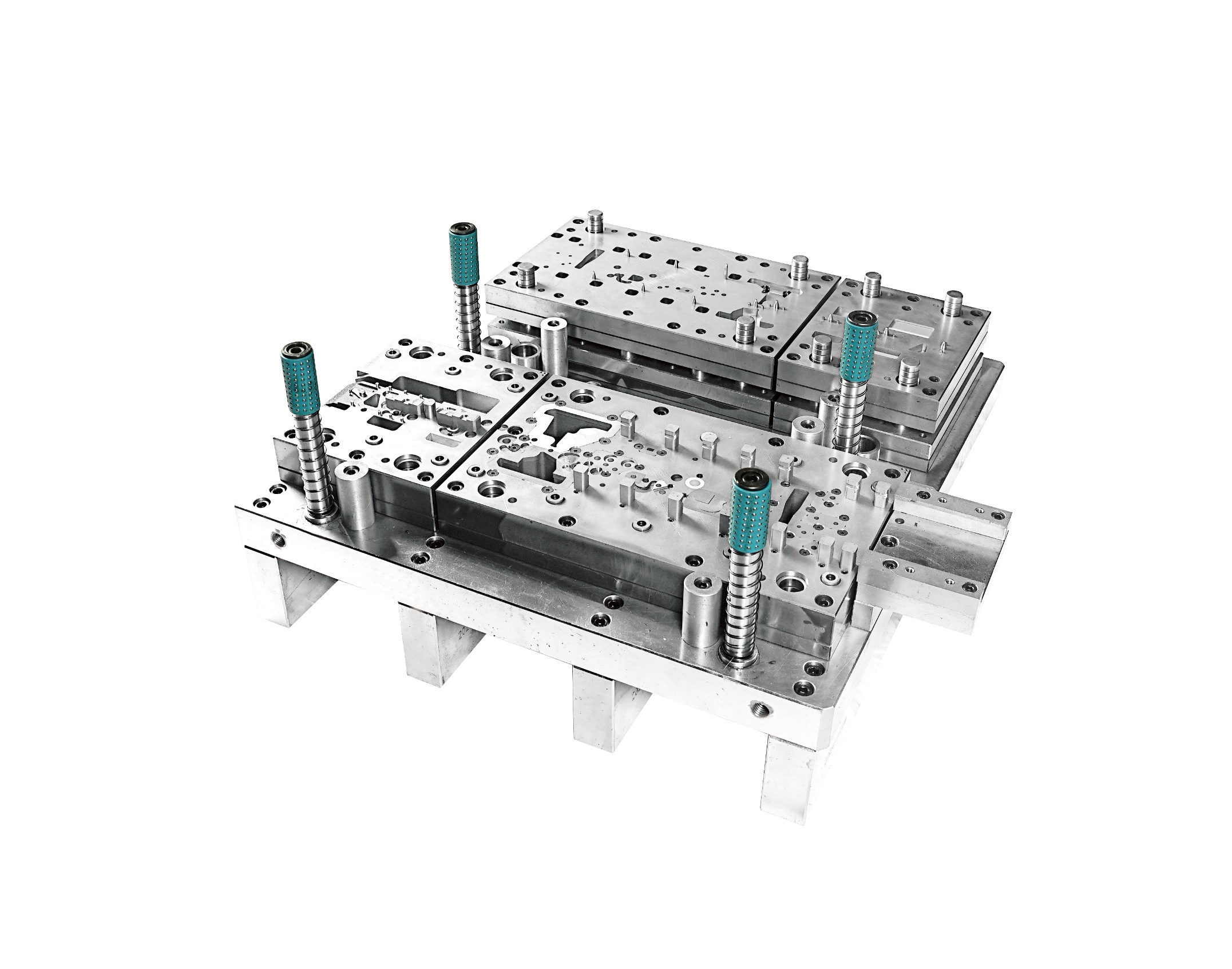
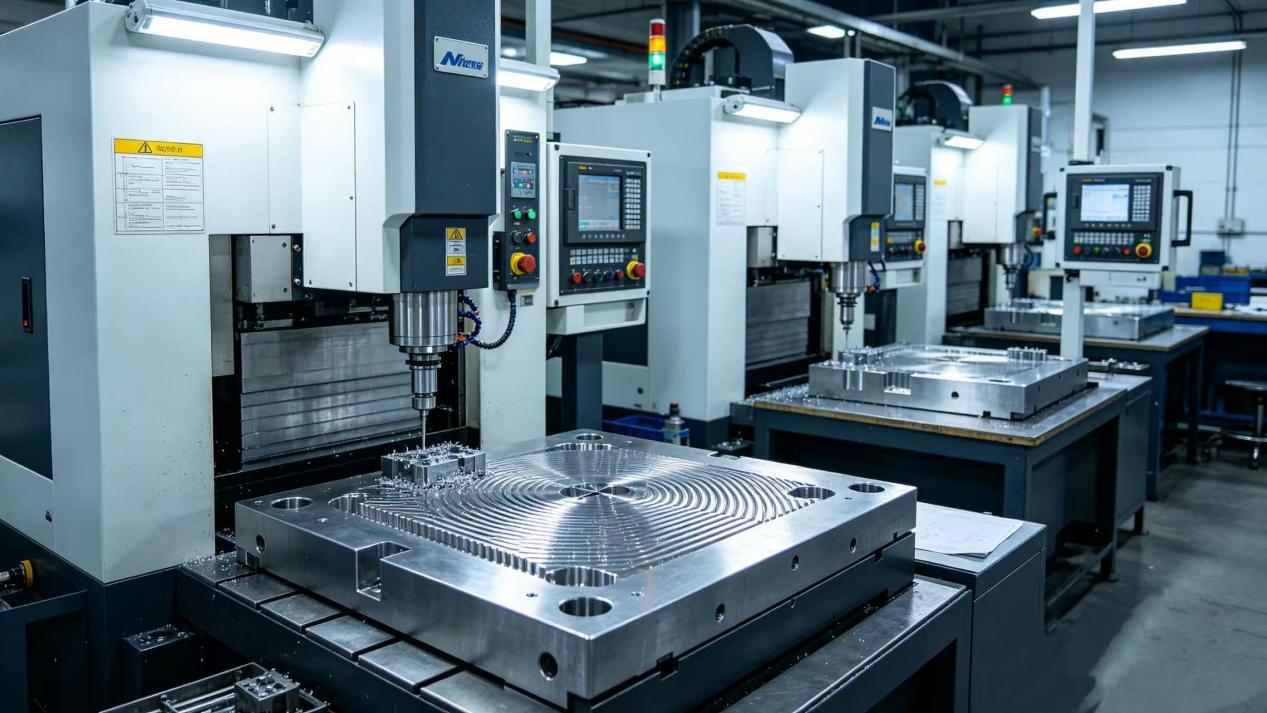
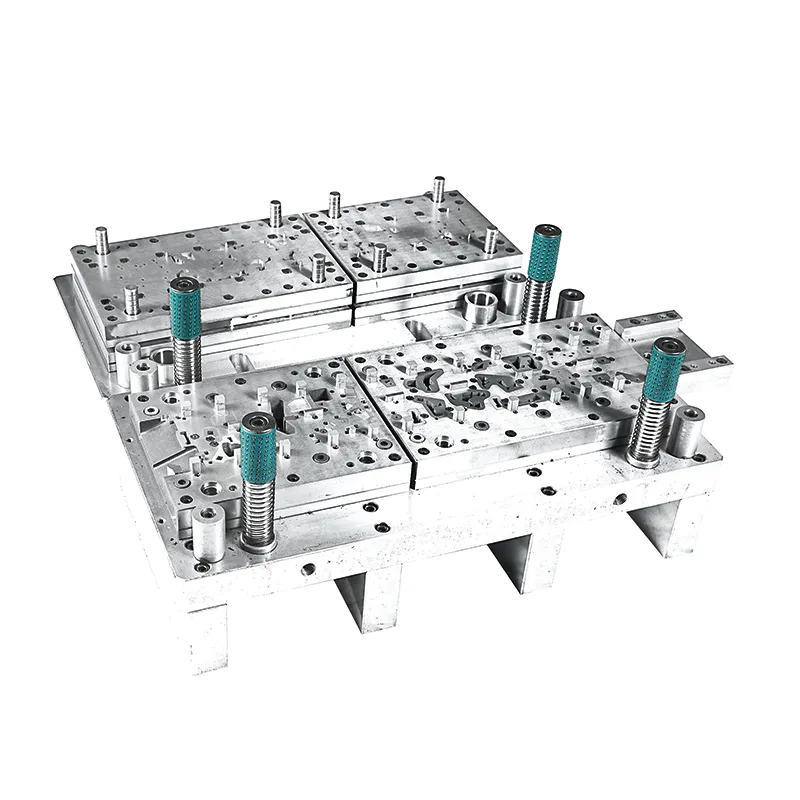
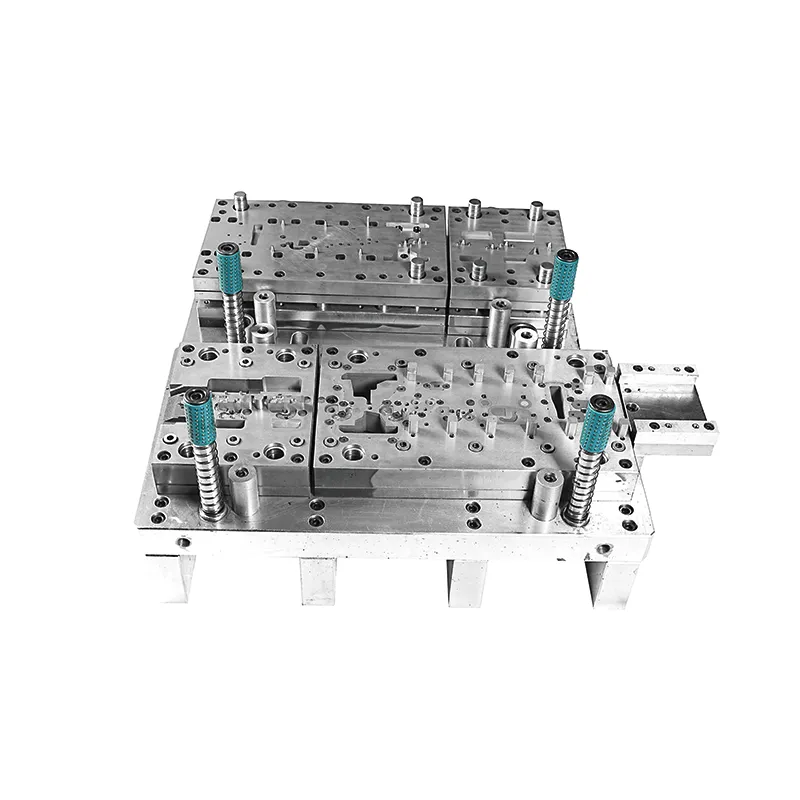
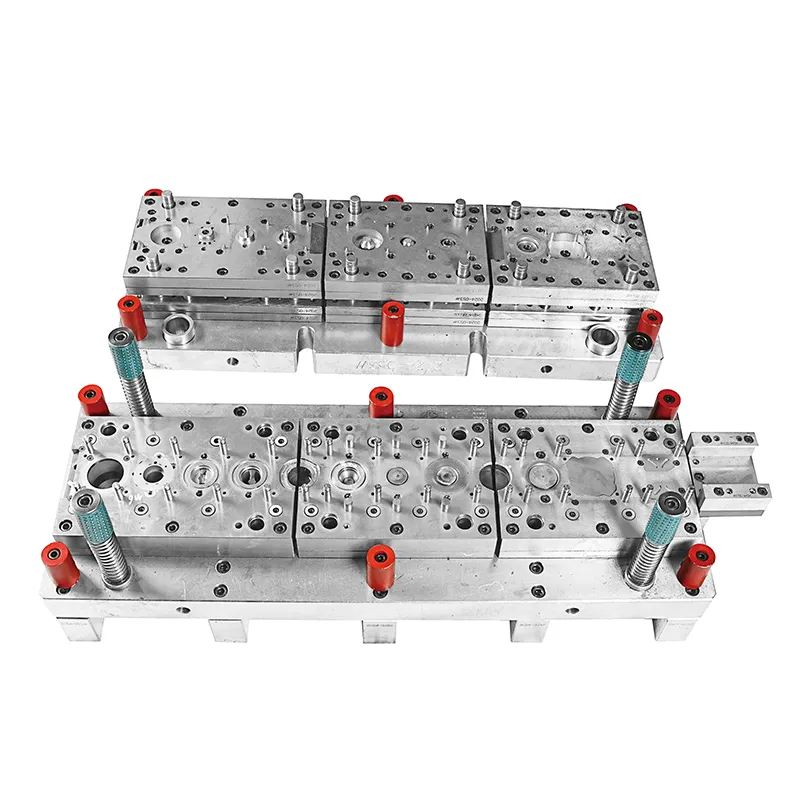
Precision metal stamping is an advanced manufacturing process that transforms flat metal sheets into specific shapes through high-pressure force applied by specialized dies and presses. This technology enables manufacturers to produce complex metal components with exceptional accuracy, typically achieving tolerances within 0.001 inches. The process involves feeding metal coils or sheets through stamping presses where custom-designed dies cut, bend, emboss, or form the material into desired configurations. Precision metal stamping serves critical functions across multiple industries by creating components ranging from simple brackets to intricate electronic connectors. The technological features include progressive die stamping for high-volume production, transfer die stamping for larger parts, and four-slide stamping for complex bends and twists. Modern precision metal stamping utilizes computer-aided design systems and CNC-controlled presses to ensure consistent quality and dimensional accuracy throughout production runs. This manufacturing method works with various metals including stainless steel, aluminum, copper, brass, and specialty alloys, accommodating material thicknesses from ultra-thin foils to heavy-gauge plates. Applications span automotive components, aerospace hardware, medical device parts, electronic enclosures, telecommunications equipment, and consumer products. The versatility of precision metal stamping makes it indispensable for producing everything from tiny spring contacts in smartphones to structural brackets in vehicles, delivering reliable performance across demanding operational environments while maintaining cost-effectiveness for both prototype and mass production requirements.


 EN