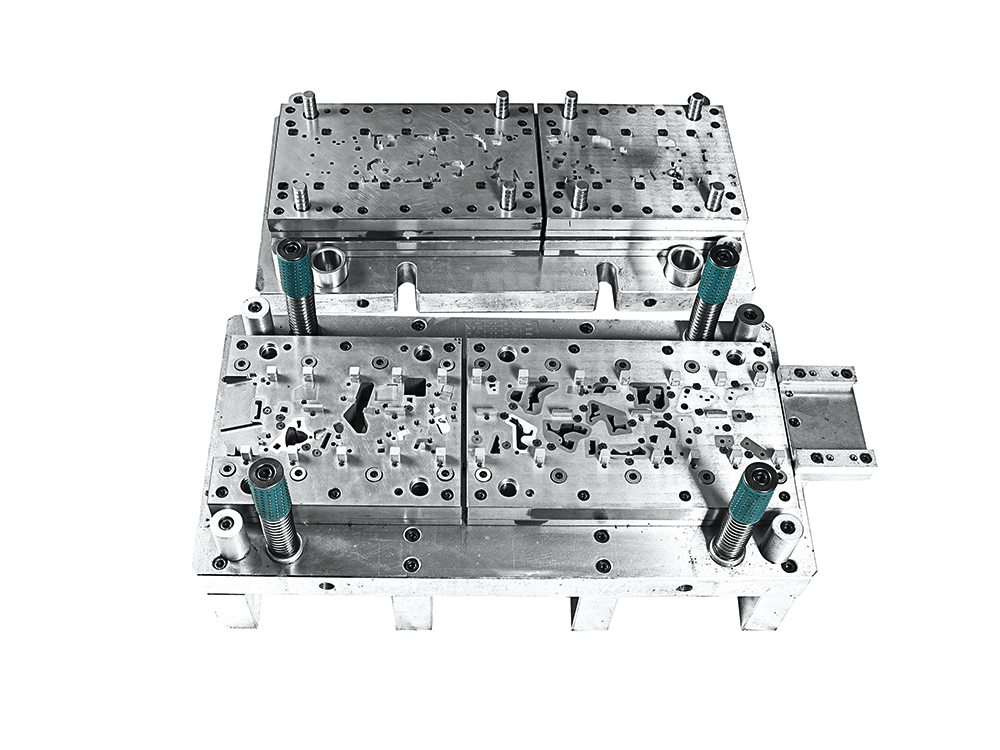
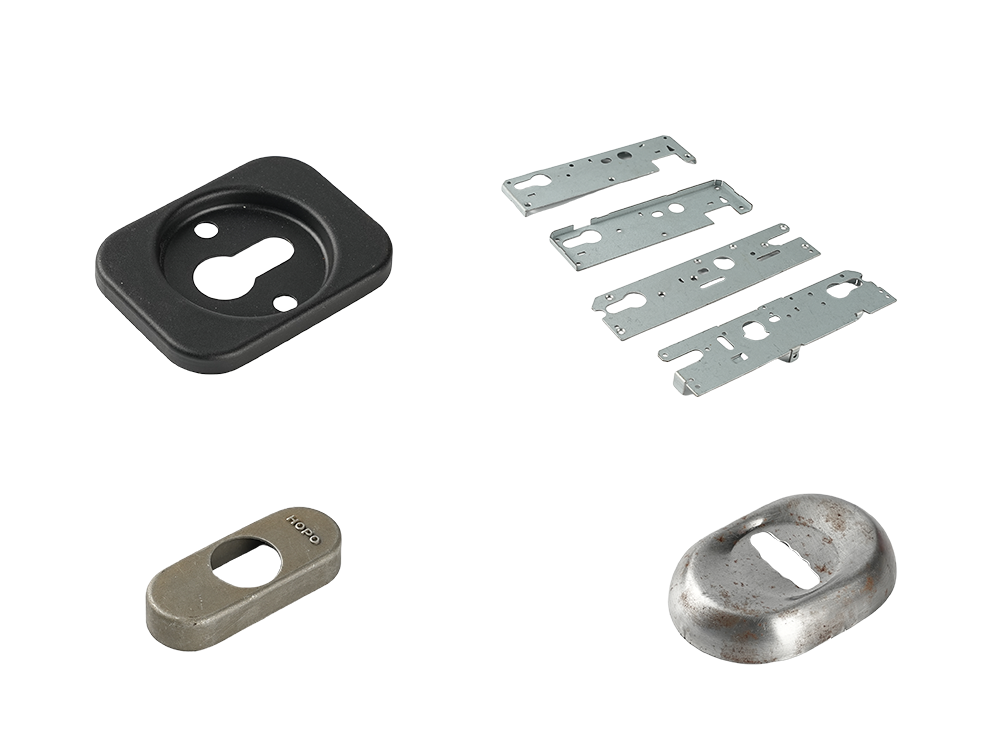
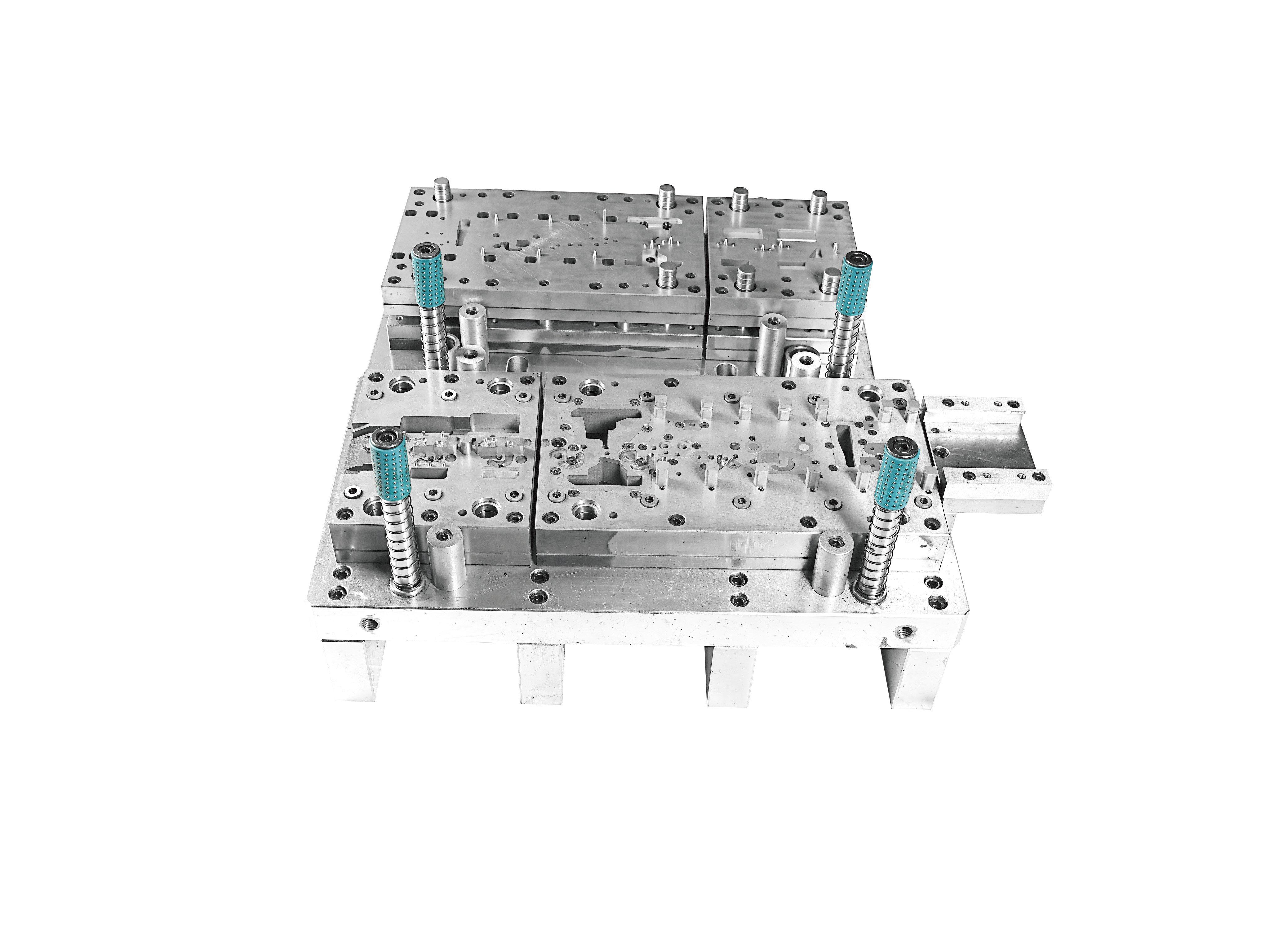
punching and stamping
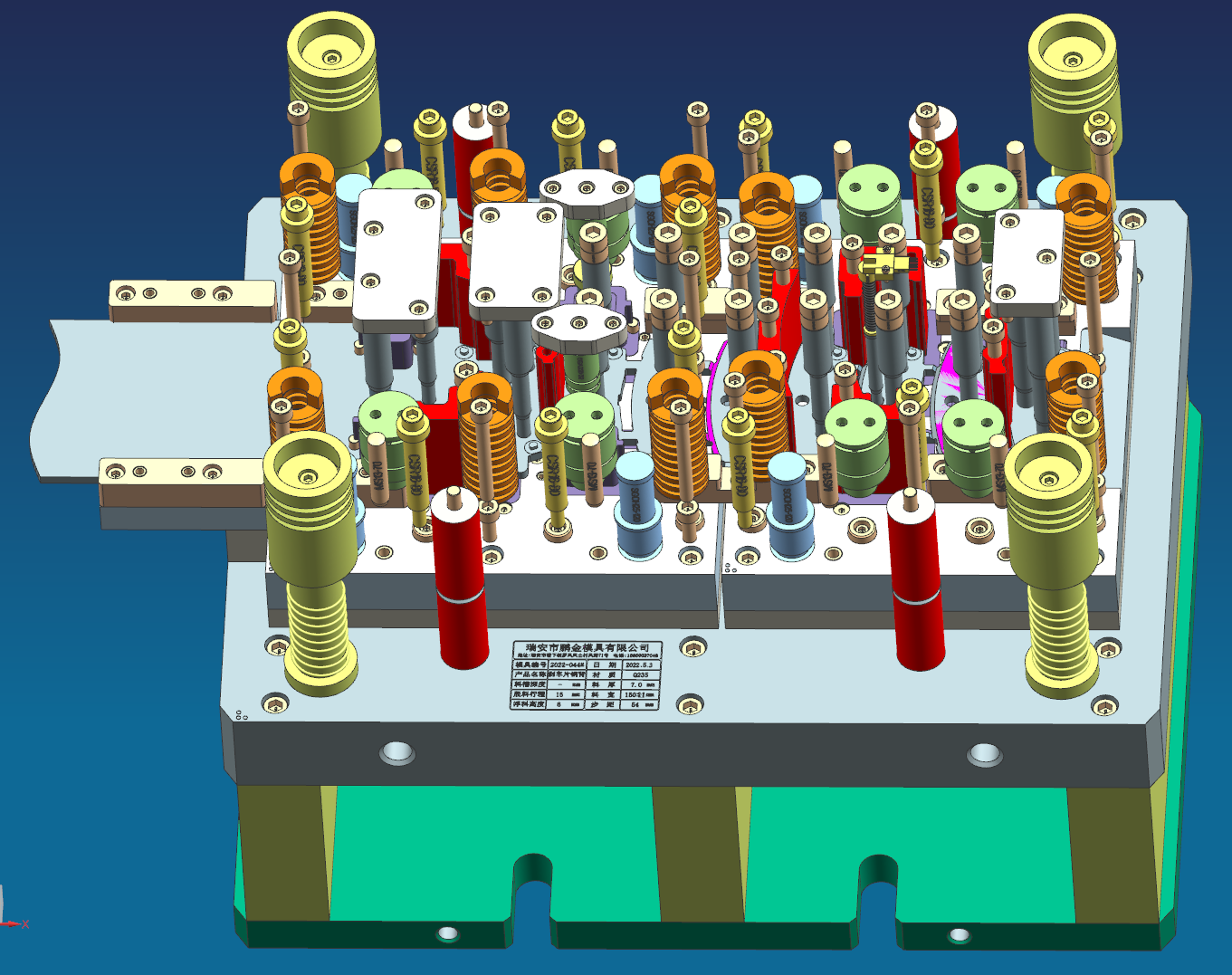
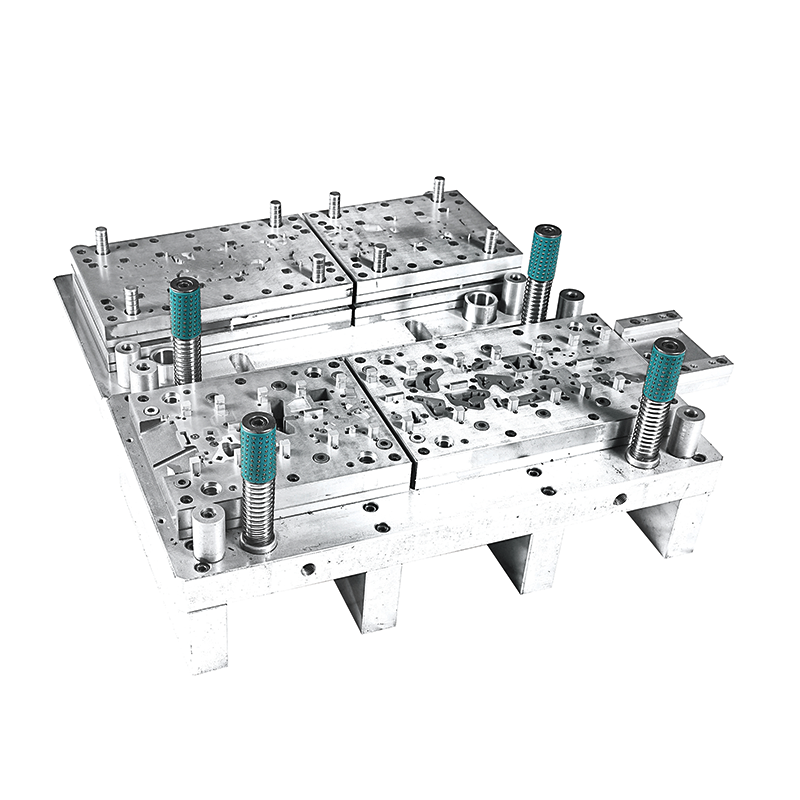
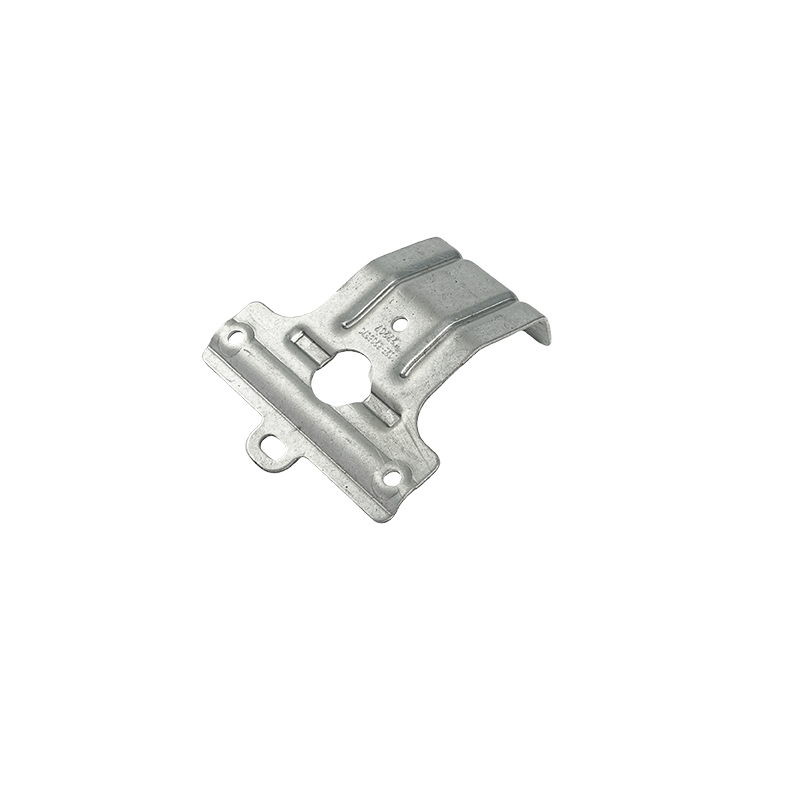
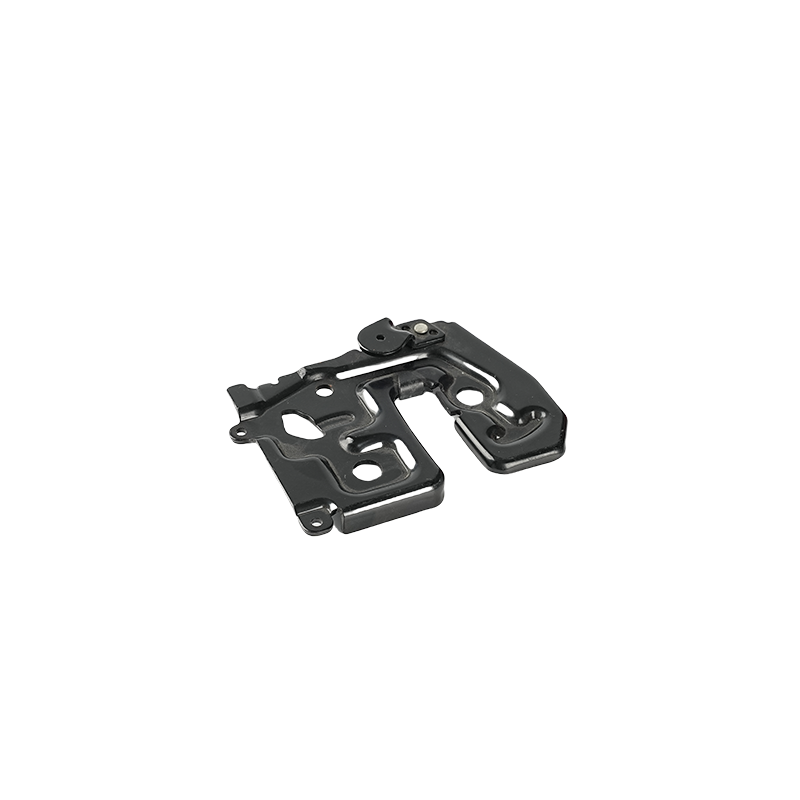
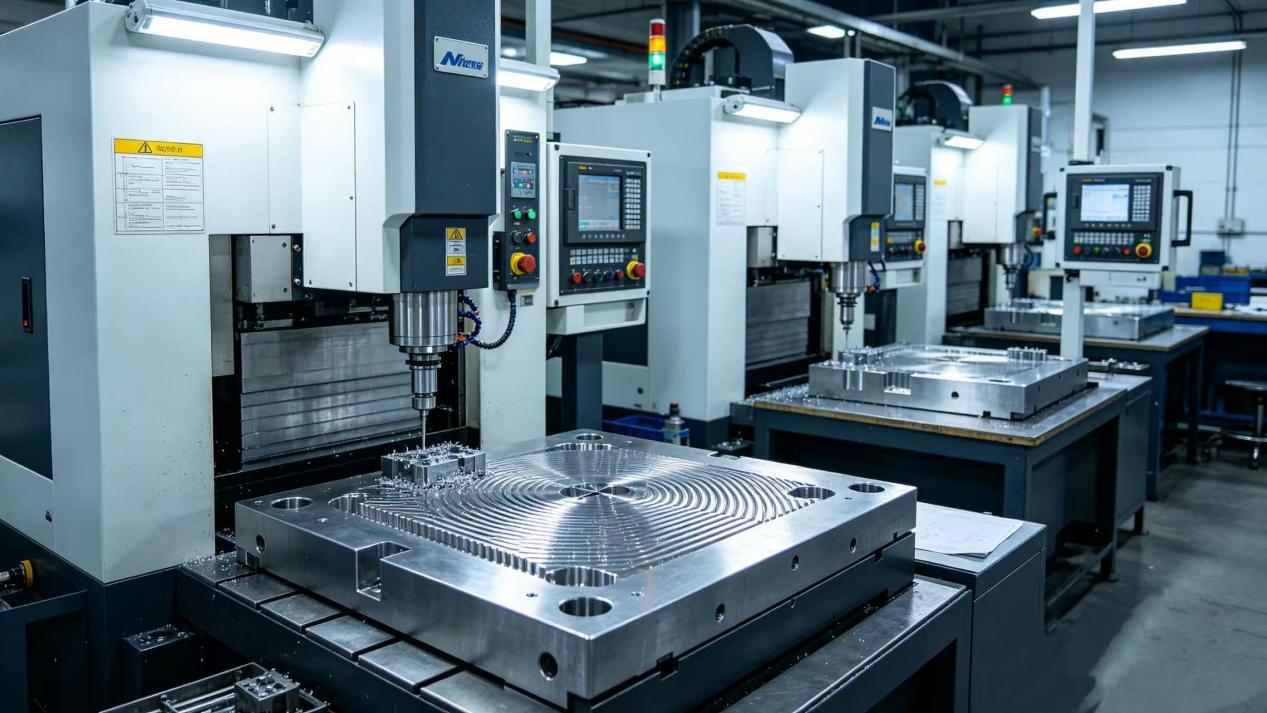
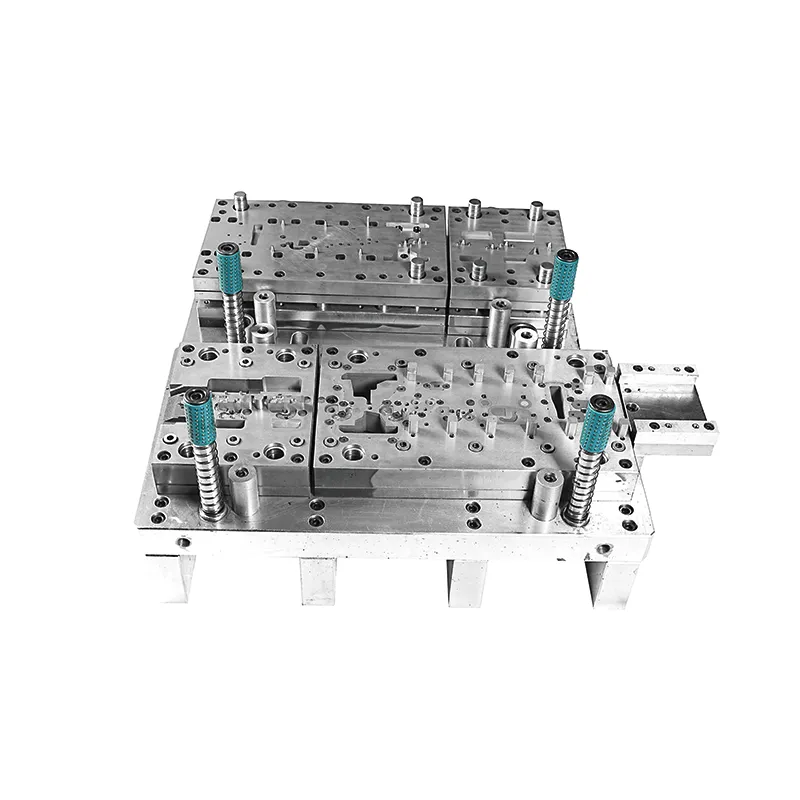
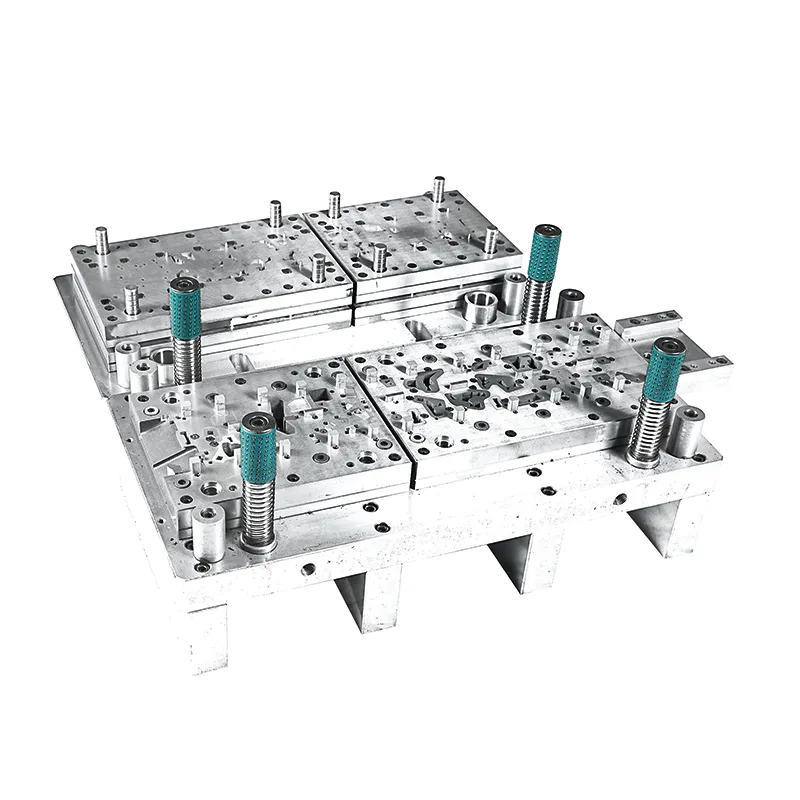
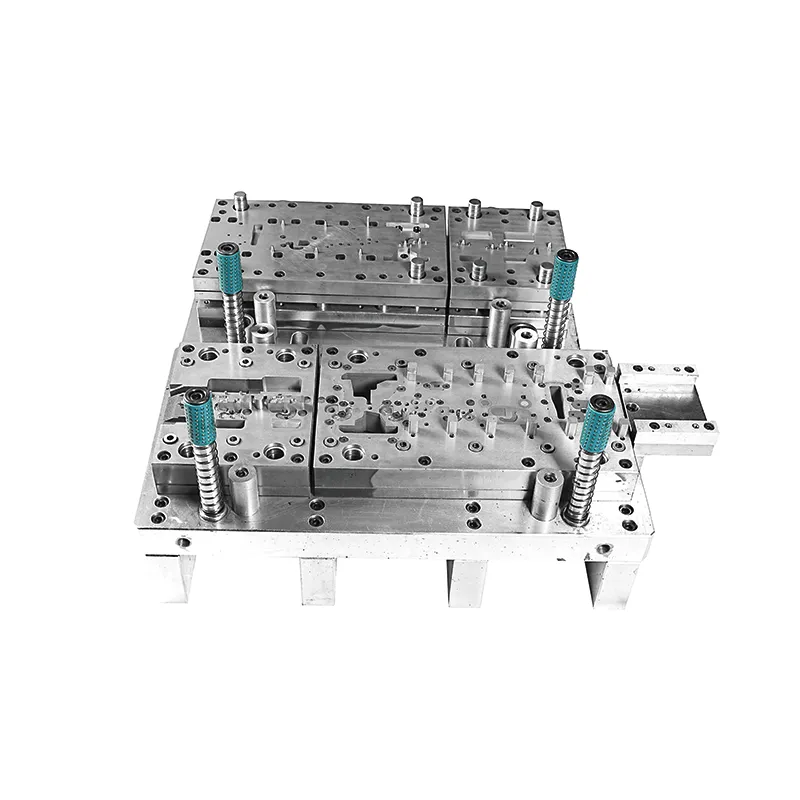
Punching and stamping are essential metal fabrication processes that transform flat sheet metal into precise three-dimensional components through controlled force and specialized tooling. Punching and stamping operations utilize powerful presses equipped with custom dies to cut, shape, bend, and form metal materials into desired configurations with exceptional accuracy. The main functions of punching and stamping include creating holes, slots, and cutouts in metal sheets, forming complex geometric shapes, embossing patterns, and producing high-volume parts with consistent quality. Technologically, punching and stamping processes feature progressive die systems that perform multiple operations in a single press stroke, computer numerical control integration for precision positioning, and servo-driven presses that optimize energy efficiency and cycle times. These manufacturing methods accommodate various materials including steel, aluminum, brass, copper, and stainless steel, with thickness ranges from ultra-thin foils to heavy-gauge plates. Applications for punching and stamping span numerous industries including automotive manufacturing for body panels and structural components, electronics production for enclosures and connectors, appliance manufacturing for housing and functional parts, construction hardware, medical device components, and aerospace parts. The versatility of punching and stamping makes them indispensable for both prototype development and mass production scenarios, offering manufacturers reliable solutions for transforming raw metal sheets into finished functional components that meet stringent dimensional tolerances and surface finish requirements across diverse industrial sectors.


 EN