Stamping Dies: Precision Metal Forming Tools

All Categories

stamping dies

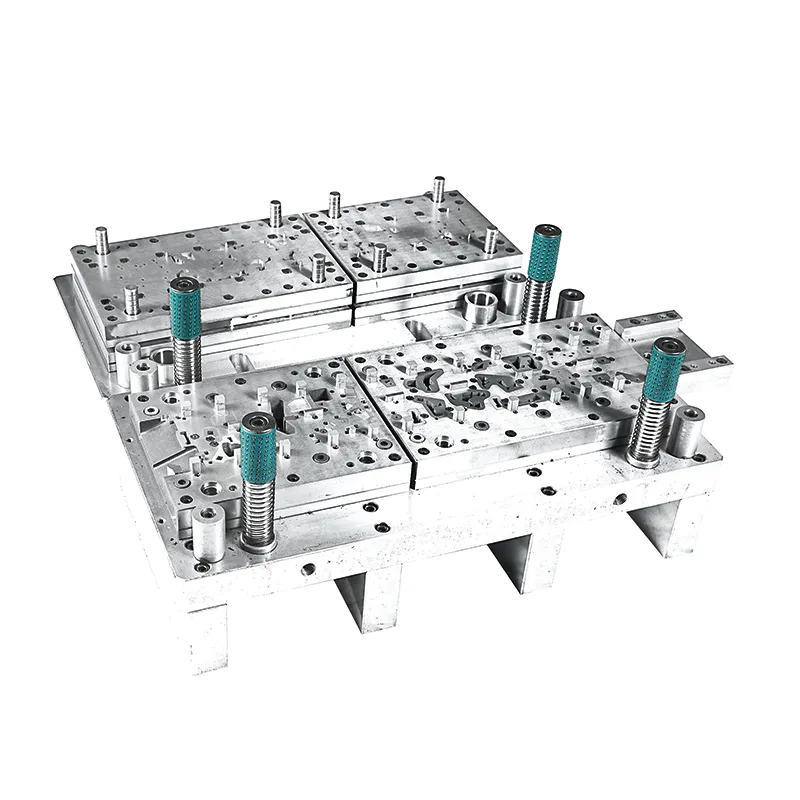
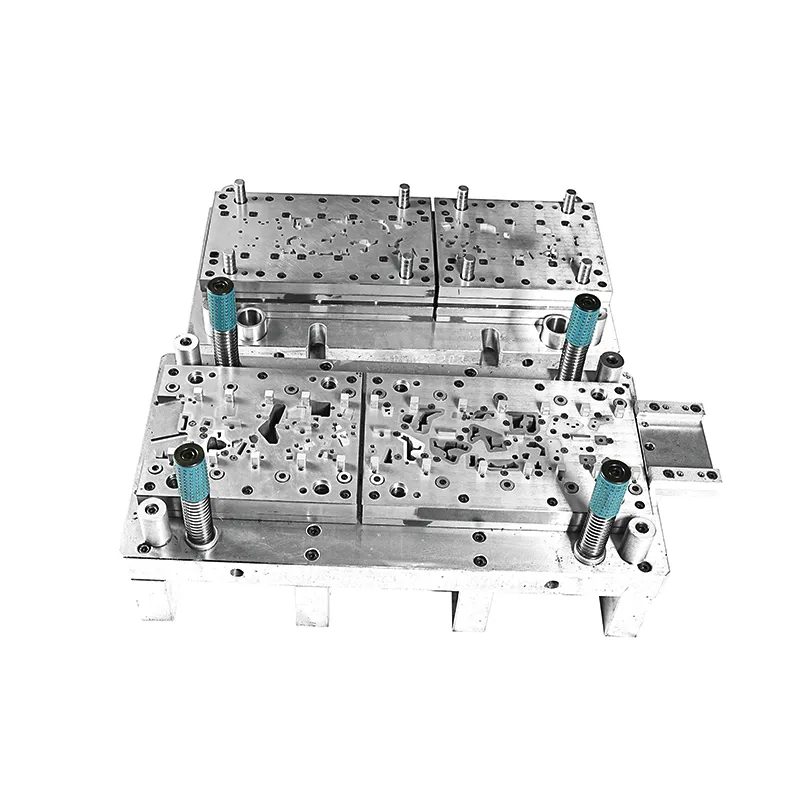
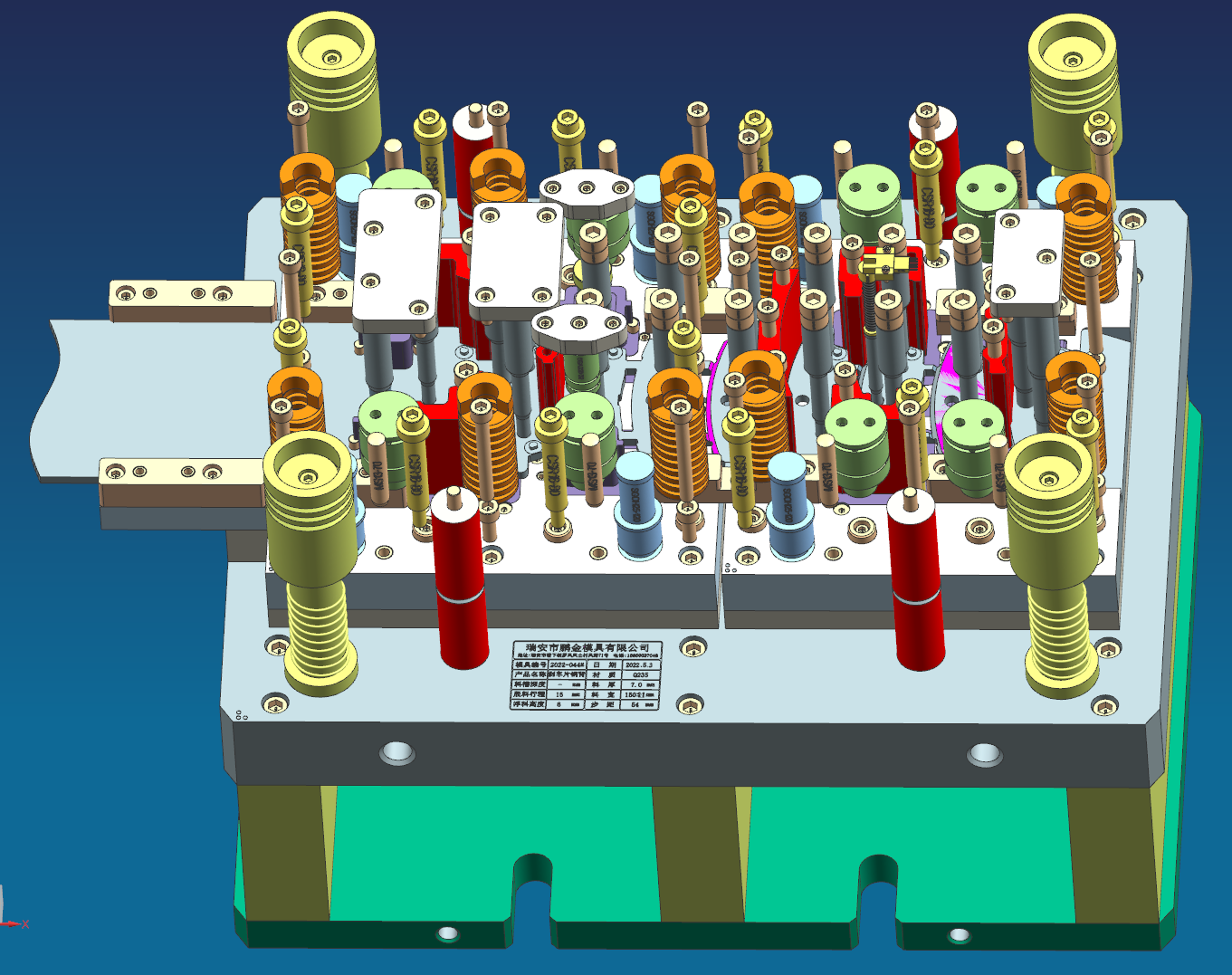
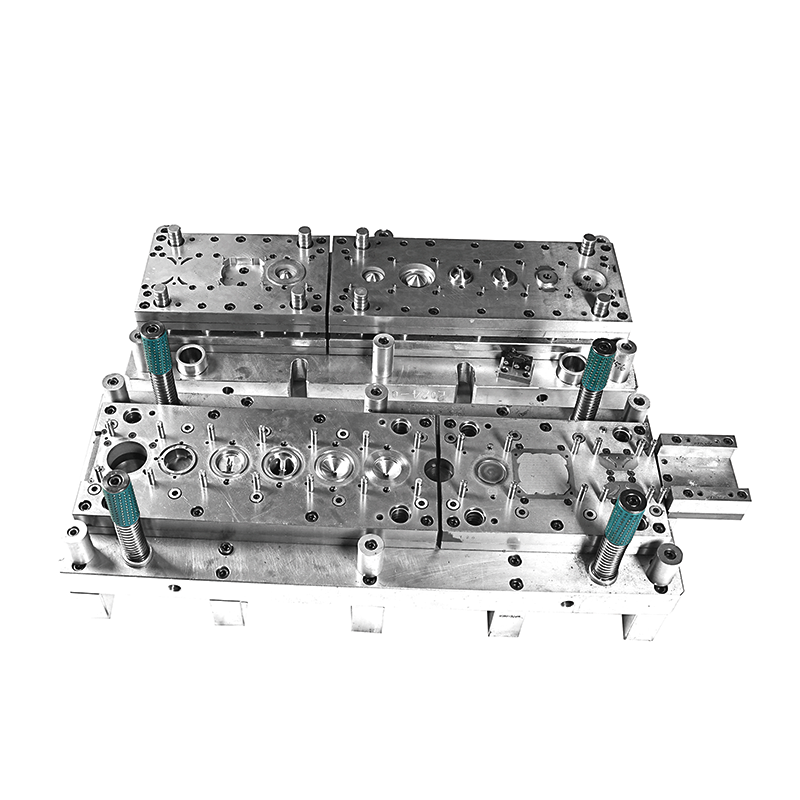
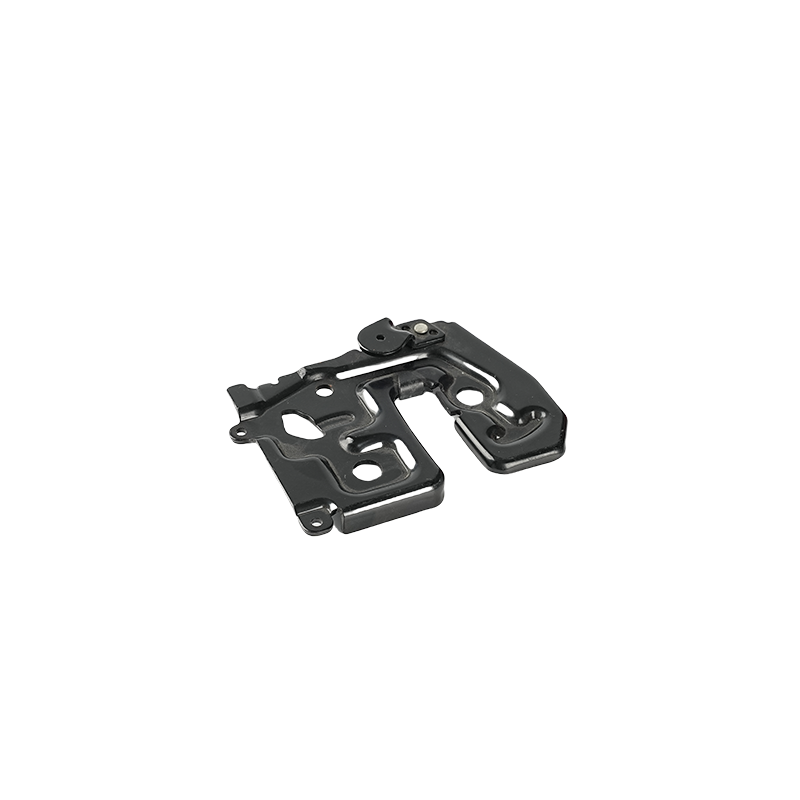
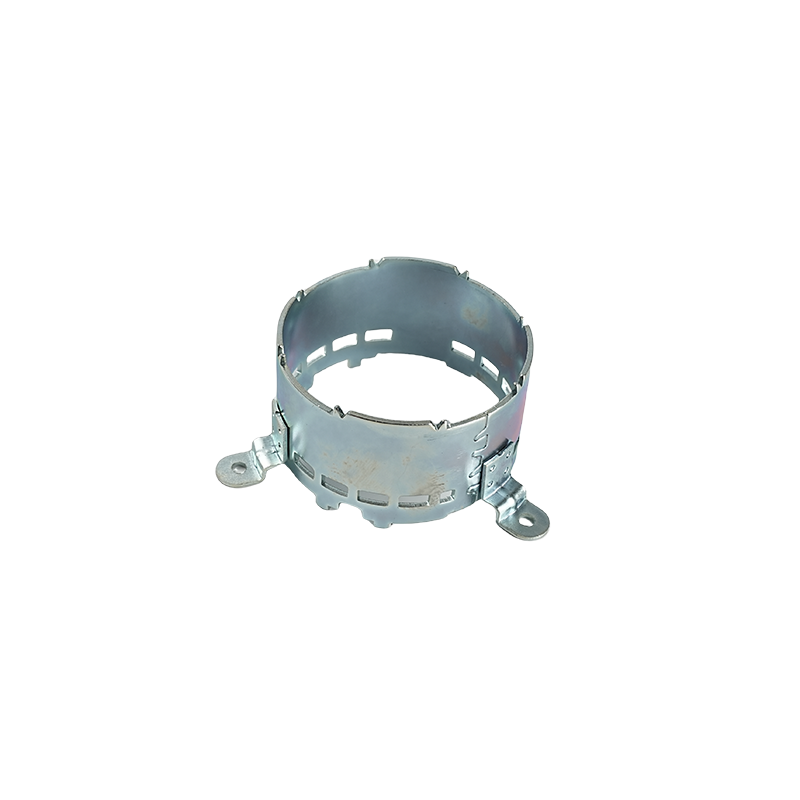
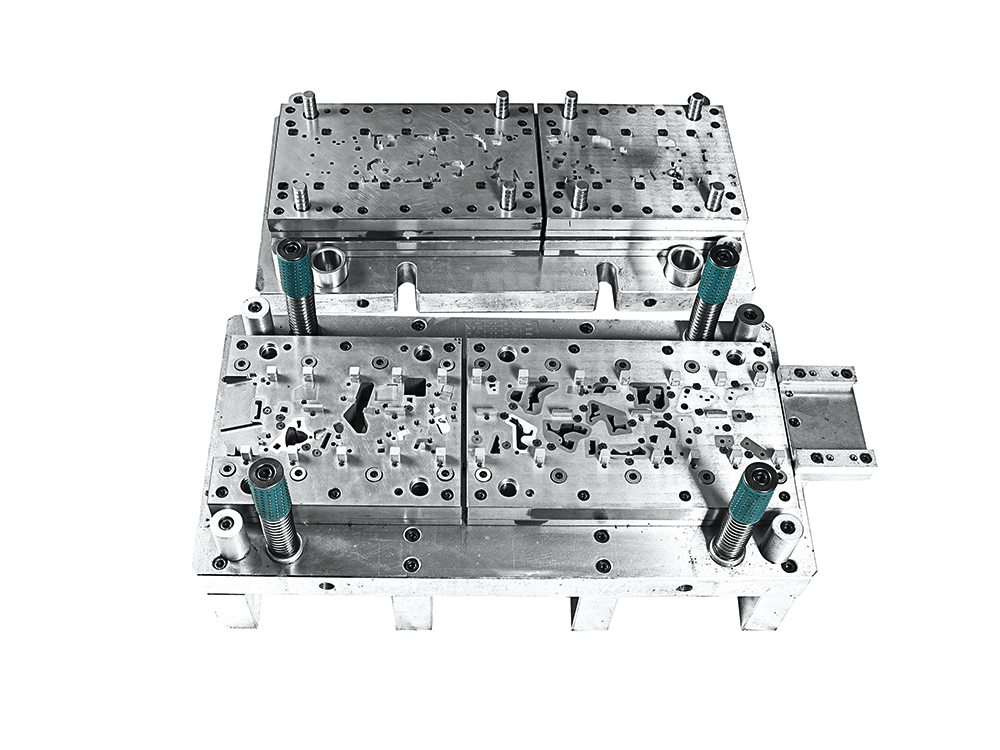
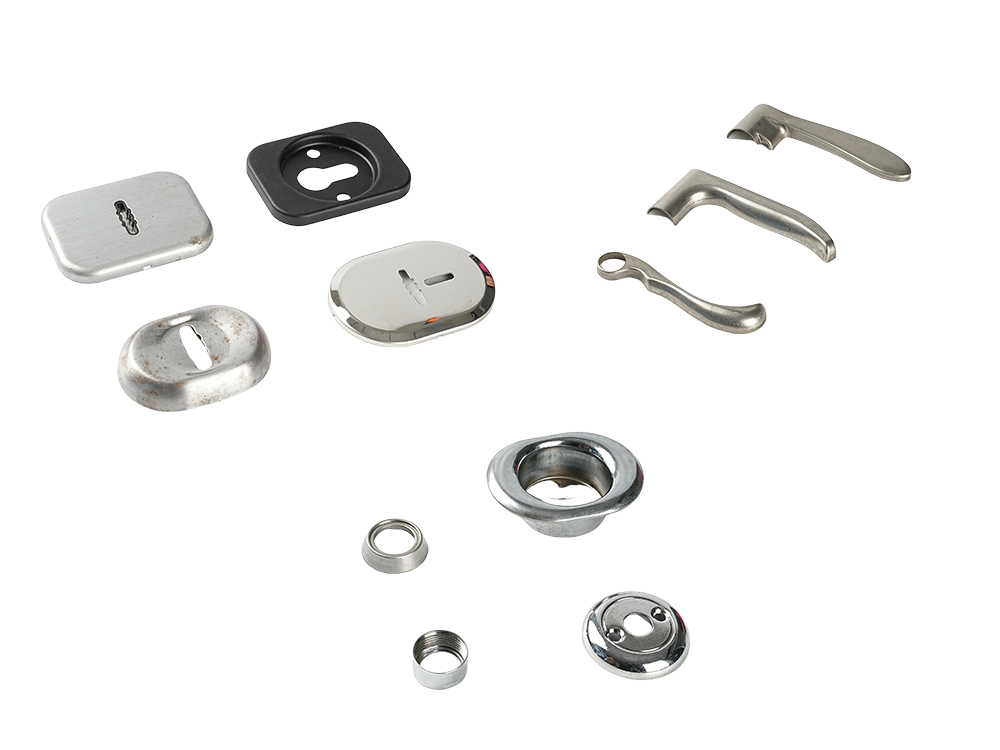
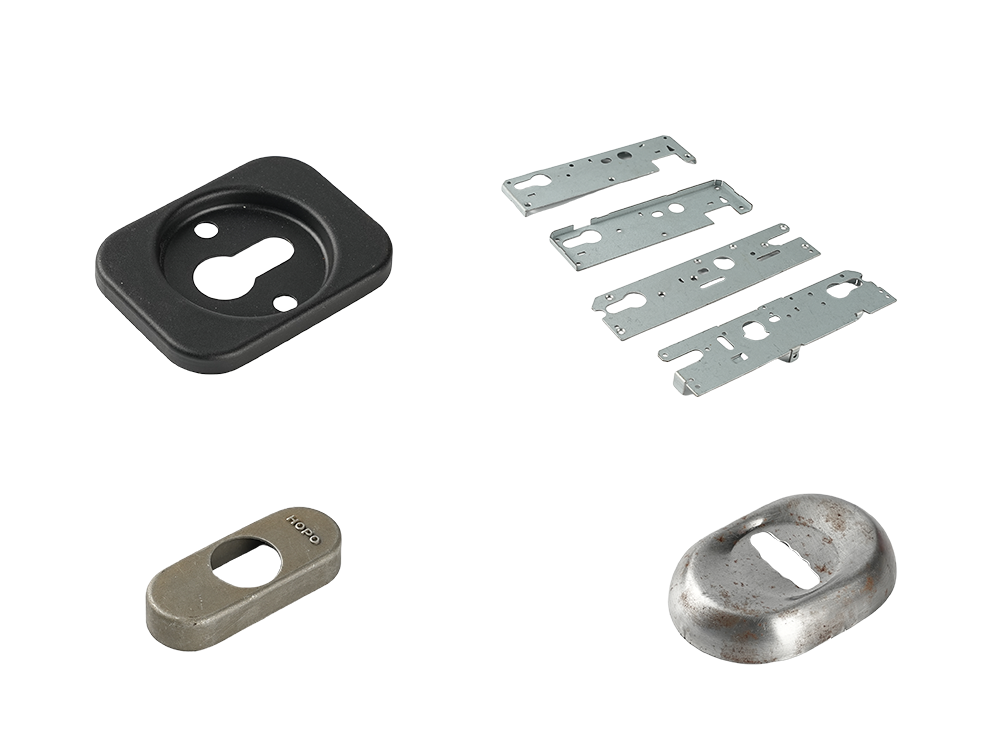
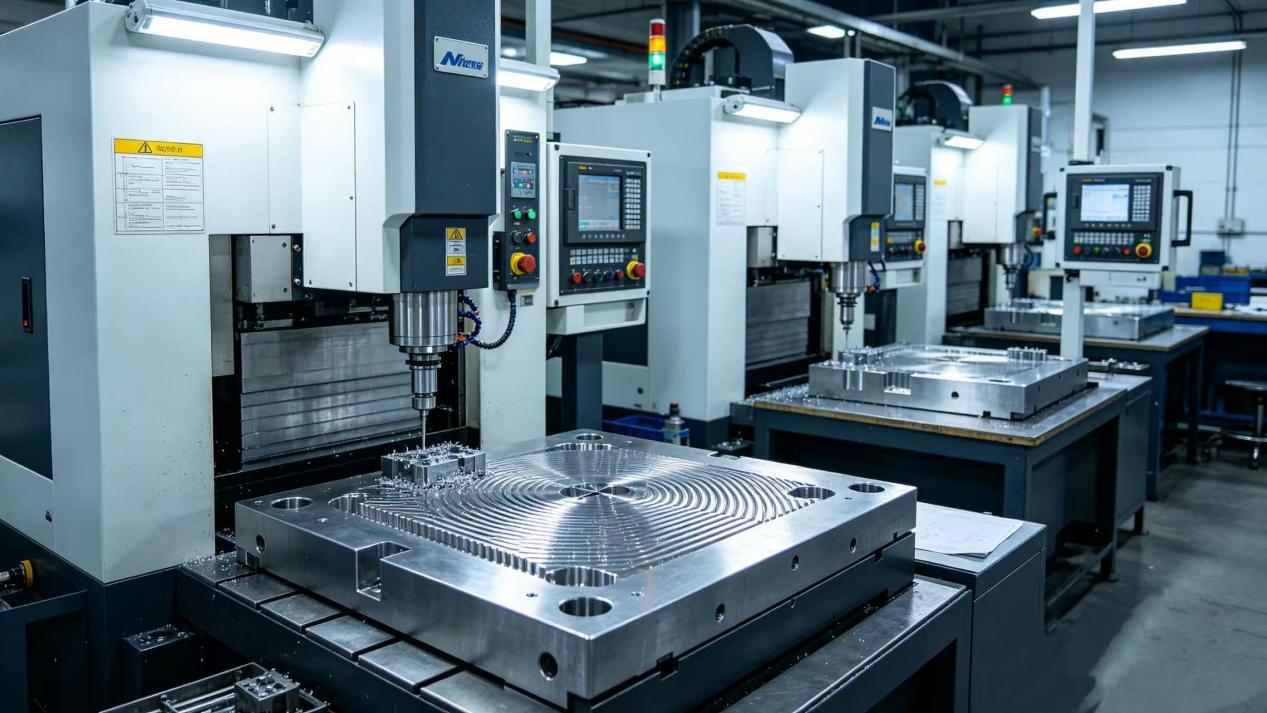
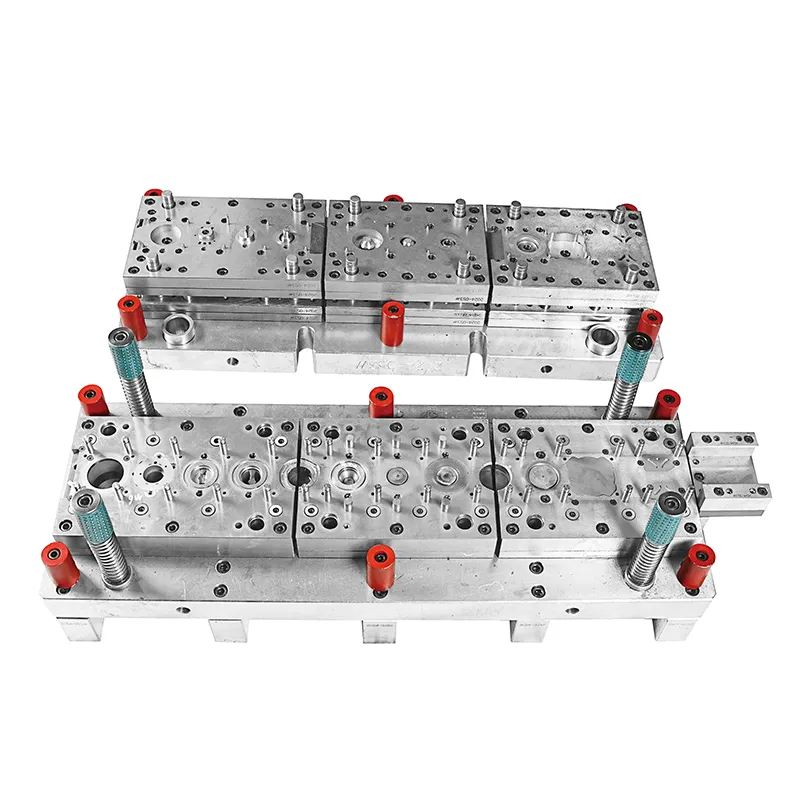
Stamping dies are precision manufacturing tools designed to shape, cut, or form sheet metal and other materials into specific configurations through mechanical or hydraulic press operations. These essential tools consist of two primary components: the punch and the die, which work together to transform flat metal sheets into three-dimensional parts with exceptional accuracy and repeatability. Stamping dies utilize controlled force to perform various operations including blanking, piercing, bending, drawing, and embossing, making them indispensable in modern metalworking industries. The technological features of stamping dies include hardened steel construction for durability, precise alignment systems to ensure consistent part quality, and modular designs that allow for quick changeovers between different production runs. Advanced stamping dies incorporate guide pins, springs, and pilot systems to maintain exact positioning during high-speed operations. These tools can be classified into several categories: progressive dies that perform multiple operations sequentially, compound dies that execute multiple cuts simultaneously, and transfer dies that move parts between stations. Applications for stamping dies span numerous industries including automotive manufacturing for body panels and structural components, electronics production for connectors and housings, appliance manufacturing for panels and brackets, and aerospace engineering for precision components. The versatility of stamping dies enables manufacturers to produce parts ranging from simple washers to complex automotive body panels with remarkable efficiency and consistency.
Popular Products

Investing in quality stamping dies delivers substantial cost savings through high-volume production capabilities that dramatically reduce per-unit manufacturing costs compared to alternative fabrication methods. When you implement stamping dies in your production line, you benefit from exceptional speed that enables thousands of parts to be produced per hour, significantly increasing your output capacity and meeting tight delivery schedules. The consistency offered by stamping dies ensures every manufactured component matches exact specifications with minimal variation, reducing quality control costs and eliminating expensive rework or scrap. Your operational efficiency improves because stamping dies require minimal manual intervention once set up, allowing your workforce to focus on value-added tasks while the automated process handles repetitive forming operations. Material utilization reaches optimal levels as stamping dies can be engineered to nest parts efficiently on sheet stock, minimizing waste and reducing raw material expenses. The durability of properly maintained stamping dies means they can produce millions of parts before requiring replacement, spreading tooling costs across extensive production runs and improving your return on investment. You gain manufacturing flexibility because stamping dies can work with various materials including steel, aluminum, copper, brass, and specialized alloys, adapting to different project requirements without changing your core equipment. Setup and changeover times become manageable with well-designed die systems, enabling you to switch between different part configurations quickly and respond to market demands. The precision inherent in stamping dies eliminates secondary finishing operations for many applications, streamlining your production workflow and reducing handling costs while maintaining tight tolerances that meet demanding engineering specifications.

Tips And Tricks

Precision stamping die

17

Jul

Precision stamping die

View More
Metal stamping parts

17

Jul

Metal stamping parts

View More
Wide application of hardware products

17

Jul

Wide application of hardware products

View More
Industry Trends Analysis: Precision Stamping & Mold Manufacturing 2026

22

Apr

Industry Trends Analysis: Precision Stamping & Mold Manufacturing 2026

View More

Get a Free Quote

Our representative will contact you soon.
Email
WhatsApp
Name
Company Name
Message
0/1000

stamping dies

Superior Production Efficiency and Speed

Superior Production Efficiency and Speed

Stamping dies revolutionize manufacturing throughput by enabling rapid production cycles that far exceed traditional metalworking methods. When your production facility employs stamping dies, each press stroke takes only seconds to complete, allowing for output rates that can reach several hundred parts per minute depending on part complexity and press capacity. This remarkable speed translates directly into increased profitability as you fulfill large orders in compressed timeframes without compromising quality standards. The automated nature of stamping die operations means production continues consistently throughout shifts with minimal downtime, maximizing your equipment utilization rates. Progressive stamping dies particularly excel at efficiency by performing multiple forming operations in a single press stroke, eliminating the need to move parts between different workstations and reducing handling time. Your production planning becomes more predictable because stamping dies deliver consistent cycle times, enabling accurate scheduling and reliable delivery commitments to customers. The combination of speed and automation reduces labor costs per unit while increasing total output, creating a competitive advantage in price-sensitive markets where production efficiency directly impacts profitability and market positioning.
Exceptional Precision and Repeatability

Exceptional Precision and Repeatability

Stamping dies deliver unmatched dimensional accuracy that ensures every manufactured component adheres to exact specifications throughout extended production runs. The rigid construction and precise alignment systems built into quality stamping dies eliminate variations that commonly occur in manual fabrication processes, producing parts with tolerances measured in thousandths of an inch. When you require consistent hole placement, bend angles, or edge profiles across thousands of identical parts, stamping dies provide the reliability that quality-critical applications demand. This precision extends to complex geometries where multiple bends, cuts, and forms must align perfectly within a single component. Your quality assurance processes become more efficient because the inherent repeatability of stamping dies reduces inspection requirements, as statistical sampling can verify that entire production batches meet specifications. The predictable performance of stamping dies minimizes defect rates, protecting your reputation and reducing warranty claims from customers who depend on consistent part quality. Investment in precision stamping dies pays dividends in industries like aerospace, medical devices, and electronics where dimensional accuracy directly impacts product functionality, safety, and regulatory compliance, making them essential tools for manufacturers serving demanding markets.
Versatile Material and Design Capabilities

Versatile Material and Design Capabilities

Stamping dies accommodate an impressive range of materials and part designs, providing manufacturers with flexibility to address diverse application requirements without investing in multiple specialized processes. Your production capabilities expand significantly because stamping dies can process materials from thin foils measuring fractions of a millimeter to heavy-gauge plates several millimeters thick, adapting to different strength and weight specifications. The versatility extends across material types including ferrous metals, non-ferrous alloys, and even some plastics and composites, allowing you to select optimal materials based on performance requirements and cost considerations. Complex part geometries that combine multiple features such as flanges, embossments, cutouts, and formed sections can be produced in single or progressive operations, reducing assembly requirements and part counts in your final products. Stamping dies support various finishing requirements, producing parts with smooth edges, precise holes for fasteners, and formed features that eliminate welding or secondary machining. Your design engineers gain creative freedom because stamping die technology continuously evolves to accommodate increasingly sophisticated part geometries, enabling innovative product designs that balance functionality with manufacturability while maintaining cost-effectiveness across the product lifecycle.

Get a Free Quote

Our representative will contact you soon.
Email
WhatsApp
Name
Company Name
Message
0/1000