Metal Stamping Dies - Precision Manufacturing Tools

All Categories

metal stamping dies

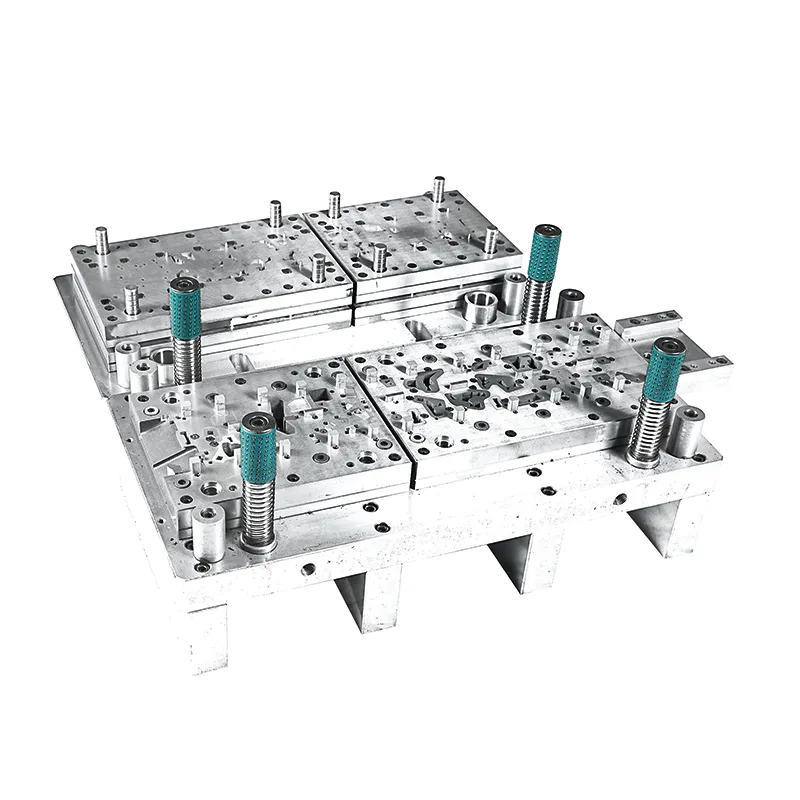
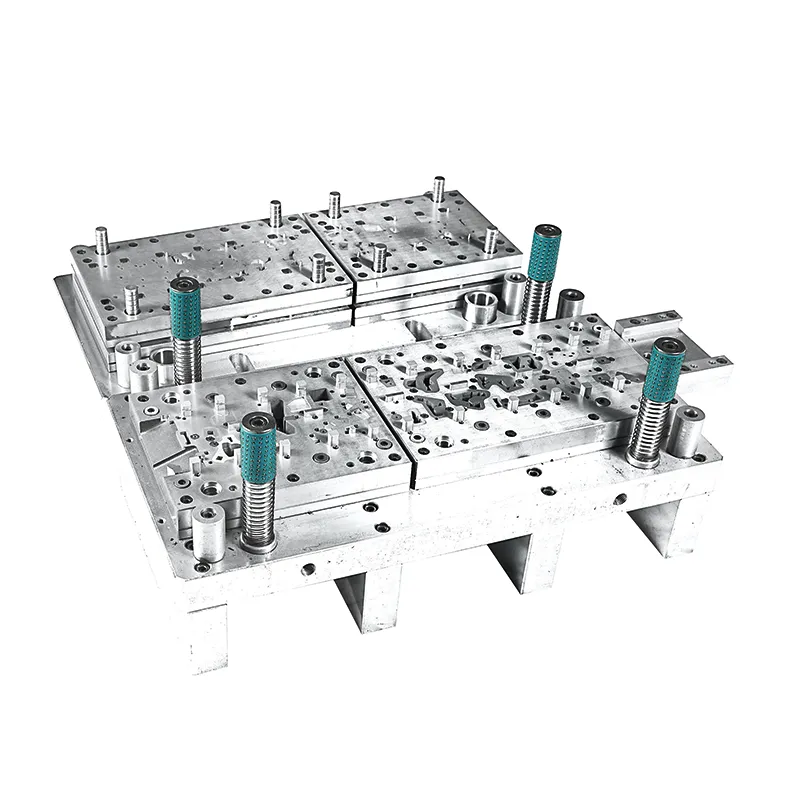
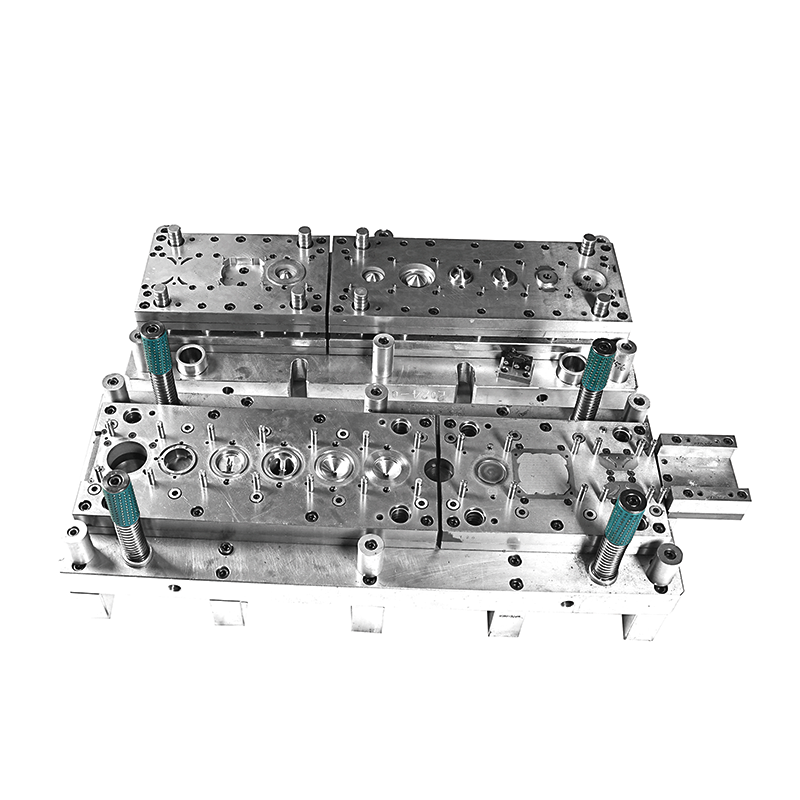
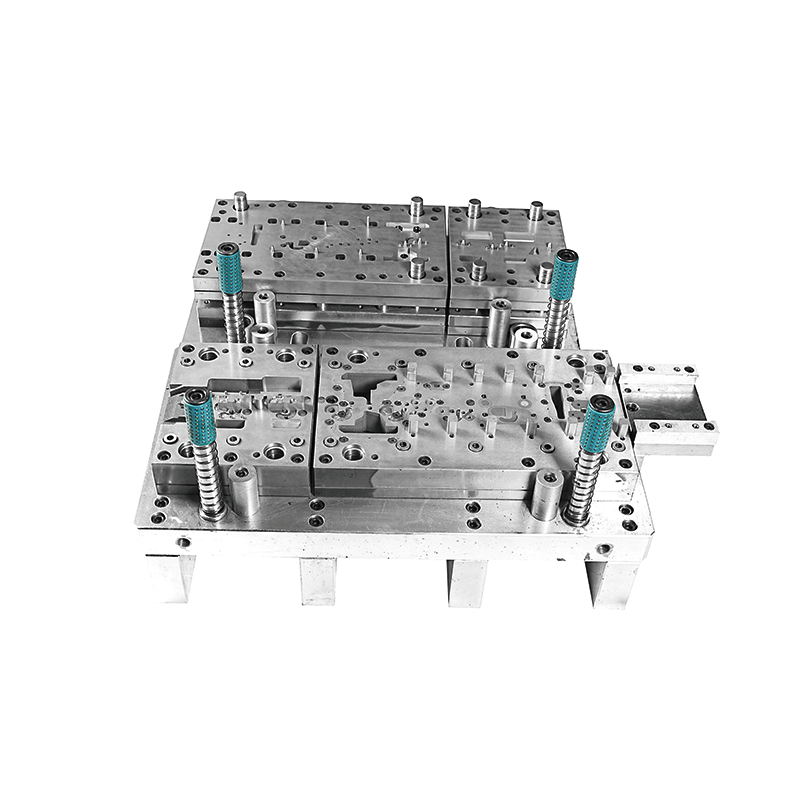
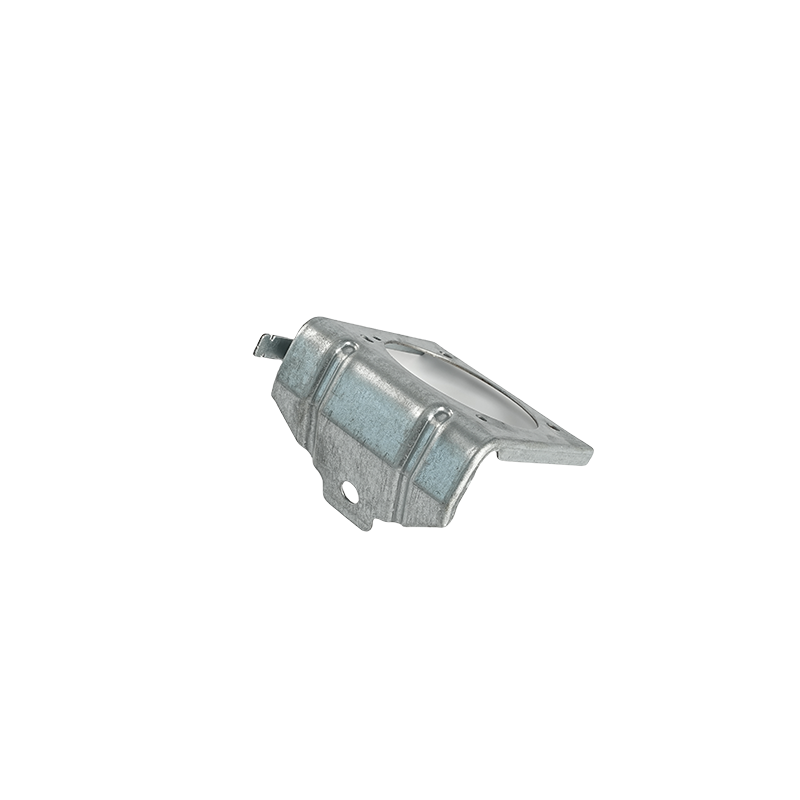
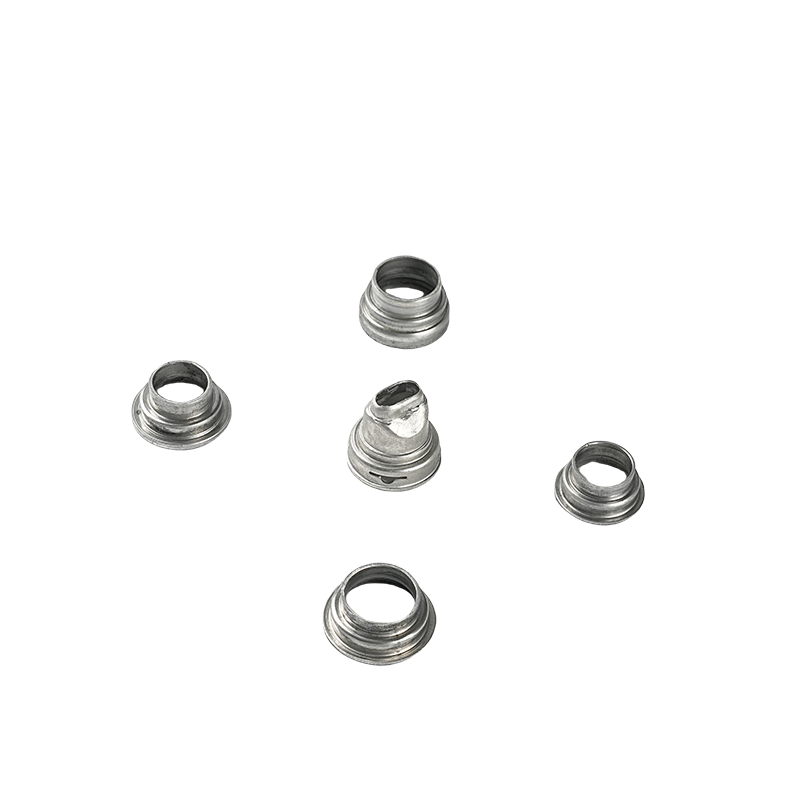
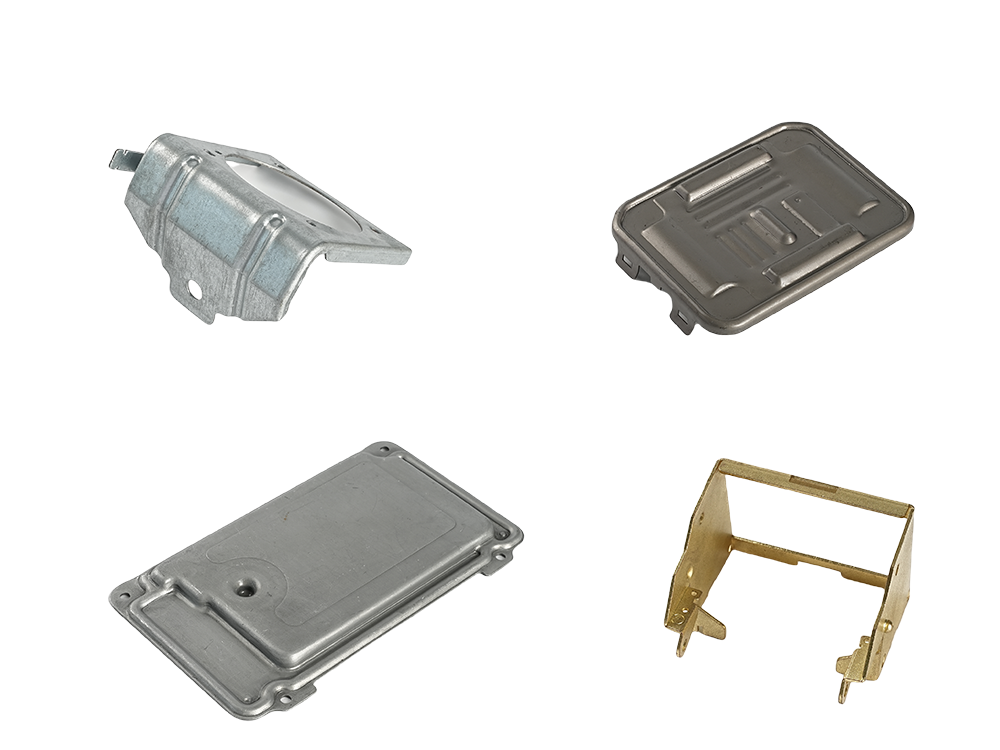
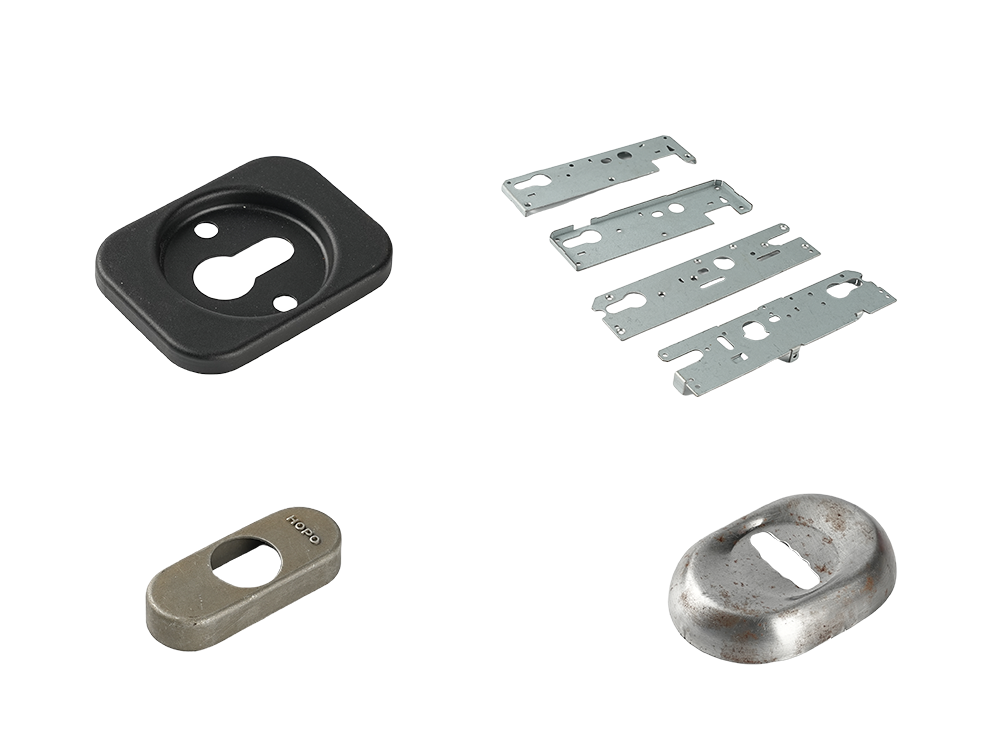
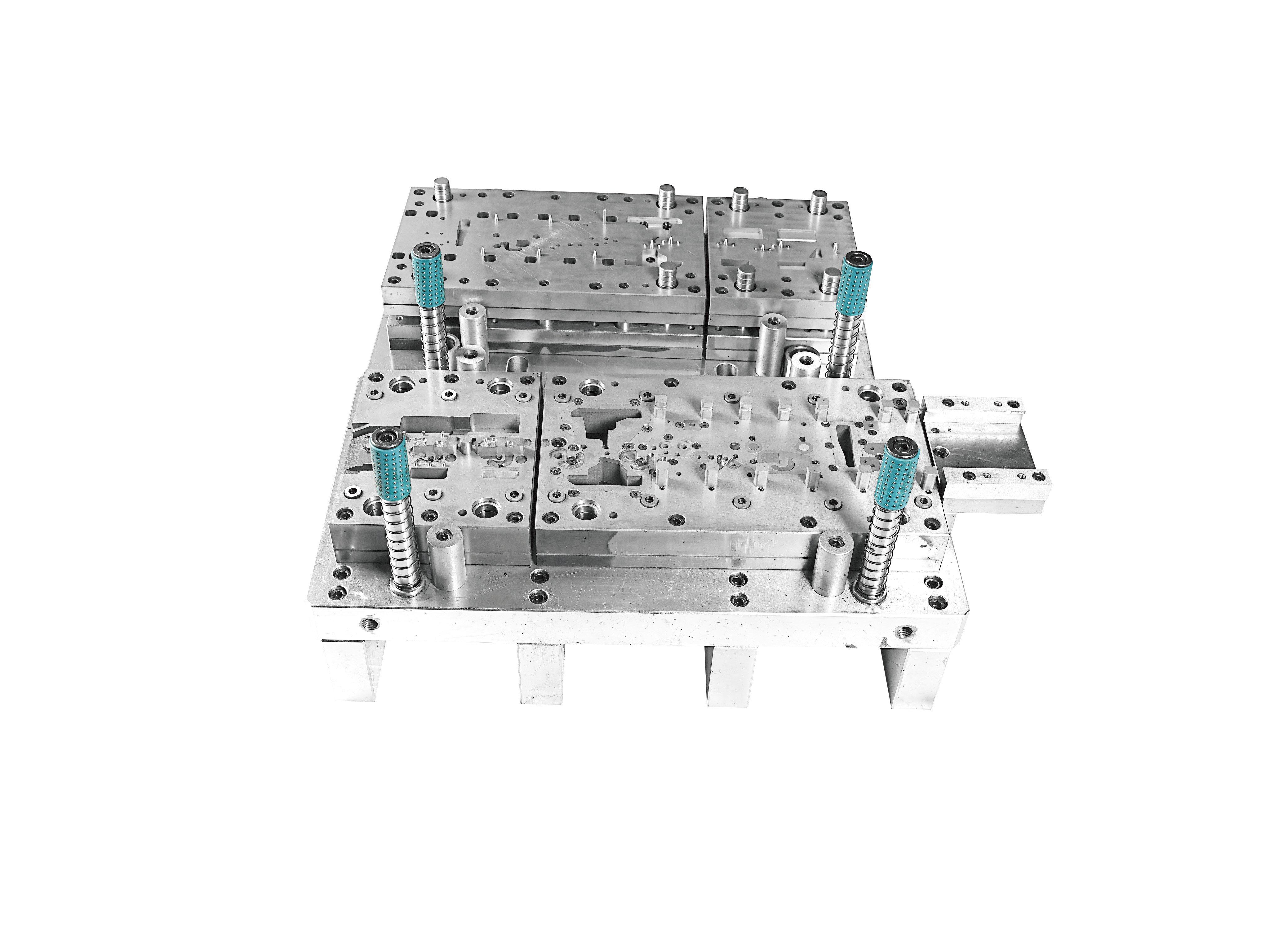
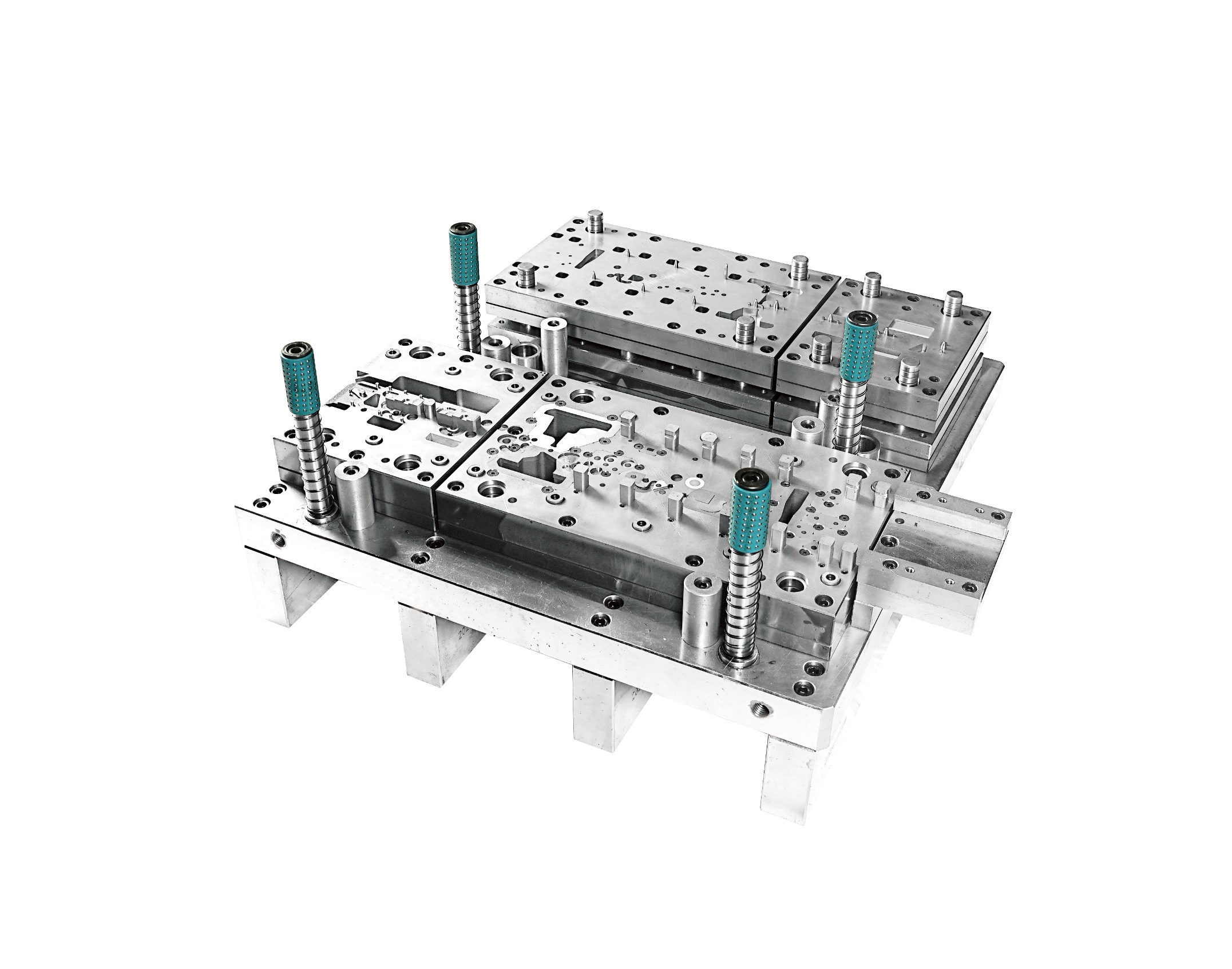
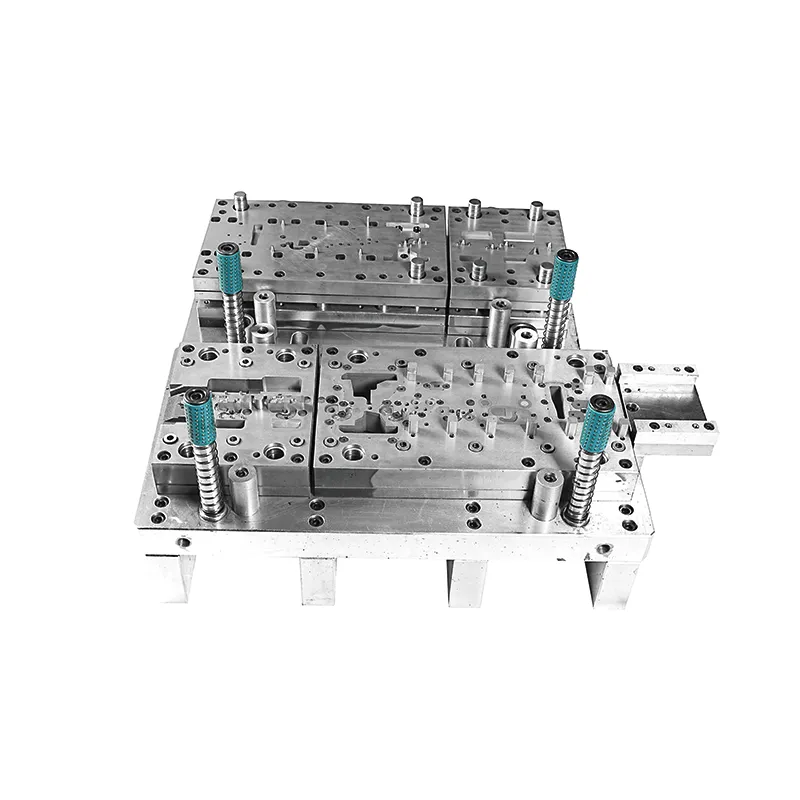
Metal stamping dies are precision-engineered tools designed to shape, cut, pierce, and form sheet metal into specific components through high-pressure stamping operations. These dies consist of carefully machined steel components that work in tandem with stamping presses to transform flat metal blanks into three-dimensional parts with exceptional accuracy. The technology behind metal stamping dies enables manufacturers to produce complex geometries, intricate patterns, and consistent parts at high volumes. Metal stamping dies incorporate various components including punch sections, die blocks, stripper plates, and guide systems that ensure precise alignment during each stamping cycle. The main functions encompass blanking operations that cut outer shapes, piercing to create holes, bending for angular formations, drawing to produce deep cavities, and coining for detailed surface features. Modern metal stamping dies utilize advanced materials like hardened tool steel and carbide inserts to withstand millions of stamping cycles while maintaining dimensional integrity. Applications span automotive body panels, electronic enclosures, appliance components, aerospace brackets, medical device housings, and consumer products. The technological features of metal stamping dies include progressive die systems that perform multiple operations sequentially, transfer dies for large complex parts, and compound dies that execute several processes simultaneously. Manufacturing sectors rely on metal stamping dies to achieve tight tolerances, reduce material waste, and maintain cost-effective production. The versatility of these tools allows customization for specific material types including aluminum, stainless steel, copper, and titanium alloys, making them indispensable in modern manufacturing environments.
Popular Products

Investing in quality metal stamping dies delivers substantial cost savings through high-speed production capabilities that dramatically reduce per-unit manufacturing expenses compared to alternative fabrication methods. The repeatability inherent in metal stamping dies ensures every part meets exact specifications, eliminating costly variations and reducing rejection rates that drain profitability. Your production efficiency multiplies because metal stamping dies operate continuously with minimal downtime, producing thousands of identical components per hour while maintaining consistent quality standards. Material utilization improves significantly as metal stamping dies optimize nesting patterns and minimize scrap, directly lowering raw material costs and supporting sustainability initiatives. The durability of properly maintained metal stamping dies translates to extended tool life spanning millions of cycles, spreading initial investment costs across substantial production volumes. Operational flexibility allows quick changeovers between different metal stamping dies, enabling manufacturers to respond rapidly to market demands and product variations without extensive retooling delays. Labor requirements decrease substantially because automated stamping processes using metal stamping dies require fewer operators than manual fabrication methods, reducing ongoing labor expenses. Design versatility empowers engineers to create complex geometries and integrated features that would require multiple manufacturing steps with other technologies, consolidating operations and reducing assembly requirements. The precision of metal stamping dies supports tight tolerance requirements essential for functional assemblies, eliminating secondary machining operations that add time and cost. Quality consistency builds customer confidence as metal stamping dies produce parts with uniform dimensions, surface finishes, and mechanical properties batch after batch. Scalability advantages become apparent when production volumes increase, as metal stamping dies accommodate rapid scaling without proportional cost increases, making them ideal for both prototype runs and mass production scenarios.

Practical Tips

Sheet Metal Stamping Manufacturers

17

Jul

Sheet Metal Stamping Manufacturers

View More
Wide application of hardware products

17

Jul

Wide application of hardware products

View More
Various applications of precision molds

17

Jul

Various applications of precision molds

View More
Progressive Dies: The Key Force Promoting Efficient and Precise Production in Modern Manufacturing

14

Aug

Progressive Dies: The Key Force Promoting Efficient and Precise Production in Modern Manufacturing

View More

Get a Free Quote

Our representative will contact you soon.
Email
WhatsApp
Name
Company Name
Message
0/1000

metal stamping dies

Unmatched Production Speed and Volume Capacity

Unmatched Production Speed and Volume Capacity

Metal stamping dies revolutionize manufacturing throughput by enabling extraordinary production speeds that traditional fabrication methods cannot match. Modern stamping presses equipped with precision metal stamping dies operate at rates exceeding 1,200 strokes per minute, transforming raw sheet metal into finished components at breathtaking speeds. This velocity advantage becomes particularly valuable when fulfilling large-order commitments or meeting tight delivery schedules that determine competitive positioning. The continuous operation capability of metal stamping dies allows manufacturers to run multiple shifts without tool degradation, maximizing equipment utilization and return on capital investment. High-volume production scenarios benefit exponentially as the per-piece cycle time drops to mere seconds, making metal stamping dies the economically superior choice for orders ranging from tens of thousands to millions of units. The rapid production capacity reduces inventory carrying costs by enabling just-in-time manufacturing strategies that align production schedules with actual demand patterns. Manufacturing facilities leveraging metal stamping dies gain strategic flexibility to accept rush orders and respond to market fluctuations without sacrificing quality or incurring premium costs associated with expedited fabrication methods.
Exceptional Dimensional Accuracy and Repeatability

Exceptional Dimensional Accuracy and Repeatability

The engineering precision built into metal stamping dies guarantees dimensional consistency that meets the most demanding quality specifications across entire production runs. Advanced metal stamping dies incorporate precise guide systems, hardened wear surfaces, and optimized clearances that maintain tolerances within micrometers even after millions of stamping cycles. This repeatability eliminates the dimensional drift common in manual processes, ensuring the first part matches the millionth part with virtually identical measurements. Critical features such as hole positions, bend angles, and profile contours remain stable throughout production, reducing inspection requirements and supporting statistical process control initiatives. The inherent accuracy of metal stamping dies minimizes secondary operations like deburring, trimming, or machining that add cost and complexity to manufacturing workflows. Assembly operations downstream benefit tremendously from the dimensional consistency of stamped components, as parts fit together predictably without adjustment or rework. Quality assurance teams spend less time troubleshooting dimensional issues when metal stamping dies produce parts within specification limits consistently. The precision advantage translates directly to reduced warranty claims, lower field failure rates, and enhanced brand reputation in markets where reliability determines customer loyalty and repeat business opportunities.
Material Versatility and Design Flexibility

Material Versatility and Design Flexibility

Metal stamping dies accommodate an impressive range of materials and thicknesses, providing manufacturers with exceptional flexibility to optimize component specifications for performance and cost objectives. From soft metals like aluminum and copper to challenging materials including stainless steel, titanium, and high-strength alloys, properly designed metal stamping dies handle diverse material properties with consistent results. The adaptability extends to varying material thicknesses within the same die system, allowing production flexibility without complete tool redesign. Complex three-dimensional geometries, integrated mounting features, embossed identifications, and functional elements combine in single stamping operations when metal stamping dies incorporate progressive or compound configurations. Design engineers leverage this flexibility to consolidate multiple components into single stamped parts, reducing assembly steps, fastener requirements, and overall product complexity. The capability to form, pierce, emboss, and coin within one die system accelerates product development cycles by eliminating coordination between multiple manufacturing processes. Prototype iterations proceed efficiently as metal stamping dies can be modified incrementally to refine designs based on testing feedback. Material selection flexibility empowers purchasing departments to source competitive materials while maintaining production schedules, as metal stamping dies adjust to supplier variations within material specification ranges. This versatility supports innovation and continuous improvement initiatives that differentiate products in competitive markets.

Get a Free Quote

Our representative will contact you soon.
Email
WhatsApp
Name
Company Name
Message
0/1000