Automotive Stamping Dies - Precision Tooling

All Categories

automotive stamping dies

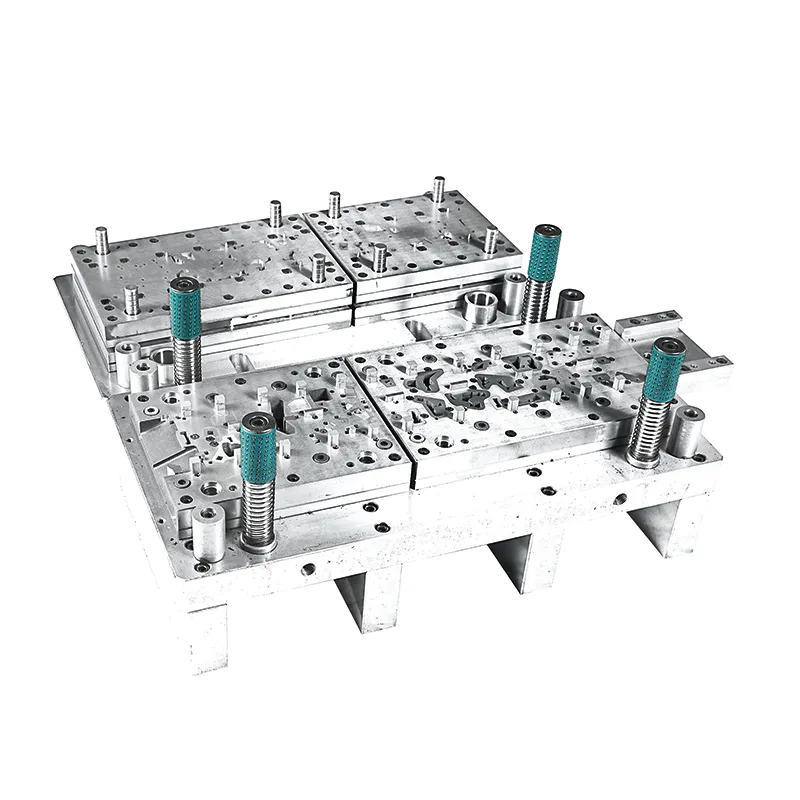
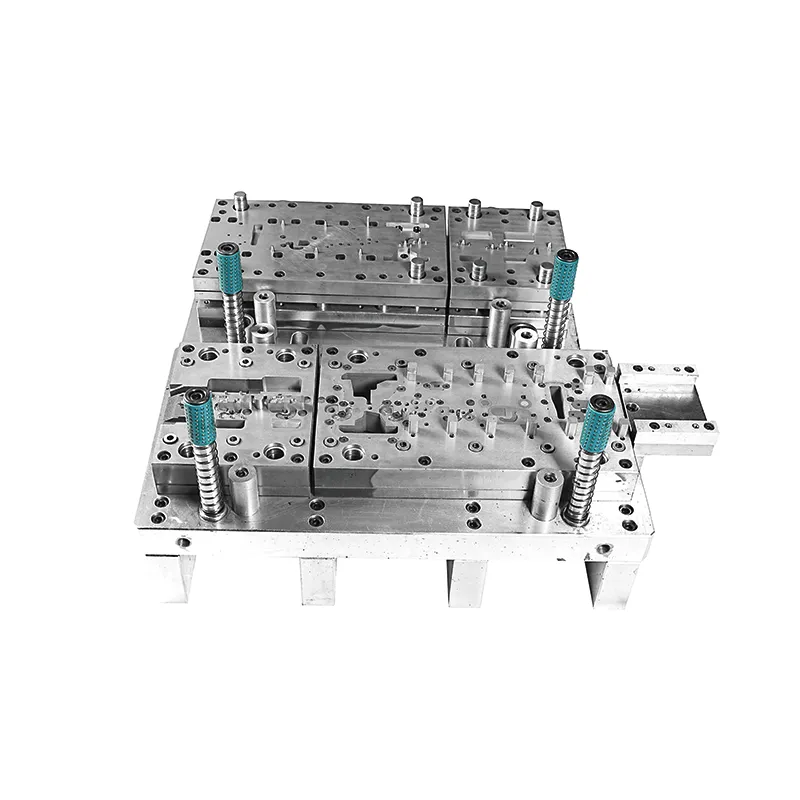
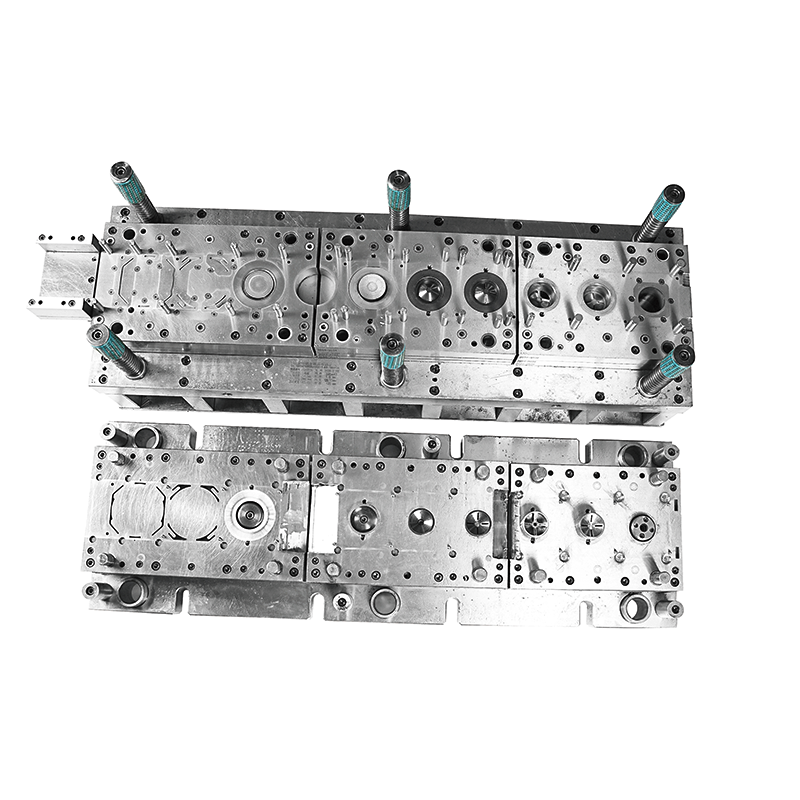
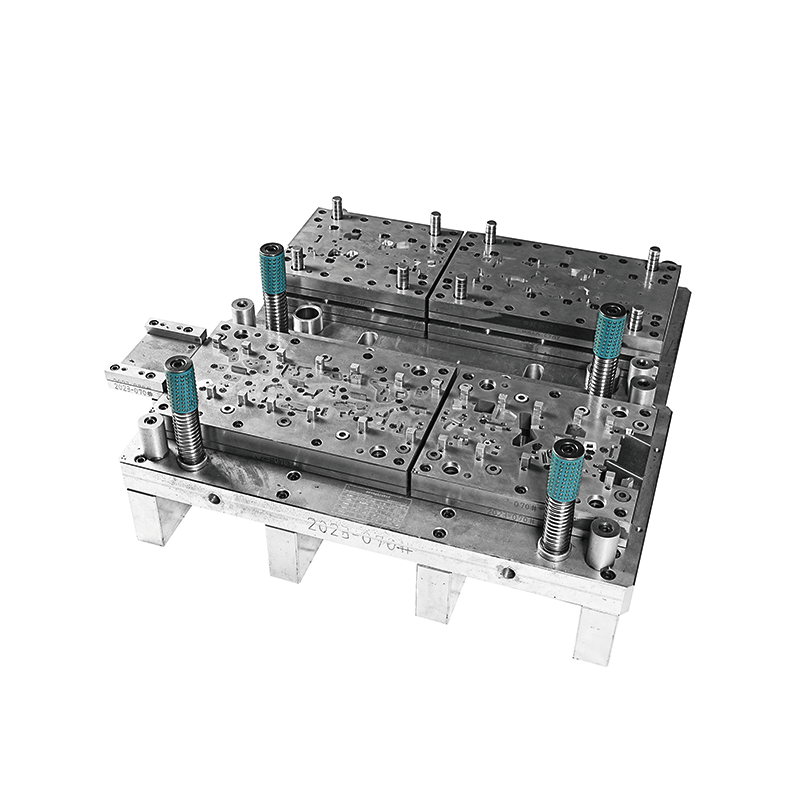
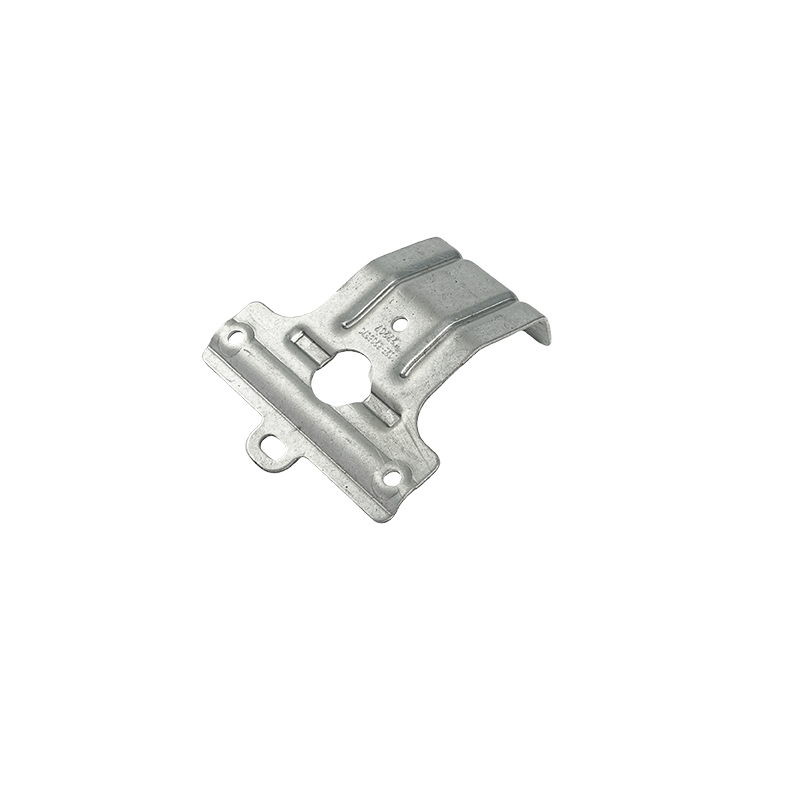
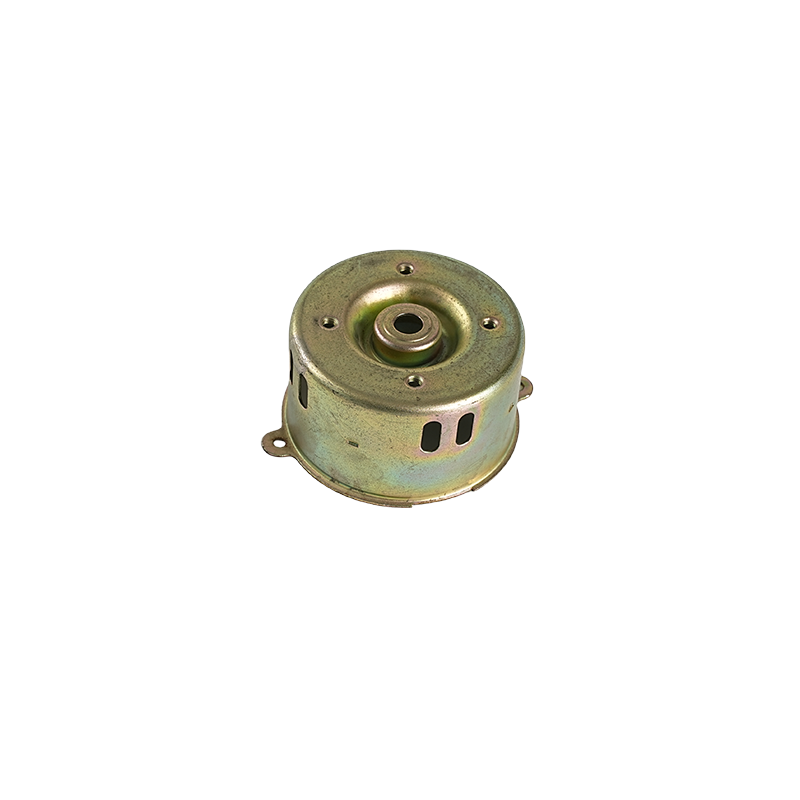
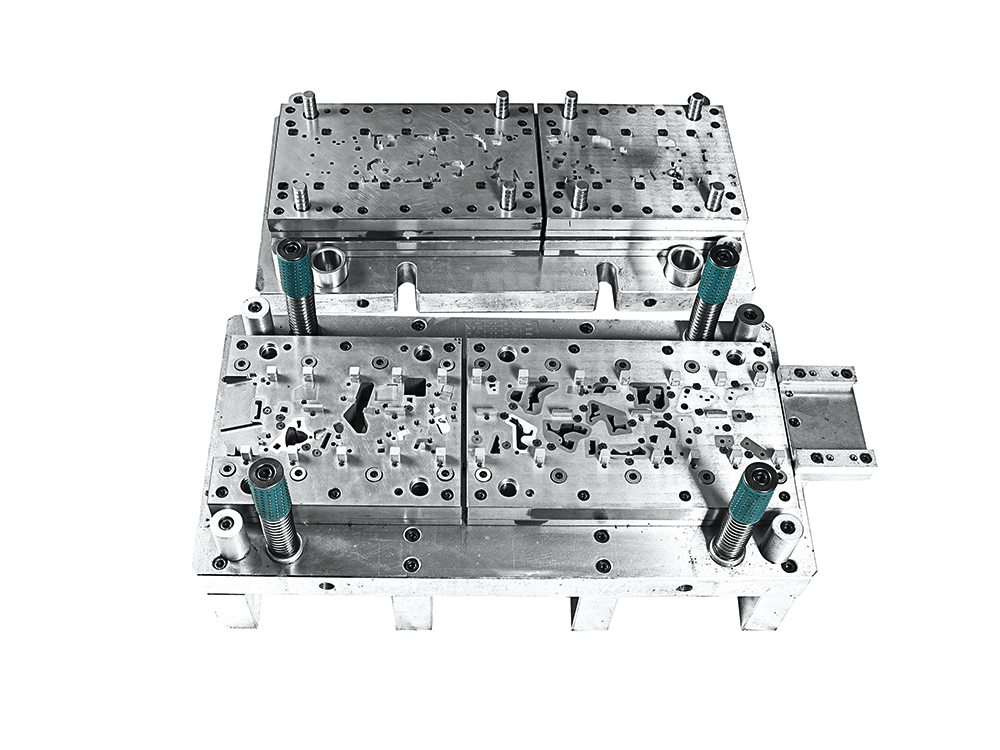
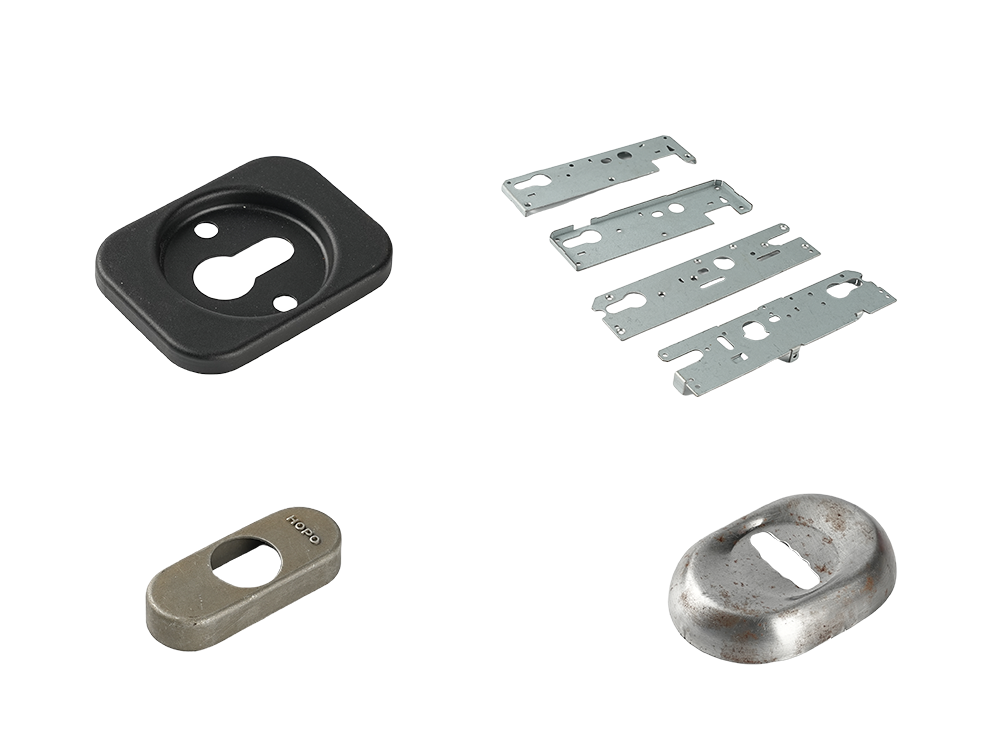
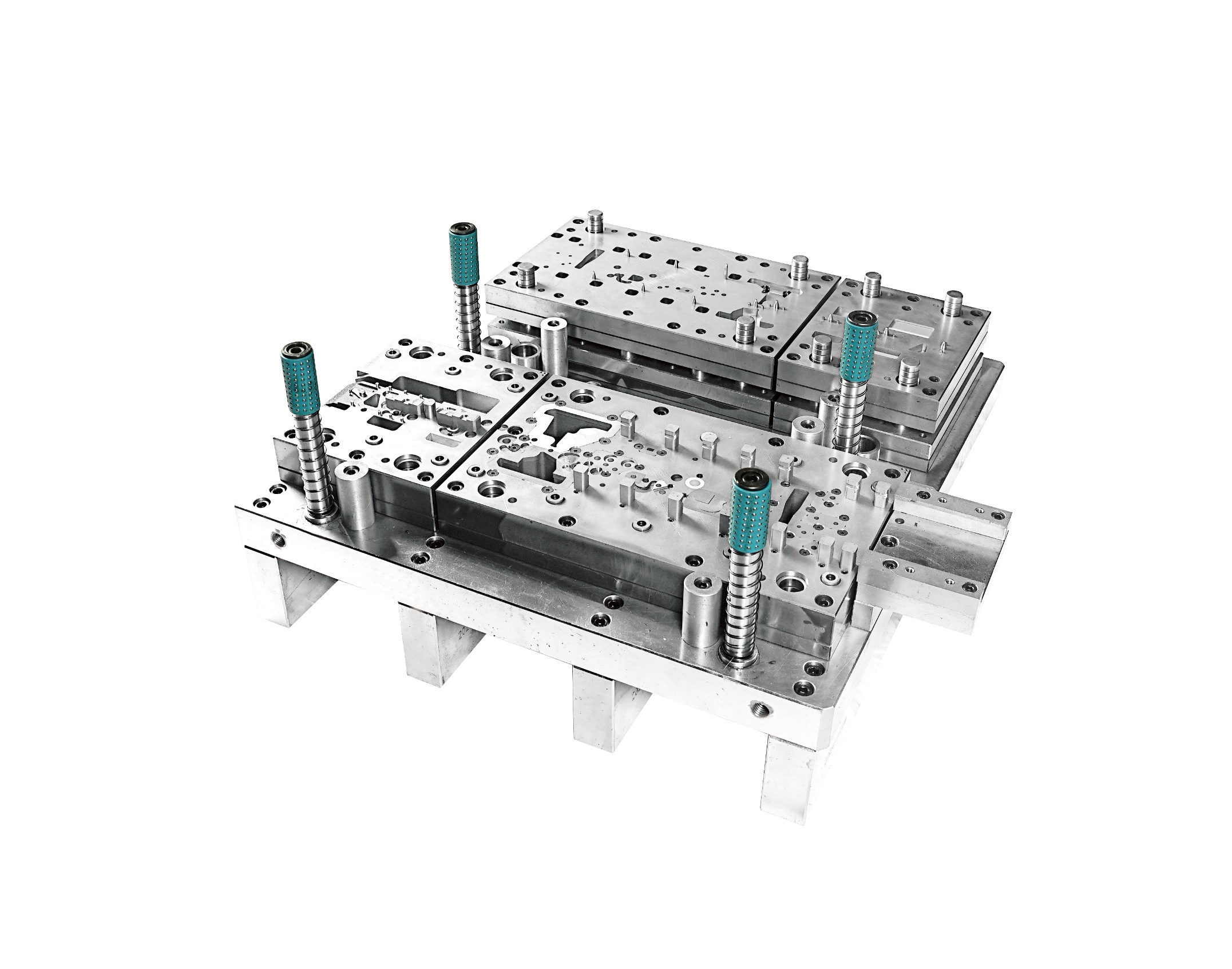
Automotive stamping dies are precision-engineered tools designed to shape, cut, and form sheet metal components used in vehicle manufacturing. These specialized dies operate under high pressure within stamping presses, transforming flat metal sheets into complex three-dimensional parts such as body panels, doors, hoods, fenders, and structural reinforcements. The primary functions include blanking, piercing, bending, drawing, and forming operations that create exact specifications required for modern vehicles. Automotive stamping dies feature hardened steel construction with precisely machined cavities and punches that ensure consistent part quality across millions of production cycles. Advanced technological features include progressive die designs that perform multiple operations in sequence, transfer dies for large complex parts, and compound dies for simultaneous cutting and forming. Computer-aided design and manufacturing technologies enable intricate geometries and tight tolerances essential for proper fitment and safety performance. These dies incorporate wear-resistant materials, sophisticated cooling systems, and precision alignment mechanisms to maintain dimensional accuracy throughout extended production runs. Applications span the entire automotive industry, from passenger vehicles and commercial trucks to electric vehicles and specialty automotive equipment. Automotive stamping dies serve original equipment manufacturers, tier-one suppliers, and aftermarket parts producers who require high-volume production capabilities with minimal variation. The tooling supports both prototype development and mass production scenarios, adapting to various metal alloys including steel, aluminum, and advanced high-strength materials that meet contemporary vehicle weight reduction and safety standards.

New Product Recommendations

Investing in quality automotive stamping dies delivers substantial cost savings through high-speed production capabilities that dramatically reduce per-part manufacturing expenses compared to alternative forming methods. These dies enable manufacturers to produce thousands of identical components daily with exceptional repeatability, ensuring every part meets exact specifications without constant adjustments or quality control interventions. The operational efficiency stems from automated press systems that require minimal labor oversight once production parameters are established, allowing your workforce to focus on value-added activities rather than manual fabrication tasks. Automotive stamping dies provide remarkable material utilization rates by optimizing blank layouts and minimizing scrap generation, directly improving your bottom line through reduced raw material costs. The durability of properly maintained automotive stamping dies translates to years of reliable service, with many toolsets achieving millions of cycles before requiring significant refurbishment, protecting your capital investment over extended periods. These dies adapt to various production volumes, offering flexibility for both pilot runs and full-scale manufacturing campaigns without compromising part quality or dimensional consistency. The precision inherent in automotive stamping dies eliminates secondary operations like trimming or additional forming steps, streamlining your manufacturing workflow and reducing cycle times. Quality automotive stamping dies produce components with superior surface finishes and structural integrity that meet stringent automotive industry standards for safety, fit, and appearance. The technology supports rapid changeovers between different part designs when using modular die systems, enhancing your facility's responsiveness to customer demands and market fluctuations. Automotive stamping dies integrate seamlessly with modern manufacturing execution systems, providing real-time production data that supports continuous improvement initiatives and predictive maintenance strategies that prevent costly downtime.

Practical Tips

Precision stamping die

17

Jul

Precision stamping die

View More
Wide application of hardware products

17

Jul

Wide application of hardware products

View More
Progressive Dies: The Key Force Promoting Efficient and Precise Production in Modern Manufacturing

14

Aug

Progressive Dies: The Key Force Promoting Efficient and Precise Production in Modern Manufacturing

View More
Industry Trends Analysis: Precision Stamping & Mold Manufacturing 2026

22

Apr

Industry Trends Analysis: Precision Stamping & Mold Manufacturing 2026

View More

Get a Free Quote

Our representative will contact you soon.
Email
WhatsApp
Name
Company Name
Message
0/1000

automotive stamping dies

Precision Engineering for Complex Automotive Geometries

Precision Engineering for Complex Automotive Geometries

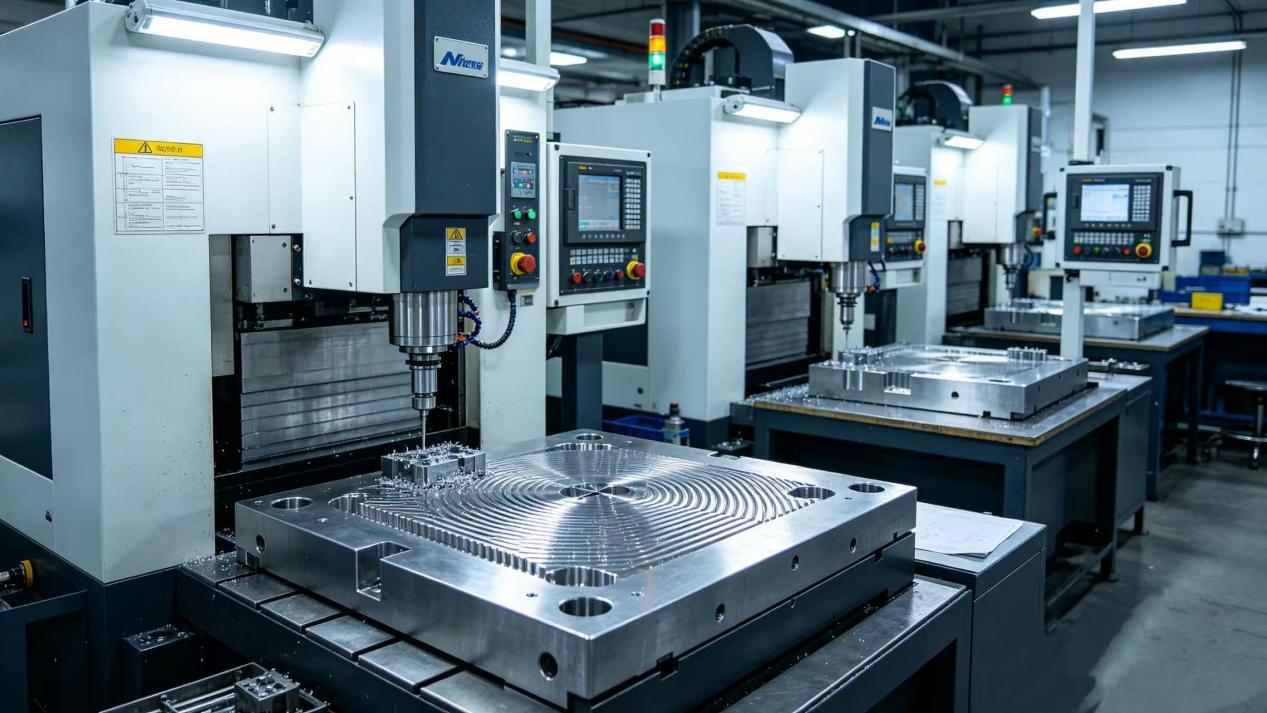
Automotive stamping dies incorporate advanced engineering principles that enable the creation of intricate three-dimensional shapes required for modern vehicle designs. The precision machining processes used to manufacture these dies achieve tolerances within microns, ensuring that every stamped component fits perfectly within vehicle assemblies without gaps or alignment issues. This level of accuracy proves especially critical for visible body panels where aesthetic appearance directly impacts customer satisfaction and brand perception. The die surfaces undergo specialized heat treatment and coating processes that maintain dimensional stability under extreme forming pressures and repetitive thermal cycling. Engineers design automotive stamping dies using sophisticated finite element analysis software that predicts metal flow behavior, springback characteristics, and potential defect formation before physical tooling production begins. This predictive capability minimizes expensive trial-and-error iterations and accelerates time-to-market for new vehicle programs. The geometric complexity achievable with automotive stamping dies includes compound curves, flanges, embossments, and integrated reinforcement features that would be impossible or economically unfeasible using manual fabrication techniques. Progressive and transfer die configurations allow sequential forming operations that gradually shape metal through controlled stages, preventing material failure while achieving deep draws and sharp radii that characterize contemporary automotive styling.
Superior Production Economics and Manufacturing Efficiency

Superior Production Economics and Manufacturing Efficiency

Automotive stamping dies represent the most cost-effective solution for high-volume component production, with cycle times measured in seconds rather than minutes required by alternative manufacturing processes. Once installed and validated, these dies operate continuously with minimal intervention, producing consistent parts at rates exceeding several hundred pieces per hour depending on component complexity and press specifications. The economic advantages become particularly apparent when production quantities reach tens of thousands of units, where the initial tooling investment amortizes across the part volume, resulting in remarkably low per-unit costs. Material efficiency inherent in stamping operations maximizes usable metal from each coil or blank, with sophisticated nesting algorithms minimizing waste and supporting sustainability objectives. Automotive stamping dies enable lights-out manufacturing scenarios where automated press lines run unattended during off-shifts, multiplying production capacity without proportional increases in labor costs. The repeatable nature of die stamping eliminates variation associated with manual processes, reducing scrap rates and rework expenses while ensuring every component meets quality specifications. Rapid die changes facilitated by standardized mounting systems and quick-lock mechanisms allow manufacturers to switch between different parts within minutes, supporting flexible manufacturing strategies and just-in-time production philosophies that minimize inventory carrying costs.
Long-Term Durability and Consistent Quality Output

Long-Term Durability and Consistent Quality Output

Automotive stamping dies constructed from premium tool steels and subjected to rigorous heat treatment processes deliver exceptional service life that extends across multiple production campaigns and vehicle generations. The hardened die surfaces resist wear from abrasive contact with metal blanks, maintaining critical dimensions and surface finish characteristics throughout millions of stamping cycles. Proper maintenance protocols including regular inspection, lubrication, and minor reconditioning extend die longevity further, protecting the substantial capital investment required for complex tooling. The consistency achieved with automotive stamping dies ensures that components produced at the beginning of a production run remain dimensionally identical to those manufactured months or years later, critical for maintaining interchangeability in assembly operations and aftermarket service parts availability. Quality automotive stamping dies incorporate design features like spring-loaded pressure pads, guided stripper plates, and precision pilot systems that automatically compensate for minor variations in material thickness or mechanical properties, maintaining part quality despite inevitable fluctuations in incoming raw materials. This built-in process stability reduces quality control requirements and inspection frequency, lowering overall manufacturing costs while providing confidence that every stamped component will perform its intended function. The predictable performance of automotive stamping dies supports lean manufacturing initiatives by eliminating special causes of variation and enabling statistical process control methods that drive continuous quality improvement.

Get a Free Quote

Our representative will contact you soon.
Email
WhatsApp
Name
Company Name
Message
0/1000