Custom Metal Stamping Dies - Precision Tooling

All Categories

custom metal stamping dies

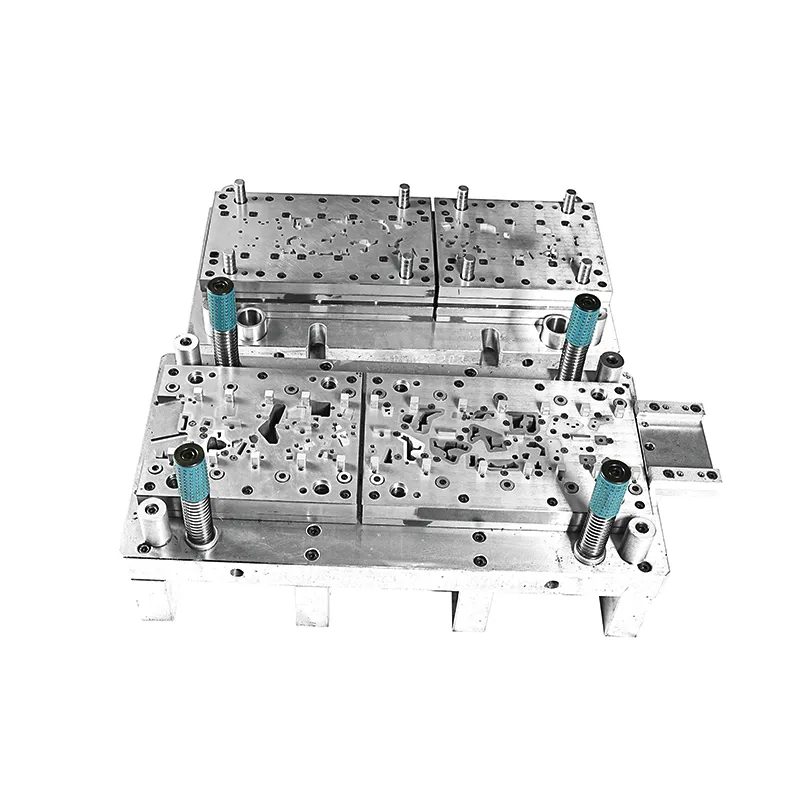
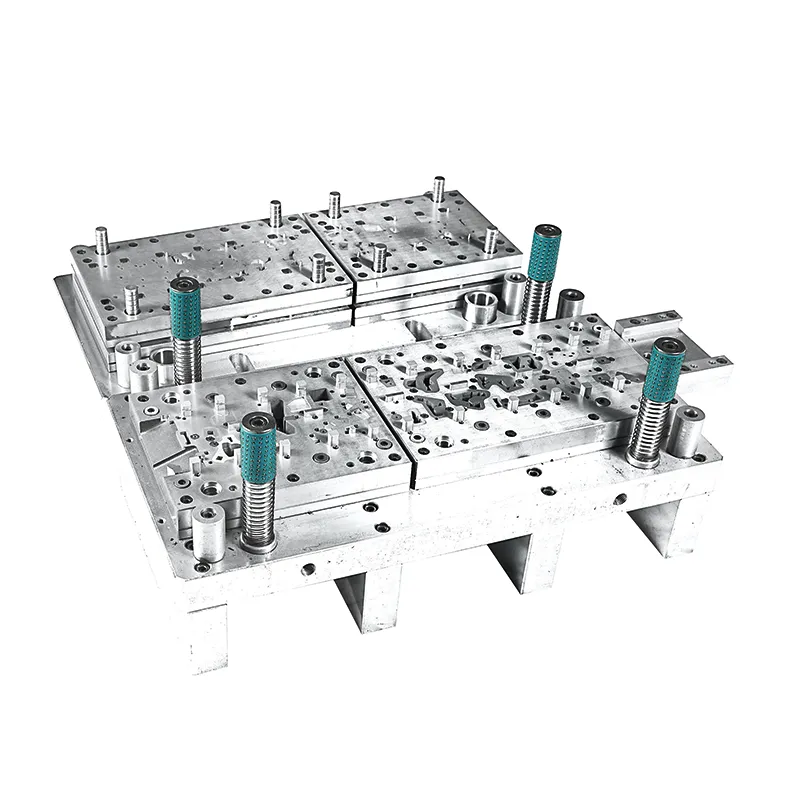
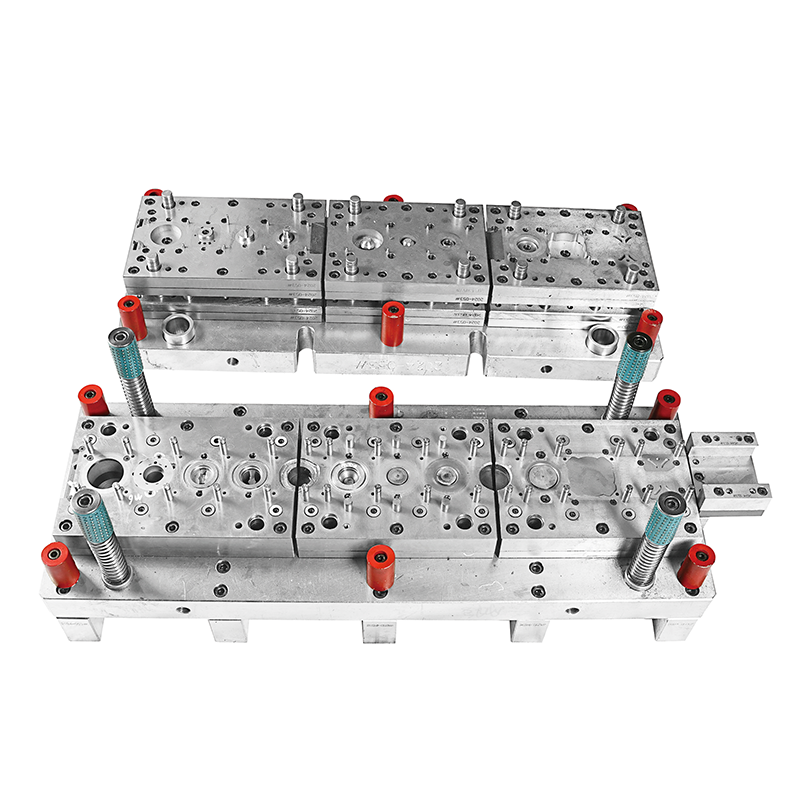
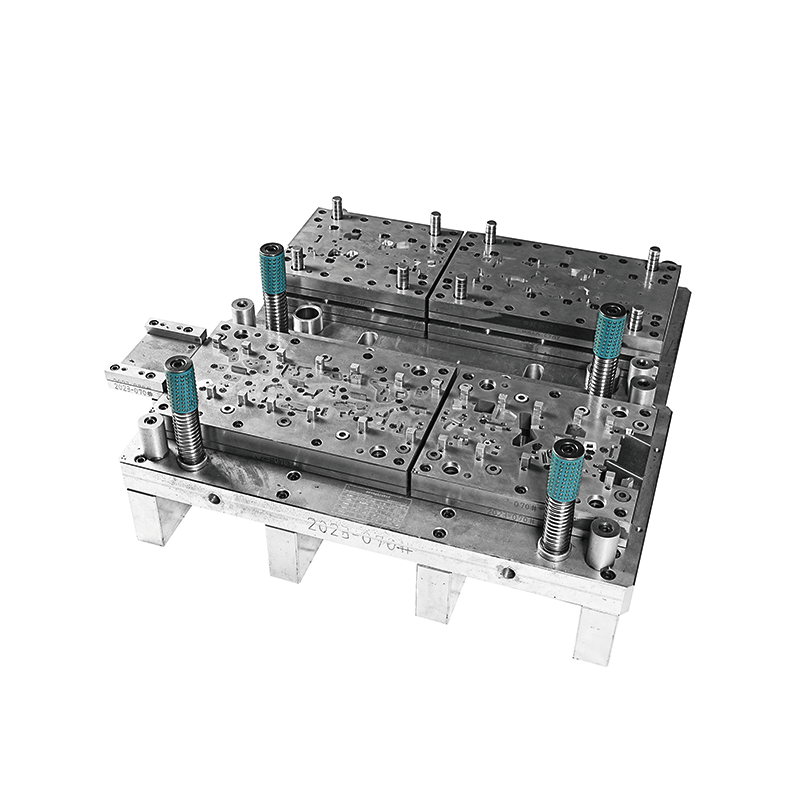
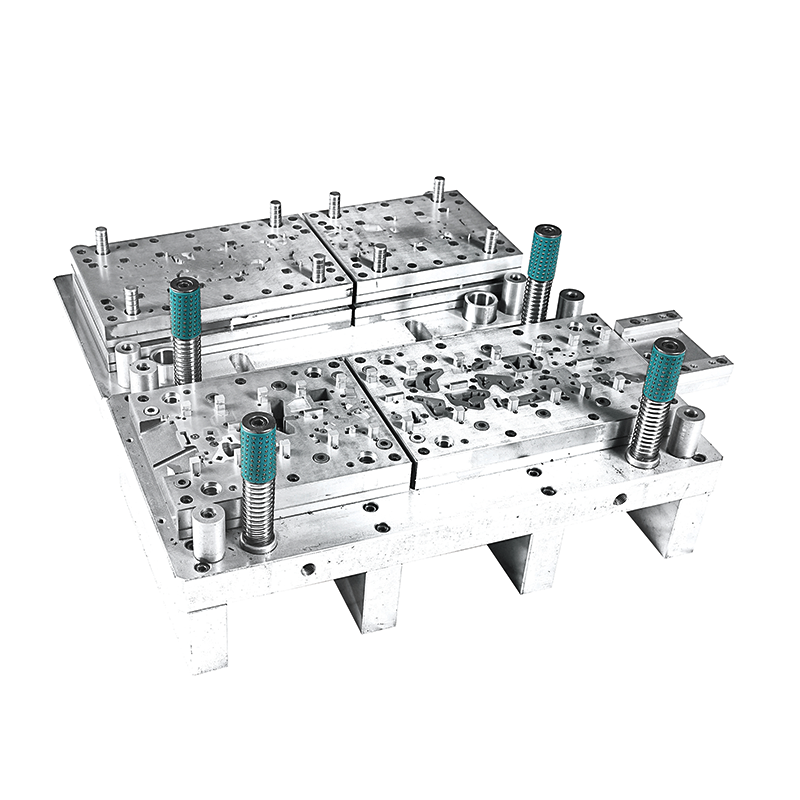
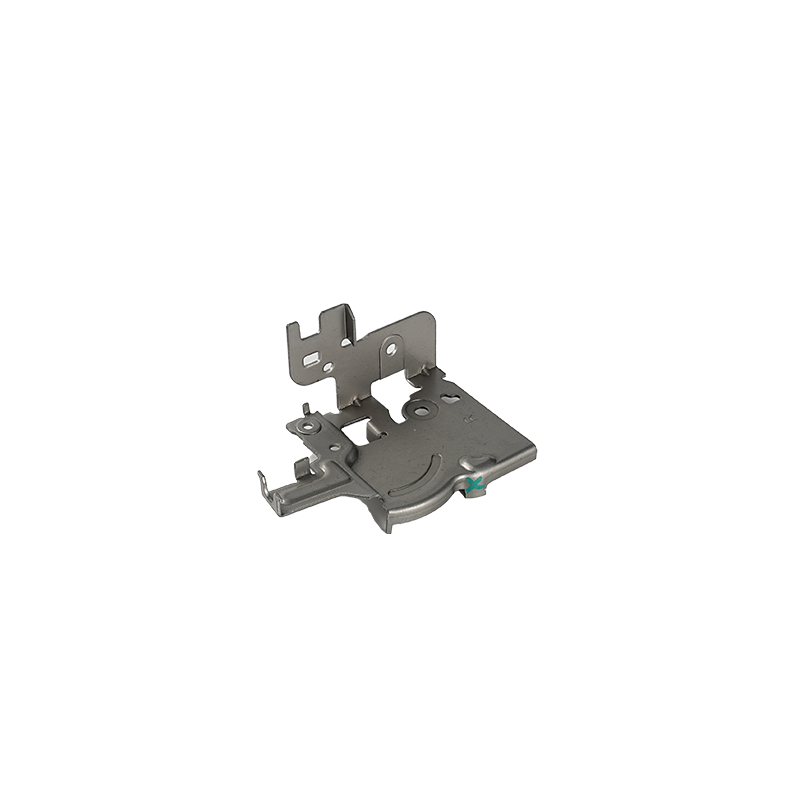
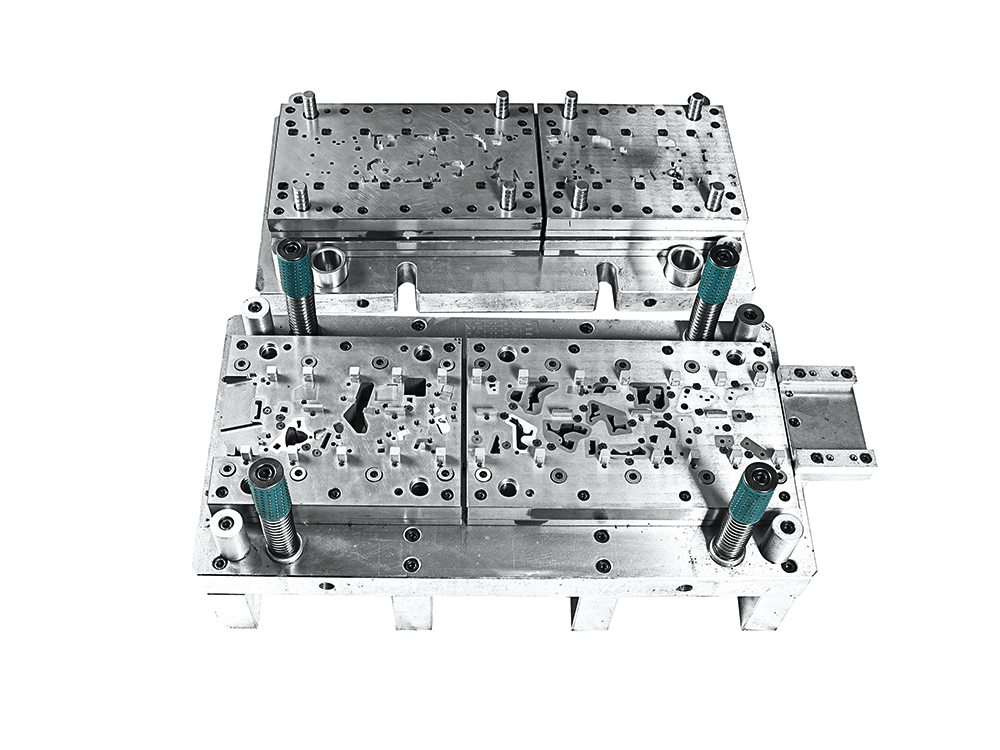
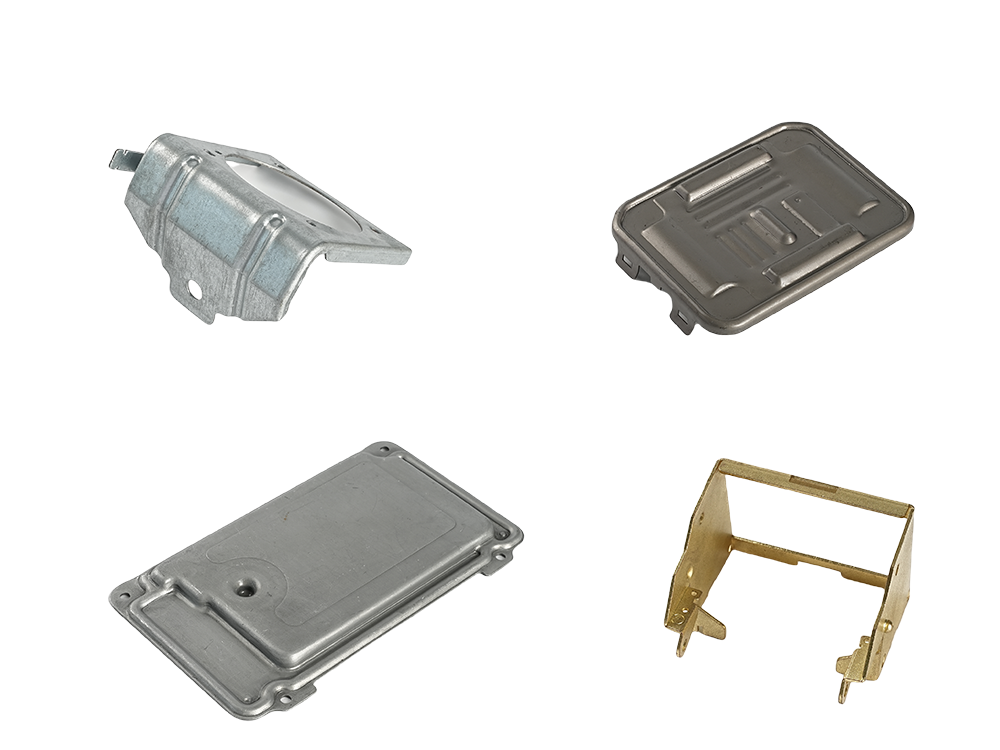
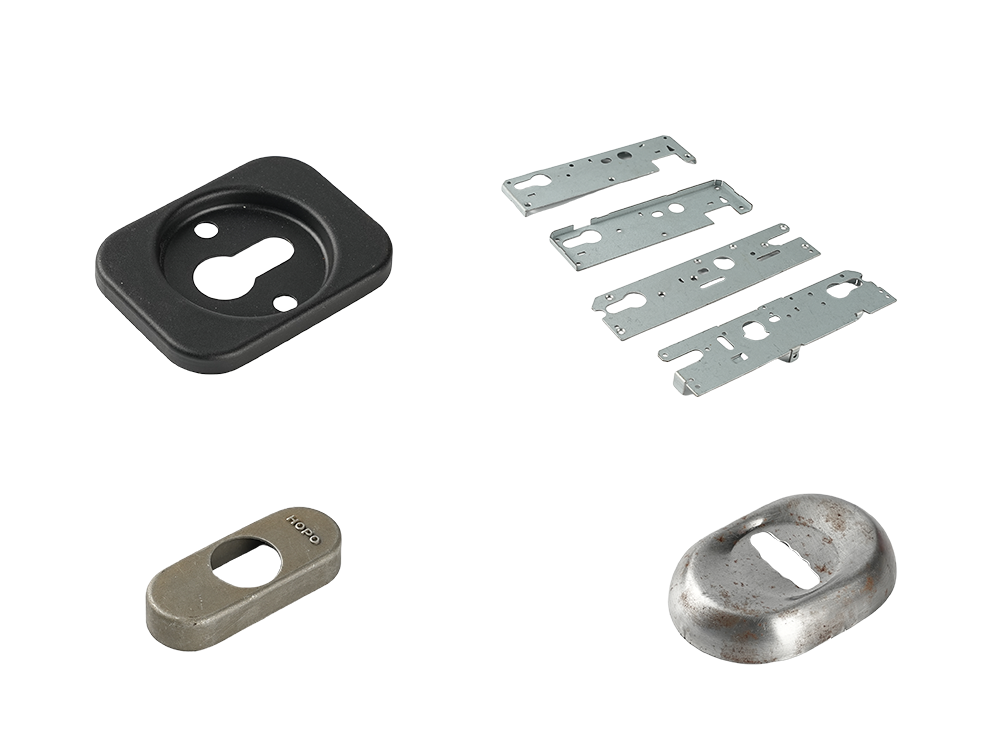
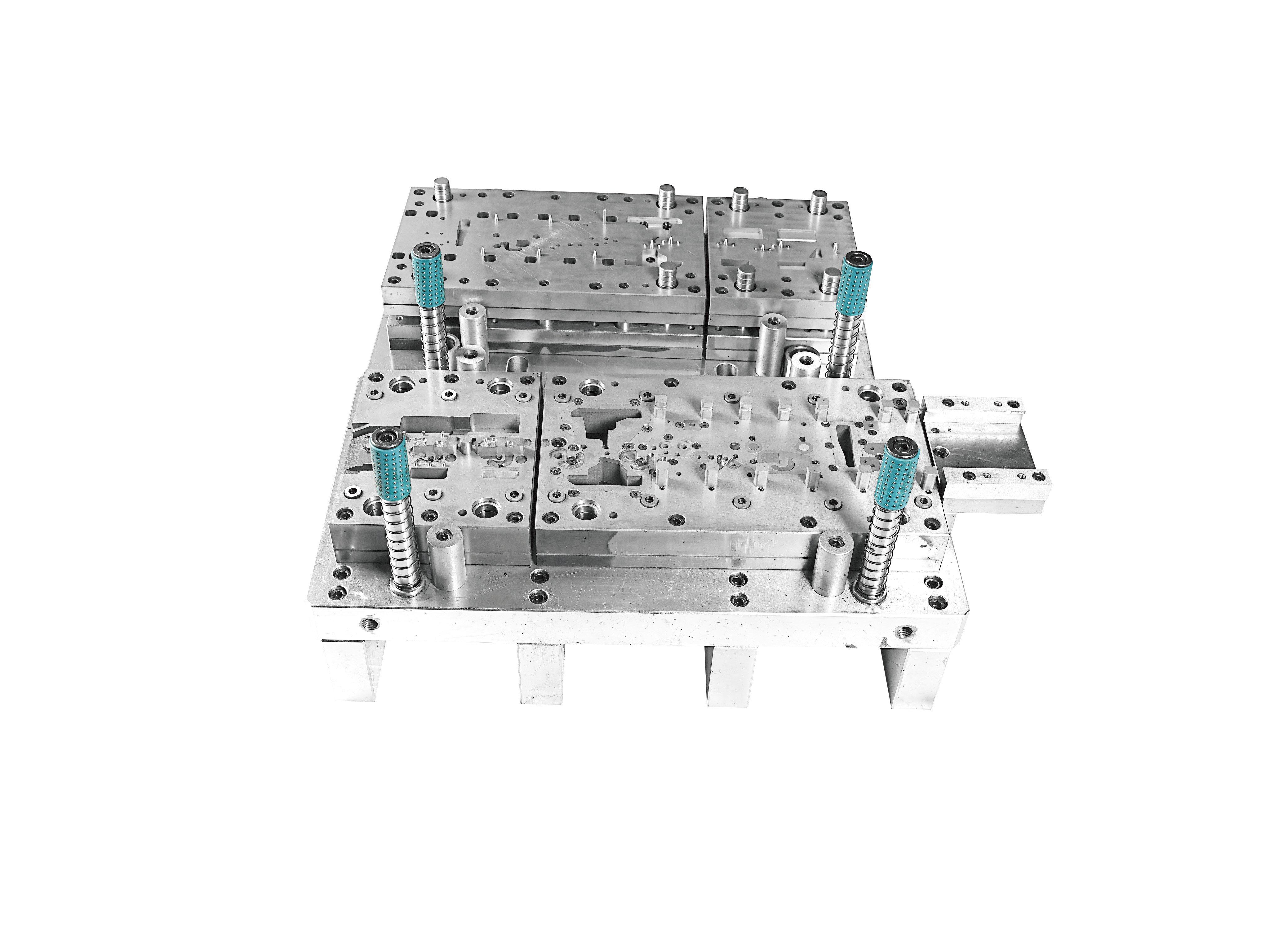
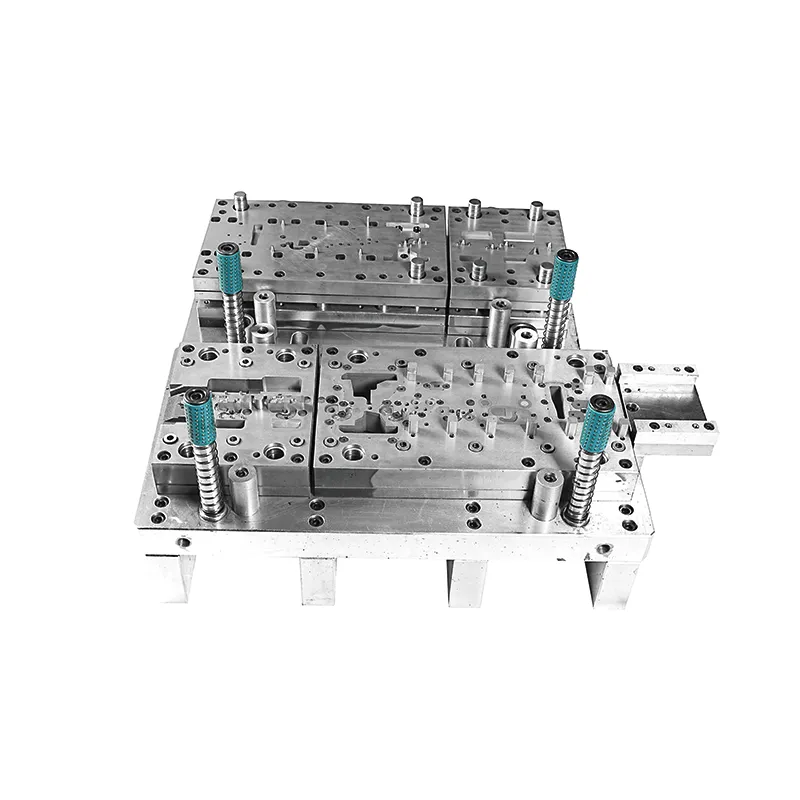
Custom metal stamping dies are precision-engineered tools designed to shape, cut, form, and punch metal materials into specific configurations through high-pressure stamping operations. These specialized dies serve as the foundation for manufacturing metal components across diverse industries, enabling mass production with exceptional accuracy and repeatability. Custom metal stamping dies consist of two primary sections: the upper die attached to the press ram and the lower die mounted on the press bed. When the press operates, these components work together to transform flat metal sheets or coils into three-dimensional parts. The dies incorporate various cutting edges, forming surfaces, and guiding mechanisms that determine the final product geometry. Manufacturing custom metal stamping dies involves advanced computer-aided design software, precision machining centers, wire EDM equipment, and surface treatment technologies. Engineers carefully calculate clearances, angles, and material flow patterns to ensure optimal performance. These tools accommodate multiple materials including stainless steel, aluminum, copper, brass, and various alloys. Applications span automotive body panels, electronic component housings, appliance parts, medical device elements, aerospace brackets, and construction hardware. The customization aspect allows manufacturers to produce parts matching exact specifications, tolerances, and production volumes. Custom metal stamping dies deliver consistent quality throughout production runs ranging from thousands to millions of parts, making them indispensable for modern manufacturing operations requiring efficiency, precision, and cost-effectiveness in metal forming processes.
Popular Products

Investing in custom metal stamping dies provides manufacturers with significant cost advantages over alternative fabrication methods, particularly for medium to high-volume production runs. Once the initial tooling investment is made, the per-part cost decreases dramatically as production quantities increase, delivering exceptional value over the die's operational lifespan. These tools enable rapid production cycles, with some operations completing dozens or even hundreds of parts per minute, substantially reducing labor costs and accelerating time-to-market for new products. The precision inherent in custom metal stamping dies ensures dimensional consistency across entire production batches, minimizing defects and reducing material waste. This repeatability eliminates variations common in manual processes, resulting in predictable quality standards that satisfy stringent customer requirements. Manufacturers benefit from reduced inspection time and lower rejection rates, translating directly to improved profit margins. Custom metal stamping dies accommodate complex geometries that would be difficult or impossible to achieve through machining, casting, or fabrication techniques. The dies can incorporate multiple operations including blanking, piercing, bending, embossing, and forming within a single press stroke, consolidating manufacturing steps and eliminating secondary operations. This integration streamlines workflows and reduces handling requirements. Material utilization improves significantly with properly designed custom metal stamping dies, as engineers optimize nesting patterns to minimize scrap generation. The process works with various material thicknesses and types, providing flexibility to adapt to changing product specifications or material availability. Durability represents another practical advantage, as quality dies manufactured from hardened tool steels withstand millions of cycles with minimal maintenance, providing reliable performance over extended periods and protecting the initial tooling investment through long service life.

Latest News

Precision stamping die

17

Jul

Precision stamping die

View More
Sheet Metal Stamping Manufacturers

17

Jul

Sheet Metal Stamping Manufacturers

View More
Wide application of hardware products

17

Jul

Wide application of hardware products

View More
Various applications of precision molds

17

Jul

Various applications of precision molds

View More

Get a Free Quote

Our representative will contact you soon.
Email
WhatsApp
Name
Company Name
Message
0/1000

custom metal stamping dies

Precision Engineering for Complex Geometries

Precision Engineering for Complex Geometries

Custom metal stamping dies excel at producing intricate parts with tight tolerances that meet exacting specifications across multiple industries. The precision engineering process begins with detailed computer modeling where designers simulate material flow, stress distribution, and dimensional outcomes before manufacturing begins. This predictive capability ensures the finished die will produce parts matching exact requirements. Advanced machining techniques including five-axis milling, wire EDM, and surface grinding achieve micron-level accuracy in die components, translating directly to part precision. The dies maintain consistent dimensional accuracy throughout production runs, with tolerances often held within plus or minus 0.001 inches or tighter depending on application requirements. This capability proves essential for components requiring precise fit and assembly, such as electronic connectors, automotive sensors, or medical instruments. Custom metal stamping dies accommodate features including holes, slots, embossments, ribs, and compound bends within single operations, eliminating cumulative errors associated with multiple manufacturing steps. The precision extends to surface finish quality, with polished die surfaces producing parts with smooth, burr-free edges requiring minimal secondary finishing operations.
Optimized Production Efficiency and Speed

Optimized Production Efficiency and Speed

Custom metal stamping dies transform manufacturing efficiency by enabling high-speed production with minimal operator intervention, dramatically reducing per-unit costs and production timeframes. Modern stamping presses equipped with custom dies operate at speeds ranging from 20 to 1,500 strokes per minute depending on part complexity and material thickness, producing thousands of components during single shifts. This throughput capability makes stamping ideal for products requiring large quantities within compressed timelines. Progressive dies advance material through multiple stations sequentially, performing several operations as the strip moves through the tool, maximizing efficiency by completing complex parts in seconds. Transfer dies similarly move parts between stations but offer greater flexibility for larger components. The automation potential inherent in stamping operations reduces labor requirements while improving workplace safety by minimizing direct operator contact with moving machinery. Quick die change systems further enhance productivity by reducing downtime between production runs, allowing manufacturers to service multiple customers or product lines using shared equipment. Custom metal stamping dies designed with pilot pins, stripper plates, and proper clearances ensure reliable material feeding and part ejection, minimizing jams and production interruptions that compromise efficiency targets and delivery schedules.
Long-Term Durability and Cost Effectiveness

Long-Term Durability and Cost Effectiveness

Custom metal stamping dies represent strategic investments that deliver exceptional return through extended operational life and sustained performance quality. Manufacturers construct these tools from premium tool steels, carbide materials, and specialized alloys selected for hardness, wear resistance, and toughness characteristics matching specific application demands. Heat treatment processes including through-hardening and case-hardening enhance surface durability, enabling dies to withstand millions of stamping cycles without significant dimensional degradation. Critical wear surfaces often receive additional protection through coatings such as titanium nitride, chromium nitride, or diamond-like carbon, further extending service intervals. Proper maintenance practices including regular cleaning, lubrication, and periodic inspection preserve die integrity and prevent premature failure. When wear eventually occurs on specific components, manufacturers can refurbish dies through grinding, remachining, or replacing individual sections rather than investing in completely new tooling. This repairability extends economic life substantially beyond initial expectations. The durability of custom metal stamping dies makes them particularly cost-effective for established products with stable demand, as the amortized tooling cost becomes negligible over multi-year production periods. Quality dies often remain productive for decades when properly maintained, protecting capital investments while supporting consistent product availability and customer satisfaction throughout extended product lifecycles.

Get a Free Quote

Our representative will contact you soon.
Email
WhatsApp
Name
Company Name
Message
0/1000