Precision Die & Stamping Solutions

All Categories

precision die & stamping

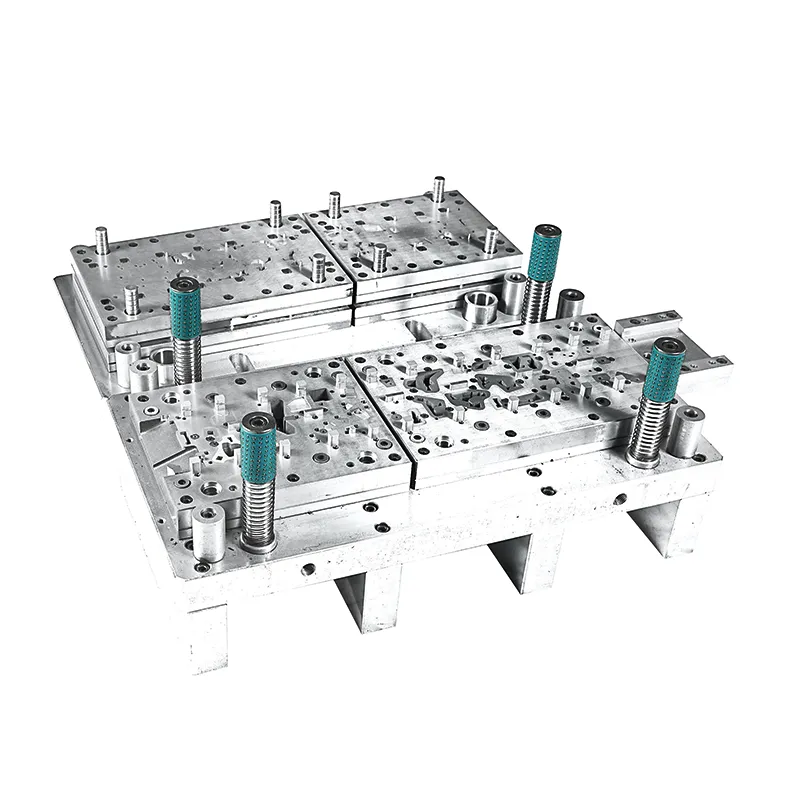
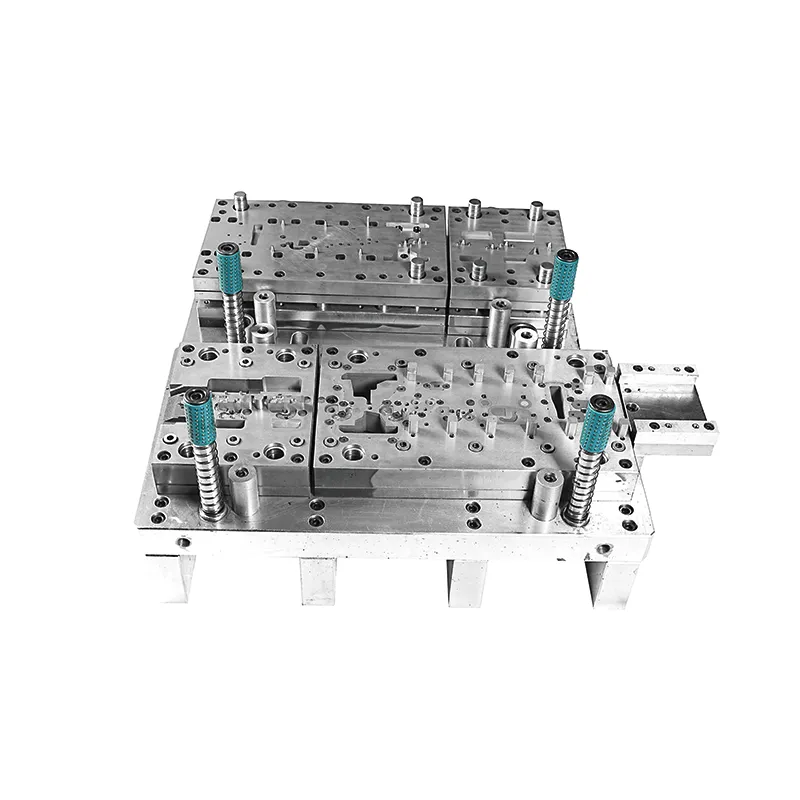
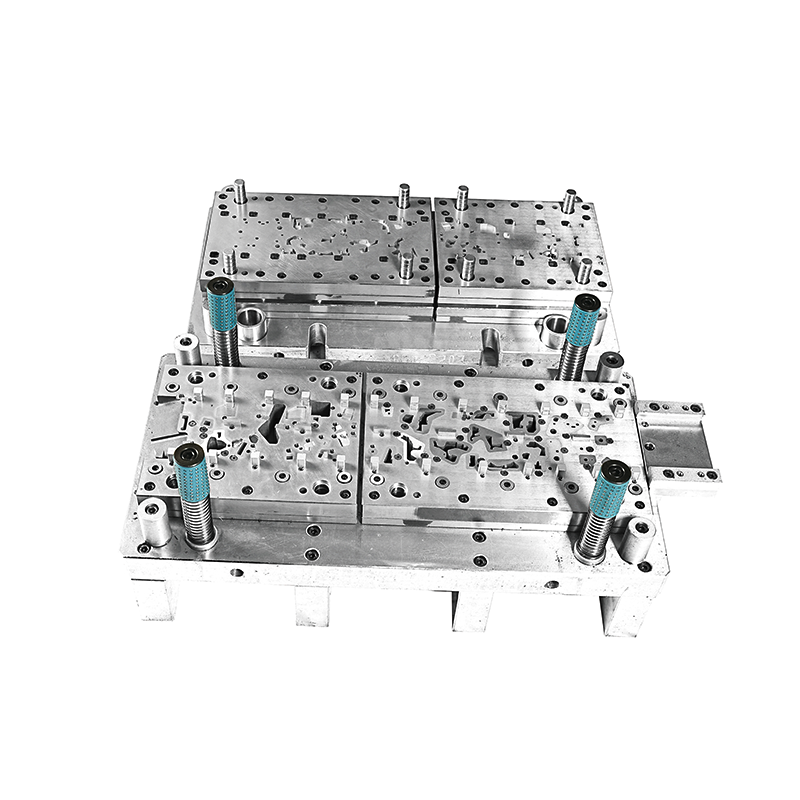
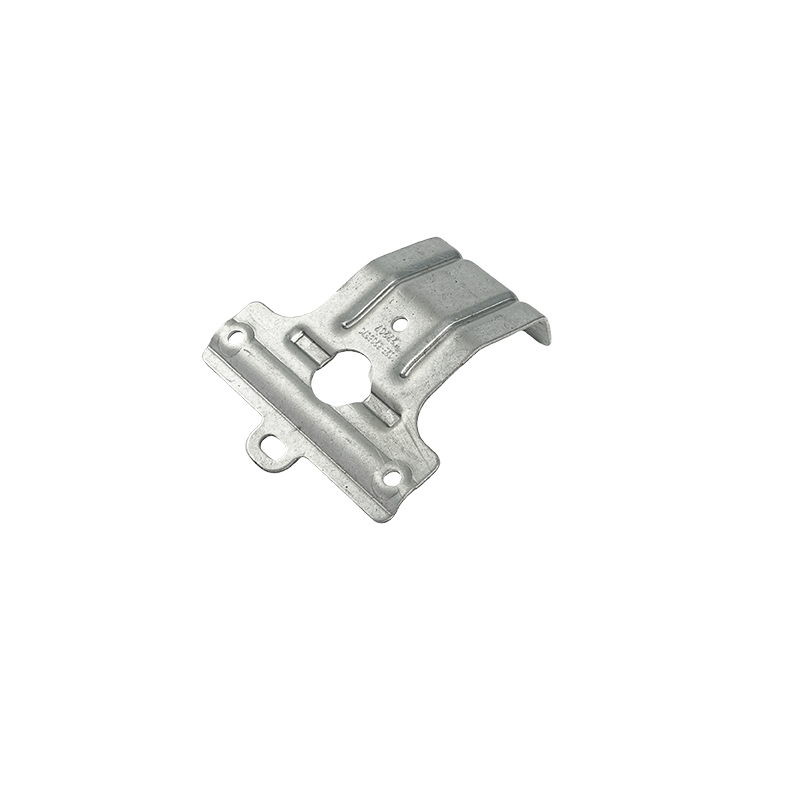
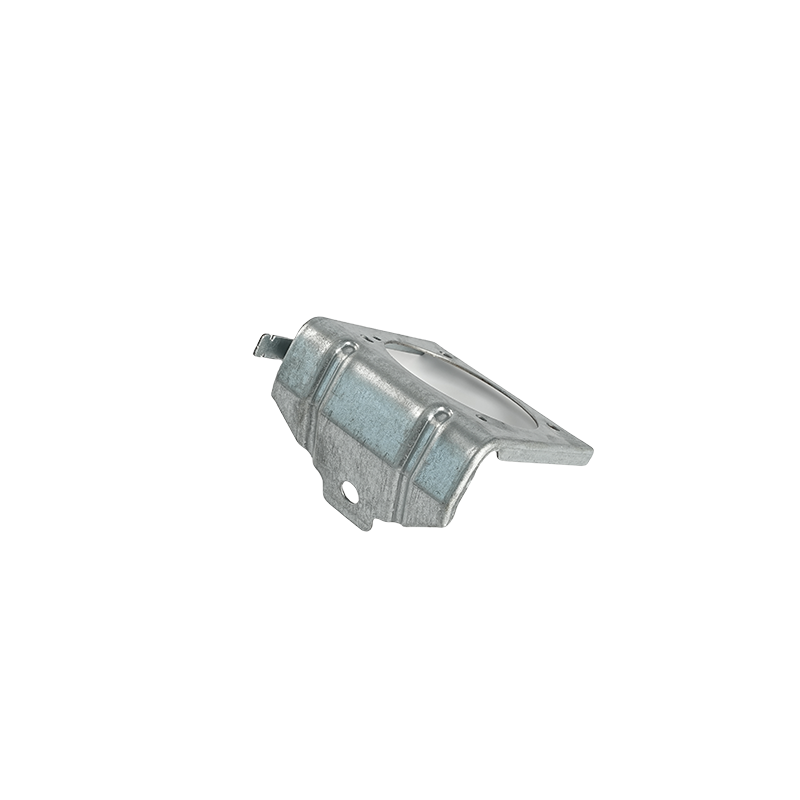
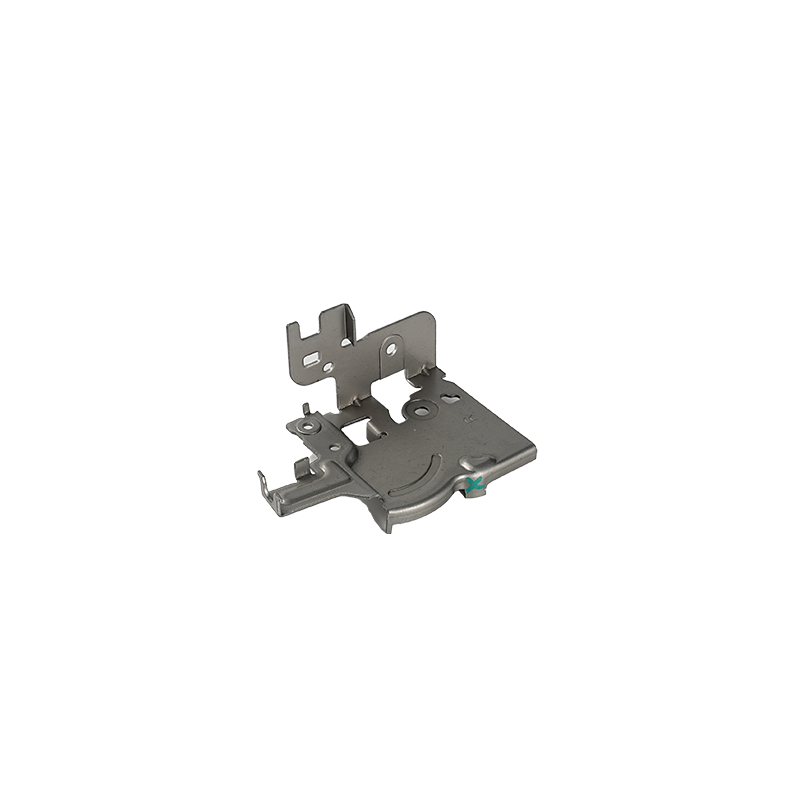
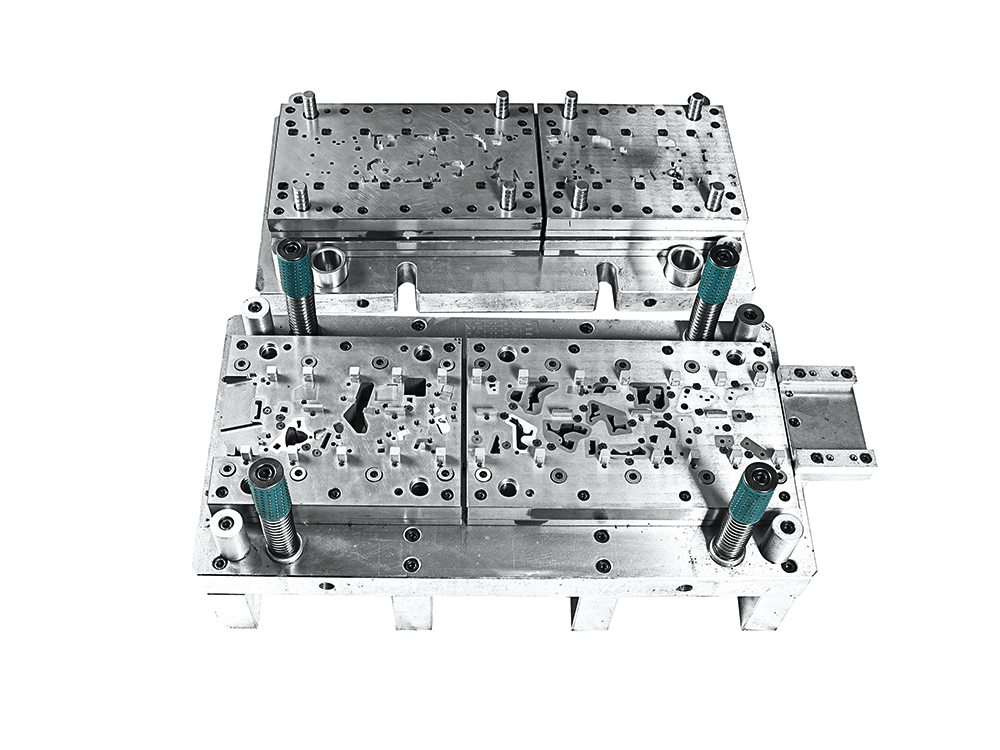
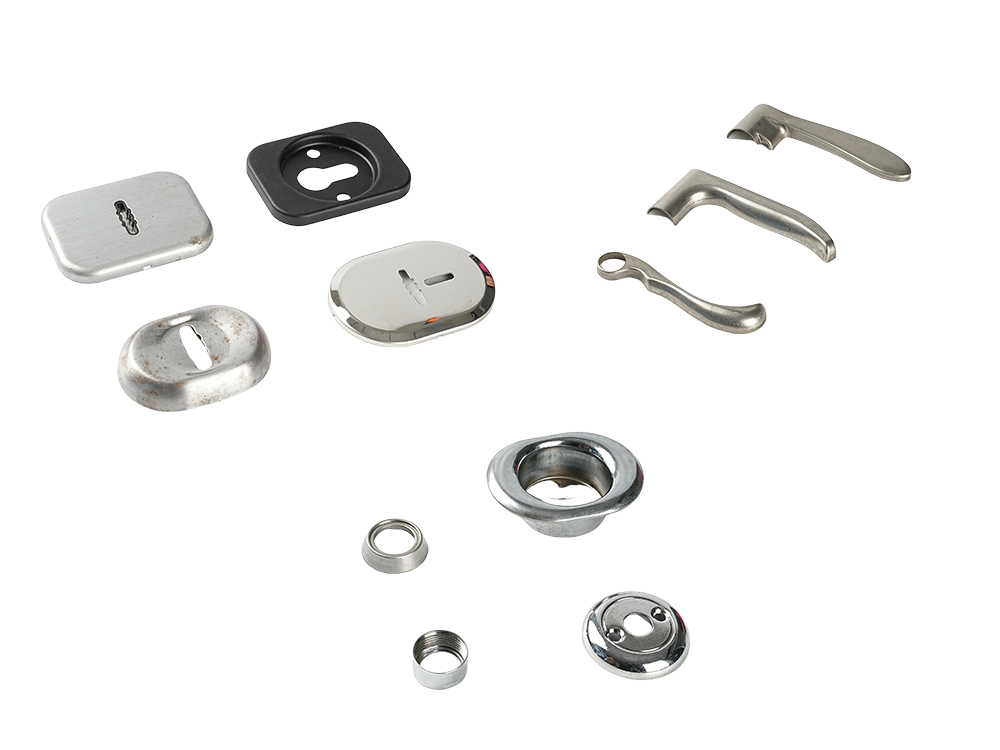
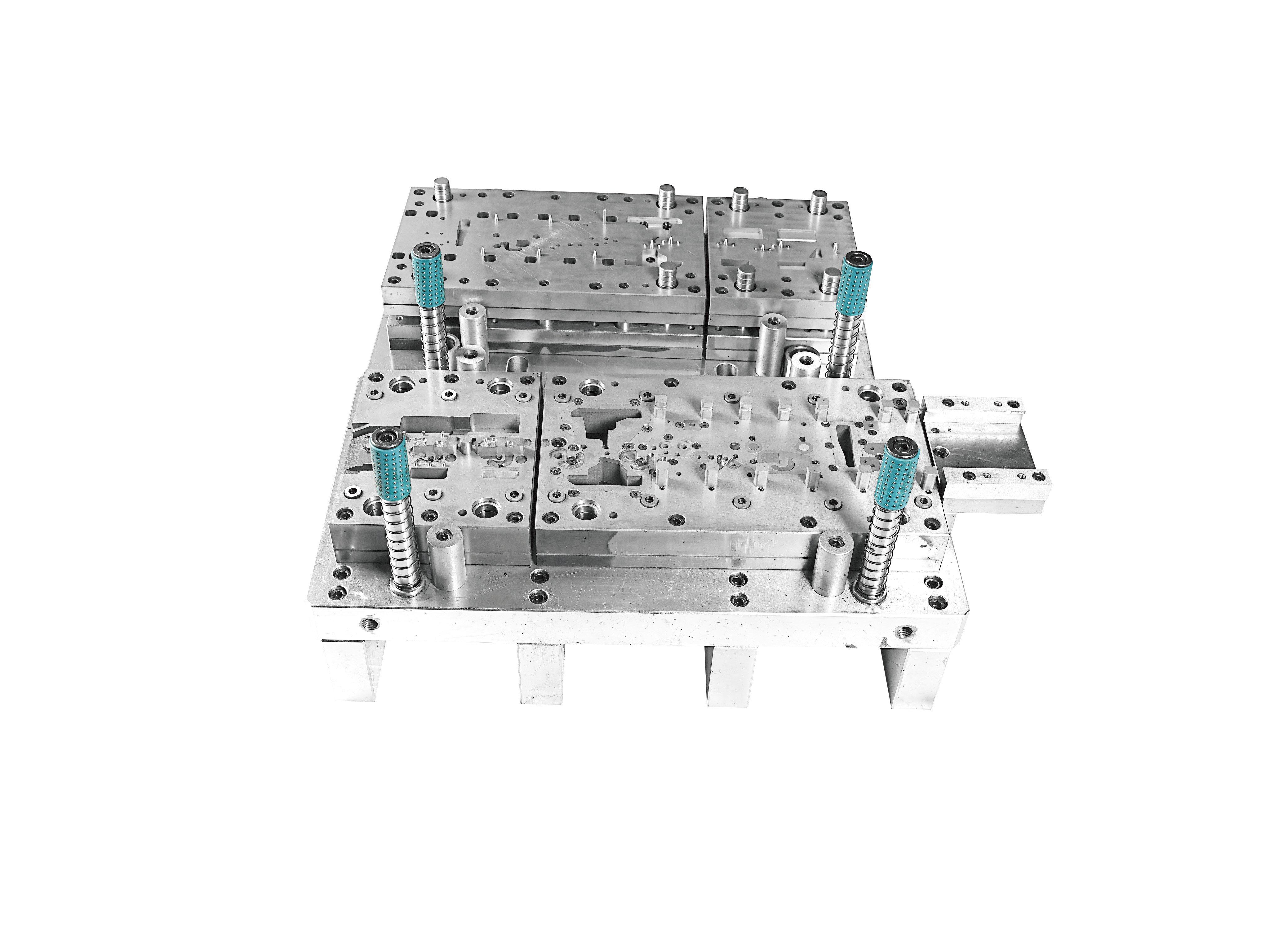
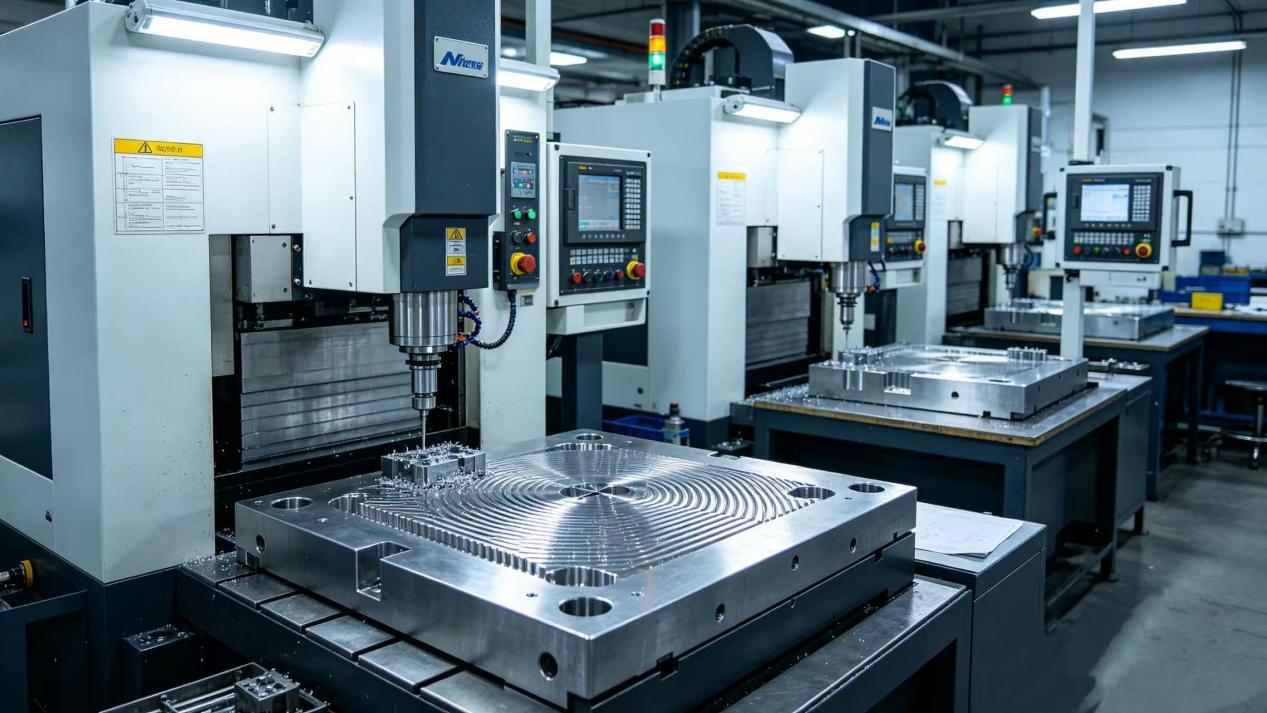
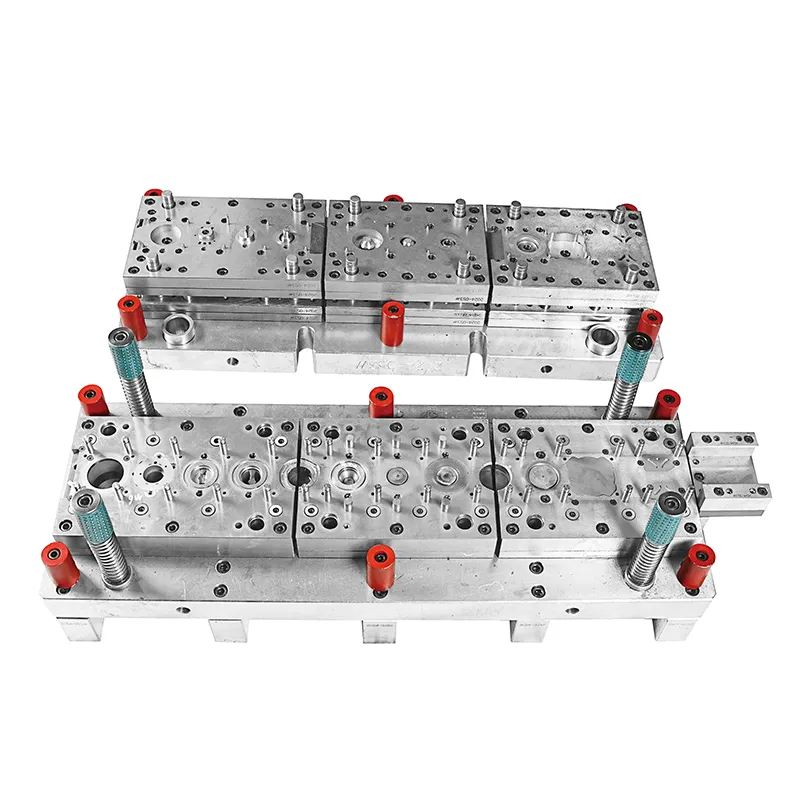
Precision die & stamping is an advanced manufacturing process that transforms flat metal sheets into complex three-dimensional components through controlled pressure and specialized tooling. This technique combines precision-engineered dies with high-force stamping presses to create parts with exceptional accuracy and repeatability. The main functions include cutting, bending, forming, and embossing metal materials to produce components ranging from simple brackets to intricate automotive parts. Precision die & stamping utilizes computer-aided design and CNC machining to create dies that ensure micrometer-level tolerances across thousands or millions of production cycles. The technological features encompass progressive dies that perform multiple operations in sequence, compound dies for simultaneous cutting and forming, and transfer dies for complex part geometries. Modern precision die & stamping operations integrate servo-driven presses, real-time quality monitoring systems, and automated material handling to maximize efficiency. Applications span numerous industries including automotive manufacturing for chassis components and body panels, electronics for connector pins and heat sinks, aerospace for structural brackets and housings, medical devices for surgical instruments and implant components, and consumer appliances for enclosures and functional hardware. The process accommodates various materials including stainless steel, aluminum, copper, brass, and specialized alloys, with thickness ranges from thin foils to heavy-gauge plates. Precision die & stamping delivers cost-effective production for both high-volume runs and specialized short-run applications where dimensional accuracy and surface finish quality are critical requirements.
Popular Products

Choosing precision die & stamping for your manufacturing needs delivers substantial cost savings through efficient material utilization and minimal waste generation. The process creates parts with exceptional dimensional consistency, ensuring every component meets exact specifications without requiring extensive secondary operations. This reliability translates directly into reduced quality control costs and fewer rejected parts during assembly. Production speeds with precision die & stamping significantly outpace alternative manufacturing methods, enabling you to meet tight delivery schedules and respond quickly to market demands. The automated nature of stamping operations reduces labor costs while maintaining consistent quality across entire production runs, regardless of volume. You gain design flexibility as precision die & stamping accommodates complex geometries, intricate details, and tight tolerances that would be difficult or impossible to achieve through machining or casting. Material versatility allows you to select the optimal metal for your application based on strength, weight, corrosion resistance, or electrical properties without changing your production approach. The superior surface finish achieved through precision die & stamping often eliminates the need for additional finishing operations, saving time and money while delivering parts ready for immediate use or assembly. Tooling investments provide long-term value as properly maintained dies produce millions of parts with consistent quality, distributing initial costs across large production volumes. Scalability represents another key advantage, as precision die & stamping efficiently handles production quantities from thousands to millions of parts without compromising quality or significantly increasing per-unit costs. Environmental benefits include reduced energy consumption compared to machining processes and excellent recyclability of metal scrap generated during production. The combination of speed, accuracy, cost-efficiency, and repeatability makes precision die & stamping the preferred choice for manufacturers seeking competitive advantages in quality-sensitive markets.

Practical Tips

Precision stamping die

17

Jul

Precision stamping die

View More
Metal stamping parts

17

Jul

Metal stamping parts

View More
Various applications of precision molds

17

Jul

Various applications of precision molds

View More
Industry Trends Analysis: Precision Stamping & Mold Manufacturing 2026

22

Apr

Industry Trends Analysis: Precision Stamping & Mold Manufacturing 2026

View More

Get a Free Quote

Our representative will contact you soon.
Email
WhatsApp
Name
Company Name
Message
0/1000

precision die & stamping

Unmatched Dimensional Accuracy and Repeatability

Unmatched Dimensional Accuracy and Repeatability

Precision die & stamping delivers extraordinary dimensional accuracy that remains consistent across millions of production cycles, making it indispensable for applications where tight tolerances are non-negotiable. Advanced die design techniques combined with precision-ground tooling ensure that each stamped part replicates the exact specifications programmed into the die, typically achieving tolerances within plus or minus 0.025 millimeters or tighter. This level of precision eliminates variation between parts, which is critical for assemblies requiring perfect fit and interchangeability. The repeatability inherent in precision die & stamping means that the first part produced matches the millionth part in all critical dimensions, reducing assembly problems and warranty claims. Quality control becomes simplified as the process stability minimizes the need for constant measurement and adjustment. For industries like automotive and aerospace where component failure can have serious consequences, this reliability provides peace of mind and regulatory compliance. The consistent accuracy also enables just-in-time manufacturing strategies, as you can confidently order parts knowing they will arrive ready for immediate integration into your production line without sorting or rework.
Superior Production Efficiency and Speed

Superior Production Efficiency and Speed

The production speed achieved through precision die & stamping far exceeds traditional manufacturing methods, enabling rapid fulfillment of large orders and faster time-to-market for new products. Modern stamping presses operate at speeds ranging from dozens to hundreds of strokes per minute, depending on part complexity, producing finished components at rates that machining or fabrication cannot match. This velocity translates into lower per-unit production costs as fixed overhead expenses are distributed across larger output volumes. Progressive dies further enhance efficiency by performing multiple forming operations during a single press stroke, eliminating the need to transfer parts between different machines or workstations. Automated feeding systems and robotic part removal minimize manual handling, reducing labor costs while maintaining consistent cycle times regardless of shift or operator. The rapid production capability of precision die & stamping makes it economically viable for both mass production and medium-volume runs, providing manufacturing flexibility that adapts to your business needs. Quick die changeover systems on modern presses allow efficient transitions between different part numbers, supporting diverse product lines without extensive downtime. This combination of speed and flexibility positions precision die & stamping as the optimal choice for manufacturers balancing quality requirements with aggressive production schedules and competitive pricing pressures.
Cost-Effective Tooling with Long-Term Value

Cost-Effective Tooling with Long-Term Value

While precision die & stamping requires upfront investment in tooling, the dies provide exceptional long-term value through their ability to produce millions of parts with minimal maintenance and consistent quality. High-quality dies manufactured from hardened tool steels and wear-resistant materials withstand the tremendous forces of repeated stamping operations while maintaining their precision over extended production runs. This durability means your initial tooling investment continues delivering returns across multiple production campaigns, often spanning years or even decades with proper maintenance. The cost per part decreases dramatically as production volumes increase, making precision die & stamping highly economical for medium to high-volume applications. Even for lower volumes, the elimination of secondary operations and the superior quality of stamped parts often justify the tooling costs compared to alternatives requiring extensive post-processing. Modern die design software and CNC machining enable rapid tooling production, reducing lead times from concept to first article. Modular die designs allow modifications to accommodate engineering changes without complete tool replacement, protecting your investment while maintaining production flexibility. The predictable lifespan and maintenance requirements of precision die & stamping tooling enable accurate cost forecasting and budget planning, eliminating surprise expenses that can disrupt manufacturing operations and profitability projections.

Get a Free Quote

Our representative will contact you soon.
Email
WhatsApp
Name
Company Name
Message
0/1000