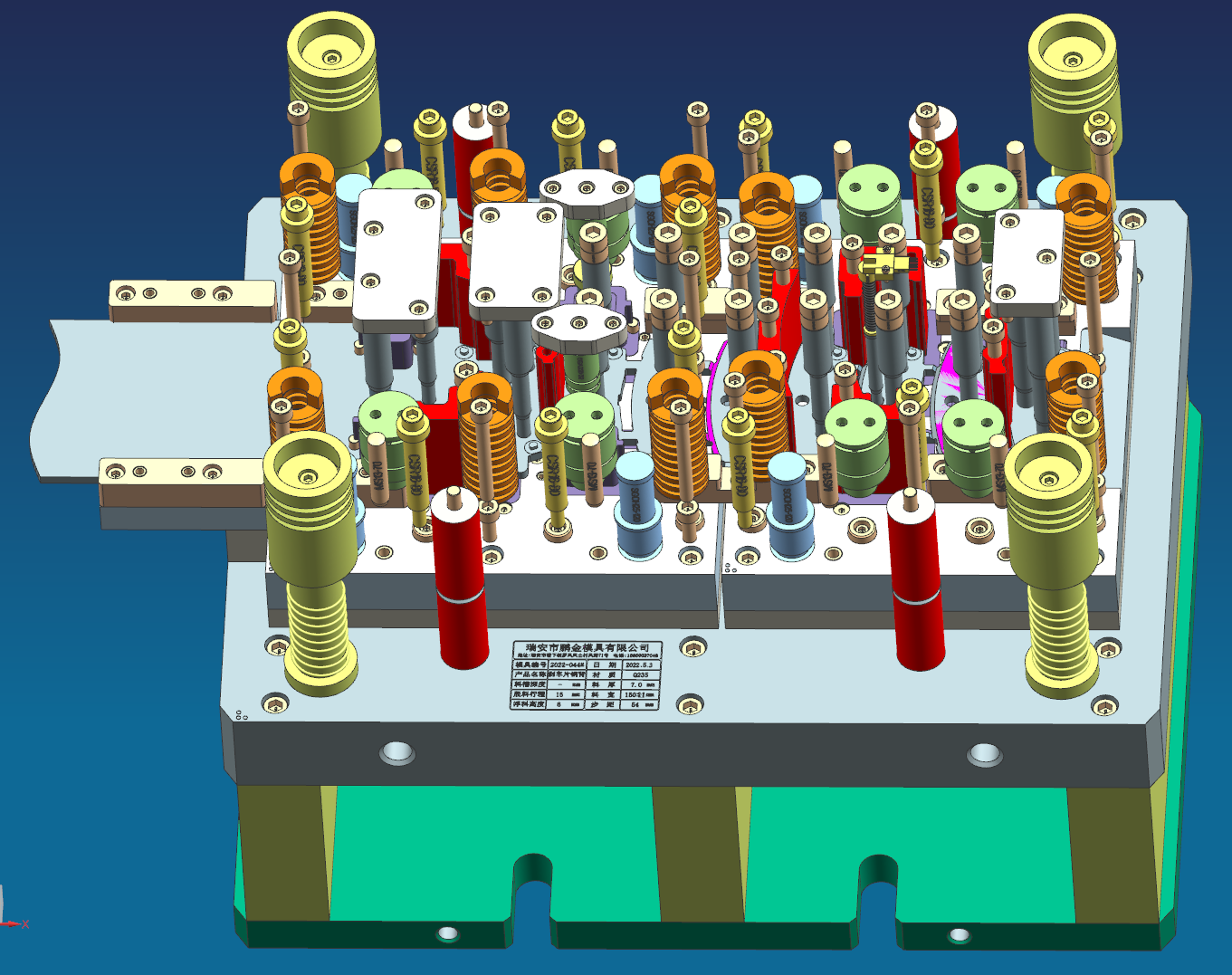
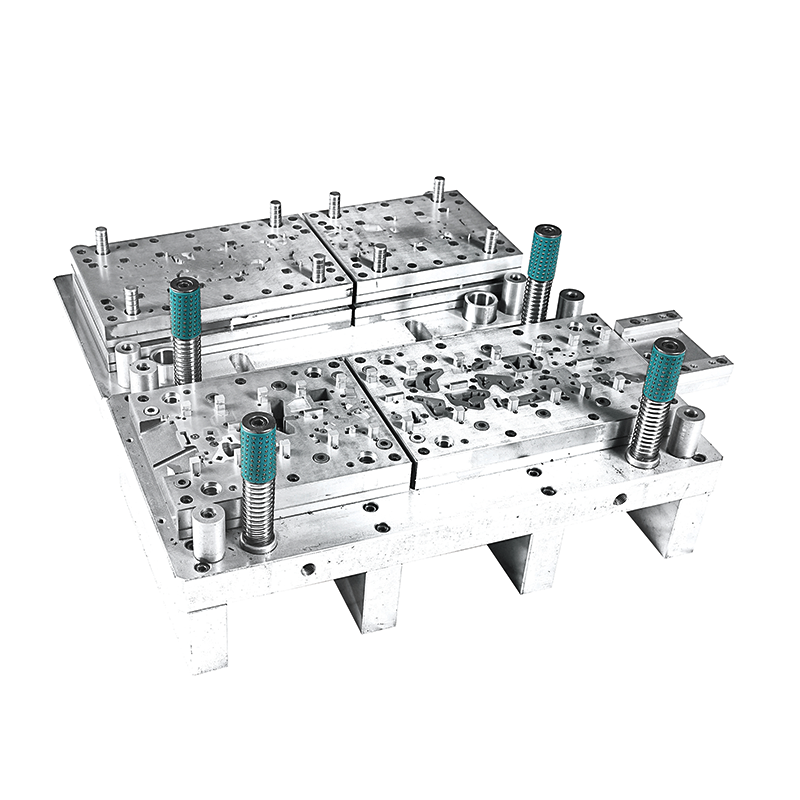
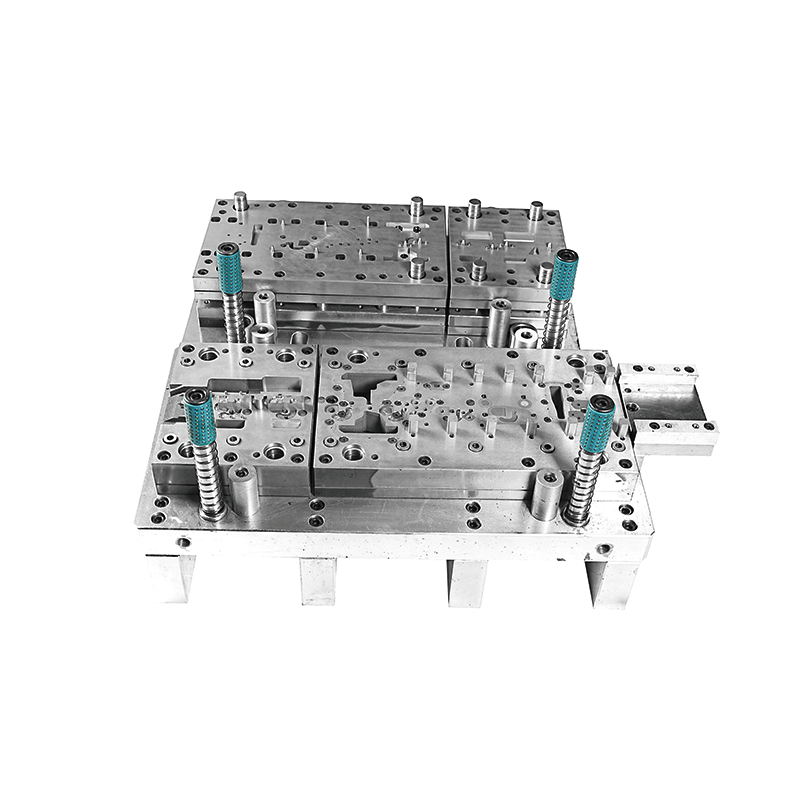
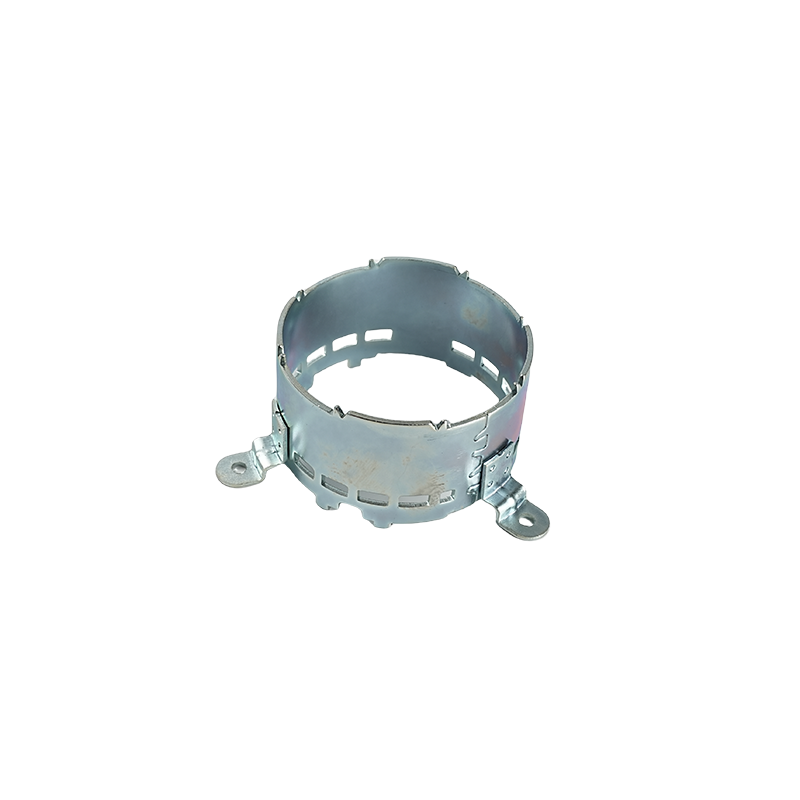
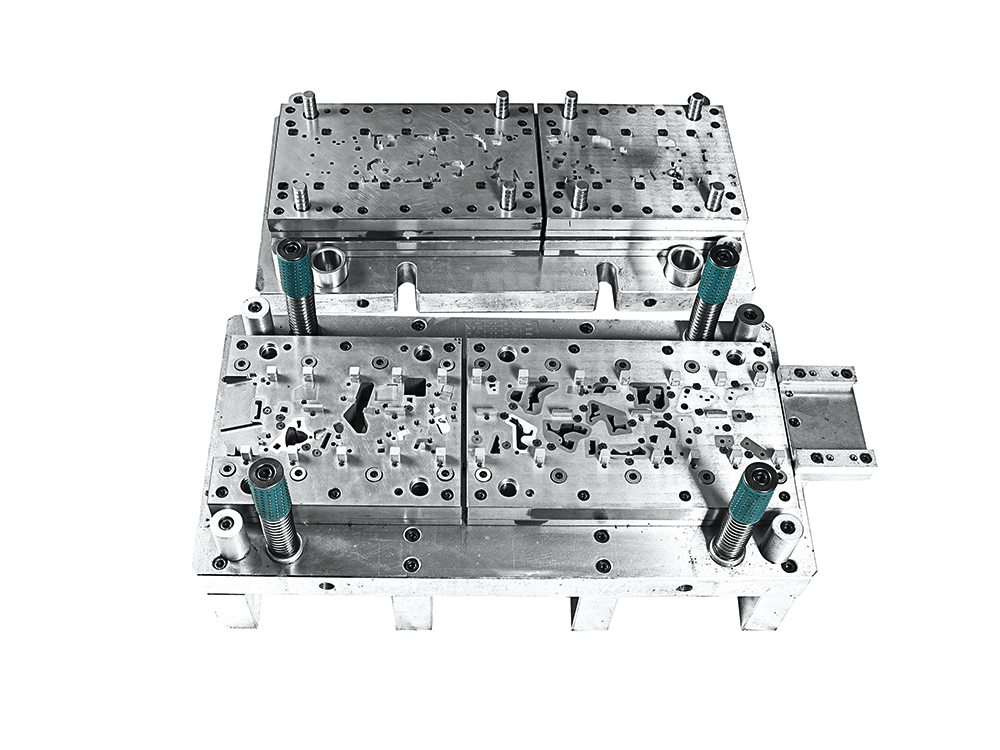
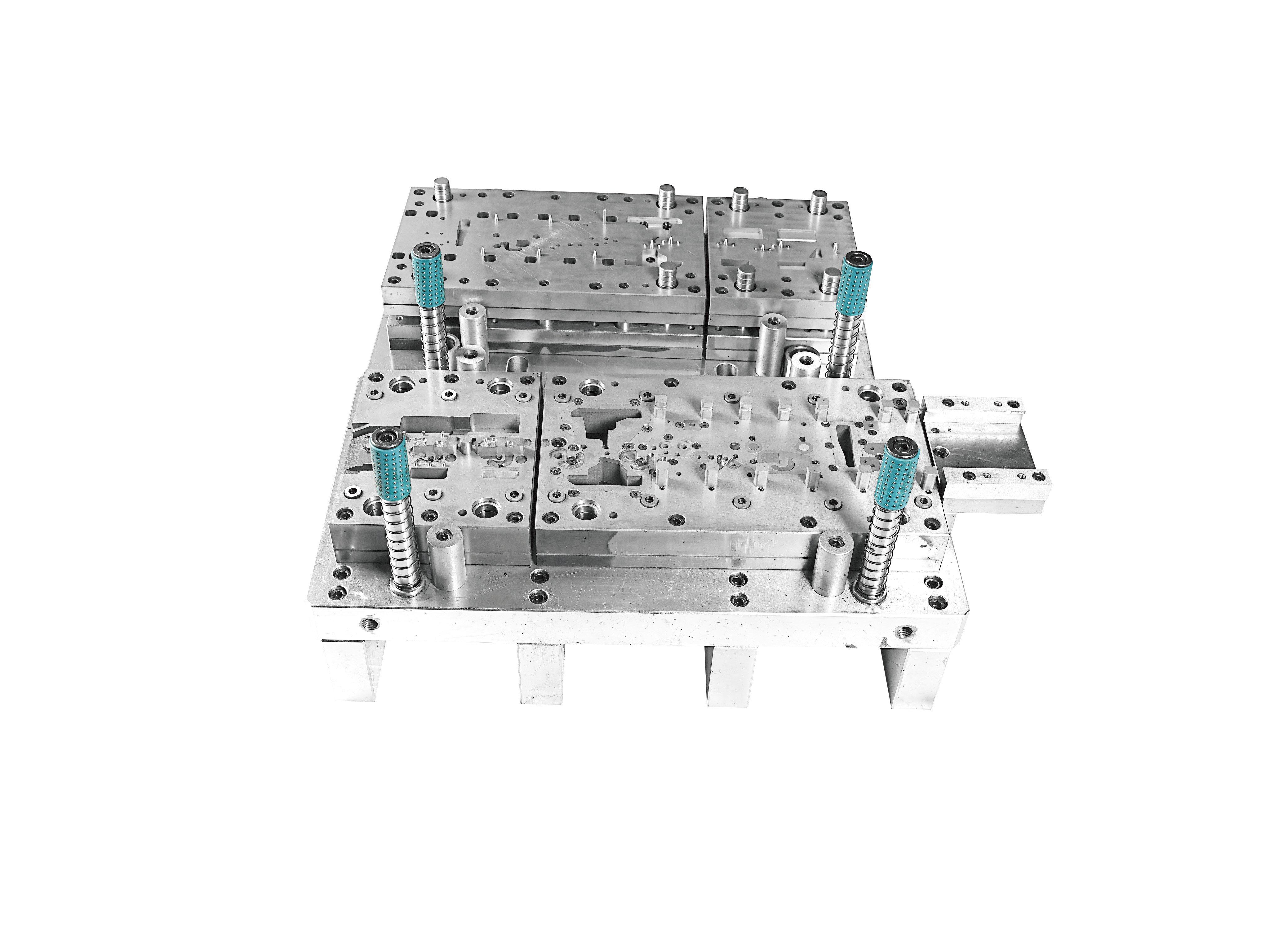
stretching mold
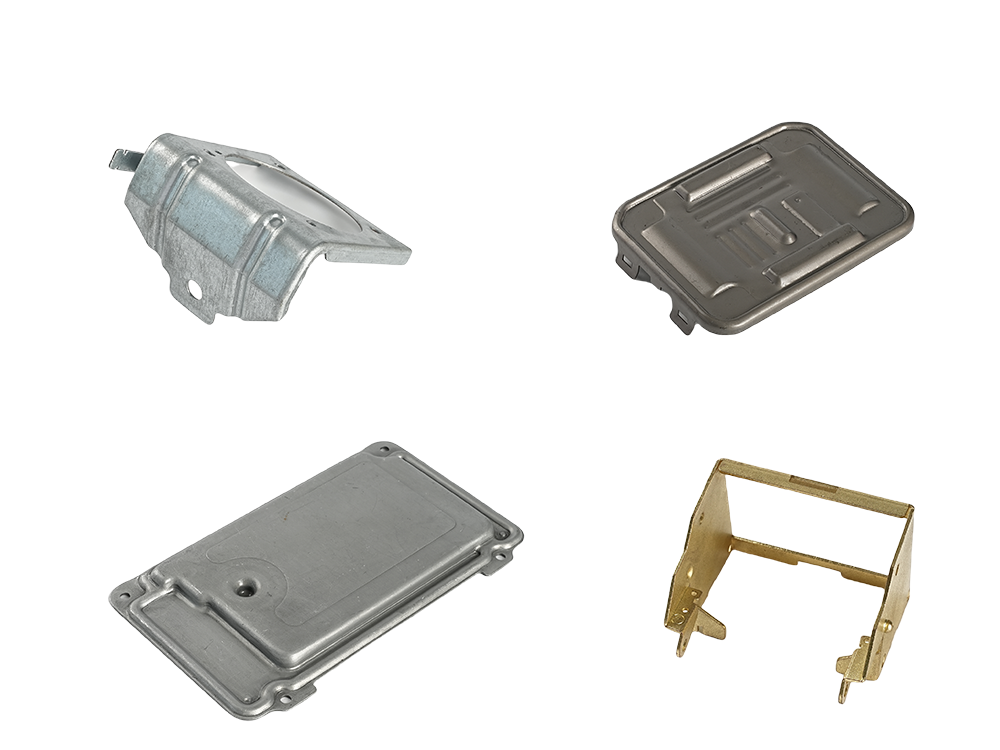
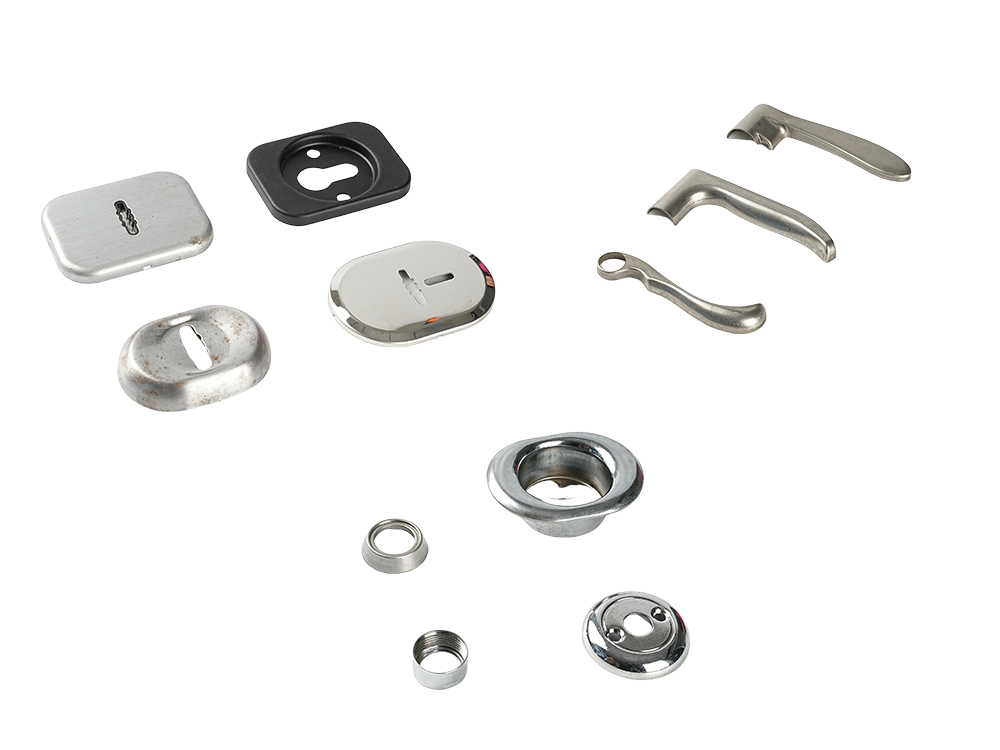
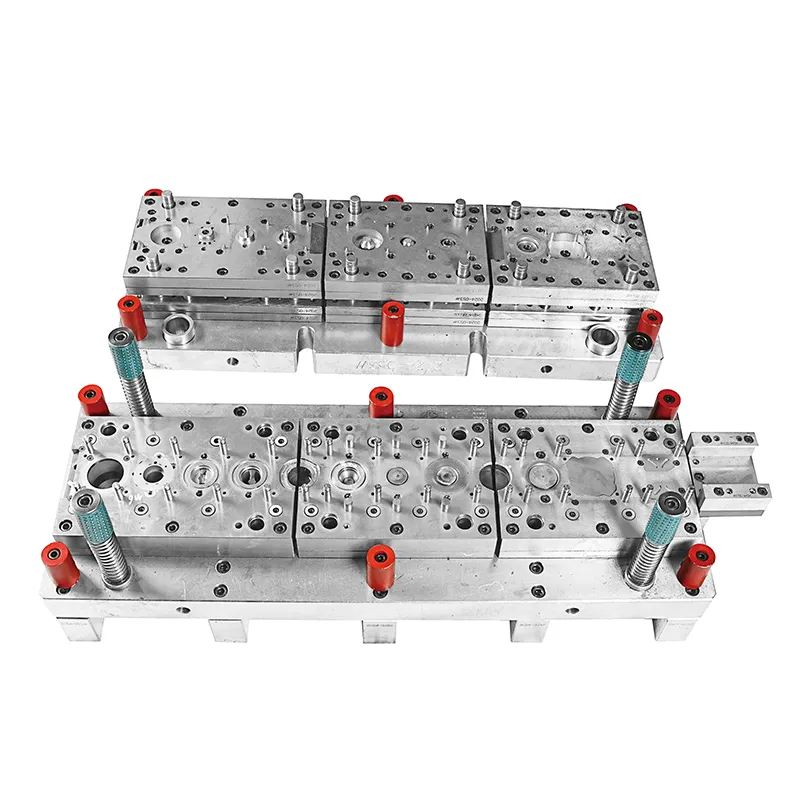
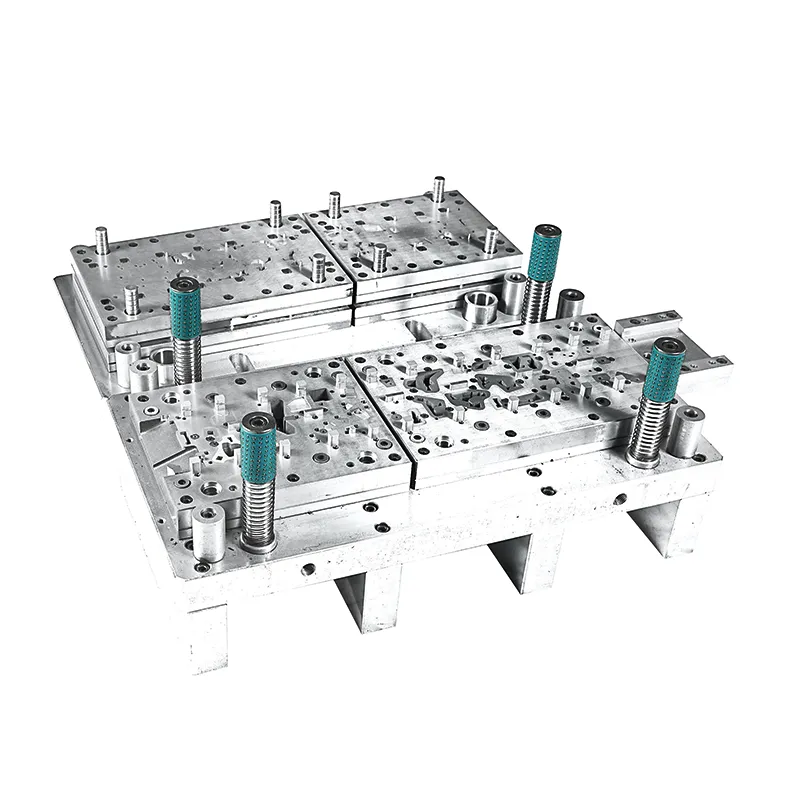
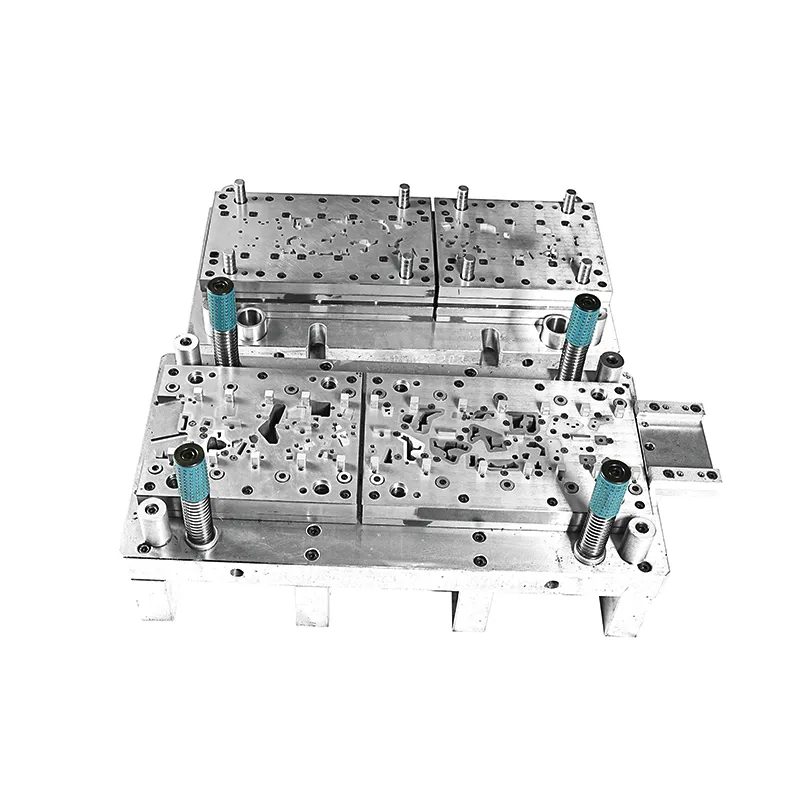
A stretching mold is a specialized manufacturing tool designed to shape and form materials through controlled elongation and deformation processes. This precision-engineered equipment plays a crucial role in transforming raw materials into finished products with specific dimensions, contours, and structural properties. The stretching mold operates by applying calculated tensile forces to materials such as plastics, metals, and composites, enabling manufacturers to create complex shapes that would be difficult or impossible to achieve through other forming methods. The primary functions of a stretching mold include material elongation control, dimensional accuracy maintenance, surface finish optimization, and structural integrity enhancement. Technological features of modern stretching mold systems incorporate advanced temperature regulation mechanisms, adjustable pressure controls, automated cycle timing, and precision alignment systems that ensure consistent product quality across production runs. These molds are engineered with durable construction materials that withstand repeated stress cycles while maintaining dimensional stability. Applications for the stretching mold span numerous industries, including automotive component manufacturing, packaging production, aerospace parts fabrication, consumer goods creation, and medical device assembly. In the automotive sector, stretching mold technology produces interior trim panels, exterior body components, and specialized gaskets. The packaging industry utilizes these molds to manufacture bottles, containers, and protective coverings with precise wall thickness distribution and superior barrier properties.


 EN