Progressive Die Forming Solutions & Technology

All Categories

progressive die forming

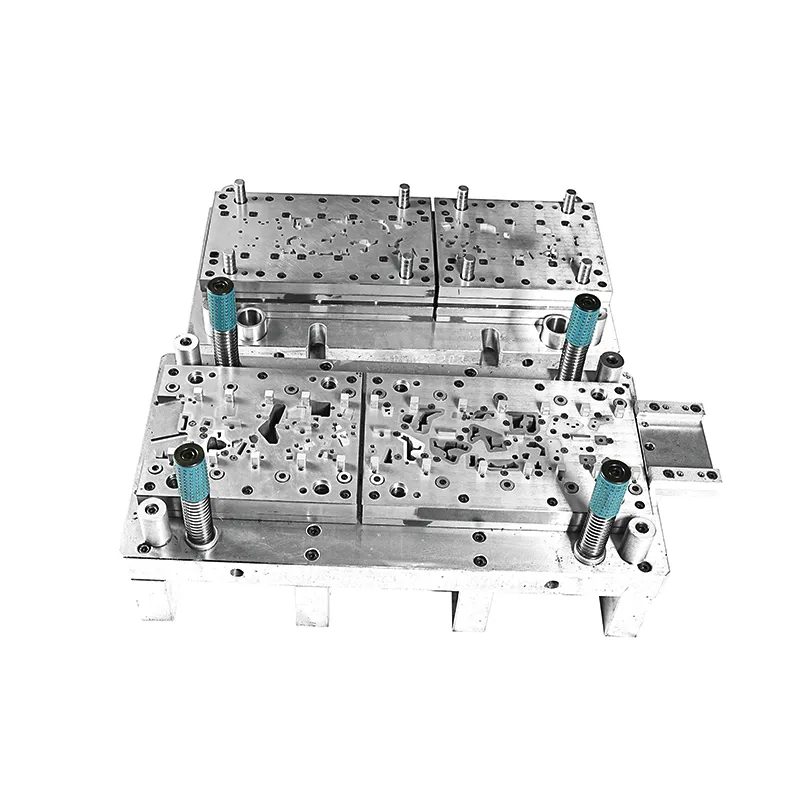
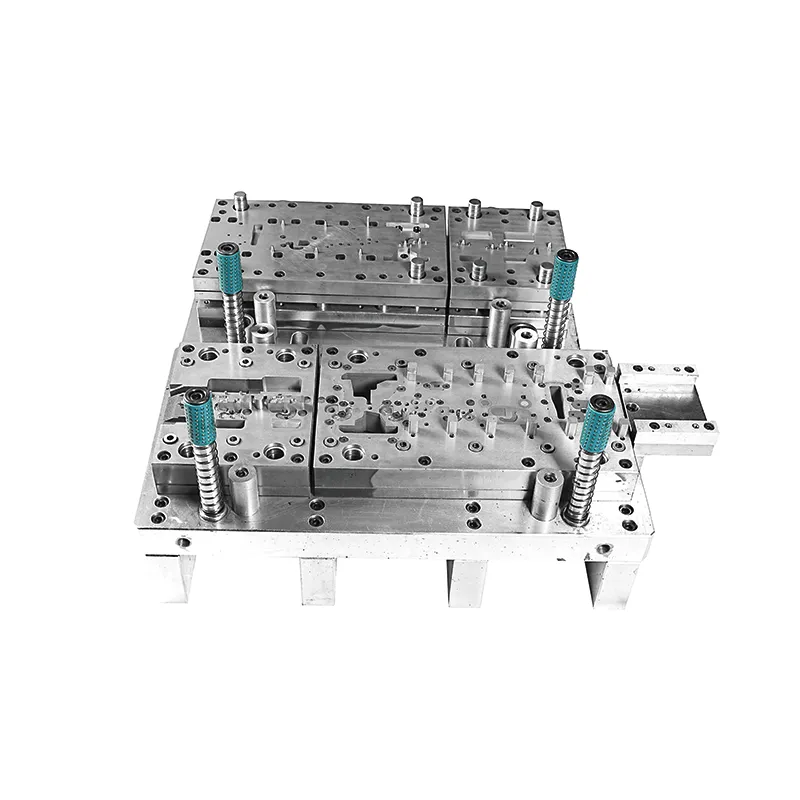
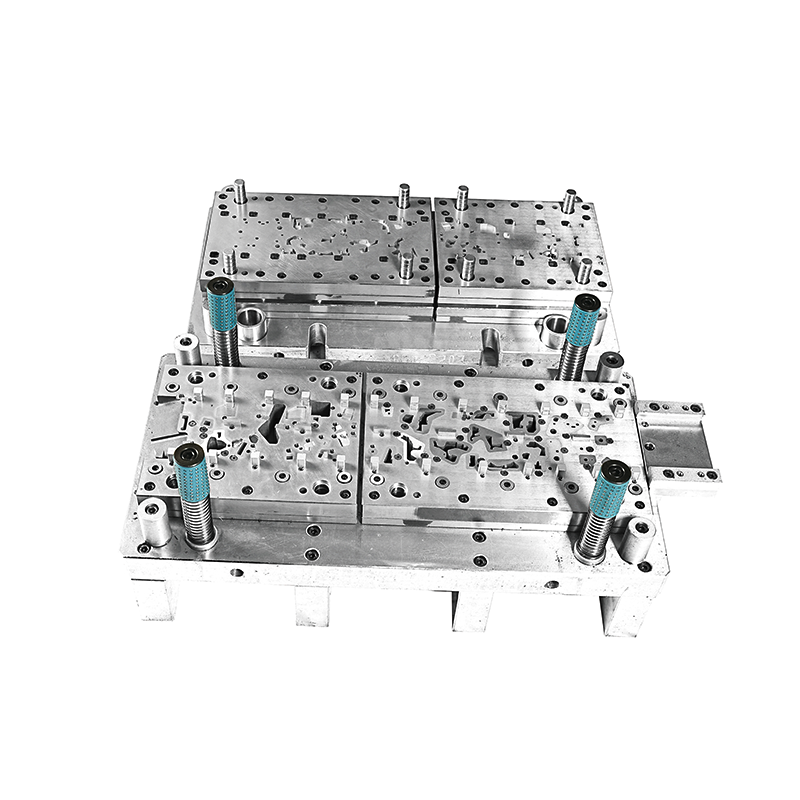
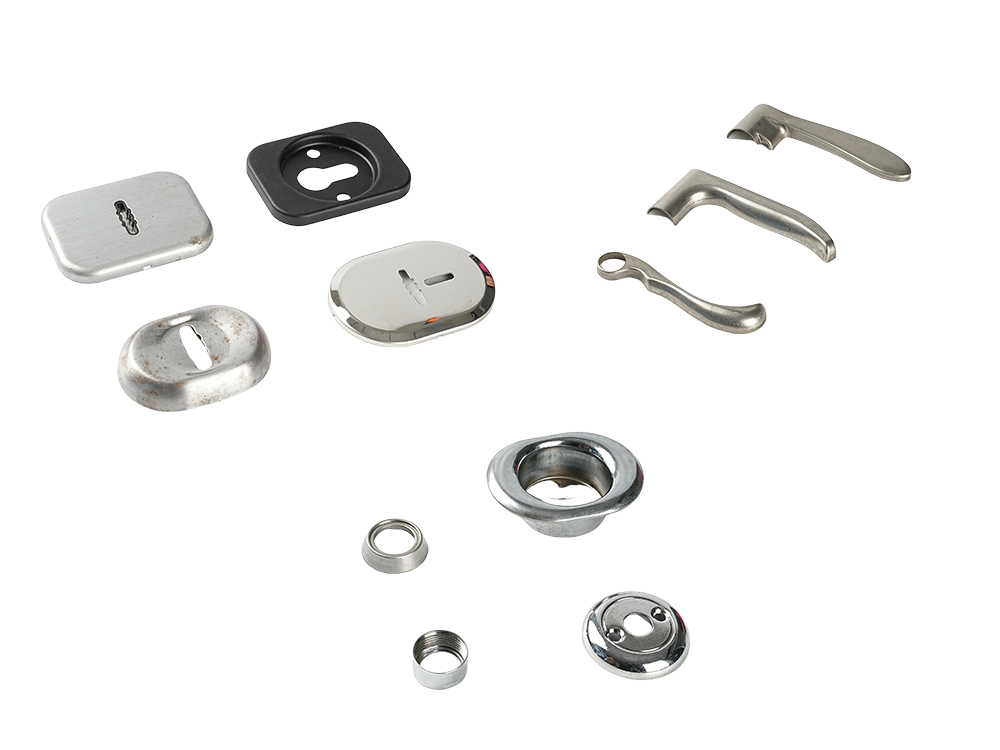
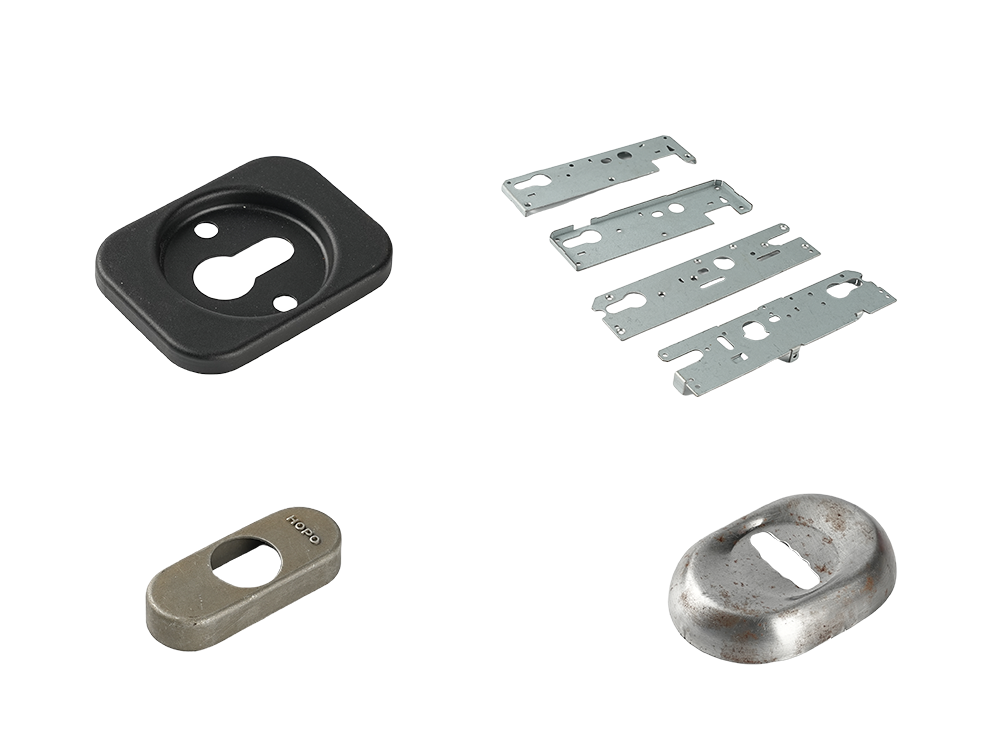
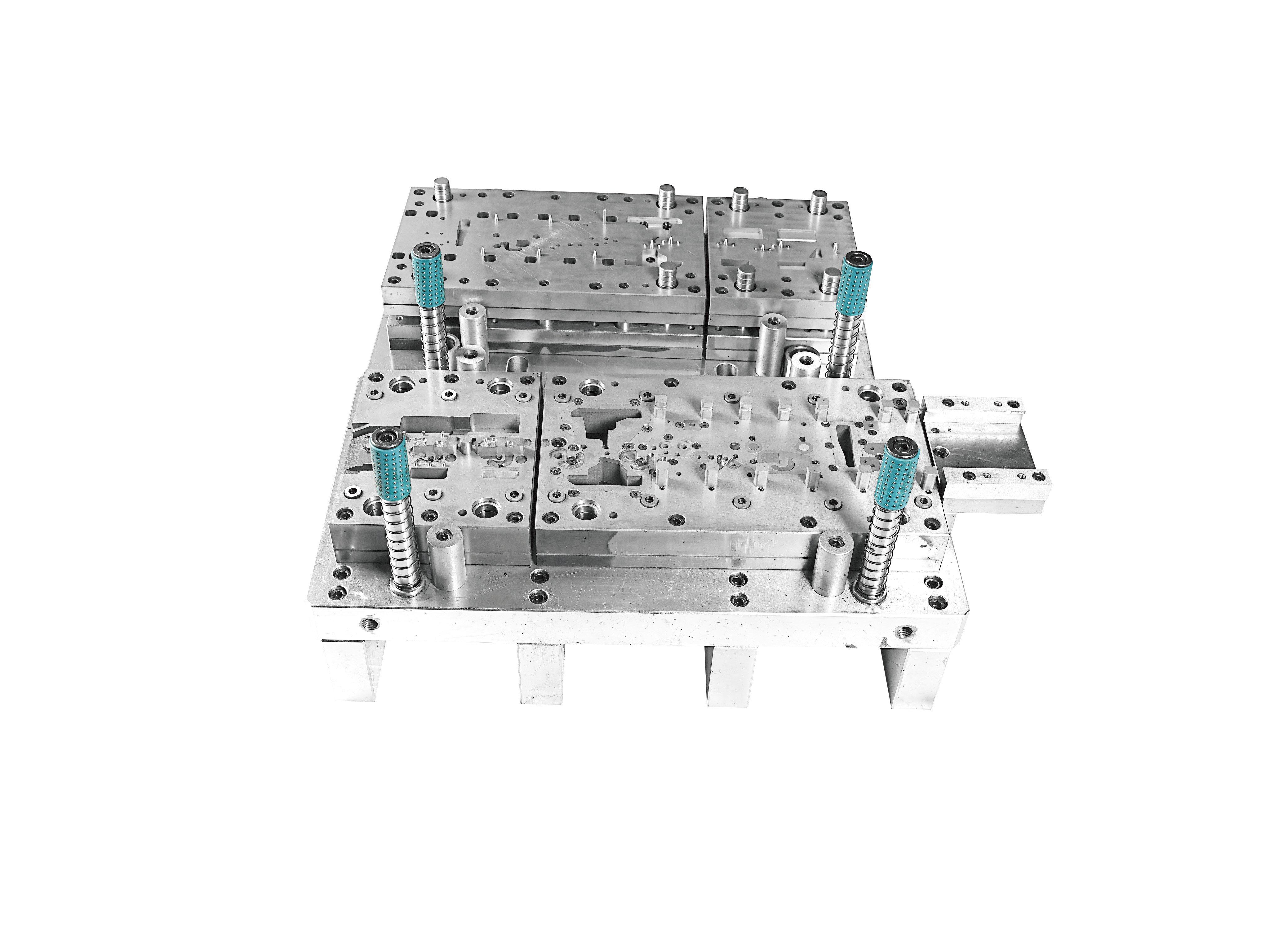
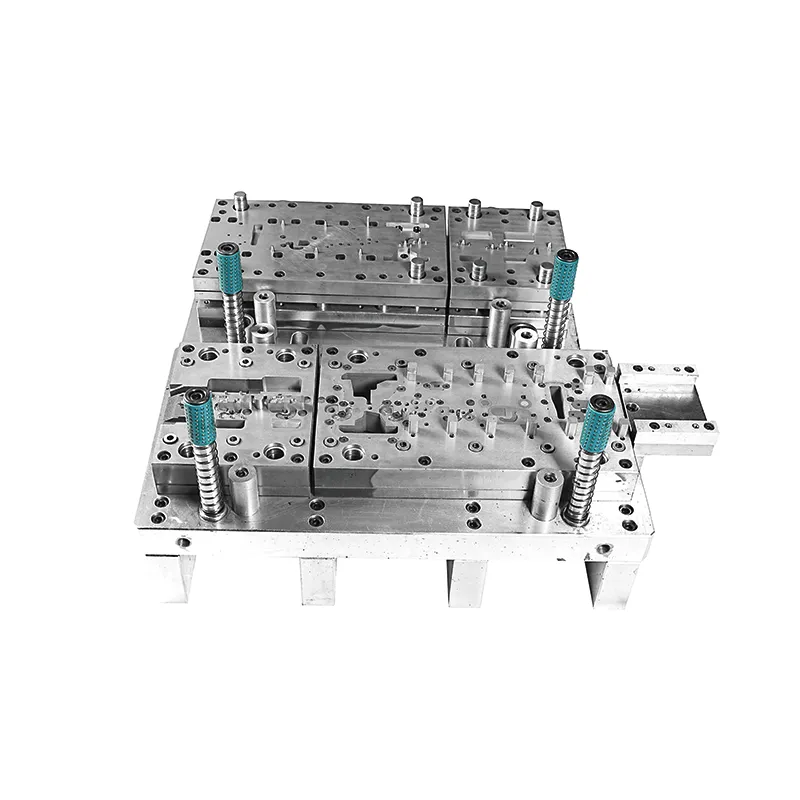
Progressive die forming is an advanced metal stamping manufacturing process that transforms flat sheet metal into finished parts through a series of sequential operations performed at multiple stations within a single die. This sophisticated metalworking technique involves feeding strip material continuously through a precision-engineered tool that executes different forming operations at each stage, including punching, bending, coining, embossing, and cutting. As the material advances through each station with every press stroke, it undergoes progressive transformation until the final part is completed and separated from the carrier strip. The progressive die forming process stands out for its ability to produce high volumes of complex metal components with exceptional consistency and dimensional accuracy. This manufacturing method integrates multiple operations that would traditionally require separate tools into one streamlined production sequence, making it ideal for creating intricate parts with tight tolerances. The technology finds widespread application across automotive manufacturing, electronics production, appliance fabrication, medical device assembly, and aerospace component production. Industries requiring mass production of stampings benefit significantly from progressive die forming due to its automated nature and minimal manual intervention requirements. The process accommodates various materials including steel, stainless steel, aluminum, copper, brass, and specialized alloys, with thickness ranging from thin foils to heavy-gauge sheets. Modern progressive die forming systems incorporate advanced features such as sensor-based monitoring, servo-driven precision control, and computer-aided design integration to optimize production efficiency and part quality.

New Product Releases

Progressive die forming delivers substantial cost savings for manufacturers producing medium to high-volume metal parts by consolidating multiple manufacturing steps into one continuous operation. You eliminate the need for separate tooling, multiple machine setups, and repeated material handling, which dramatically reduces labor costs and production time. The automated nature of progressive die forming means your production runs faster with fewer operators, allowing you to allocate workforce resources more strategically across your facility. Quality consistency represents another significant advantage, as every part produced undergoes identical forming sequences with precise repeatability, minimizing variation between pieces and reducing scrap rates. Your quality control becomes simpler because the process maintains tight tolerances automatically throughout production runs, ensuring components meet specifications without constant manual inspection. Material utilization improves considerably since progressive die forming optimizes strip layout to minimize waste, directly lowering your raw material expenses. The process enables complex part geometries that would be difficult or impossible to achieve through other manufacturing methods, expanding your design possibilities and product capabilities. Production flexibility allows you to switch between different part designs by changing die sets, making progressive die forming suitable for diverse product portfolios. Faster time-to-market becomes achievable because once your die is validated, production scales rapidly without the learning curves associated with manual operations. Maintenance requirements remain manageable, and modern progressive dies offer extended service life when properly maintained, protecting your capital investment. The technology integrates seamlessly with automated feeding systems, robotic part removal, and inline quality inspection, creating fully automated manufacturing cells that operate with minimal supervision while maintaining superior output quality and production speed.

Practical Tips

Sheet Metal Stamping Manufacturers

17

Jul

Sheet Metal Stamping Manufacturers

View More
Metal stamping parts

17

Jul

Metal stamping parts

View More
Wide application of hardware products

17

Jul

Wide application of hardware products

View More
Various applications of precision molds

17

Jul

Various applications of precision molds

View More

Get a Free Quote

Our representative will contact you soon.
Email
WhatsApp
Name
Company Name
Message
0/1000

progressive die forming

Unmatched Production Efficiency and Speed

Unmatched Production Efficiency and Speed

Progressive die forming revolutionizes manufacturing throughput by executing multiple operations simultaneously with each press stroke, dramatically accelerating production cycles compared to conventional stamping methods. While traditional stamping requires transferring parts between separate presses for each operation, progressive die forming completes all forming steps in one continuous motion as material advances through sequential stations. This streamlined approach enables production speeds ranging from 200 to 1,500 strokes per minute depending on part complexity and press capabilities, allowing manufacturers to produce thousands of finished components per hour. The continuous feeding mechanism eliminates time wasted on part loading and unloading between operations, maximizing productive uptime and overall equipment effectiveness. Automated strip feeding systems maintain consistent material advancement, ensuring precise positioning at each station for reliable operation. The elimination of intermediate handling not only speeds production but also reduces opportunities for part damage or contamination during manufacturing. For businesses facing demanding delivery schedules or seasonal production peaks, progressive die forming provides the capacity to meet volume requirements without compromising quality standards, making it an indispensable solution for competitive manufacturing operations.
Superior Precision and Consistent Quality

Superior Precision and Consistent Quality

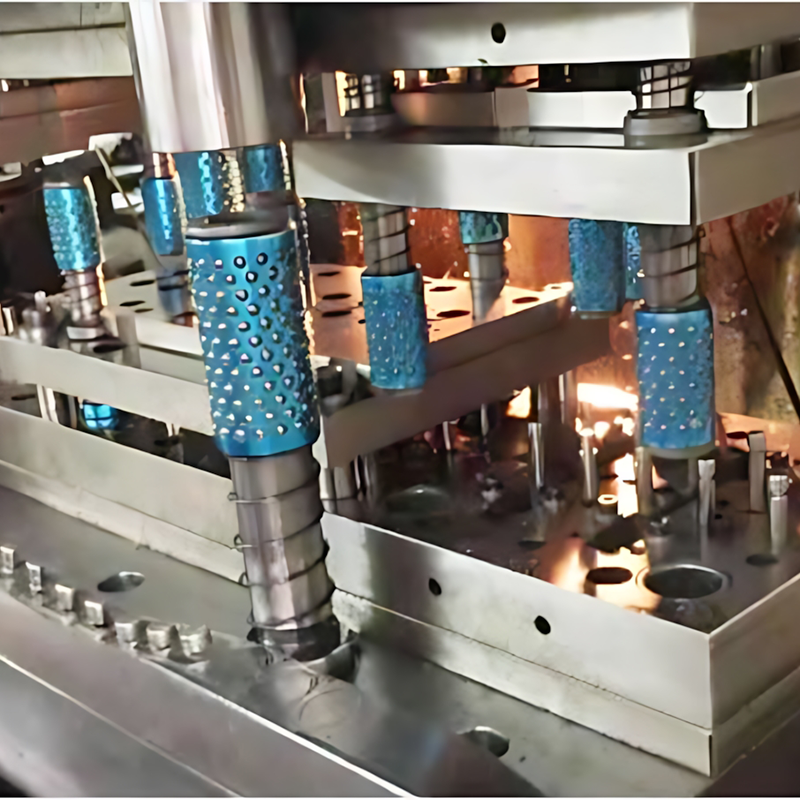
The inherent design of progressive die forming ensures exceptional dimensional accuracy and part-to-part consistency that manual or semi-automated processes cannot match reliably. Each forming station within the die is precision-machined to exact specifications, and the guided strip advancement system positions material with micron-level accuracy at every stage, eliminating cumulative positioning errors. This mechanical precision translates directly into finished parts that maintain tight tolerances across millions of production cycles, crucial for assemblies requiring exact fit and function. Built-in pilots and locating features within the progressive die forming tool ensure proper material alignment throughout the forming sequence, preventing misalignment that could compromise part geometry. Advanced progressive dies incorporate spring-loaded components, pressure sensors, and hardened wear surfaces that maintain performance consistency even after extended production runs. The controlled forming environment within the closed die protects parts from environmental variables that might affect quality in open processes. Manufacturers benefit from reduced inspection requirements since the process naturally produces uniform results, lowering quality control costs while maintaining confidence in product conformity. This reliability makes progressive die forming the preferred choice for safety-critical components in automotive, medical, and aerospace applications where failure is not acceptable and regulatory compliance demands documented process capability.
Versatile Design Capabilities and Material Compatibility

Versatile Design Capabilities and Material Compatibility

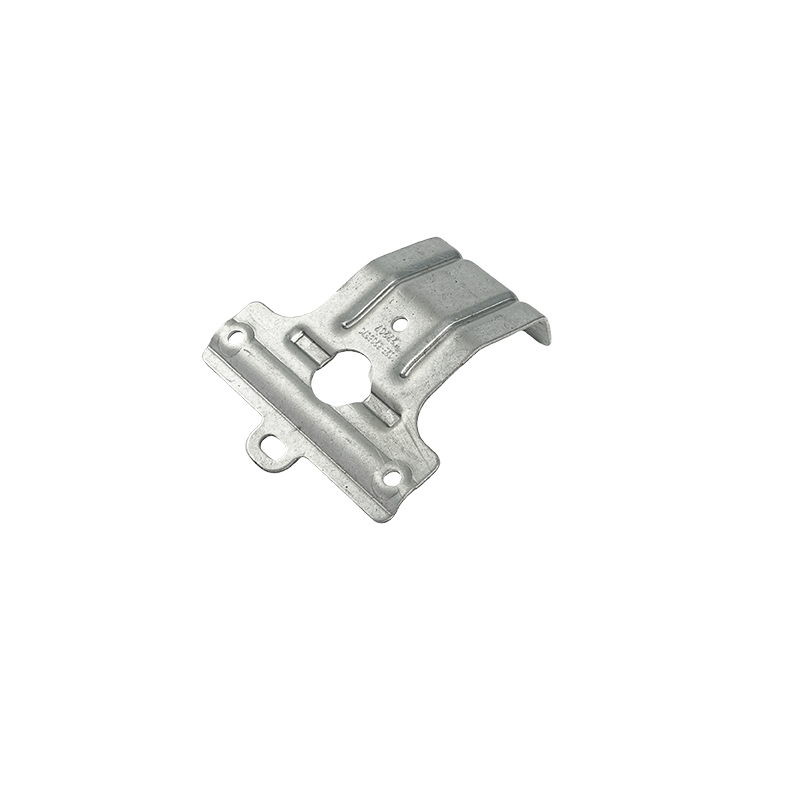
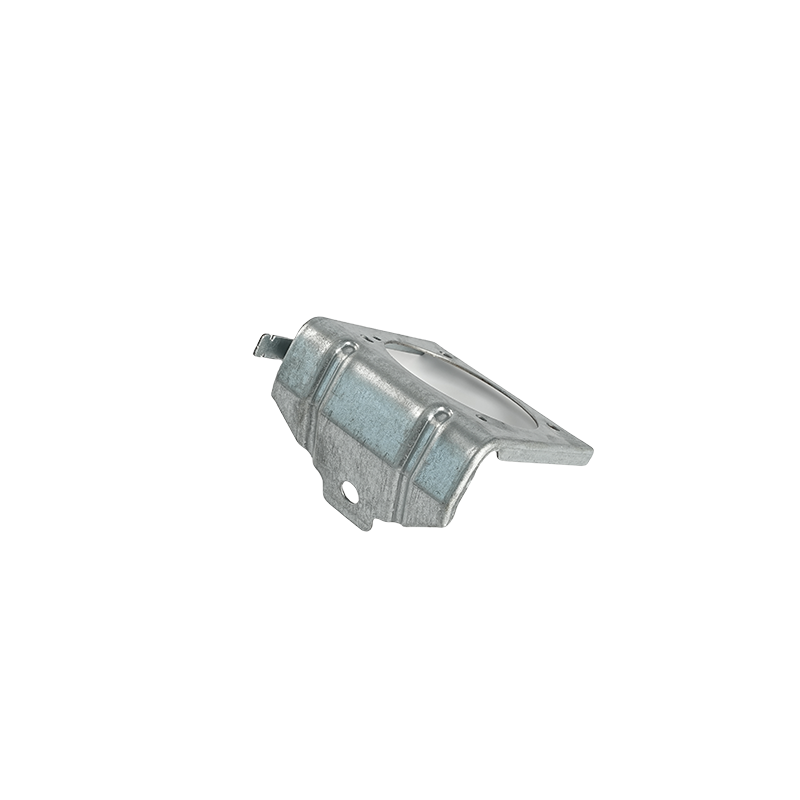
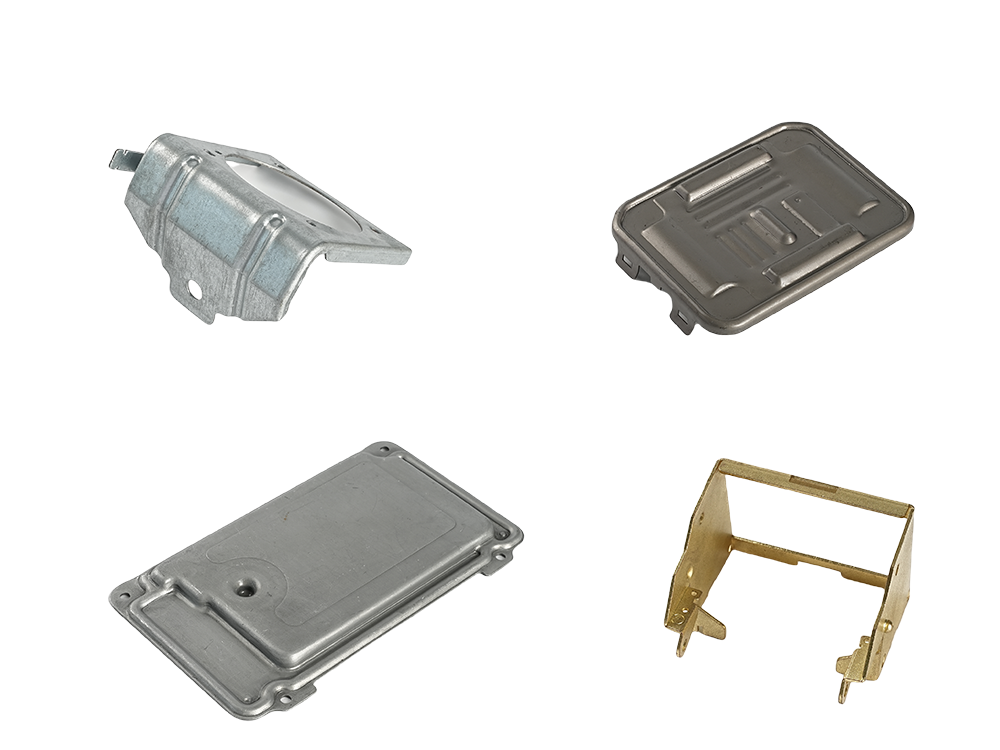
Progressive die forming accommodates an impressive range of part geometries, material types, and thickness variations, offering designers exceptional creative freedom while maintaining manufacturing feasibility. The technology handles complex three-dimensional forms incorporating multiple bends, embossed features, coined details, and pierced patterns that would require numerous separate operations using alternative methods. Engineers can design parts with varying cross-sections, integrated mounting features, and functional elements formed directly into components, reducing assembly requirements and part counts. Material compatibility extends across ferrous and non-ferrous metals including carbon steel, stainless steel grades, aluminum alloys, copper, brass, titanium, and specialty materials used in specific industries. Progressive die forming successfully processes material thicknesses from ultra-thin 0.1mm foils used in electronics to heavy 6mm plates for structural components, adapting to application requirements. Surface finish options range from as-formed conditions to pre-plated or pre-coated materials that retain protective finishes through the forming process, eliminating secondary treatment operations. The ability to combine cutting, forming, and finishing operations within one tool means designers can specify features that optimize product performance without concern for manufacturing complexity. This versatility makes progressive die forming suitable for diverse industries and applications, from miniature electronic contacts to large automotive structural members, providing manufacturers with a single process capable of supporting varied product portfolios and evolving market demands.
Get a Free Quote

Our representative will contact you soon.
Email
WhatsApp
Name
Company Name
Message
0/1000