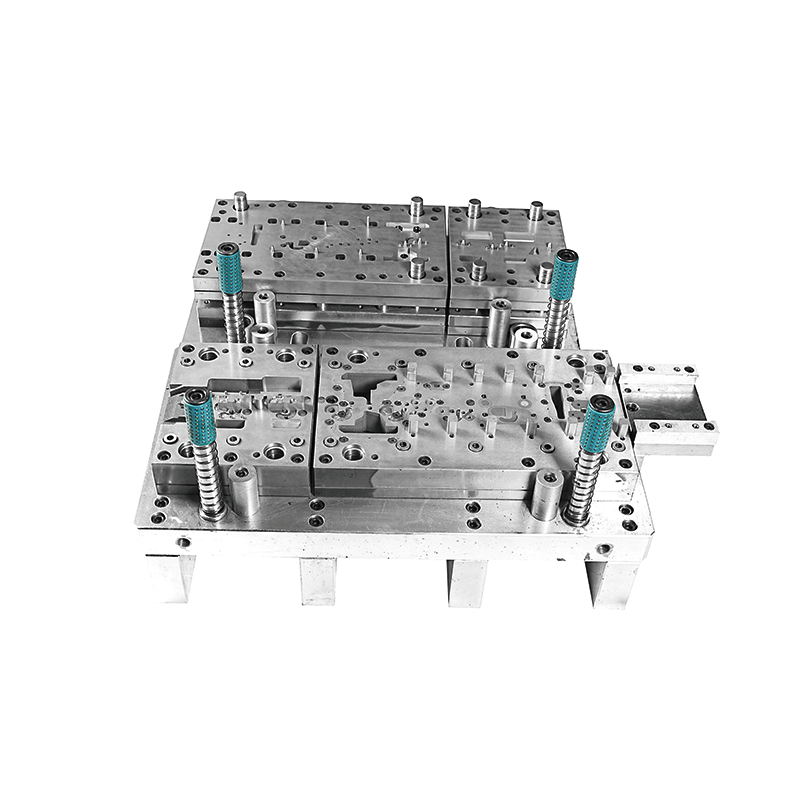
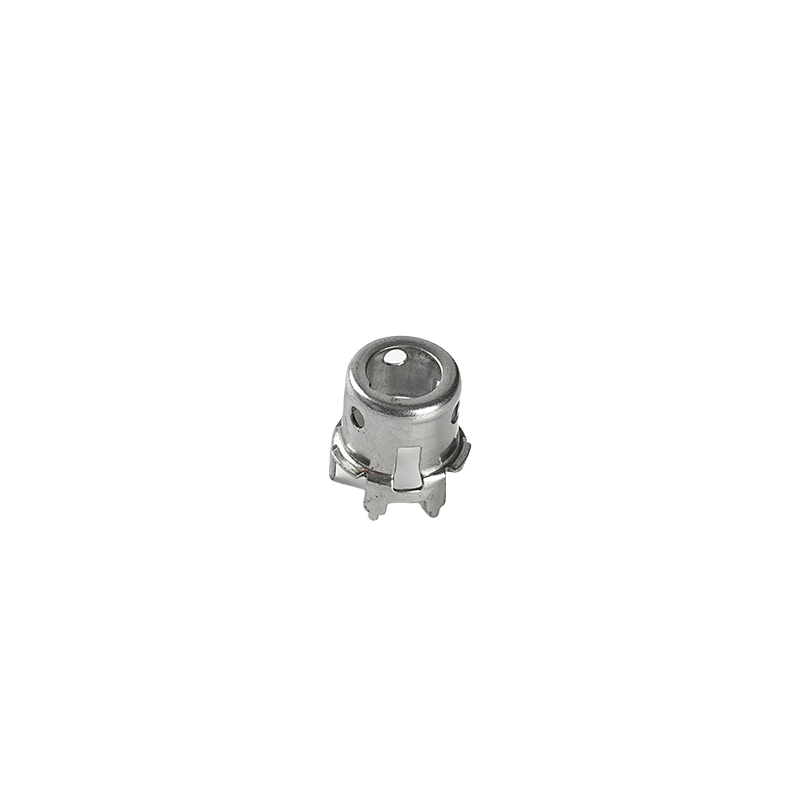
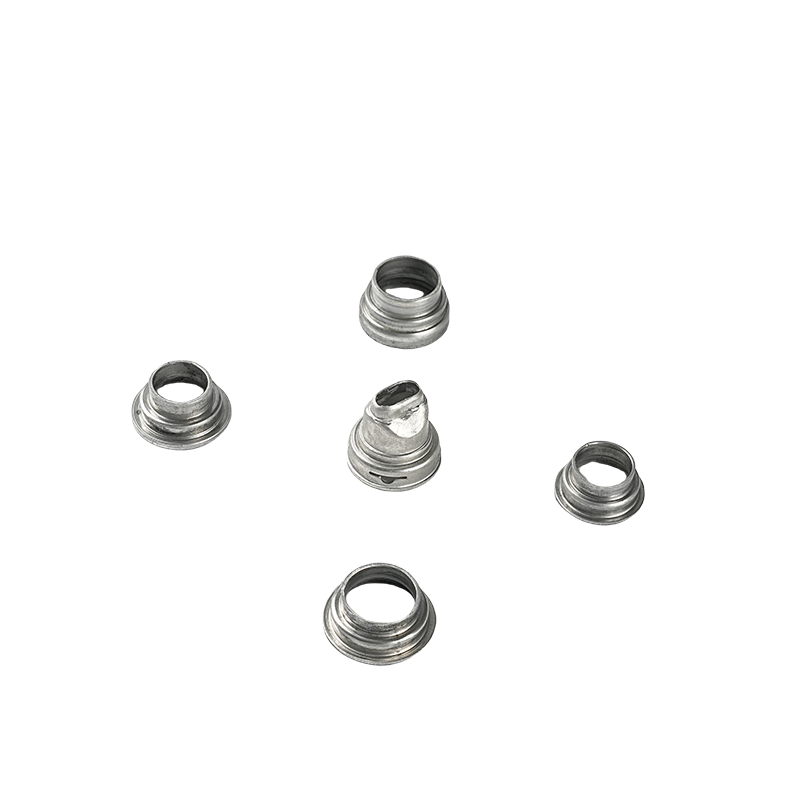
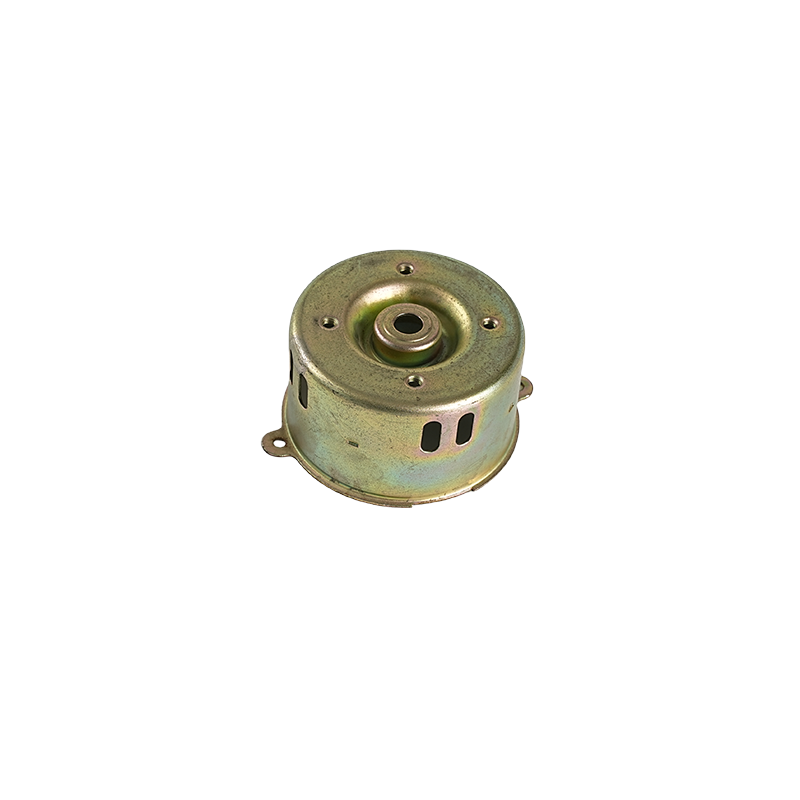
progressive die drawing
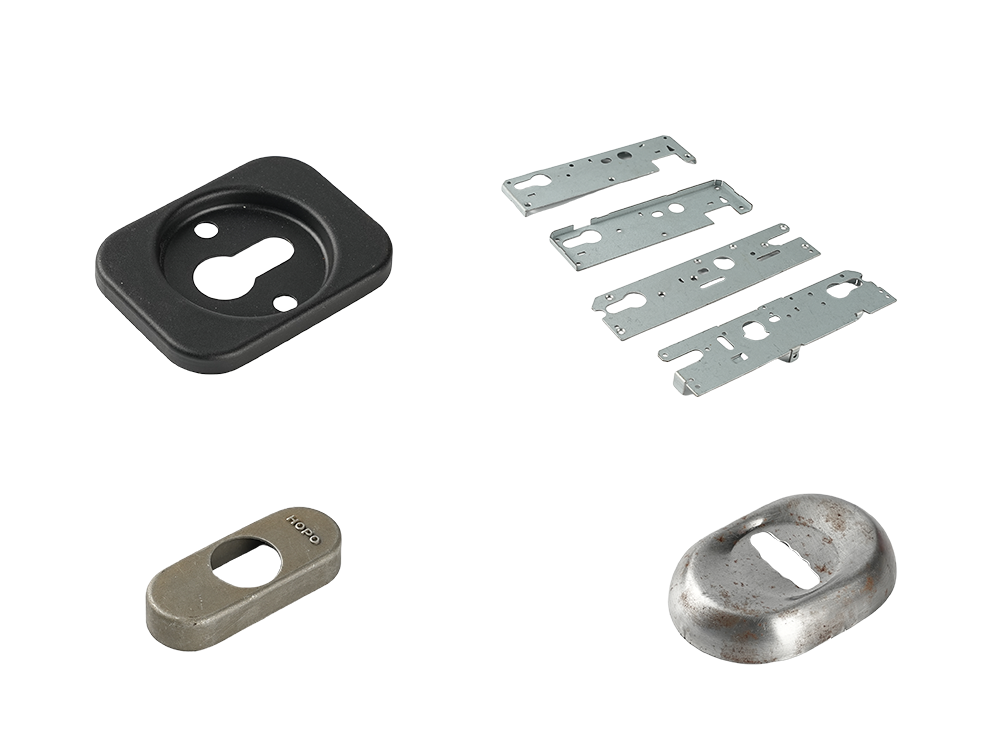
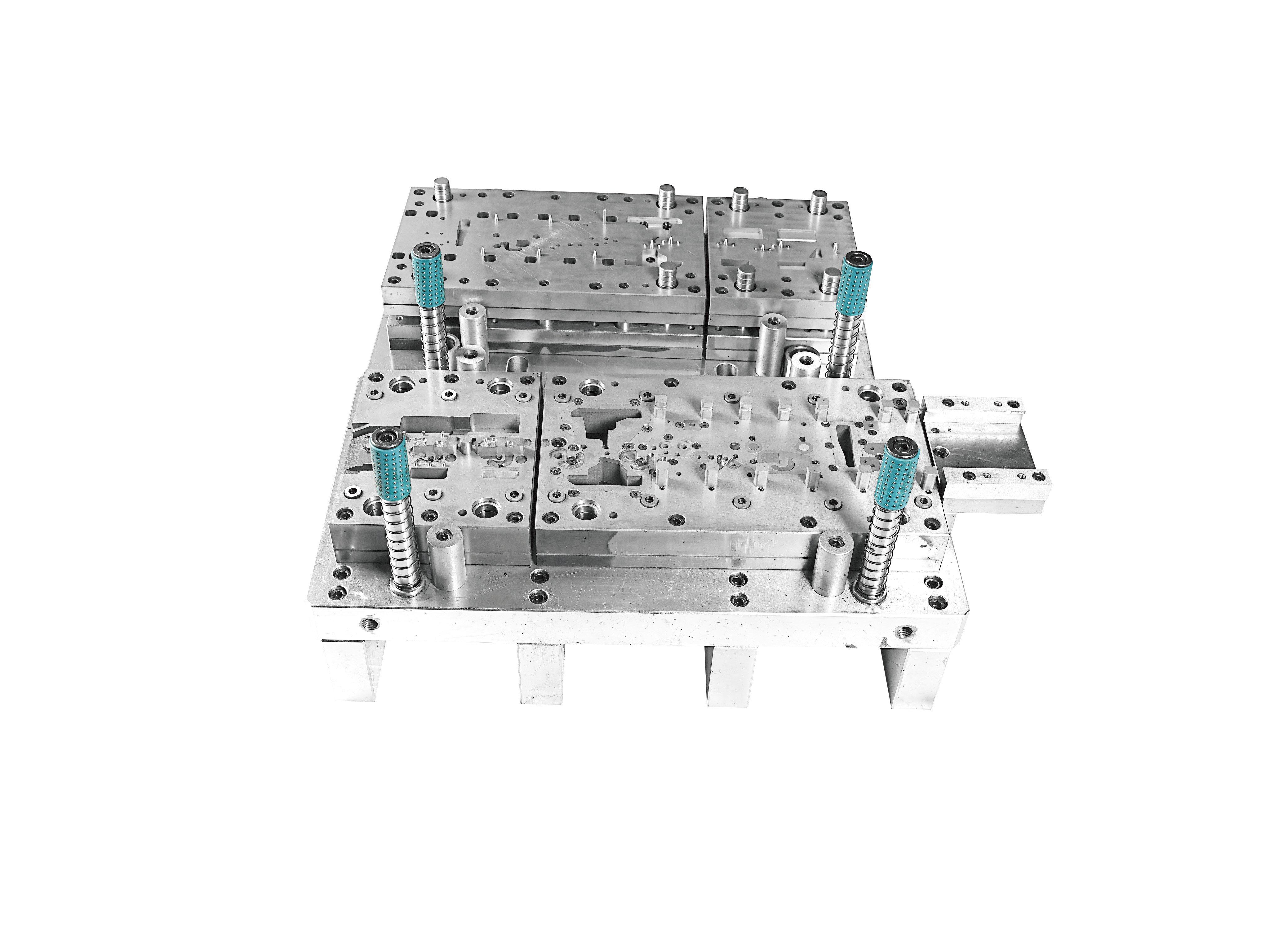
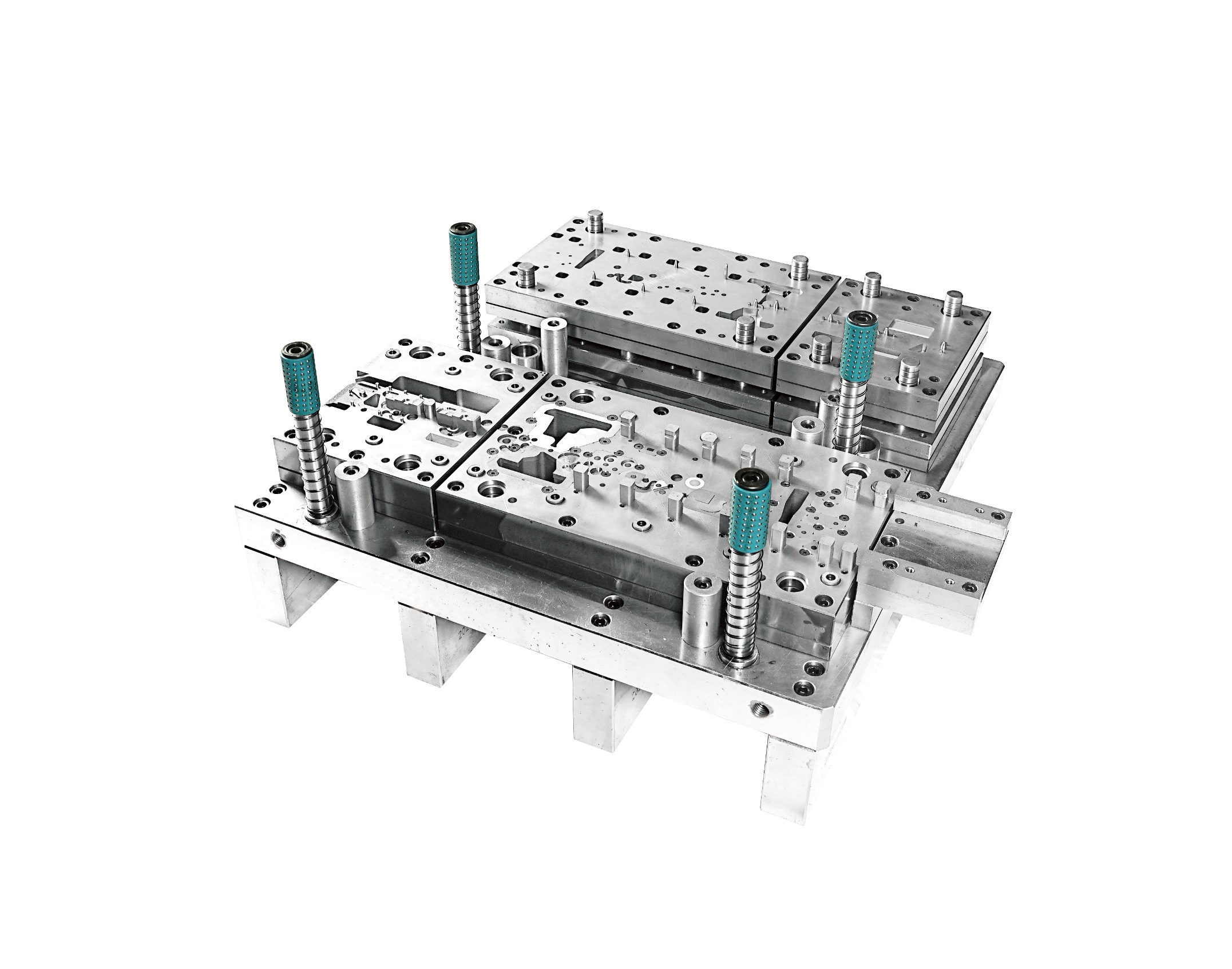
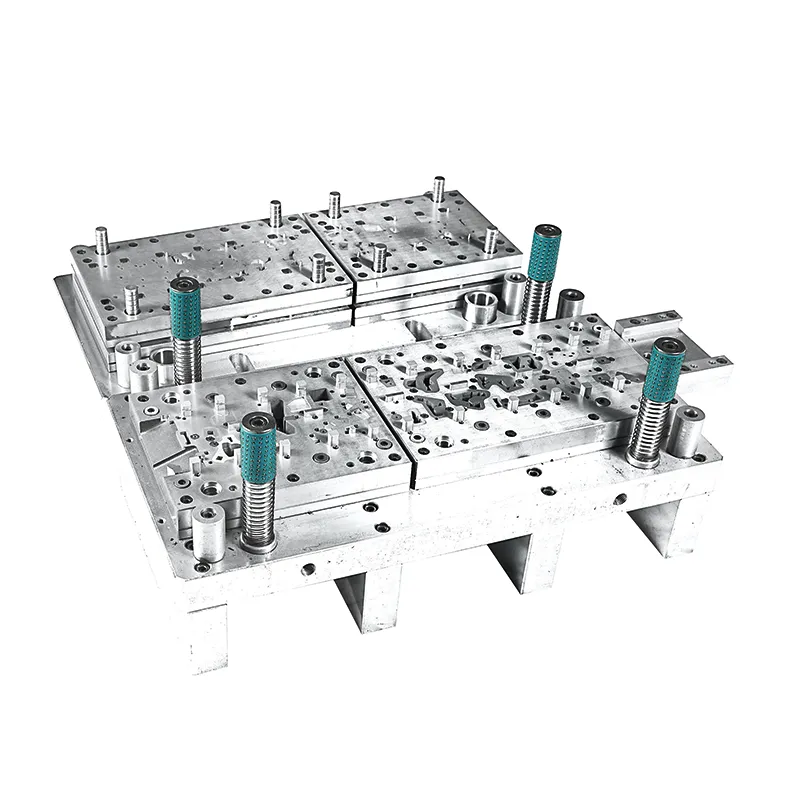
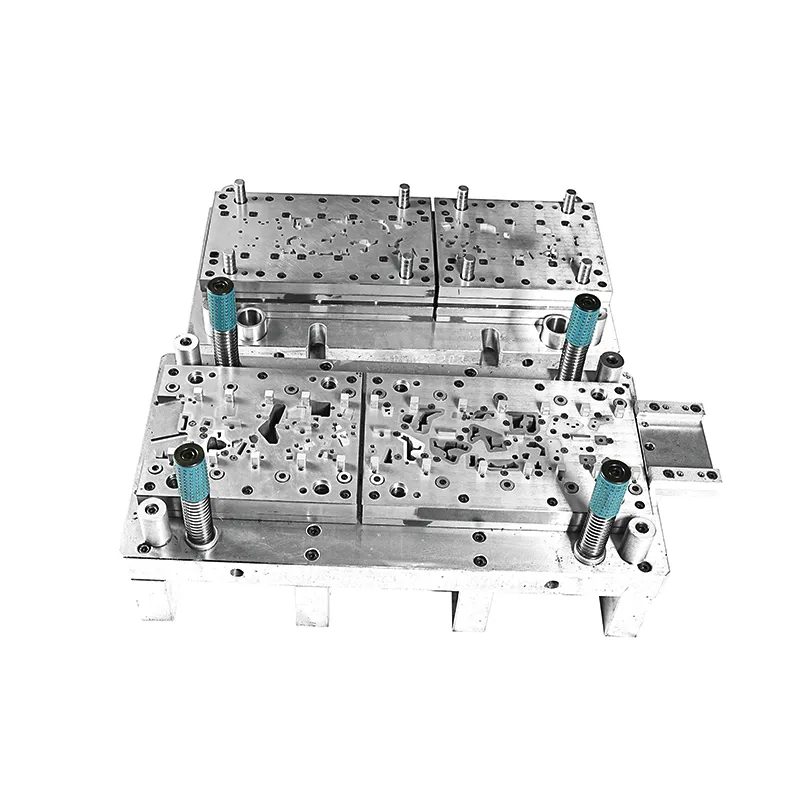
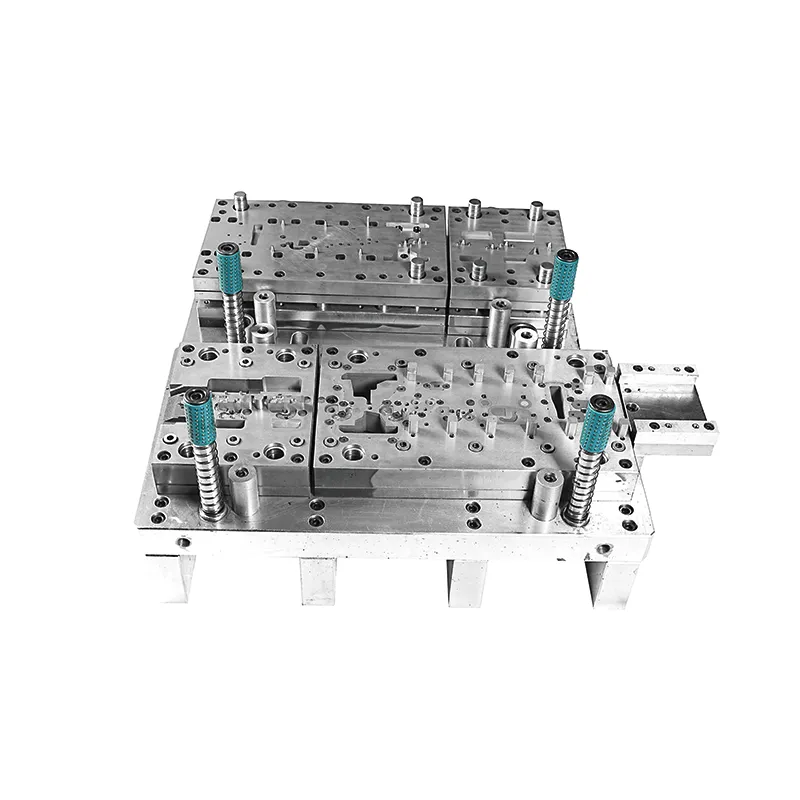
Progressive die drawing is an advanced metal forming process that combines multiple stamping operations into a single, continuous production sequence. This manufacturing technique uses a specialized die set where the metal strip moves through different stations, with each station performing a specific operation such as cutting, bending, forming, or drawing. The progressive die drawing process enables manufacturers to produce complex metal parts with exceptional precision and consistency. As the material advances through the die, it undergoes sequential transformations until the final component is complete. This method is particularly effective for high-volume production runs where efficiency and repeatability are critical. Progressive die drawing technology incorporates sophisticated engineering principles to ensure accurate part geometry, tight tolerances, and minimal material waste. The process is widely utilized across automotive, electronics, appliance, and aerospace industries for manufacturing components like brackets, connectors, terminals, and housings. Modern progressive die drawing systems integrate computer-aided design and simulation tools to optimize die layouts and predict forming behavior. This manufacturing approach offers significant advantages over traditional single-stage stamping methods by reducing handling time, minimizing labor costs, and improving overall production throughput. The continuous nature of progressive die drawing ensures consistent quality throughout production runs while maintaining dimensional accuracy across thousands or millions of parts.


 EN