Metal Die Stamping Solutions & Services

All Categories

metal die stamping

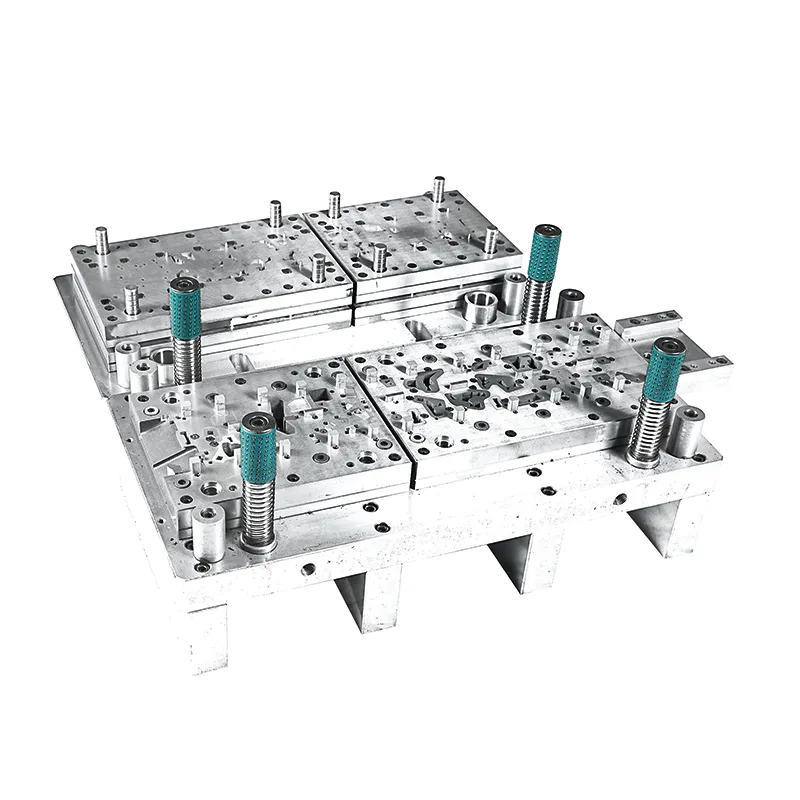
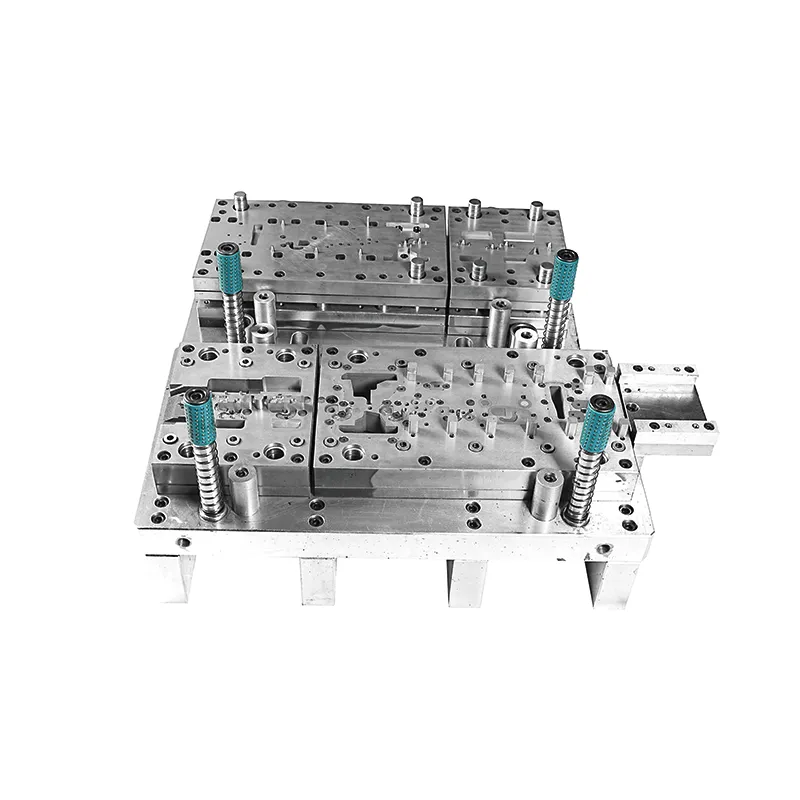
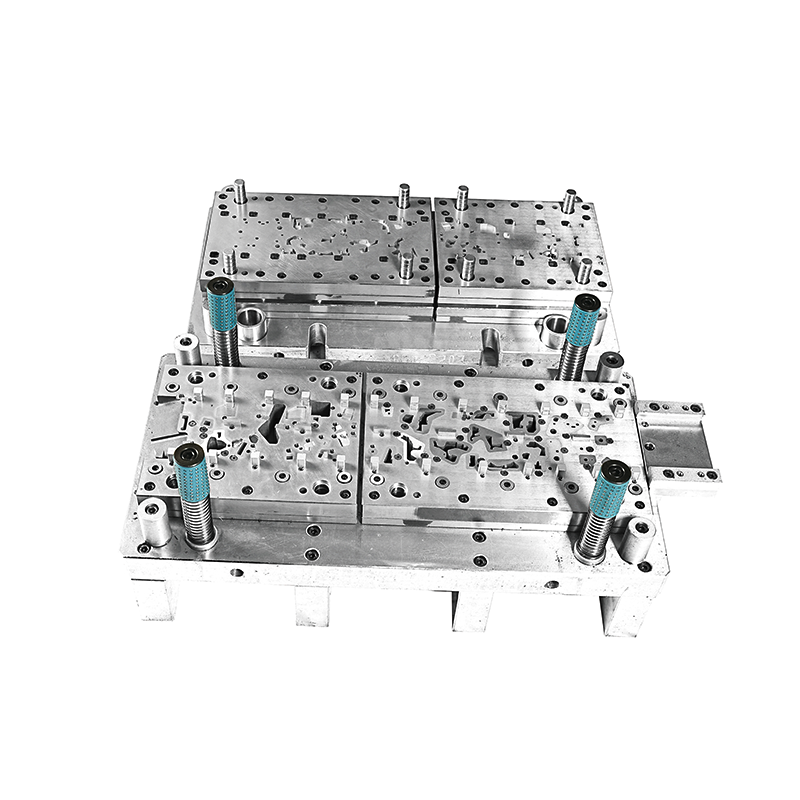
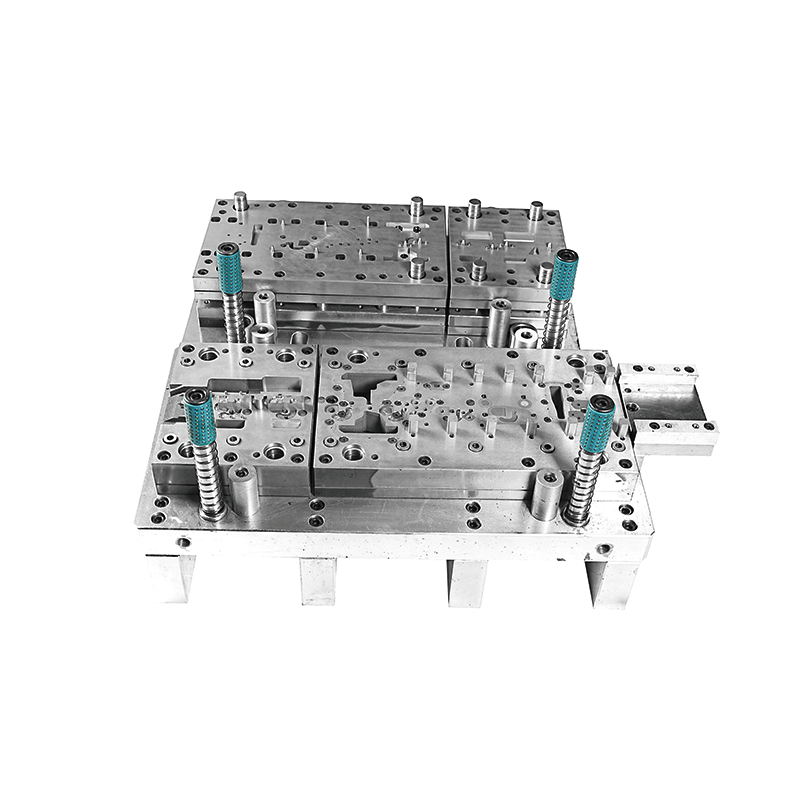
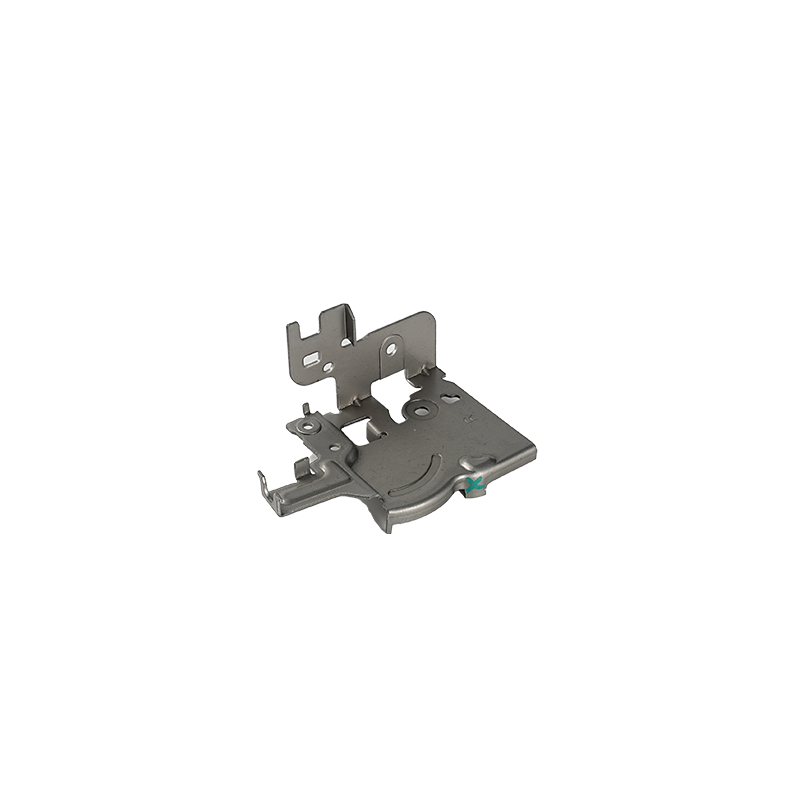
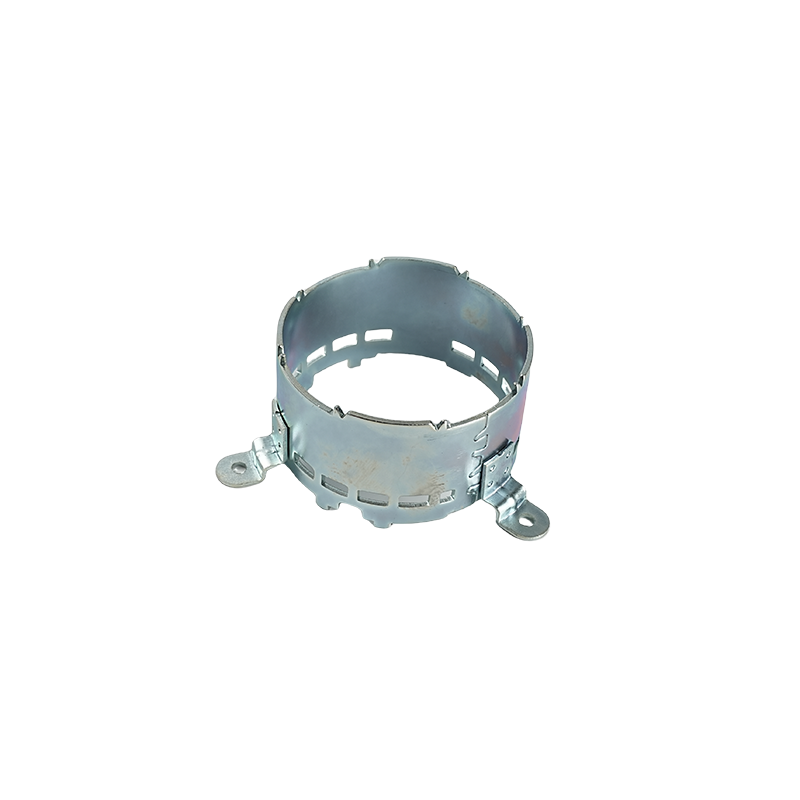
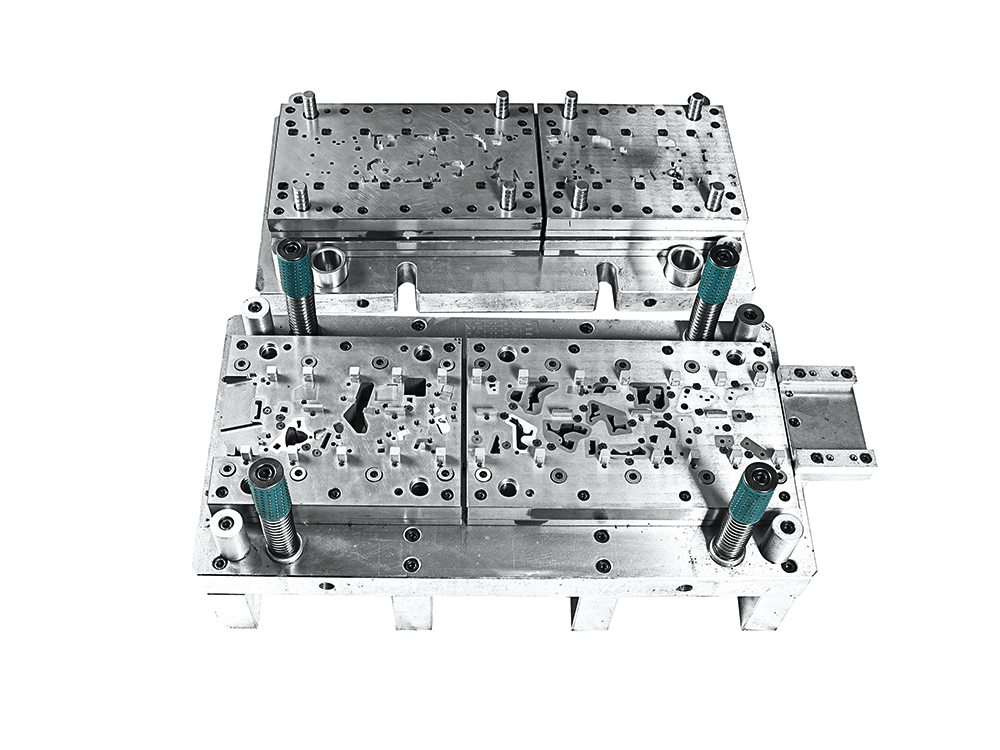
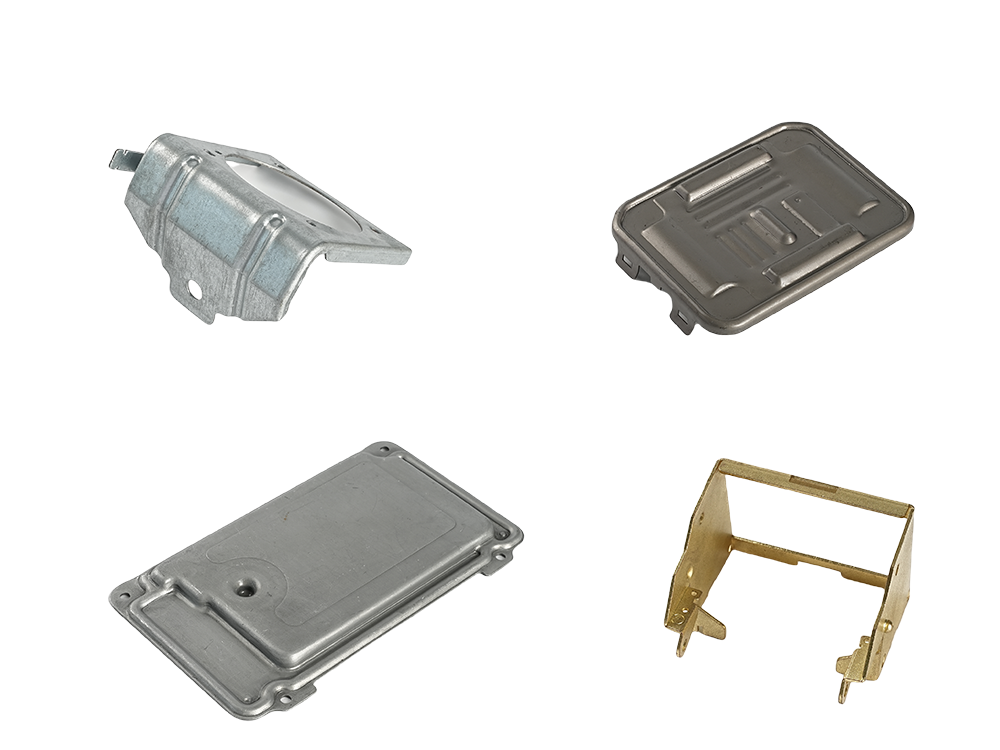
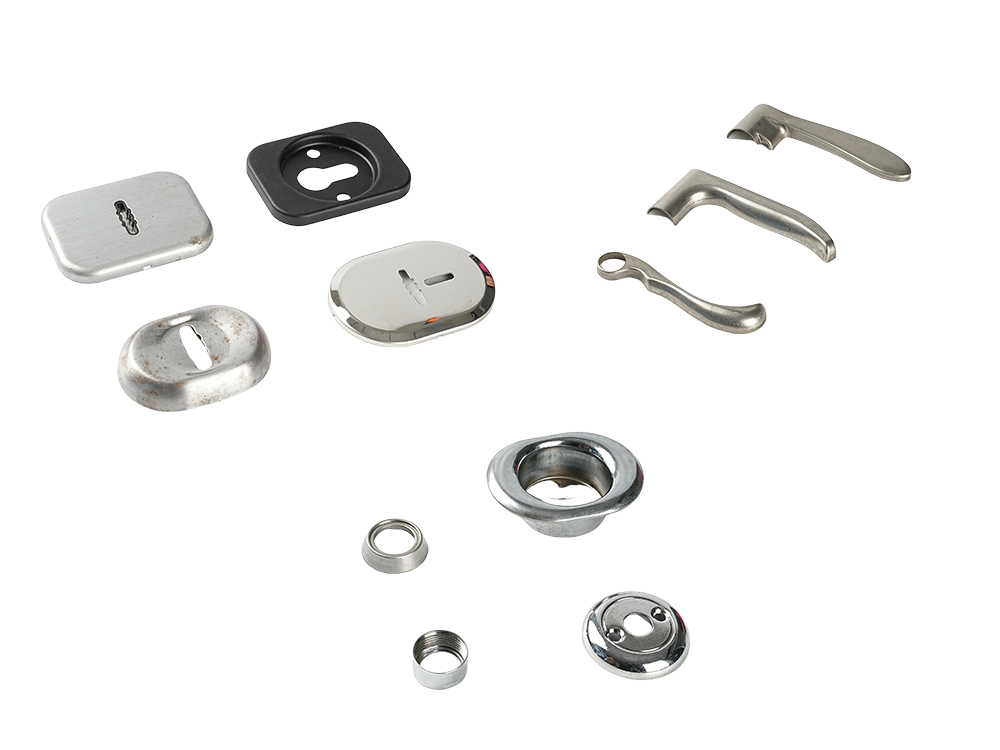
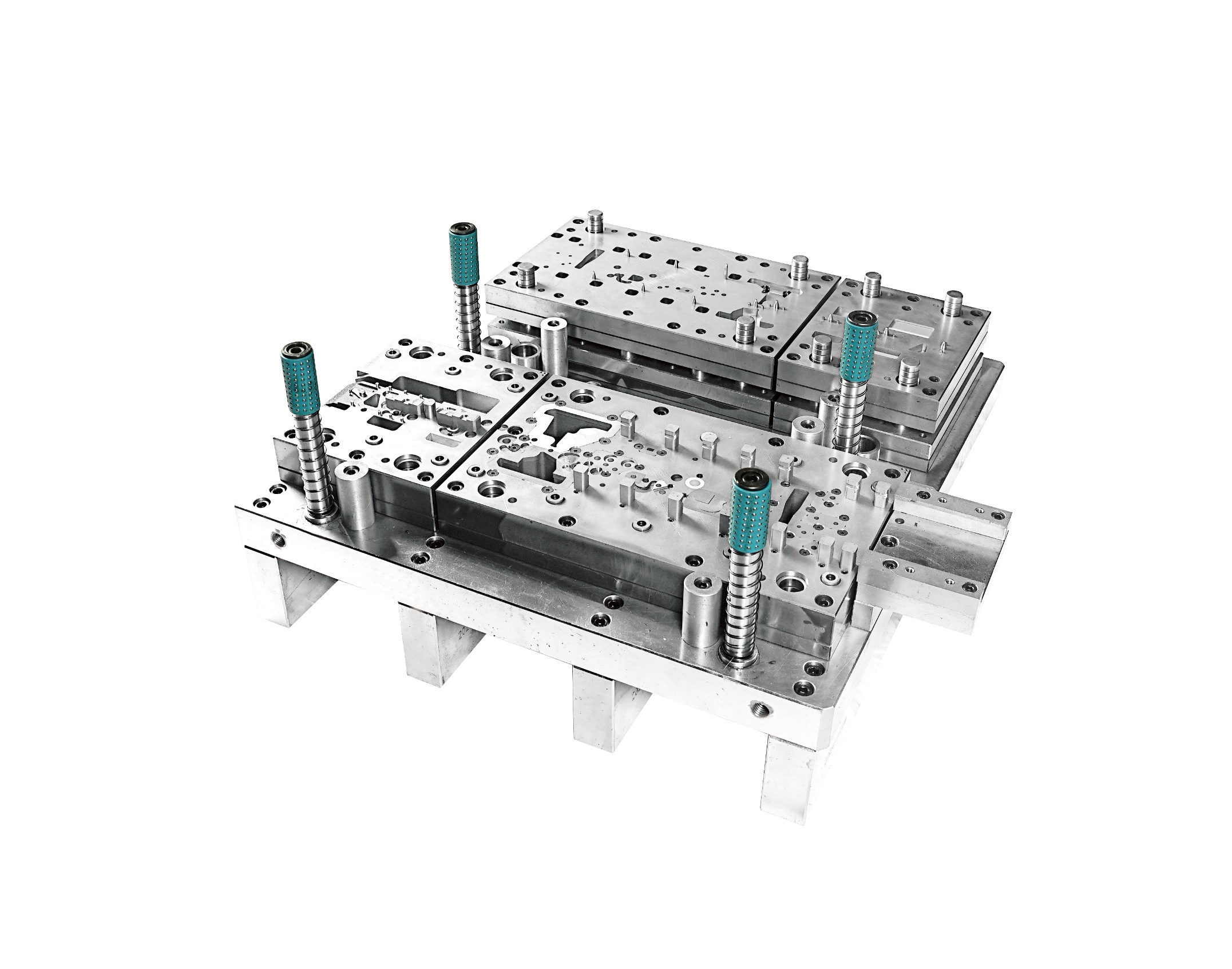
Metal die stamping is a precision manufacturing process that transforms flat metal sheets into specific shapes through the application of force using specialized dies and presses. This cold-forming technique involves placing sheet metal between a custom-designed die set and applying high-pressure force to cut, bend, emboss, or coin the material into the desired configuration. Metal die stamping operates through progressive, transfer, or single-stage methods, each suited to different production requirements and component complexities. The process accommodates various metals including steel, aluminum, brass, copper, and stainless steel, with thickness ranges typically from 0.005 to 0.25 inches. Modern metal die stamping integrates computer-aided design and computer-aided manufacturing technologies to achieve tolerances as tight as plus or minus 0.001 inches. This manufacturing method serves diverse industries requiring high-volume production of identical components with consistent quality. Automotive manufacturers rely on metal die stamping for body panels, brackets, and structural components. Electronics producers utilize this process for connectors, terminals, and shielding components. Aerospace applications include precision brackets, clips, and mounting hardware. Medical device manufacturers depend on metal die stamping for surgical instruments and implantable component parts. The process delivers exceptional repeatability, making it ideal for producing thousands to millions of identical parts while maintaining dimensional accuracy. Metal die stamping supports complex geometries including holes, slots, embossments, and multiple bends in a single operation, significantly reducing assembly requirements and overall production time.

Popular Products

Metal die stamping delivers substantial cost advantages for medium to high-volume production runs by distributing tooling investment across thousands or millions of parts, dramatically reducing per-unit costs compared to alternative manufacturing methods. Once the dies are created, production speed becomes exceptionally fast, with some presses capable of producing hundreds of parts per minute, directly translating to shorter lead times and faster market delivery for your products. The process ensures remarkable consistency, with each stamped part virtually identical to the previous one, eliminating the quality variations common in manual fabrication and providing the reliability your customers expect. Material utilization reaches optimal efficiency through metal die stamping, as engineers can nest part designs to minimize scrap and waste, directly improving your bottom line while supporting sustainability goals. The strength and durability of stamped components often exceed those produced through casting or machining because the cold-working process enhances the metal's structural integrity through work hardening. Metal die stamping accommodates rapid design iterations, allowing you to test prototypes and refine designs before committing to full production tooling, reducing development risk and investment exposure. The versatility of this process means you can produce simple flat washers or complex three-dimensional enclosures using the same fundamental technology, providing flexibility as your product line evolves. Minimal secondary operations are typically required, as metal die stamping can incorporate multiple forming operations in a single press stroke, including cutting, bending, and embossing simultaneously, reducing handling and assembly labor costs. Surface finishes produced through metal die stamping are generally smooth and uniform, often eliminating the need for additional finishing processes and accelerating your production timeline while maintaining aesthetic quality standards.

Practical Tips

Precision stamping die

17

Jul

Precision stamping die

View More
Sheet Metal Stamping Manufacturers

17

Jul

Sheet Metal Stamping Manufacturers

View More
Metal stamping parts

17

Jul

Metal stamping parts

View More
Progressive Dies: The Key Force Promoting Efficient and Precise Production in Modern Manufacturing

14

Aug

Progressive Dies: The Key Force Promoting Efficient and Precise Production in Modern Manufacturing

View More

Get a Free Quote

Our representative will contact you soon.
Email
WhatsApp
Name
Company Name
Message
0/1000

metal die stamping

Exceptional Production Speed and Efficiency

Exceptional Production Speed and Efficiency

Metal die stamping revolutionizes manufacturing throughput by enabling extremely rapid part production that dramatically outpaces traditional fabrication methods. Modern stamping presses operate at speeds ranging from 20 to 1,500 strokes per minute depending on part complexity and material thickness, allowing manufacturers to produce vast quantities in compressed timeframes. This velocity advantage stems from the fundamental nature of the process where a single press stroke completes all forming operations simultaneously rather than requiring sequential processing steps. Progressive die stamping takes this efficiency further by performing multiple operations as the metal strip advances through the die, creating a finished part with each press cycle. This production speed directly translates to reduced labor costs per unit, faster order fulfillment, and improved capacity to meet sudden demand spikes without expensive overtime or additional equipment investment. The consistency of high-speed metal die stamping operations ensures that quality remains constant whether producing the first hundred parts or the millionth, providing reliability that manual or slower processes cannot match. For businesses managing tight production schedules or serving markets with fluctuating demand patterns, the speed advantage of metal die stamping provides competitive differentiation through reliable delivery performance and inventory flexibility.
Superior Precision and Dimensional Consistency

Superior Precision and Dimensional Consistency

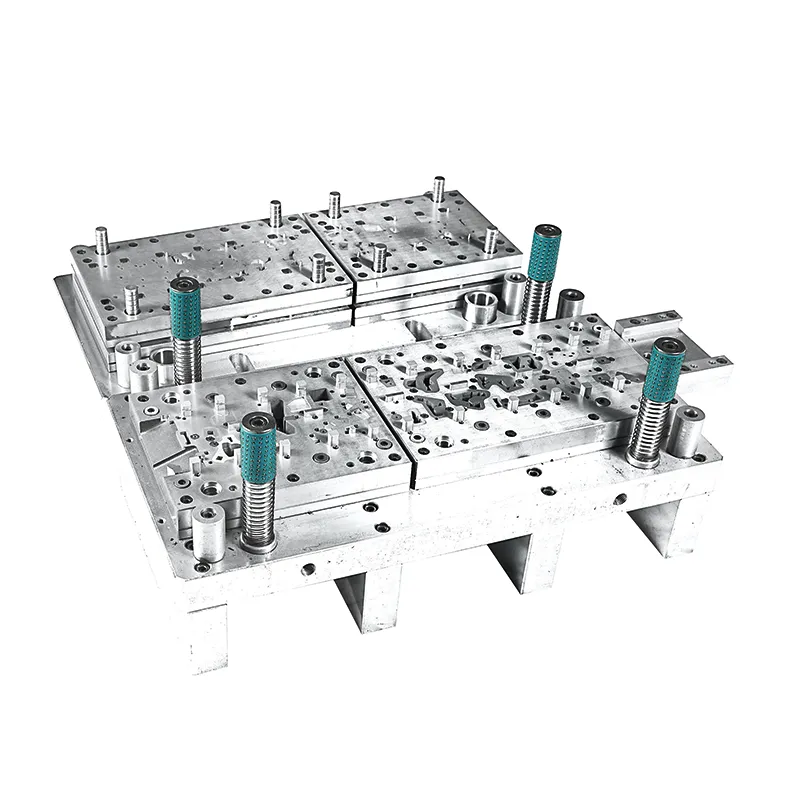
Metal die stamping achieves remarkable dimensional accuracy that remains stable across entire production runs, ensuring every component meets exact specifications without drift or degradation. Precision-machined dies crafted from hardened tool steel maintain their geometry through millions of cycles, producing parts with tolerances commonly held to plus or minus 0.002 inches and capable of reaching plus or minus 0.001 inches with proper die design and press control. This consistency eliminates the variation inherent in manual fabrication or processes dependent on operator skill, providing predictable assembly fit and function across all units. The repeatable nature of metal die stamping proves especially valuable for products requiring interchangeable parts or tight stack-up tolerances where accumulated variations cause assembly problems or performance issues. Computer-controlled servo presses enhance this precision further by monitoring and adjusting press position, speed, and force in real time, compensating for material variation and ensuring optimal forming conditions for every stroke. Complex features including close-tolerance holes, precise bend angles, and intricate embossed details are reproduced identically part after part, reducing inspection requirements and reject rates. This dimensional reliability extends throughout the production lifecycle, providing confidence that parts produced today will precisely match those manufactured months or years later, critical for aftermarket support and warranty management.
Design Flexibility and Material Versatility

Design Flexibility and Material Versatility

Metal die stamping accommodates an impressive range of materials and design configurations, providing manufacturers exceptional flexibility to optimize component performance and cost simultaneously. Engineers can select from numerous metals including carbon steel, stainless steel, aluminum alloys, copper, brass, bronze, and specialty materials based on strength requirements, corrosion resistance, electrical conductivity, weight constraints, and budget parameters. Material thickness capabilities span from ultra-thin foils at 0.005 inches for electronics applications to substantial 0.25-inch plate for structural components, all processable through metal die stamping with appropriate die design and press tonnage. Complex three-dimensional geometries emerge from flat sheets through strategic combinations of cutting, bending, drawing, embossing, and coining operations, often consolidating what would require multiple separate components into a single stamped part. This consolidation reduces assembly time, eliminates fasteners, decreases potential failure points, and lowers total product cost. Design iterations occur relatively quickly as dies can be modified or new prototype dies created to test alternative configurations before committing to full production tooling investment. Metal die stamping integrates readily with secondary operations including tapping, welding, plating, and coating when additional features or surface treatments are required, providing a complete component solution rather than just a forming process.

Get a Free Quote

Our representative will contact you soon.
Email
WhatsApp
Name
Company Name
Message
0/1000